
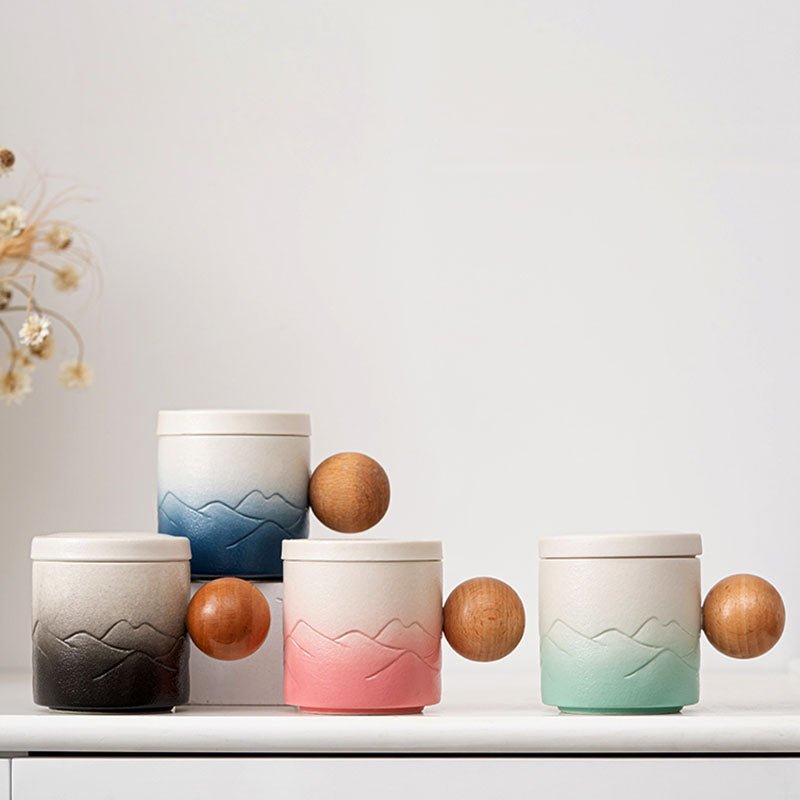
Mug for Tea: How to Choose the Right Shape, Size, and Finish
Reading time: about 8 minutes
A mug for tea gets judged on the first sip and the last one. If the handle pinches, the rim feels too thick, or the cup wobbles next to a keyboard, it stops being a daily mug and turns into cabinet clutter.
We see that pattern often in our store. People usually do not need a novelty piece; they need a tea mug that feels balanced, cleans up easily, and holds heat long enough to finish a conversation, a meeting, or one quiet refill. That is the standard we use when we look at a mug for tea.
What should a mug for tea do better than an ordinary cup?
A good tea mug is not just a container. It should feel comfortable in the hand, let the tea cool at a reasonable pace, and survive repeated dishwasher cycles without losing its finish. That sounds basic, but many mugs miss one of those points.
For tea specifically, we care about three things first:
- Rim comfort: a smoother rim makes hot black tea, green tea, or herbal tea feel less harsh on the lip.
- Handle clearance: there should be enough room for two fingers without scraping the mug body.
- Stable footing: a flat, steady base matters on a desk, bedside table, or crowded kitchen counter.
If you are buying for loose-leaf tea, a mug with a wide enough opening is easier to use with an infuser basket. If you mostly drink bagged tea, a standard opening is fine. A very narrow mug can feel elegant, but it is less forgiving when you want to stir honey, add milk, or clean out tea tannin lines at the bottom.
Which shape feels best for daily tea?
Shape changes the drinking experience more than most shoppers expect. A shorter, wider mug usually feels relaxed and stable. A taller mug tends to keep tea hotter a little longer and can be better if you dislike refilling, but it can also feel top-heavy if the base is small or your desk is already crowded.
In our experience, buyers usually fall into one of three groups:
- Desk drinkers: want a mug that sits low, feels steady, and does not crowd the keyboard.
- Long-sip drinkers: want a taller mug that holds heat and stretches one serving further.
- Gift buyers: want a mug that looks intentional right out of the box and does not feel overly niche.
If you want to browse the full range first, start with our all mugs collection. It is the quickest way to compare styles before you narrow in on one shape.
For a broader size-first comparison, our article Best Tea Mug: What to Buy for Daily Tea, Desk Use, and Gifts goes deeper into what different shoppers actually need from a daily cup.
Which CoffeifyMug options fit different tea drinkers?
If you want to choose by use case instead of staring at product names, this is the simplest way to sort our tea mugs:
| Product | Best for | Trade-off |
|---|---|---|
| Great Mountain Coffee Tea Mug | Everyday tea drinkers who want a balanced, classic mug | Less dramatic if you prefer a taller silhouette |
| Emerald Coffee Tea Mug | Shoppers who want something more distinctive for the kitchen or office | A stronger visual choice may not suit someone who wants a very plain utility mug |
| Landscape Tall Coffee Tea Mug | People who like a taller cup and fewer refills | Tall mugs can feel less stable on a small desk or in a tight dishwasher rack |
That is the same advice we would give a customer in person. Start with the shape that matches your routine, then choose the look you want to see every morning. A tea mug that fits your hand will get used; a pretty mug that feels awkward usually gets pushed to the back of the shelf.
If you are comparing larger formats too, Big Tea Mug Buying Guide for Size, Comfort, and Daily Use is useful for deciding whether you need a standard tea mug or a bigger cup that works as an all-day vessel.
What details should you inspect before buying?
Some flaws do not show up in a clean product photo, but they matter after a week of use. If we were checking a mug for tea on a shelf, we would look for the following:
- Rim finish: a clean, even rim is more comfortable than one with a sharp or slightly rough edge.
- Handle join: the handle should blend smoothly into the body without a rough seam where your fingers rest.
- Base flatness: a mug that rocks on the counter is annoying every day and more likely to feel cheap.
- Glaze consistency: pinholes, streaks, and uneven shine can be signs of inconsistent firing or a finish that may age poorly.
- Cabinet fit: a taller mug can look great but still be awkward if your shelves are shallow or your dishwasher tines are tight.
For ceramic tea mugs, the finish matters as much as the silhouette. A smooth glaze is usually easier to wipe clean after black tea or chai. A matte surface can look refined, but it may show stains or water marks more readily and often needs a little more care.
We prefer a mug that feels simple and well-made over one that tries to do too much. A tea mug should earn its place by being comfortable on day one and still easy to live with after repeated use.
How do you care for a mug for tea so it stays clean?
Tea leaves a film. That is normal. Black tea, chai, and some herbal blends can leave a brown ring near the waterline if the mug sits unwashed for too long. The fix is simple: rinse soon after use, then wash with warm water and a mild detergent before residue has time to set.
A few practical care habits help a lot:
- Do not leave tea sitting overnight if you want to avoid stubborn stains.
- Use a soft sponge instead of an abrasive pad on printed or glazed surfaces.
- If the manufacturer says the mug is dishwasher safe, place it so it does not knock against other items.
- For stubborn tannin marks, a small amount of baking soda can help without being harsh.
Not every mug is ideal for every routine. If you hand wash everything carefully, a decorative tea mug is no problem. If you stack cups tightly, run heavy dishwasher loads, or need a mug for travel, a more utilitarian style usually lasts longer and feels less fussy.
Which mug for tea is not the right choice?
Some mugs are simply the wrong tool for the job. If you drink large volumes of tea at once, a standard-sized mug may feel too small and send you back to the kettle too often. If you need heat to stay locked in for a long commute, a travel tumbler is a better pick than an open mug. And if you brew loose-leaf tea constantly with a built-in infuser, a purpose-made infuser mug may be more convenient than a simple tea cup.
The other trade-off is aesthetics versus practicality. A highly decorative mug can be a great gift, but it may not be the one you reach for every weekday morning. A plain, well-balanced cup usually wins on daily use because it disappears into the routine.
If you want more help choosing between sizes and everyday use cases, the article Big Mugs for Tea: How to Choose the Right Large Mug is a good companion read before you decide whether to stay standard or go oversized.
Frequently asked questions
What size mug is best for tea every day?
Most daily tea drinkers do well with a standard mug that feels balanced in the hand and does not force constant refills. If you like a longer drinking session, choose a larger cup, but keep the handle and base comfort in mind. A mug that is too large can feel awkward on a desk or in the dishwasher.
Is a tall mug better for tea than a wide mug?
A tall mug can help tea stay warmer a bit longer and can reduce how often you refill. A wide mug usually feels steadier, cools slightly faster, and is easier to clean. The better choice depends on whether you value heat retention or stability more.
Can I use the same mug for tea and coffee?
Yes, and many shoppers do. The main difference is care: tea can stain lighter glazes more visibly, while coffee may leave a stronger odor if the mug is not washed promptly. If you switch between both, pick a mug with a smooth glaze and an easy-to-clean interior.
What should I avoid if I want a mug for loose-leaf tea?
A mug with a very narrow opening can make an infuser basket awkward to use and harder to clean. You also want enough room for the leaves to expand and for a spoon to move freely if you add honey or milk. A wider, stable mug is usually the more practical choice.
How do I keep tea stains from building up?
Rinse the mug soon after drinking, especially after black tea or chai. If a ring starts to form, wash it with warm water and a soft sponge before the stain sets. For stubborn marks, a little baking soda is usually enough without damaging the finish.
If you want the fastest next step, compare the handle comfort, base stability, and mug height first, then browse our all mugs collection to pick the tea mug that fits your routine instead of buying by color alone.
Read more
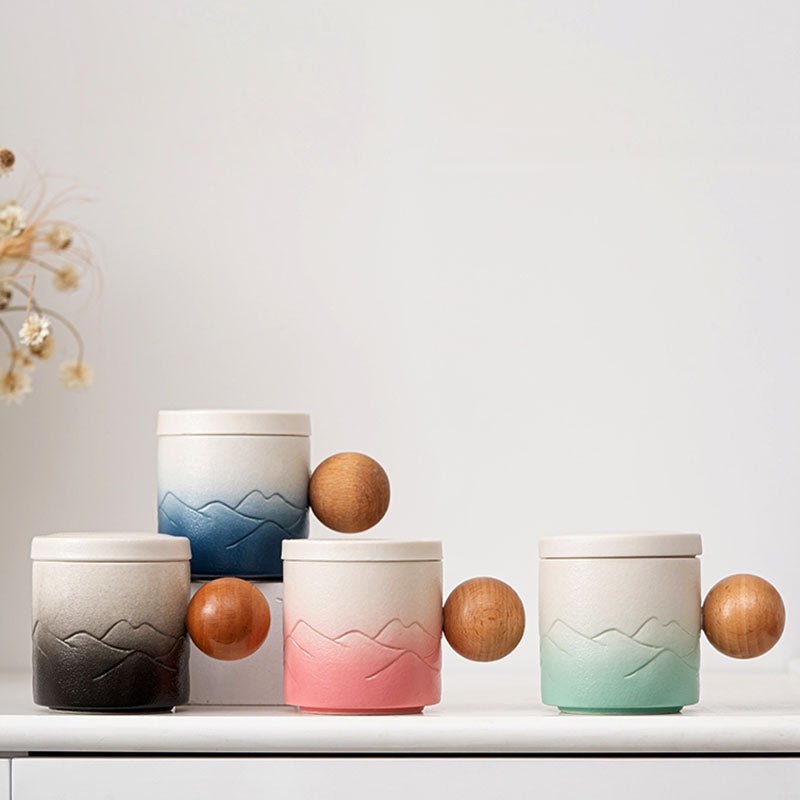
Couple Coffee Mugs: How to Choose the Right Pair for Daily Use
A practical guide to choosing couple coffee mugs that actually fit daily routines, gifting, and table space. Compare size, shape, care, and style before you buy.
Подробнее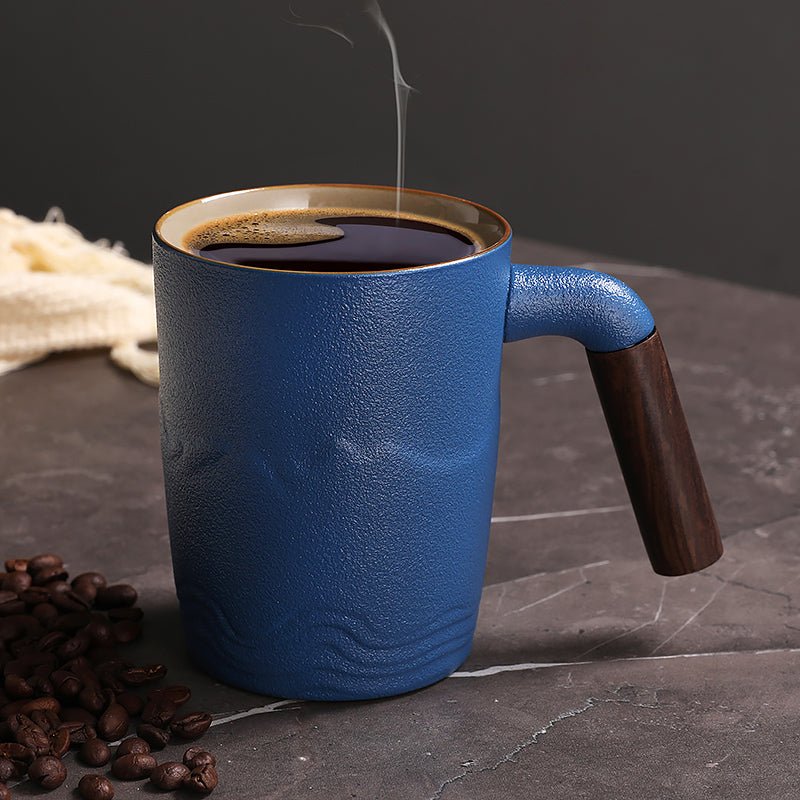
Mug of Coffee Clipart: Which Shapes and Finishes Print Cleanest
A practical guide to mug of coffee clipart from a seller’s point of view: which mug shapes photograph cleanly, which finishes get in the way, and what to check before you buy.
Подробнее
Оставить комментарий
Этот веб-сайт защищается hCaptcha. Применяются Политика конфиденциальности и Условия использования hCaptcha.