
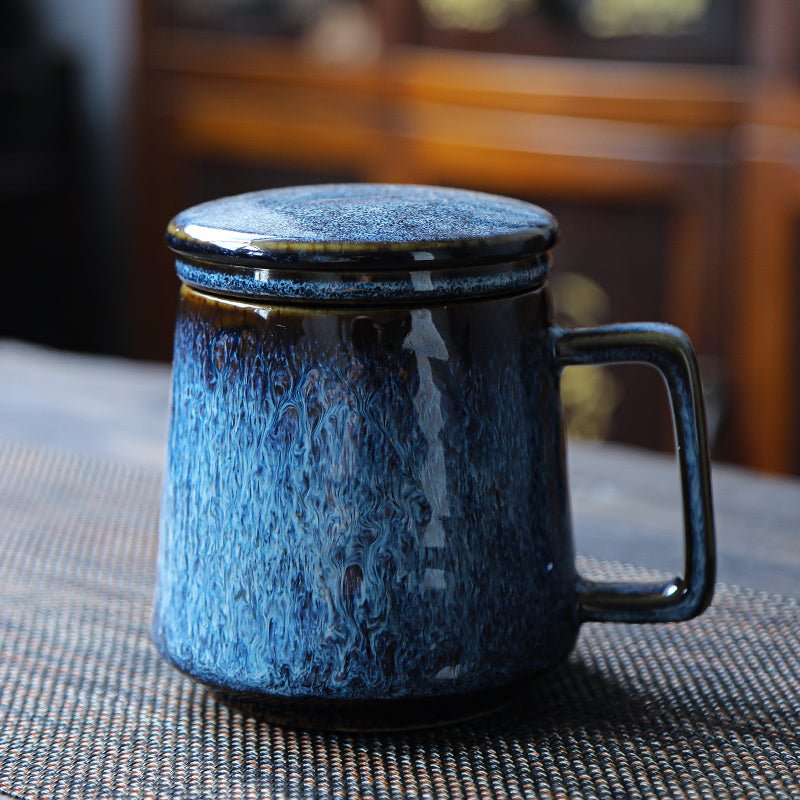
Mug Coffee and Clay: What Buyers Should Check Before They Order
Reading time: about 9 minutes
A mug that looks good on a shelf can still feel wrong in your hand at 7 a.m. We see this a lot with mug coffee and clay choices: the shape is attractive, but the lip feels too thick, the handle sits awkwardly, or the cup holds less coffee than the buyer expected.
That is why we treat clay mugs as more than decor. In our store, we look at balance, wall thickness, handle clearance, and how the mug behaves after a normal dishwasher cycle. If you want the practical version of this topic, start with our Clay Coffee Mug Buying Guide: What to Check Before You Buy, then compare styles against real daily use instead of a styled photo.
Why do clay coffee mugs feel different from other mugs?
Clay mugs usually feel denser and more grounded than thin glass or lightweight travel mugs. That can be a plus if you like a cup that stays put on a desk, kitchen counter, or breakfast tray. It also changes the drinking experience: a thicker clay wall often keeps coffee comfortable in the hand while the drink cools a little more gradually.
There are trade-offs, though. Clay mugs are typically heavier, and some finishes can show utensil marks or fine crazing over time. They are not the best pick if you want the lightest possible cup, if you carry coffee around all morning, or if you need a mug that stacks tightly in a crowded cabinet.
We usually break clay coffee mugs into three practical buckets:
- Stoneware: heavier, durable, and common for everyday use.
- Earthenware: often more porous unless fully glazed; usually chosen for character and texture.
- Porcelain or fine clay blends: lighter in hand, with a cleaner drinking edge, but not always as substantial.
That material difference matters more than people expect. A mug that feels perfect for espresso on a side table may feel too small for a full drip coffee in an office setting.
What should you check before buying mug coffee and clay?
If you are comparing mug coffee and clay options, we recommend checking the same details we check when listing products for the store. These are the practical things that affect daily use:
- Capacity: A mug that looks generous in photos may still hold less than you want. If you usually drink drip coffee, a 10 oz mug can feel compact, while a 12 oz shape gives more breathing room. Our related size guides on 10 oz Coffee Mug: Size, Fit, and What to Check Before You Buy and 12 Ounce Coffee Mug Buying Guide for Daily Use and Better Fit are useful if you are deciding between those sizes.
- Rim feel: A thinner rim usually feels more refined when you sip, while a thicker rim can feel sturdier but sometimes a little clunkier.
- Handle clearance: Your fingers should fit without pressing against the mug wall. This matters more for larger hands and for people who like to sip without a sleeve.
- Weight: Heavy mugs feel stable, but too much weight becomes tiring with repeated use at a desk or after a refill.
- Finish and glaze: A smooth glaze is easier to wipe clean. Matte or textured finishes can be beautiful, but they may show marks sooner depending on the coffee you drink.
- Care expectations: Check whether the piece is meant for dishwasher use, hand washing, microwave use, or a more careful routine. A good clay mug should be convenient enough for real life, not just for display.
We also pay attention to common defect modes. With clay mugs, the issues buyers tend to notice first are uneven glazing near the base, slight variations in rim thickness, or a handle that looks stylish but is too narrow to grip comfortably. Those are small details on paper. In daily use, they are the difference between a mug you reach for and one you leave behind.
Which clay mug shapes work best for coffee?
Shape changes how a mug feels as much as material does. A wide, low cup cools coffee faster and works well for short drinks or slow mornings. A taller shape holds heat a bit longer and usually feels better for someone who wants a full pour without spilling on the way to a desk.
Here is how we think about a few common styles in our store:
| Shape | Best for | Trade-off |
|---|---|---|
| Rounded everyday mug | Drip coffee, tea, and flexible daily use | Can feel ordinary if you want more table presence |
| Handled cup with a slim profile | Smaller servings and a cleaner sip | Less forgiving if you like larger pours |
| Textured or pleated body | Visual interest and a more tactile hold | Grooves can collect residue if you do not rinse promptly |
If you want a stronger visual detail without losing everyday usefulness, the Pleated Coffee Tea Cup is a good example of a clay-style piece with more texture. For a more traditional look, the Retro Coffee Tea Cup gives you a familiar profile that works well on a breakfast table or in an office cabinet. If grip matters most, the Ball Handled Coffee Tea Mug is worth a closer look because the handle shape changes the way the mug sits in the hand.
We are careful not to oversell any one shape. A textured mug is not automatically better, and a retro form is not automatically the most comfortable. The right choice depends on how you drink, where you store it, and how often you wash it.
How do you compare clay mugs with everyday ceramic mugs?
People often use clay and ceramic as if they mean the same thing. In practice, clay mugs are a broad category, while ceramic usually describes the fired body and finish more generally. For buyers, the useful question is simpler: do you want a mug that feels substantial and handcrafted, or a mug that disappears into the routine and just works?
Use this quick comparison:
- Choose clay if you want texture, visual depth, and a mug that feels anchored on the table.
- Choose a lighter ceramic if you prefer less weight and a cooler feel in the hand.
- Choose a thicker clay piece if you want a more forgiving everyday mug for hot coffee.
- Choose a thinner-walled cup if you care more about sip feel and a lighter lift than heat retention.
If you want a broader side-by-side view before buying, our general collection at All Products is the best place to compare shapes, handles, and finishes without jumping between categories.
For readers who are sizing up a mug for daily coffee, the size articles for 10 oz Coffee Mug: What Fits, What Doesn’t, and What to Buy and 11 oz Coffee Mug: Size, Fit, and What to Check Before You Buy are helpful because size often matters more than style in real life.
How should you care for a clay coffee mug?
Care is where a lot of buyer regret starts. A beautiful mug can become annoying if it stains, chips, or takes too long to dry. Clay mugs are usually low maintenance, but they still deserve a few habits that keep them looking good.
What we recommend in our store:
- Rinse soon after use, especially if you drink dark roast, tea, or anything with milk foam sitting in the cup.
- Use a soft sponge on glazed surfaces so the finish keeps its clean look.
- Avoid banging the rim against the sink or dishwasher rack. That is where chips usually start.
- Let the mug dry fully before stacking it with other heavy dishes.
- If the base is unglazed, keep it dry so it does not pick up countertop moisture or odor.
Dishwasher-safe mugs are convenient, but even then we suggest checking the finish after the first few cycles. Some glazes stay crisp and smooth, while others develop a more lived-in surface over time. That is not always a defect. Sometimes it is the expected character of the material. The real question is whether you want that aging process or prefer a mug that stays pristine.
Clay mugs are not the best option for someone who wants a nearly indestructible cup for worksite use, a car cup holder, or a grab-and-go routine. If that is your use case, a travel mug or insulated tumbler is a better fit.
Which mug should you choose if you want a practical everyday cup?
If you want one clay mug that feels safe for daily use, choose the shape that best matches your real habits rather than the one that looks best in a photo. We usually steer shoppers toward three questions:
- Do you drink a full mug of coffee or just a short pour?
- Do you care more about a comfortable handle or a compact footprint?
- Will the mug live on a kitchen shelf, a desk, or a shared office pantry?
For a classic daily cup, the Retro Coffee Tea Cup is a straightforward choice if you want familiar proportions. If you tend to grip mugs tightly or want a handle that feels more distinctive, the Ball Handled Coffee Tea Mug gives you a different hand feel. If you want more visual texture without giving up coffee use, the Pleated Coffee Tea Cup has a more tactile profile.
One more practical point: a mug should fit the way you clean up. If you hate hand washing, keep looking for a glazed piece with simple contours and fewer grooves. If you are buying a gift, choose a shape that feels broad enough for most hands and neutral enough for different kitchens.
Frequently asked questions
Is a clay coffee mug better for hot coffee than a thin ceramic mug?
Usually, yes, if you prefer a mug that feels a bit more insulating and substantial. A thicker clay body can make the mug more comfortable to hold right after pouring. A thinner mug can feel more refined, but it may heat up faster in the hand.
Do clay mugs stain easily?
They can, depending on the glaze and the drinks you use. Dark coffee, tea, and milk residue are the main things to watch. A glazed mug with prompt rinsing usually stays cleaner longer than a textured or unglazed piece.
What size clay mug works best for daily coffee?
For many buyers, 10 oz is a compact daily size and 12 oz gives more room for a fuller pour. If you add milk or cream, the extra space matters. If you mostly drink espresso-based drinks or smaller servings, a tighter size can feel better.
Can I put a clay coffee mug in the dishwasher?
Often yes, but you should check the care guidance for the specific mug. Even dishwasher-safe pieces can show wear over time if they are stacked carelessly or hit other dishes. If you want the safest finish life, place it where it will not bang against heavier items.
What should I avoid if I am buying a clay mug as a gift?
A mug that is too heavy, too small, or too textured can be a bad fit for someone else’s routine. We usually choose a neutral shape, a comfortable handle, and a size that works for ordinary coffee rather than a very specific brew style.
If you want to compare styles directly, start with our full collection, then check the shape and size against the buying guides that match how you actually drink coffee. That gives you a cleaner decision than shopping by photos alone.
Read more
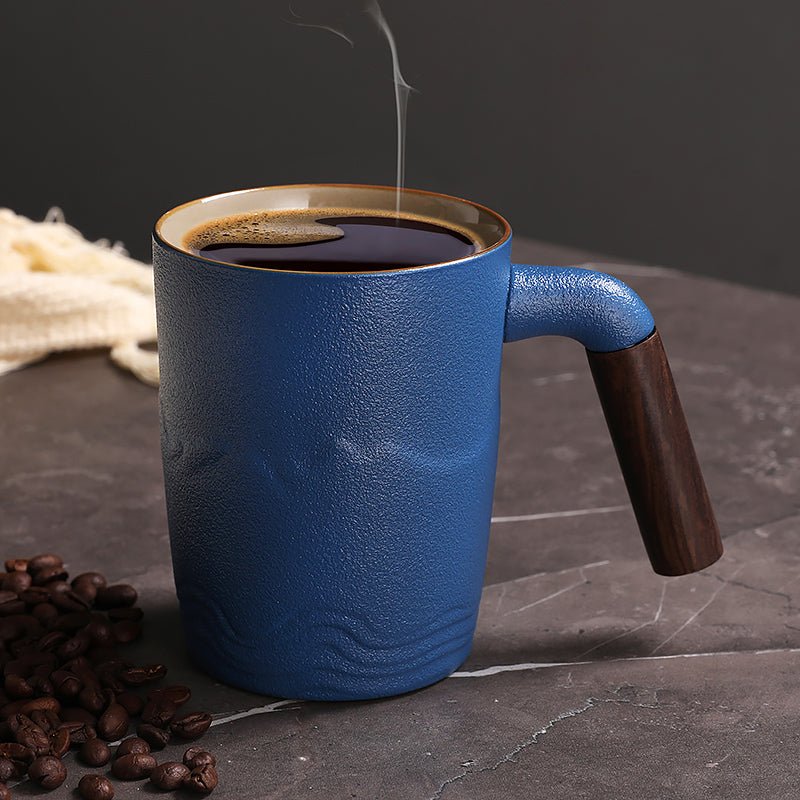
Giant Ceramic Coffee Mugs: What to Check Before You Buy
A giant ceramic mug should feel solid in the hand, fit your space, and clean up without fuss. Here is how we compare shape, comfort, heat retention, and daily use before we stock a mug in our store.
Подробнее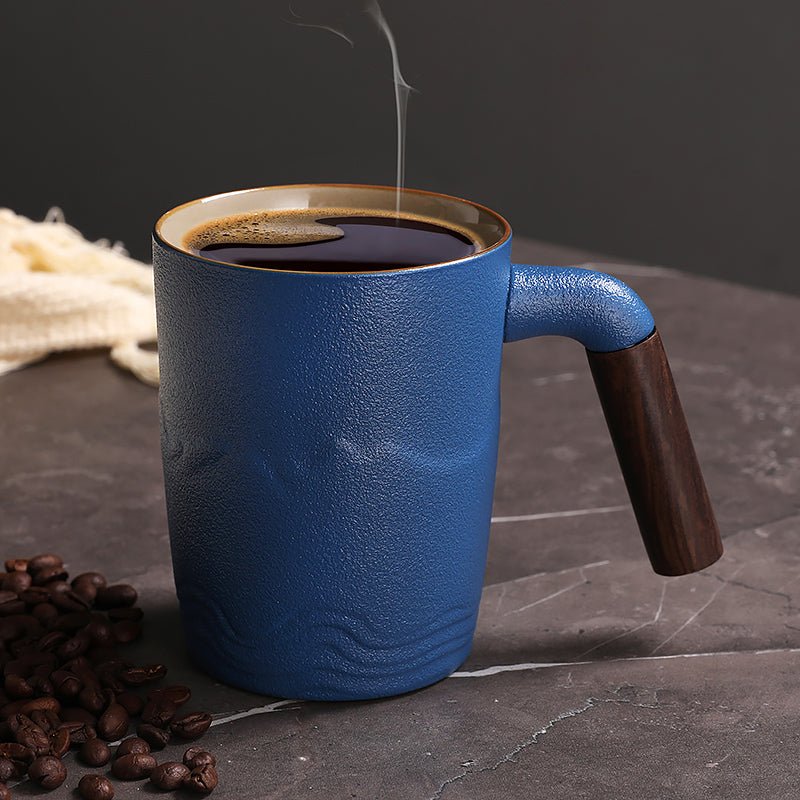
Polish Pottery Coffee Mug: How to Choose the Right One
A polished pottery mug should feel good in the hand, hold the right amount for your routine, and clean up without fuss. We break down the trade-offs shoppers actually run into before they buy.
Подробнее
Оставить комментарий
Этот веб-сайт защищается hCaptcha. Применяются Политика конфиденциальности и Условия использования hCaptcha.