
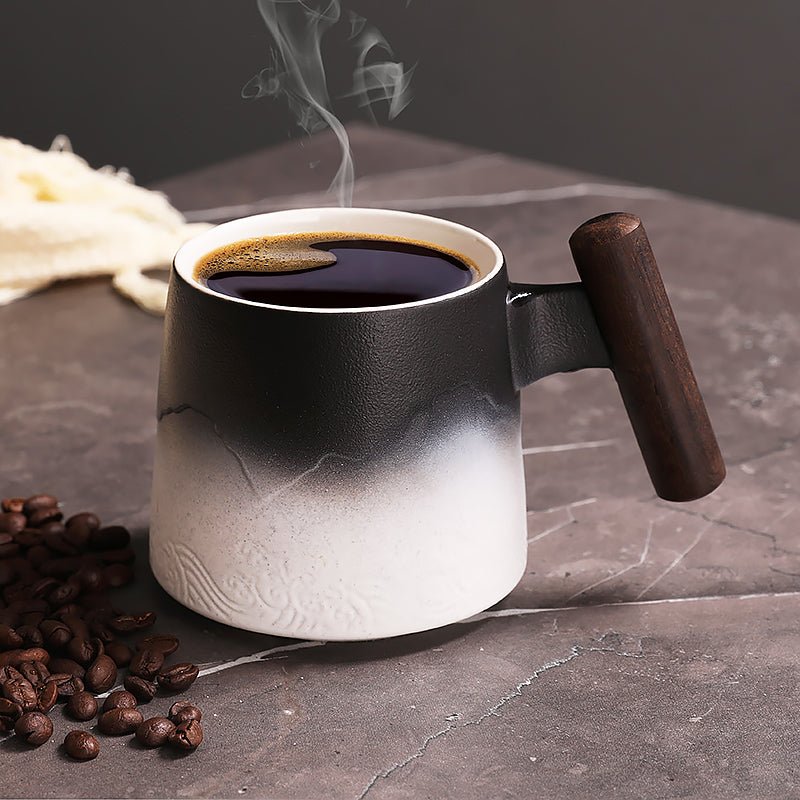
Mikasa Coffee Mugs: Size, Material, and Buying Guide
Reading time: about 9 minutes
A mug can look right in a product photo and still feel wrong the first morning you use it. The handle pinches, the cup sits too tall for the machine, or the glaze looks better under studio lights than it does on a real kitchen counter.
Mikasa coffee mugs tend to attract buyers who want a cleaner, more polished look without giving up everyday function. In our store, we look at mugs the way customers actually use them: beside the coffee maker at home, on an office desk, or in a gift box that needs to feel worthwhile the moment it is opened. If you want to compare what we stock now, start with our products page or browse the full collection while you read.
What should you check before buying Mikasa coffee mugs?
We usually start with the part most shoppers skip: how the mug feels in the hand after five minutes, not just how it looks on a shelf. A good mug should feel stable on the counter, comfortable to lift with two fingers through the handle, and easy to rinse or load into a dishwasher without awkward angles.
For Mikasa coffee mugs, the practical checks are the same ones we use for any daily-use mug, but they matter more when you are buying for a specific routine. A slightly wider body can be better for latte foam or milk, while a narrower mug often fits under more coffee machines and takes up less cabinet space.
- Capacity: Check the usable fill level, not just the printed ounce size.
- Handle clearance: Make sure two fingers fit comfortably without scraping the mug wall.
- Base stability: A flat, even foot ring helps prevent wobble on stone counters and office desks.
- Finish: Glossy glaze is easy to wipe clean, but decorative decals can wear faster in repeated dishwasher cycles.
If you are still deciding by size, our guides on 12 oz Coffee Mugs: What to Check Before You Buy and 14 Ounce Coffee Mugs: Size, Fit, and Buying Guide are useful starting points. For larger daily cups, see 16 Ounce Coffee Mugs: Size, Materials, and Fit Guide.
Which size fits your drink routine best?
Size is where many buyers end up disappointed. A mug labeled 16 ounces does not always feel like a 16-ounce serving in practice, because the rim shape, wall thickness, and handle position change the usable volume. That matters if you drink drip coffee with milk, tea, or a longer pour that needs room for foam.
| Size | Best for | Trade-off |
|---|---|---|
| 12 oz | Standard drip coffee, smaller hands, and a cleaner cabinet footprint | Can feel tight if you add milk or like a large top-off |
| 14 oz | Daily coffee with a little extra room, tea, and balanced desk use | Slightly heavier than a compact mug |
| 16 oz | Latte-style drinks, long work sessions, and people who refill less often | Takes more shelf space and may not fit every brewer |
| 20 oz | Big coffee pours, soup-adjacent use, or buyers who want a single large cup | Can feel bulky, and it is not the best fit for small cabinets or compact machines |
Our practical advice is simple: buy the smallest mug that still fits how you actually drink coffee. If you regularly finish a full mug before it cools, a 12 oz or 14 oz piece usually feels better in the hand. If you sip slowly at a desk, 16 oz can make more sense, but only if the added weight does not bother you.
For shoppers leaning smaller, our 8 Ounce Coffee Mugs: What Buyers Should Check Before Ordering and 8 oz Coffee Mugs: Size, Material, and Fit Guide posts cover the trade-offs that smaller cups bring.
Does the material make a difference in daily use?
Yes, and it shows up faster than most people expect. Material affects how warm the mug feels in your hand, how quickly the drink cools, and how likely the mug is to chip at the rim or around the base when it is stacked and moved around.
Many mugs in this category use ceramic-bodied construction, but the feel changes by line and finish. A smoother porcelain-style mug usually feels a bit lighter and more refined. A stoneware-style mug tends to feel heavier and more grounded, which some buyers love for a kitchen setting and some find too dense for everyday office use.
- Porcelain: Often smoother and lighter; a good pick if you want a cleaner table setting and a more formal look.
- Stoneware: Usually heavier and better at holding heat; a better fit for home kitchens than for a commute or carry-around setup.
- Bone china-style pieces: Typically lighter in feel, but not ideal if you want a rugged mug that gets knocked around often.
Care matters as much as material. If a mug is advertised as dishwasher safe, we still recommend checking the decoration and finish. Printed designs, metallic accents, and very glossy surfaces can show wear differently after repeated wash cycles. If you use a microwave often, avoid any mug with metallic trim or unclear care instructions.
What flaws or trade-offs should you watch for?
Good mugs are not flawless by default. We inspect for the same issues customers notice at home: a handle that sits slightly crooked, a base that rocks on the counter, or a glaze line that feels rough where your lip meets the rim. Those are small details, but they affect daily use more than a pretty pattern does.
Here is where Mikasa coffee mugs, like most decorative daily mugs, can be a mixed bag. A more polished finish may look better for gifting, but it can also show tea staining around the rim more easily. A thicker wall can improve heat retention, but it also adds weight. If you are buying for a person with smaller hands, a large mug can become annoying after the first few refills.
- Hairline glaze crazing: Fine lines in the glaze can show up after repeated temperature changes.
- Chipped rims: The most common wear point when mugs are stacked or handled carelessly.
- Uneven foot rings: A slightly raised or rough base can make the mug feel unstable on hard surfaces.
- Decal wear: Decorative prints can fade or dull faster than plain glazed mugs.
If you want something ultralight for commuting, this is not the right category. A ceramic mug is a desk or kitchen item, not a travel vessel. For travel, an insulated tumbler is the better tool. For a polished countertop mug, though, a well-made ceramic piece still does the job better than a lot of trendy alternatives.
Which Mikasa coffee mugs work best for gifts, office desks, and daily kitchen use?
The best mug for one setting can be the wrong mug for another. We see this all the time in gift buying: people pick a beautiful mug that looks great in the box, then realize it is too large for a standard drip setup or too delicate for daily dishwasher use.
Use case matters. A good office mug should be stable, easy to clean, and not so oversized that it dominates the desk. A gift mug should look finished from all angles, with a handle shape that feels intentional rather than generic. A daily kitchen mug needs to survive the real routine: coffee maker, sink, dishwasher, stack, repeat.
- For gifting: Choose a neutral pattern, a medium capacity, and a finish that looks good under warm indoor light.
- For office use: Prioritize handle comfort, a flat base, and a size that fits under a coffee machine or water dispenser.
- For daily home use: Pick the size you will reach for automatically, not the one that looks largest on the shelf.
- For entertaining: Matching mugs can look clean on a table, but make sure they are comfortable enough for repeat use, not just display.
If you are comparing larger everyday mugs, our 20 Ounce Coffee Mugs: What Buyers Should Check Before Ordering article is worth reading before you buy. Bigger is not always better, especially if cabinet height and brewer clearance are tight.
How do Mikasa coffee mugs compare with other sizes?
The cleanest way to compare mugs is to work backward from the drink you make most often. A standard drip coffee drinker usually does better with a 12 oz or 14 oz mug. Someone who adds milk, makes tea, or likes a slower sip often ends up happier with 16 oz. A 20 oz mug only makes sense if you truly use the extra room and do not mind the bulk.
We also tell shoppers to think about washing and storage, not just capacity. A mug that is technically a good size but awkward to stack will become the one you stop reaching for. The best purchase is the one that disappears into your routine and still feels good a month later.
Quick buying check: if the mug is for daily use, choose comfort and size first, then pattern. If it is for display or gifting, the reverse can make sense, but only if the handle and base are still practical.
That is the standard we use for our own product selection, too. We want mugs that can handle the sink, the cabinet, and the second cup without becoming fussy.
Frequently asked questions
Are Mikasa coffee mugs dishwasher safe?
Some are, but not every line uses the same finish or decoration. We recommend checking the care note on the specific mug before you buy, especially if the design includes printed details or decorative accents. Even when a mug is dishwasher safe, gentle placement on the top rack usually helps it last longer.
Are Mikasa coffee mugs microwave safe?
Many ceramic mugs are microwave safe, but you should confirm the exact product details first. Any metallic trim, foil-style accent, or unclear care label is a reason to skip the microwave. If you reheat coffee often, a plain ceramic mug with clear care guidance is the safer choice.
What size Mikasa coffee mug is best for latte drinks?
For lattes, a 14 oz or 16 oz mug usually gives you enough room for espresso and milk without feeling cramped. A 12 oz mug can work for smaller drinks, but it leaves less buffer for foam. If you like generous pours, a 16 oz mug is the more practical option.
Do Mikasa coffee mugs make a good gift?
Yes, if you choose a style that feels neutral and easy to use. The best gift mugs are the ones that do not rely only on decoration; they should have a comfortable handle, a balanced base, and a size the recipient can use every day. Packaging also matters because a mug feels more intentional when it arrives well presented.
What should I avoid if I want a mug for everyday desk use?
Avoid oversized mugs that are hard to lift when full, and avoid narrow handles that crowd the fingers. Highly decorative finishes can also be less forgiving on a busy desk because they show wear more quickly. For desk use, comfort and stability beat novelty every time.
If you want the next step, compare your preferred size against the checklist above, then move to the collection that matches your routine. Our full collection is the fastest place to narrow down the right Mikasa coffee mugs for kitchen, office, or gifting use.
More from our blog
Read more
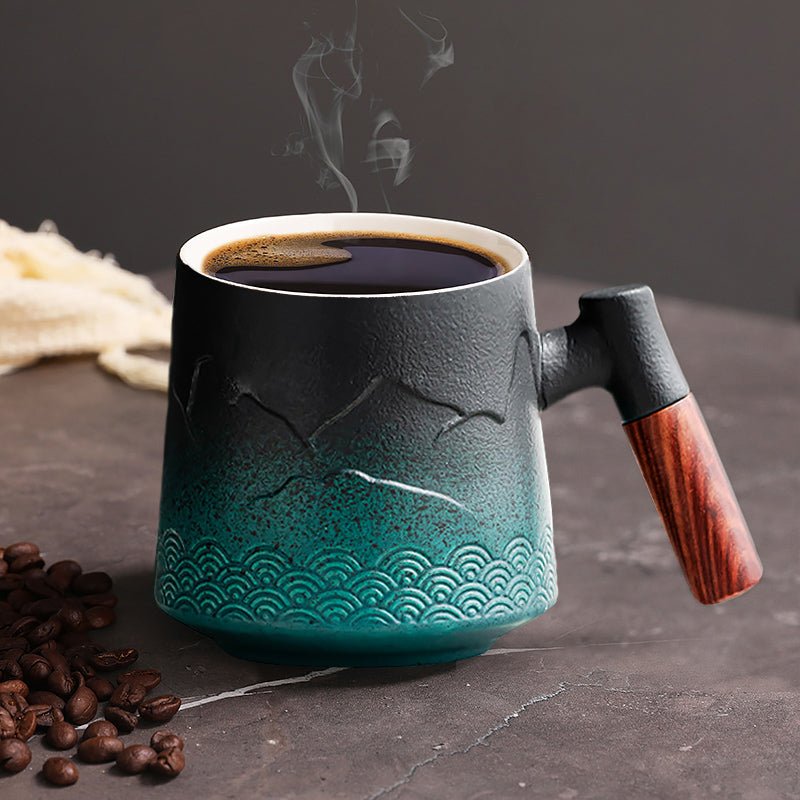
Insulated Coffee Mug with Lid: What Buyers Should Check Before Ordering
A practical buyer’s guide to insulated coffee mug with lid options, focused on lid seal, insulation performance, materials, and cleanup. Use it to compare styles before you pick a mug for your desk...
Подробнее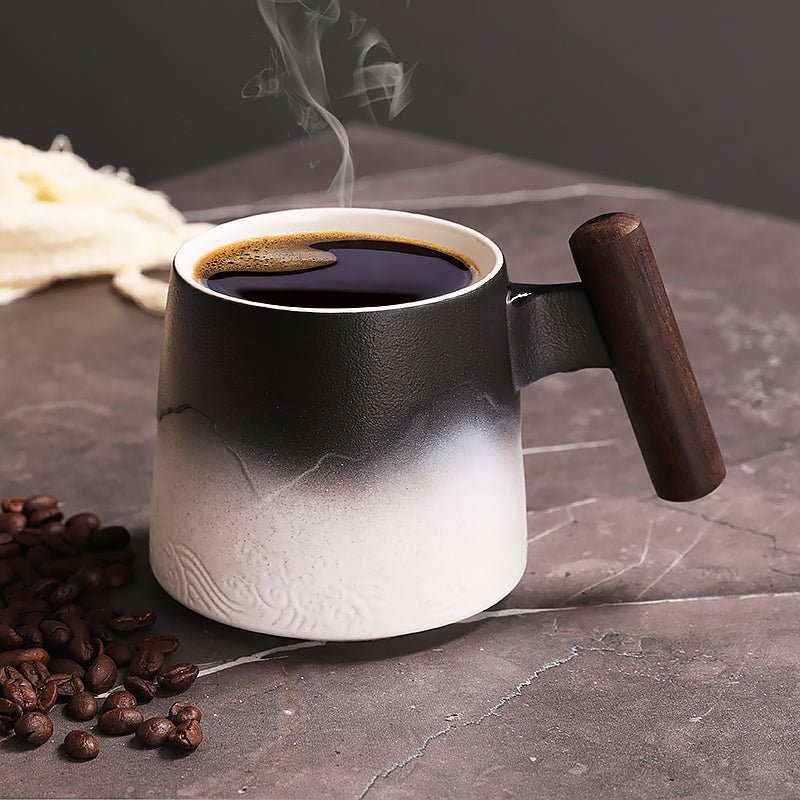
Stacked Coffee Mugs: What to Check Before You Buy
Stacked coffee mugs save cabinet space, but the wrong shape can wobble, chip, or feel awkward to use. This guide covers the materials, sizes, and stack details we check before we sell them.
Подробнее
Оставить комментарий
Этот веб-сайт защищается hCaptcha. Применяются Политика конфиденциальности и Условия использования hCaptcha.