
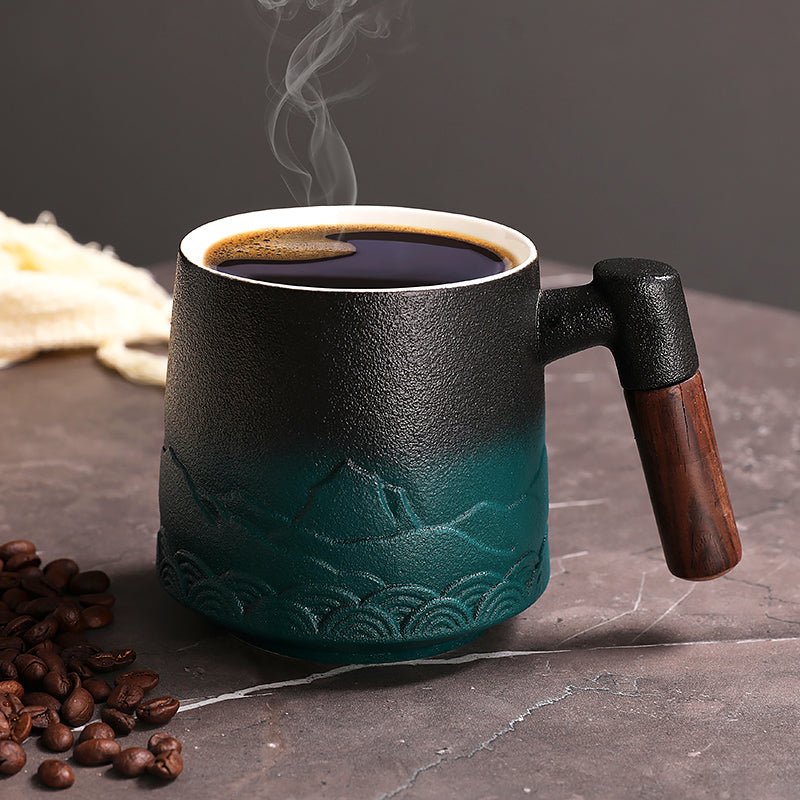
Masters Coffee Mug Buying Guide for Size, Shape, and Everyday Use
Reading time: about 9 minutes
A mug sits on a counter a lot longer than most buyers expect. We see it at the office desk during the first cup, on the kitchen counter after dinner, and in a gift box when someone is trying to avoid a generic present. That is why a masters coffee mug should do more than carry coffee. It should feel stable in the hand, rinse clean without fuss, and match the way you actually drink.
If you want a handled option with a more sculpted feel, start with the Ball Handled Coffee Tea Mug. If you prefer a slightly dressier profile, the Pleated Coffee Tea Cup is worth a look.
We also keep the broader full collection handy when shoppers want to compare shapes side by side instead of guessing from a single product photo.
What should a masters coffee mug feel like in hand?
The first thing we check is not the pattern. It is the grip. A mug that looks good on a listing can still be awkward at a kitchen counter if the handle is too tight, the rim feels sharp, or the base rocks on a flat table. In our store, we think about the mug the way a buyer will actually use it: one hand on the handle, the other opening a laptop, a spoon, or a breakfast plate.
A good masters coffee mug usually gets three things right:
- Handle clearance: your fingers should fit without touching the mug wall.
- Rim feel: the drinking edge should feel smooth, not overly thick or chalky.
- Base stability: the mug should sit flat on a desk or tray without wobble.
That last point matters more than people think. A mug that shifts slightly on a glossy desk can feel cheap even if the finish is attractive. The same goes for a handle that looks decorative but pinches the knuckles when the mug is full.
If you are buying for a gift, a comfortable grip matters even more. The person unboxing it may not know the weight yet, so the shape has to communicate quality before the first sip. That is why we look closely at how the mug is joined, how the handle flows into the body, and whether the proportions feel balanced from every angle.
Which shape works best for daily coffee, tea, or display?
Shape changes the whole experience. A cup with a lighter profile can feel elegant for tea, while a more substantial handled mug feels better for desk coffee or a second pour after breakfast. The right choice depends on where it will live most of the time: cabinet shelf, office desk, gift shelf, or daily dishwasher rotation.
| Option | Best for | Trade-off |
|---|---|---|
| Ball Handled Coffee Tea Mug | Everyday coffee, easy grip, practical desk use | More sculptural than plain mugs, so it may not stack as neatly |
| Pleated Coffee Tea Cup | Tea service, lighter pours, gift-ready presentation | Cup-style shapes can feel less insulating than a thicker mug |
| Golden Waves Kio Coffee Tea Mug | Counter display, a more decorative look, presentable gifting | Decorative styling is not ideal if you want the most minimal utilitarian mug |
If you want a more detailed look at capacity before choosing shape, our size guides can help. We often point buyers to 10 oz Coffee Mug: Size, Fit, and What to Check Before You Buy, 11 oz Coffee Mug: Size, Fit, and What to Check Before You Buy, and 12 Ounce Coffee Mug Buying Guide for Daily Use and Better Fit when customers are deciding between compact, standard, and roomier drinkware.
Those guides are useful because size changes more than volume. It changes heat retention, how much room you have for milk, and whether the mug feels right for a short espresso-style pour or a longer tea session.
What size should you buy for your routine?
Most shoppers start by asking for a category name and end by comparing capacity. That is the right order. A masters coffee mug that looks beautiful on a product page can still frustrate you if it is too small for your usual pour or too large to feel comfortable with a lighter drink.
Here is the practical way we break it down in our store:
- 10 oz: better if you drink smaller portions, black coffee, or tea and do not want a lot of empty space above the liquid.
- 11 oz: a common middle ground for daily coffee drinkers who want a standard feel without a bulky cup.
- 12 oz: useful if you like more room for milk, cream, or a tea bag without filling the cup to the edge.
Capacity also affects the way a mug lives on a desk. A smaller mug is easier to move around crowded workspaces and less likely to feel top-heavy. A larger mug can be better for long reading sessions, but it may be more than you need if you only drink one modest cup in the morning. If your drink is usually topped off with cream or foam, go larger than you think. If you want a neat, compact daily mug, do not buy oversized just because it sounds safer.
We have seen the most regret from shoppers who choose on looks alone and then discover they wanted more room for milk or less bulk in the hand. That is why capacity deserves the same attention as glaze or pattern.
What details usually separate a good mug from a bad one?
This is where experience matters. A mug can photograph well and still have small problems that show up the first week in a real kitchen. We inspect for the little things because those are what buyers feel at 7 a.m. with one hand and a hot drink in the other.
- Rim thickness: a clean, even rim makes each sip feel better. Too thick feels clumsy. Too thin can chip more easily if handled roughly.
- Handle join: look for a smooth connection between handle and body. A rough seam can catch the fingers and feels unfinished.
- Foot ring or base: a flat, steady base matters on glass desks, stone counters, and dish racks.
- Glaze consistency: even glaze coverage reduces the chance of rough spots, dull patches, or staining lines over time.
- Common defect modes: hairline cracks, pinholes in the glaze, handle asymmetry, and a mug that rocks slightly on a flat surface.
For day-to-day use, we also pay attention to how a mug handles washing. If you plan to use it every day, choose a style that looks good after repeated dishwasher cycles and does not rely on fragile decorative edges for its appeal. A mug that only works as shelf decor is not a great daily buy.
And if a mug has metallic accents, do not assume it belongs in the microwave. Check the product details first. That one step prevents a lot of avoidable problems.
What is this mug not a good fit for?
Trust matters more than hype here. A masters coffee mug is not the right choice for every buyer, and pretending otherwise helps nobody.
It is not the best pick if you want:
- A large insulated travel mug that keeps coffee hot through a commute.
- A heavy-duty bottle for car cup holders or on-the-go drinking.
- A massive 16 oz-plus vessel for oversized lattes and milk-heavy drinks.
- A purely utilitarian cup with no decorative detail at all.
That does not make the mug worse. It just means the use case matters. For a kitchen counter, a gift box, or a desk that needs a nicer-looking daily mug, a ceramic coffee or tea mug is often the better choice. For a commute, travel insulation wins. For oversized drinks, go up in capacity or pick a different style entirely.
Another limitation to keep in mind: sculptural mugs can be harder to stack in narrow cabinets. If your shelf space is tight, measure before you buy. A good-looking mug that does not fit your storage setup becomes annoying fast.
How do we pick the best option in our store?
We start with use, then narrow by shape. That is the same process we recommend to customers who want a masters coffee mug without overthinking it.
- Choose the Ball Handled Coffee Tea Mug if you want a handled mug that feels grounded, practical, and easy to reach for every morning.
- Choose the Pleated Coffee Tea Cup if you want a lighter visual profile and something that feels especially good for tea service or gifting.
- Choose the Golden Waves Kio Coffee Tea Mug if you want a more decorative piece that still belongs in a real kitchen, not just on a display shelf.
Our team looks at how the mug performs on a counter, in a dishwasher rack, and in a gift unboxing. That last part matters more than it sounds. A good mug should make sense the moment someone lifts the lid, not after a long explanation.
If you are still deciding, the safest next step is to compare the full range in the collection and then read the size guides alongside the product photos. That gives you a better read on fit than a single image ever will.
Frequently asked questions
Is a masters coffee mug a good gift?
Yes, if you choose a shape that feels comfortable in the hand and matches the recipient's routine. A gift mug works best when it looks polished but still feels practical enough for everyday use. If the person drinks tea as often as coffee, a cup-style option can be a better fit than a heavy mug.
What size masters coffee mug should I buy?
For most daily coffee drinkers, 11 oz is the safest middle ground. Choose 10 oz if you prefer smaller pours or a more compact feel, and choose 12 oz if you usually add milk, cream, or tea with room to spare. Size matters more than people expect once the mug is on a desk or in a cabinet.
Can I use a ceramic coffee mug in the microwave and dishwasher?
Often yes, but not always. Check the specific product details before you assume it is microwave-safe, especially if the mug has metallic decoration or a specialty finish. Repeated dishwasher use is usually fine for sturdier everyday mugs, but delicate decorative pieces deserve a little more care.
Which mug shape is better for coffee: a mug or a cup?
A mug is usually better if you want a more substantial grip and a daily desk feel. A cup can be nicer for tea or a lighter serving style. The better choice depends on how much you drink, how warm you want it to stay, and whether you care more about comfort or presentation.
What should I check before buying a masters coffee mug online?
Check the capacity, handle clearance, base stability, and care instructions. Also look for signs of a smooth glaze, even rim, and a handle that looks large enough for your fingers. Those details tell you more about real use than the product photo alone.
If you want the most practical next step, compare handle comfort, capacity, and finish, then open the full collection and pick the mug that matches your daily pour, not just the photo.
Read more
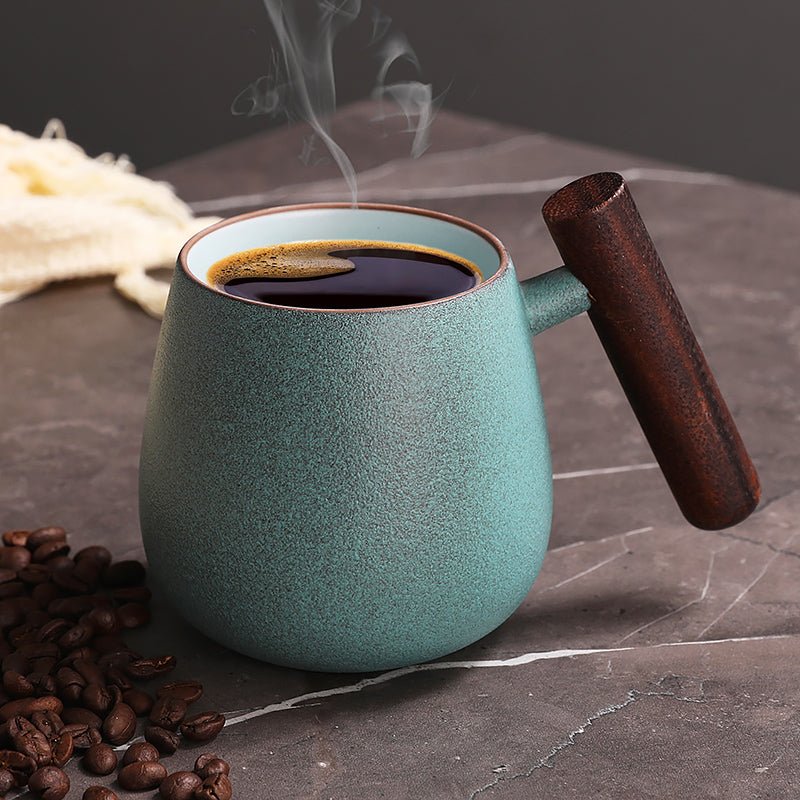
Princess House Coffee Mugs: What Buyers Should Check Before Ordering
A practical buyer guide for comparing princess house coffee mugs, from everyday handling to gift-worthy presentation. We cover what to check, what to avoid, and which mug style fits real kitchen use.
Подробнее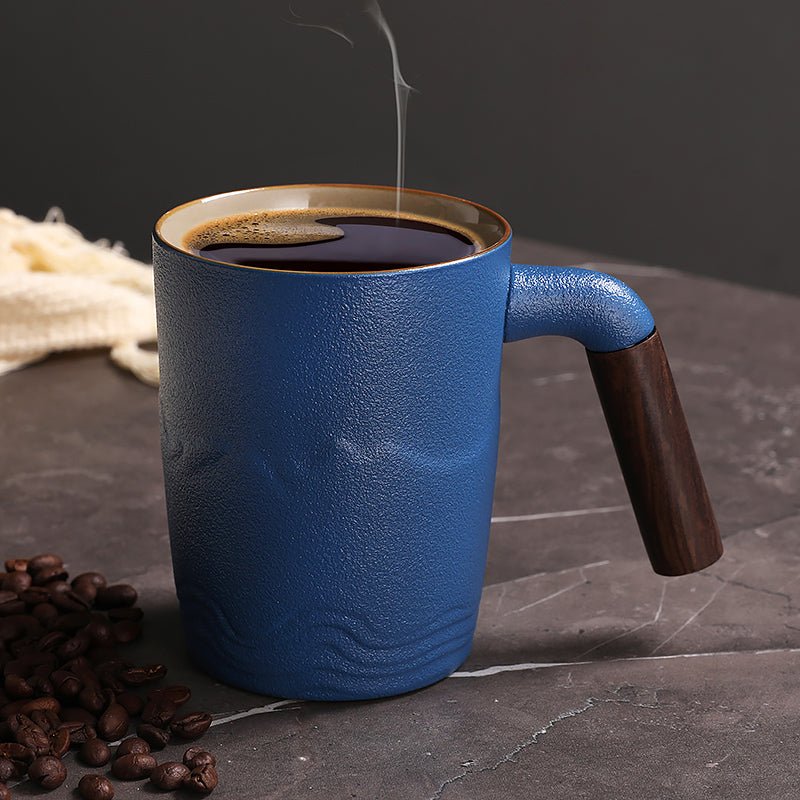
Toilet Coffee Mug Buying Guide: What to Check Before You Buy
A toilet coffee mug can be a funny gift or a desk piece, but the details matter. We cover size, material, cleaning, and when a simpler mug is the better buy.
Подробнее
Оставить комментарий
Этот веб-сайт защищается hCaptcha. Применяются Политика конфиденциальности и Условия использования hCaptcha.