
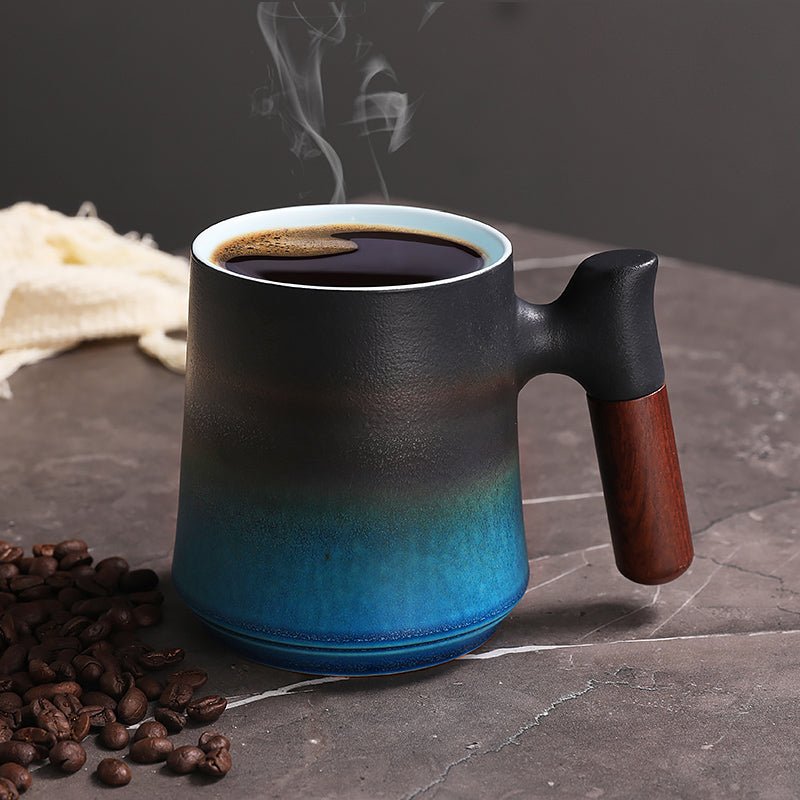
Made in USA Coffee Mugs: What Buyers Should Check Before Ordering
Reading time: about 9 minutes
The first thing most shoppers notice is not the origin label. It is the handle. If a mug feels awkward on a kitchen counter at 7 a.m. or tips too easily on an office desk, the country of origin matters less than the build.
That is why we treat made in usa coffee mugs as a practical buying decision, not a slogan. In our store, we look at the same details buyers feel every day: how the mug sits in the hand, whether the glaze is smooth at the rim, how the base lands on a table, and whether the size actually fits the coffee you drink.
What should you check first on a made in USA coffee mug?
Start with the facts that affect daily use. A mug can be labeled for U.S. production and still vary a lot in finish, weight, and comfort. The first question is simple: what exactly was made in the U.S., and what does the seller mean by that claim?
We recommend checking these points before you buy:
- Body material: ceramic, stoneware, or porcelain each feel different in the hand and behave differently in the dishwasher.
- Size: an 11 oz mug suits a standard drip coffee; 15 oz works better if you pour large home cups or like extra milk.
- Handle clearance: if your fingers touch the mug body while gripping the handle, the mug will feel hot sooner and less secure.
- Glaze quality: smooth glazing at the rim and inside wall matters more than a glossy product photo.
- Care instructions: only treat a mug as dishwasher or microwave safe if the maker says so.
If you want a deeper buying checklist, we cover the same practical questions in Made in USA Coffee Mug: What Buyers Should Check Before Ordering.
Which mug material holds up best for daily use?
Material affects weight, heat retention, and how forgiving the mug is if it gets moved around a busy kitchen. For shoppers comparing made in usa coffee mugs, the body material is usually the biggest comfort difference after size.
| Material | What it feels like | Trade-offs | Best use |
|---|---|---|---|
| Stoneware | Heavier, sturdy, warm in the hand | Can chip on the rim or foot if stacked carelessly | Daily home use, slower sipping |
| Porcelain | Lighter, smoother, more refined | Can feel more delicate if knocked against a sink or mug tree | Desk use, gifting, cleaner presentation |
| Ceramic | Broad category, often balanced in weight | Quality varies widely by firing and glaze | General everyday drinking |
| Insulated steel | Rugged and travel friendly | Not the same drinking feel as a classic mug | Commute, outdoor use, spill-prone settings |
For coffee on a kitchen counter, stoneware and ceramic usually give the most familiar mug feel. Porcelain is a better pick if you want a lighter cup with a cleaner look. Stainless steel belongs in a different category entirely. It is useful, but it is not the right answer if you want the ritual of a classic mug at a breakfast table.
The trade-off is heat behavior. Thicker mugs tend to hold warmth longer, but they also feel heavier and can be less comfortable if you prefer a light, one-handed pour. Thin mugs feel elegant, but they cool faster and can be less durable if they are bumped often.
How do size and shape change the drinking experience?
Size is not cosmetic. It changes how fast the coffee cools, how much room you have for cream, and whether the mug feels balanced when full. Many buyers default to a larger mug because it seems safer, but oversized mugs are not always more comfortable.
Here is how we usually frame the choice:
- 8 oz to 10 oz: best for smaller pours, espresso drinks, or people who do not want coffee sitting open too long.
- 11 oz: the standard everyday size for drip coffee and a practical middle ground for most kitchens.
- 15 oz and up: useful for long mornings, large pours, or anyone who adds milk, foam, or extra water.
Shape matters just as much. A wide mouth cools more quickly, which is helpful if you like drinking right away. A narrower opening helps retain heat longer and can feel more controlled on a desk. A mug with a wide base sits more securely on uneven counters. A tall, narrow body can look elegant but may feel top-heavy when filled near the rim.
If you are comparing shapes before you settle on a size, our product pages are a useful place to start. The The Gradient Coffee Tea Mug, Retro Coffee Tea Cup, and Ball Handled Coffee Tea Mug each show a different handle and silhouette, which helps when you are deciding what feels right in the hand rather than just what looks good in a photo.
To see the full range in one place, browse our all collection.
What flaws show up after a few dishwasher cycles?
This is where buyers get more value from a careful inspection than from a polished listing. We see the same few problem modes come up again and again in mug shopping, especially when a shopper plans to use the mug every day instead of leaving it on a shelf.
- Hairline cracks near the handle join: often hard to spot in product photos, but they matter because they can spread with use.
- Pinholes in the glaze: tiny marks on the surface that can trap residue and make cleaning less pleasant.
- Crazing: fine lines in the glaze that can appear after repeated heat changes or rough washing.
- Wobbly feet: a mug that rocks slightly on a flat table becomes annoying fast on a desk or side table.
- Rim wear or decal fade: a problem if the mug has a printed design that should stay crisp after many cycles.
Dishwasher use is a good stress test, but only if the mug is actually rated for it. Some mugs survive the cycle fine and still develop a dull look over time. Others stay bright but pick up small scratches on the base from stacking. The point is not to avoid washing. The point is to know what the finish will look like after real use.
Our team pays attention to the same things shoppers notice after the first week: does the mug still sit flat, does the handle stay comfortable, and does the glaze still look even under kitchen light?
Which mug works best for home, office, and gifting?
The right mug depends on where it will live. A kitchen mug, a desk mug, and a gift mug do not need the same build.
For home kitchens
Choose a mug with a stable base, an easy-to-clean glaze, and enough thickness to hold heat through a second pour. Stoneware often makes sense here. It feels substantial on a counter and usually handles repeated dishwasher use well when the maker designs it for that purpose.
For office desks
Look for a mug that is not too wide at the top and not too heavy when full. A lighter porcelain or balanced ceramic body can work better around laptops, notebooks, and crowded desks. A mug that is too broad can feel exposed and cool too fast between meetings.
For gifts
Presentation matters, but so does comfort. We like mugs that look intentional without being fragile. A clean rim, a neat handle join, and a glaze that is even in daylight make a mug feel considered when it comes out of the box. A sculptural handle can be attractive, but it is not always the best choice for someone with larger hands.
We also point buyers to American Made Coffee Mugs: How to Compare Materials, Sizes, and Everyday Use when they want a broader side-by-side view of what changes the drinking experience, not just the origin label.
Not every mug is the best choice for every routine. If you need spill resistance, insulation, or a bag-friendly cup, a travel mug is the better category. A classic made-in-USA mug is usually the right answer for a counter, desk, or gift, not a backpack.
How can you tell if a made in USA coffee mug is worth buying?
We use a short checklist when comparing mugs for our own store and when helping shoppers narrow the field. It keeps the decision grounded in how the mug will actually be used.
- Pick the size first: 11 oz for standard coffee, 15 oz for bigger pours.
- Check the handle: your fingers should fit cleanly without touching the hot body.
- Inspect the base: it should sit flat without a wobble.
- Look at the rim: it should feel smooth, not sharp or uneven.
- Read the care notes: dishwasher and microwave claims should be stated clearly.
- Think about your counter: a mug that works at the kitchen sink may not feel right on a small office desk.
One more practical point: made in USA mugs are not automatically the best match for every buyer. If you want the lightest possible cup, a thin porcelain mug may suit you better than a thick stoneware body. If you want maximum durability for a commute or outdoor use, an insulated travel mug is the better category. If you want a mug that feels steady, familiar, and easy to live with, a well-made ceramic or stoneware mug is usually the right place to start.
If you are still sorting through options, our guide Made in USA Coffee Mug: What to Check Before You Buy is a useful follow-up because it focuses on the exact details that separate a decent mug from one that gets used every day.
Frequently asked questions
Are made in USA coffee mugs dishwasher safe?
Some are, but not all. The safest approach is to follow the maker's care instructions rather than assuming every ceramic mug can handle repeated dishwasher cycles. If a mug has metallic decoration, specialty glaze, or a delicate finish, hand washing may be the better choice.
Is stoneware better than porcelain for daily coffee?
Stoneware is usually heavier and feels more substantial, which many people like for home use. Porcelain is lighter and often feels more refined on a desk or in a gift set. The better choice depends on whether you prefer a sturdier feel or a lighter cup.
What size made in USA coffee mug should I buy?
For most drip coffee drinkers, 11 oz is the safest starting point. If you like bigger pours, milk drinks, or a mug that stays open on the counter for longer stretches, 15 oz can be more comfortable. Smaller sizes make sense if you want a tighter, hotter drink.
How do I know if a mug will chip easily?
Look for the rim, handle join, and foot ring. A mug with a rough finish, thin handle connection, or uneven base is more likely to show wear sooner. Even a good mug can chip if it is stacked carelessly, so the finish and the shape both matter.
Are made in USA coffee mugs good for office use?
Yes, if you pick the right shape. A balanced ceramic or porcelain mug with a comfortable handle works well on a desk because it feels stable and easy to sip from between tasks. Very wide mugs or extra-heavy stoneware pieces can be less practical in tight workspaces.
If you want to compare shapes now, start with our all collection and look for the mug that matches your hand, your counter, and the way you actually drink coffee.
Read more
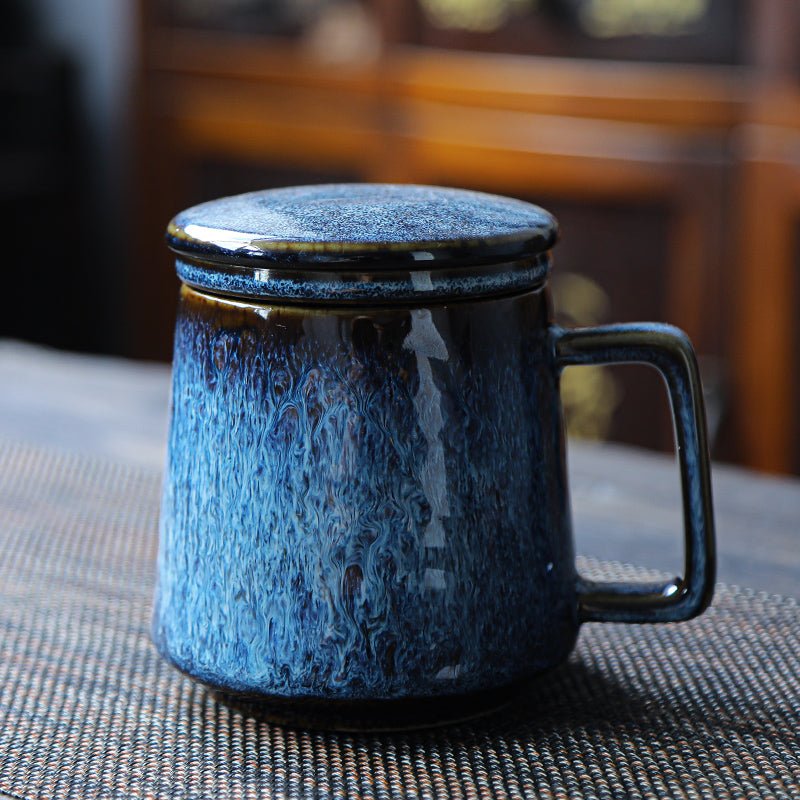
Hawaii Coffee Mug Buying Guide: Sizes, Styles, and Best Picks
A practical guide to choosing a hawaii coffee mug that fits your desk, cabinet, and daily routine. We compare style, size, and care trade-offs so you can pick the right mug with fewer surprises.
Подробнее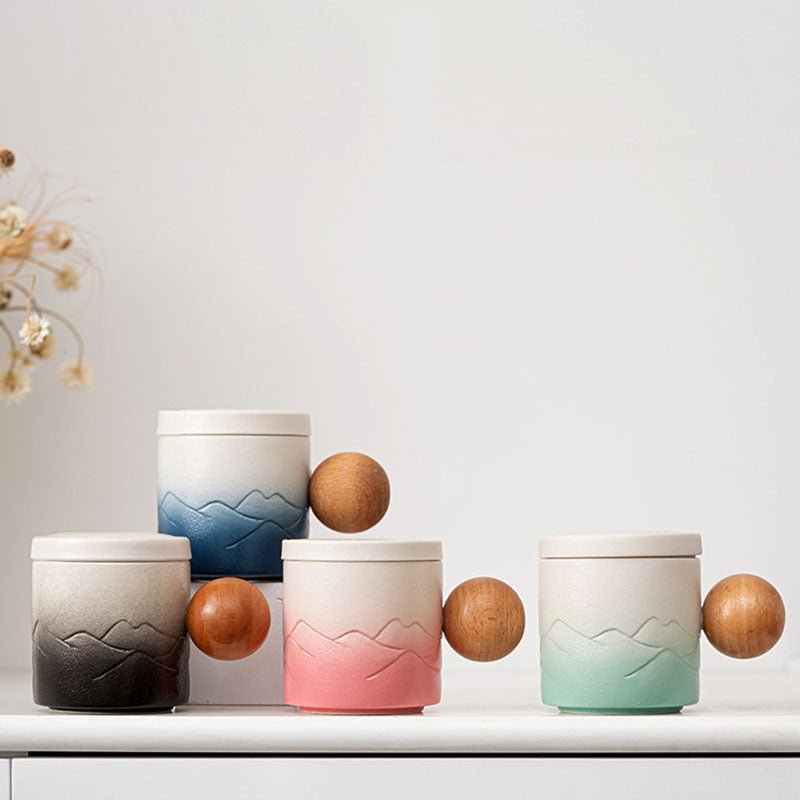
Chihuahua Coffee Mug Buying Guide: Size, Comfort, and Gift Picks
A chihuahua coffee mug should be cute, but it also needs the right size, a comfortable handle, and a finish that survives daily use. We cover the trade-offs we check in our store before a mug earns...
Подробнее
Оставить комментарий
Этот веб-сайт защищается hCaptcha. Применяются Политика конфиденциальности и Условия использования hCaptcha.