

Lead Free Coffee Mugs: What to Check Before You Buy
Reading time: about 9 minutes
What should you check first on lead free coffee mugs?
The first thing we look at is not the color or the handle shape. It is the product page details: material, glaze notes, care instructions, and whether the brand clearly states that the mug is intended for beverage use. That is the practical starting point for shopping lead free coffee mugs without guessing.
In our store, we treat this category the same way a careful buyer does at a kitchen counter or office desk. A mug can look clean and simple on a photo, but the real questions are about what touches the drink, how the finish holds up, and whether the mug is built for the way you actually use it. If you want a quick browse point, our all mugs collection is the broadest place to compare styles side by side.
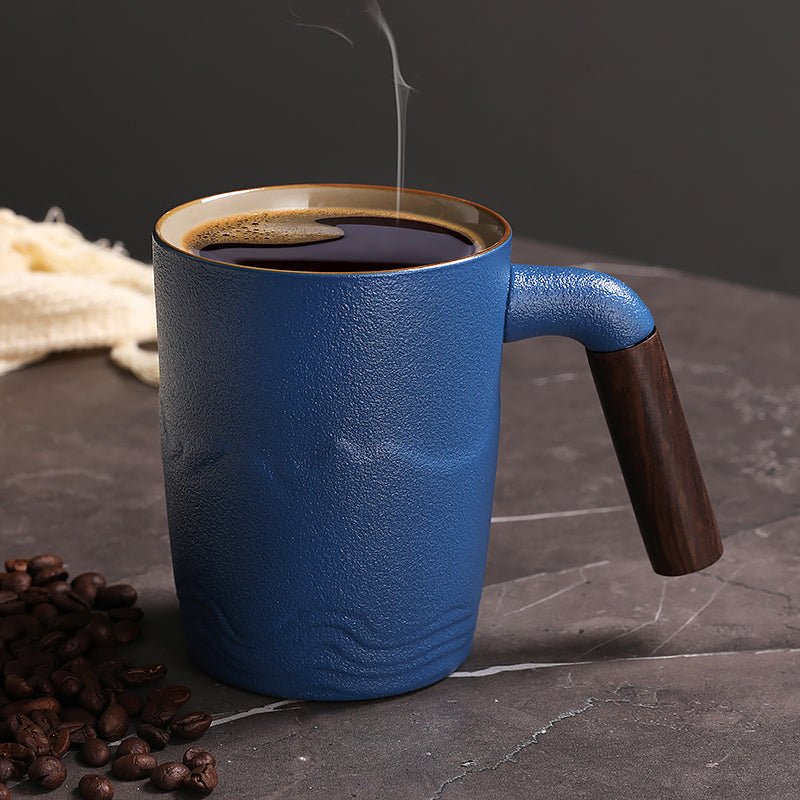
For shoppers who prefer a more visual cup profile, the Gradient Coffee Tea Mug is a useful example of how finish and shape can matter just as much as size. A mug that feels balanced in the hand is often a better daily choice than one that only photographs well.
How do you judge a mug if you care about lead-free materials?
You usually cannot verify a coating from a photo alone, so you have to read closely. We recommend looking for four things on the listing: the base material, the glaze or finish description, the care guidance, and any direct statement from the seller about food-contact use. If any of those are missing, ask before you buy.
There is also a practical limit to what a buyer can infer. A plain ceramic mug with a glossy finish is not automatically safer than a patterned mug, and a printed design is not automatically a problem. What matters is whether the product is made and sold as a drinkware item and whether the seller is transparent about the materials and finish.
- Material: Ceramic, stoneware, porcelain, or glass are the usual categories buyers compare.
- Finish: Look for a fully glazed interior and clear care notes.
- Use case: Daily coffee, desk tea, gift purchase, or espresso-style serving all push you toward different shapes.
- Maintenance: Dishwasher and microwave guidance should be spelled out, not assumed.
Which mug shape fits your daily routine best?
Shape matters more than people expect. A wider mug cools faster and can be easier to clean. A taller mug usually holds heat a little longer and can be better for people who carry coffee from kitchen to desk. A curved handle changes how secure the mug feels during a commute from one room to another.
We see three buying patterns often: office buyers want a stable mug that sits flat under a drip coffee machine, home buyers want something comfortable for two or three refills, and gift shoppers want a mug that feels polished out of the box. For a more classic silhouette, the Retro Coffee Tea Cup gives a different visual and hand-feel than a straight-sided mug. If you prefer a larger, easier-grip handle, the Ball Handled Coffee Tea Mug is a strong comparison point.
| What to compare | Why it matters | Best fit |
|---|---|---|
| Mug opening | Affects heat loss and cleaning access | Daily coffee at home or the office |
| Handle size | Changes comfort with hot drinks | People who want a secure grip |
| Wall thickness | Influences heat retention and feel | Slow drinkers and desk use |
| Overall footprint | Determines cabinet and dishwasher fit | Small kitchens and crowded workspaces |
What sizes make sense for coffee, tea, and office use?
Size is where a lot of buyers make the wrong assumption. A mug that looks compact in a product photo may still hold a full mug of coffee, while a larger mug can feel heavy once filled. That is why our size-focused guides exist, including our article on 12 oz coffee mugs for daily use and our guide to 16 oz coffee mugs for daily use.
For practical shopping, think in terms of routine rather than volume alone. A 12 oz mug usually works well for standard drip coffee or tea without much spill risk. A 14 oz mug gives a little breathing room for milk, oat milk, or room for foam. A 16 oz mug is better if you want one large pour, but it can be too much mug for people who like their drink hot and finished quickly.
- Choose smaller sizes if you drink quickly and want better heat retention.
- Choose mid-size mugs if you add milk or want a flexible everyday cup.
- Choose larger mugs if you refill less often and like a full pour from the start.
What trade-offs come with lead free coffee mugs?
There are trade-offs, and it is better to state them clearly than to gloss over them. A mug that is glazed and food-safe still may not be ideal if you want ultra-lightweight drinkware. A hand-feel that feels substantial on a counter can be tiring if you carry the mug between meetings all morning. Decorative finishes can also show utensil marks faster than plain glazed interiors.
Lead free coffee mugs are not the right answer for every buyer. If you need a mug that is nearly unbreakable, ceramic is not the best category. If you want something for travel bags, a lidded insulated tumbler makes more sense. If you want a mug that stacks tightly in a tiny cabinet, a wide decorative shape may be the wrong fit even if the material is right.
We try to be direct about that because buyers return mugs for the same reasons again and again: the handle feels tight, the mug is heavier than expected, or the footprint takes up too much shelf space. Those are usability issues, not just style issues.
How do we choose mugs in our store for everyday buyers?
In our experience, the best everyday mug is the one that survives real kitchen use without becoming annoying. That means a stable base on a countertop, a handle that does not crowd your knuckles, and a finish that still looks decent after repeated washing. If a mug feels good when it is empty but awkward after a full pour, we do not consider that a win.
We also pay attention to real handling moments that shoppers care about: unboxing a gift, rinsing a mug before the first use, stacking it near a coffee maker, and running it through normal dishwasher cycles. The common failure points are usually practical ones: a handle that is uncomfortable with a full mug, a finish that shows wear too quickly, or a shape that does not sit well on a crowded shelf.
If you want a deeper buying checklist before ordering, our article Lead Free Coffee Mugs: What Buyers Should Check Before Ordering walks through the exact details we suggest checking before checkout.
Which lead free coffee mugs work best as gifts?
Gift buyers need a mug that looks finished from the moment it is opened. That means a shape with visual balance, a finish that looks intentional rather than plain for the sake of being plain, and a size that most people can actually use every day. A mug can be safe and functional, but still feel too utilitarian for gifting if the presentation is awkward.
The best gift mug is also not always the biggest mug. Large mugs can look generous, but they do not suit everyone. A more moderate size is often better for office desks, bedside tea, or someone who drinks one cup at a time. For buyers comparing styles, our full collection is useful because it lets you compare finishes, handle shapes, and silhouettes without jumping between categories.
- Choose a simple shape for a broad gift audience.
- Choose a distinctive handle if you want the mug to feel special.
- Choose a neutral finish if the recipient has an existing kitchen style.
Can these mugs handle everyday cleaning and office use?
That depends on the specific listing and care guidance. We always suggest following the maker's cleaning instructions rather than assuming every ceramic mug behaves the same way. In a real kitchen, a mug has to handle rinsing, stacking, washing, and drying without becoming cloudy, chipped, or annoying to grab.
For office use, one detail matters more than buyers expect: stability on a desk. A mug with a balanced base is less likely to feel tippy next to a laptop or notebook. If you keep coffee at your workstation, a shape that is easy to clean and easy to grip matters more than novelty.
For readers still narrowing down size, the guide on 12 oz coffee mugs: what to check before you buy is a useful companion piece. It is especially helpful if you want a mug that is practical rather than oversized.
Frequently asked questions
How can I tell if a coffee mug is actually lead free?
Start with the product page and look for clear material and care details. A trustworthy seller should describe the mug as a food-use item and explain the glaze, finish, or construction in plain language. If the listing is vague, ask before ordering.
Are ceramic mugs better than glass for everyday coffee?
They serve different needs. Ceramic usually feels more familiar in the hand and can hold heat well enough for daily use, while glass is more visual and often better if you want to see the drink. For most desk and home routines, ceramic is the more forgiving choice.
What mug size is best for one cup a day?
Many buyers are happiest in the 12 oz to 14 oz range because it leaves enough room for coffee or tea without feeling oversized. If you add milk or like a larger pour, 16 oz can work better. The right size depends on how quickly you drink it and how much room you want above the liquid line.
Can lead free coffee mugs go in the dishwasher?
Some can, but not all. Check the care guidance on the product page and follow it closely, especially if the mug has a special finish or printed exterior. If the listing does not specify dishwasher use, wash it by hand until you confirm the recommendation.
What is the safest mug choice if I am buying a gift?
Choose a straightforward ceramic mug with a clear product description, comfortable handle, and balanced size. That combination keeps the mug useful for most people and reduces the chance that the recipient ends up with something too large, too delicate, or too niche for daily use.
If you are comparing options right now, use this short checklist: material listed clearly, glaze or finish explained, size matches the drink you actually make, handle feels comfortable, and care instructions fit your routine. Then compare the styles in our all mugs collection and pick the mug that fits your counter, desk, and dishwasher, not just the one that looks best in the photo.
Read more
Mackenzie Childs Coffee Mugs: Styles, Fit, and What to Check
A practical guide to choosing Mackenzie Childs coffee mugs without guessing. We cover size, handle comfort, care trade-offs, and the checks we make before recommending a decorative mug for daily use.
Подробнее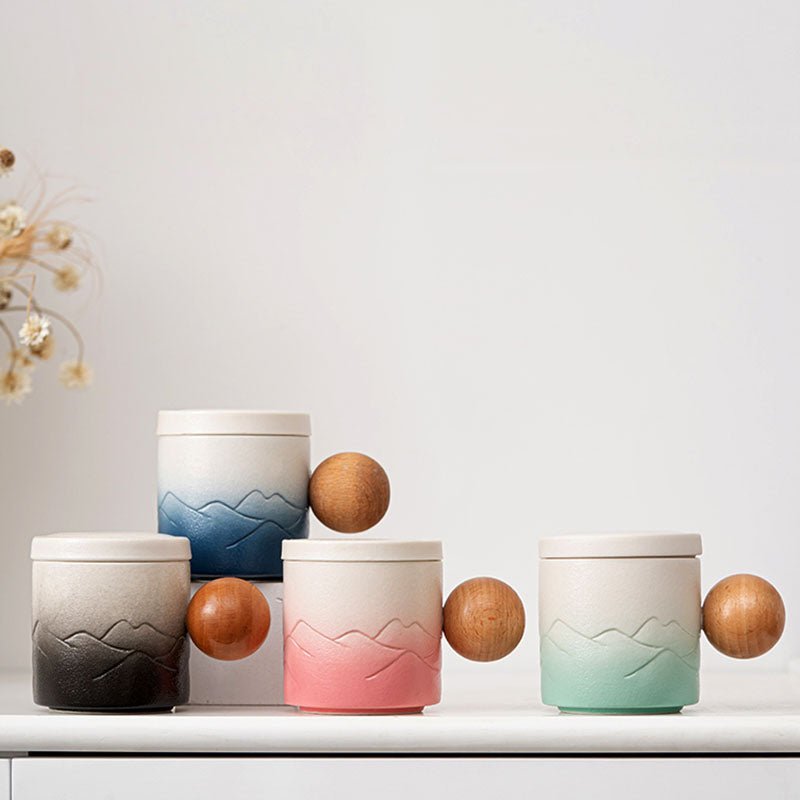
Corgi Coffee Mug Buying Guide for Sizes, Materials, and Gifts
Compare corgi coffee mug sizes, materials, gift fit, and care before you buy. Use the same checks our team uses when we unpack, inspect, and stock mugs.
Подробнее
Оставить комментарий
Этот веб-сайт защищается hCaptcha. Применяются Политика конфиденциальности и Условия использования hCaptcha.