
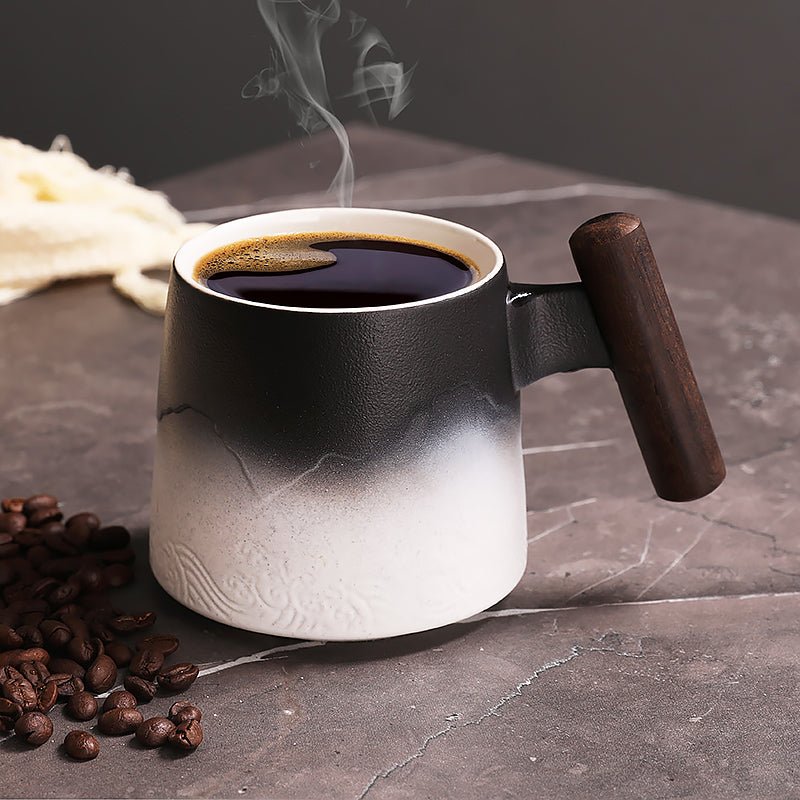
Le Creuset Coffee Mug: What to Check Before You Buy
Reading time: about 8 minutes
A Le Creuset coffee mug usually gets picked up for one reason: it feels substantial in the hand. That same weight can be a plus or a drawback depending on how you drink coffee, where you keep the mug, and whether you want something for a kitchen counter, an office desk, or a gift box.
In our store, we see buyers choose this style when they want a mug that looks polished without feeling fragile. If you want the broad buying checklist first, our guide Coffee Mugs Le Creuset: What Buyers Should Check First covers the initial screening. This article goes deeper into the details that actually change daily use.
What should you look for in a Le Creuset coffee mug?
Start with the shape. A good coffee mug should have a handle you can grip with two or three fingers without touching the cup wall, a base that sits flat, and a rim that does not feel sharp on the lip. With stoneware, weight is part of the deal: it helps the mug feel stable, but it also makes the mug less appealing if you like to carry coffee from room to room.
We tell shoppers to think about how the mug will be used at 7 a.m. on a busy counter, not just how it looks in a product photo. If the mug lives next to a coffee machine, it needs to be easy to grab, easy to rinse, and easy to set down without wobble.
- Handle clearance: enough room for your hand, even when the mug is full.
- Wall thickness: thick enough to hold heat, not so thick that the mug feels bulky.
- Glaze finish: smooth interior surfaces usually clean faster than textured ones.
- Foot ring: a clean base matters if you use a polished table or wood desk.
The wrong mug is usually not broken. It is just mildly annoying every day. That is the real test.
Which size actually fits your routine?
Size is where many buyers miss. A mug that looks ideal online can feel too small for a milk-heavy drink or too large for a straightforward black coffee. If you already know you prefer a compact cup, our 8 oz Coffee Mug: What to Check Before You Buy guide covers the smaller end of the range. If you pour long refills or like room for cream, the 20 oz Coffee Mug: What to Check Before You Buy guide is the better comparison.
| Drink habit | Better fit | What to watch |
|---|---|---|
| Espresso or short coffee | Smaller mug | Too much empty space can cool the drink faster. |
| Drip coffee | Mid-size mug | Check the handle comfort when the mug is full. |
| Milk drinks or long desk sessions | Larger mug | Make sure the cup is not too heavy for repeated use. |
The practical test is simple: the right mug should fit the amount you actually pour, not the amount that looks best on a shelf. A mug that is too small creates spill risk. A mug that is too large can make a normal serving feel underfilled and cool down faster than you want.
If your coffee habit changes through the day, think about the main use case first. Morning drip coffee, afternoon tea, and late-night cocoa do not all need the same capacity.
What material and finish details matter most?
Le Creuset-style mugs are usually bought for their stoneware feel and glazed surface. That combination is good for everyday coffee because it gives you a dense cup that does not feel delicate, and the glaze makes rinsing easier after milk or sweetener. The trade-off is heat: a thicker stoneware mug can stay warm longer, but it can also feel hot in the hand right after a microwave cycle.
Material details matter because they affect how the mug holds up after the first week of use. We check three things closely when a mug arrives at our store or leaves a packing table:
- Rim quality: a smooth, even rim makes the first sip better and reduces the chance of a nick catching your lip.
- Glaze consistency: small variations are normal in handcrafted-looking stoneware, but uneven glaze or pinholes deserve a closer look.
- Bottom finish: a clean base helps avoid scratch marks on counters and tables.
That is also why many shoppers compare this style with a more general everyday mug before buying. Our Best Coffee Mug: What Actually Matters for Daily Use article focuses on the parts people keep noticing after the novelty fades: balance, rim comfort, and how well the mug survives repeated washing.
A glossy glaze is usually easier to keep looking clean after coffee and tea use. A matte or heavily textured finish can look great, but it may show staining, water spotting, or wear in a way that makes some buyers second-guess the finish after a few months.
How does it perform on a real kitchen counter?
This is where the mug either earns its place or gets pushed to the back of the cupboard. A good daily mug should survive dishwasher cycles, sit securely on a crowded counter, and handle the switch between hot coffee and a normal room-temperature sink without drama. That does not mean it is indestructible. Stoneware can chip if it knocks against a metal sink, a faucet, or another mug stacked too tightly.
For daily use, the best mug is rarely the lightest one. It is the mug that pours cleanly, cleans easily, and still feels comfortable after the tenth refill.
Real-world use also reveals fit issues. A deep, heavy mug can feel great at your desk, but less ideal if you need to move it around while cooking breakfast. A broad base is useful on a work surface, yet the same base may make the mug feel clumsy in a small dishwasher rack. That is why buyers who want a travel option should look at a different style entirely. Our Best Coffee Travel Mug: What Shoppers Should Check Before Buying article covers the better choice if the cup needs to leave the house.
In our experience, the most common complaints are not dramatic failures. They are small annoyances: a handle that feels cramped, a mug that is heavier than expected, or a finish that shows water spots if it is air-dried instead of towel-dried. Those are all worth thinking about before you buy, because they affect daily use more than the logo does.
What are the trade-offs versus other mug styles?
A Le Creuset coffee mug is not the best answer for every buyer. It is a strong choice if you want a durable-feeling stoneware mug for home use, but it is not the best fit if your top priority is ultra-light weight, commuting, or cup-holder compatibility. We say that plainly because the wrong mug becomes clutter, even if it looks good on day one.
Here is the simplest comparison we give shoppers who are still deciding:
| Style | Strength | Trade-off | Best use |
|---|---|---|---|
| Stoneware mug | Substantial feel, good heat retention | Heavier in hand | Kitchen counter, office desk, gifting |
| Thin porcelain mug | Lighter, more delicate sip feel | Less insulating feel | Short drinks, formal settings |
| Travel mug | Leak resistance and portability | Less pleasant for slow drinking | Commutes, car rides, outdoor use |
If you are still deciding between a nice-looking mug and one that is actually comfortable to use every morning, our Awesome Coffee Mugs: How to Choose a Mug You’ll Actually Use article is a useful reality check. The point is not to buy the prettiest mug. The point is to buy the one that earns cabinet space.
For shoppers comparing actual inventory, our products page shows the current mug selection, and the full collection is the quickest place to compare options side by side.
Frequently asked questions
Is a Le Creuset coffee mug good for everyday use?
Yes, if you like a heavier stoneware mug with a stable feel and a smooth glazed finish. It works best for home coffee, office desks, and gift purchases. It is not the best pick if you want something very light or travel-friendly.
What size Le Creuset coffee mug should I buy?
Pick the size that matches your usual pour. Smaller cups work better for short coffee and espresso-based drinks, while larger mugs suit drip coffee, milk drinks, or long desk sessions. If you regularly refill, compare against our 20 oz guide before deciding.
How do I care for a stoneware coffee mug?
Wash it according to the specific care label, and avoid sudden temperature changes that can stress stoneware. Let it cool before running cold water over it, and keep an eye out for chips on the rim or base after heavy use. A quick hand-dry helps keep the glaze looking cleaner.
What should I inspect when the mug arrives?
Check the rim, handle, and foot ring first. Those are the areas most likely to show shipping damage or small glaze issues. If the mug feels unbalanced on a flat table, that is a sign to inspect it more closely before regular use.
Is a Le Creuset coffee mug better than a travel mug?
Not for portability. A stoneware mug is better for the kitchen or desk because it is more comfortable to sip from, but a travel mug is the better tool if you commute or drink in the car. If you want spill protection, choose travel first.
If your next step is comparison shopping, start by deciding on size and use case, then move to our products page or browse the full collection for the mug style that fits your routine.
More from our blog
Read more
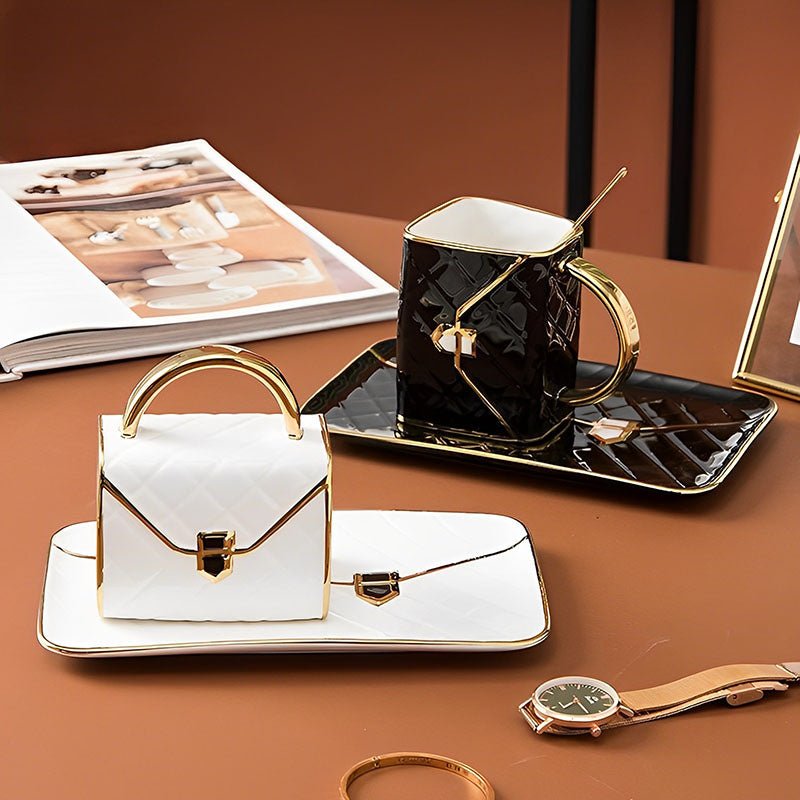
Clear Glass Coffee Mugs: What Buyers Should Check Before Ordering
A practical buyer’s guide to clear glass coffee mugs, covering size, wall style, care, and where each option fits best. Useful if you want the look of glass without picking the wrong shape or thick...
Подробнее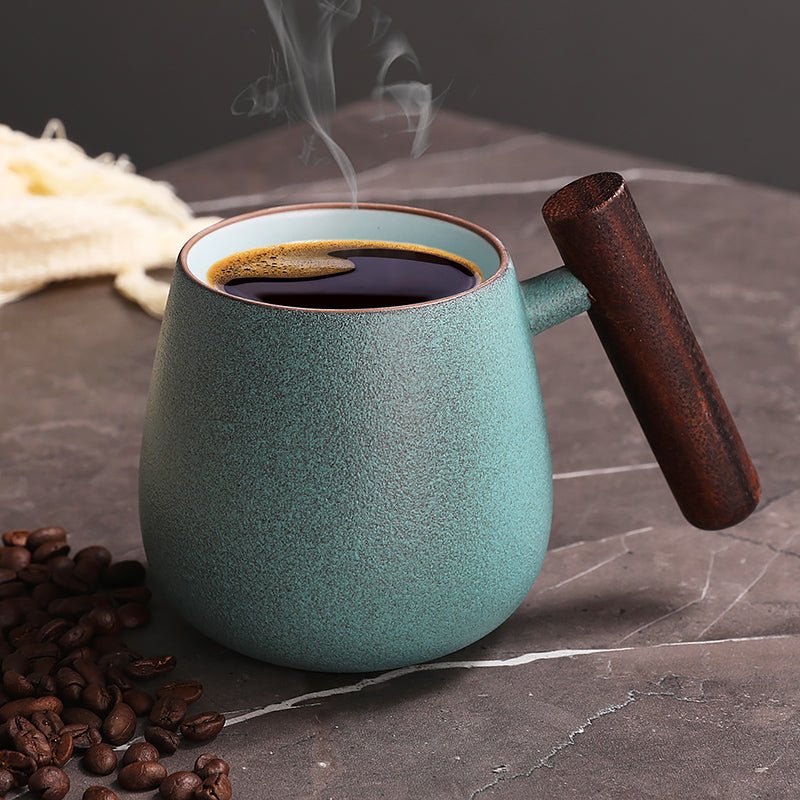
Best Coffee Mugs Travel: What to Buy for Commutes, Office Days, and Trips
A practical guide to the best coffee mugs travel shoppers should compare, with real trade-offs on leak resistance, heat retention, materials, and carry comfort. We break down what actually matters ...
Подробнее
Оставить комментарий
Этот веб-сайт защищается hCaptcha. Применяются Политика конфиденциальности и Условия использования hCaptcha.