
Iced Coffee Mug Buying Guide: Size, Material, and Fit
Reading time: about 9 minutes
A full glass of iced coffee looks tidy for the first five minutes. Then the ice shifts, condensation starts, and a handle that felt fine with hot coffee suddenly feels awkward.
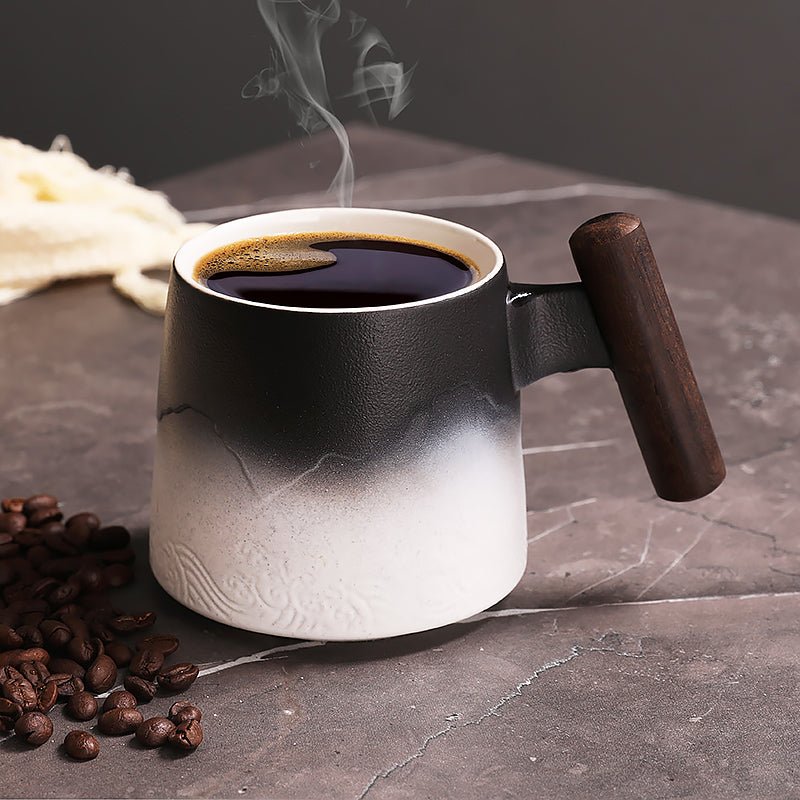
We see that trade-off a lot in our store. The right iced coffee mug needs enough room for ice, a comfortable grip, and a shape that feels stable on a kitchen counter, office desk, or breakfast tray. If you want a mug that works in real life, not just in a product photo, the details matter.
What makes an iced coffee mug different from a regular mug?
An iced coffee mug is built around cold-drink use, not heat retention. That usually means more room for ice, a wider opening for stirring, and a shape that still feels balanced when the cup is full of liquid and cubes.
In our experience, shoppers often notice the difference in three places:
- The opening: A wider mouth makes it easier to add ice, pour milk, and stir without splashing over the rim.
- The handle: Cold drinks create condensation, so a handle with real clearance matters more than people expect. A cramped handle is annoying fast.
- The base: A mug that sits flat and does not wobble is easier to trust when the drink is heavy with ice.
A regular mug can work for iced coffee, but it may not be the best fit if you like large ice cubes, a lot of milk, or a layered drink. If you are comparing sizes for other coffee routines too, our 10 oz Coffee Mug: Size, Fit, and What to Check Before You Buy and 12 Ounce Coffee Mug Buying Guide: Size, Fit, and Best Uses explain how smaller cups feel in the hand. For larger daily servings, the 16 Ounce Coffee Mug Buyer’s Guide: Size, Material, and Fit is the better comparison point.
Which size should you buy for iced coffee?
Size changes the whole drinking experience. A mug that is too small gets crowded by ice, while an oversized mug can feel bulky on a small desk or leave the drink sloshing around if it is not full enough.
Here is the practical range we usually recommend:
| Capacity | Best for | What to watch for |
|---|---|---|
| 10 oz | Small iced coffee, espresso over ice, or a short latte | Limited room for ice and milk; can feel tight if you like a tall pour |
| 12 oz | Balanced everyday iced coffee | Good middle ground, but oversized ice cubes can crowd the cup |
| 14 to 16 oz | Cold brew, iced lattes, and drinks with extra milk or syrup | Heavier in the hand and easier to bump if your desk is crowded |
If you already know you prefer a smaller hot-coffee cup, the 10 oz and 12 oz guides above are a useful starting point. If you like room for ice first and coffee second, move up a size. That is the point a lot of buyers miss: with iced drinks, the usable volume is not the same as the rim-to-rim capacity.
For many shoppers, 12 to 16 oz is the sweet spot. It gives enough space for ice without making the mug feel oversized in a cabinet or on a tray. If you pour cold brew and top it with milk, lean larger. If you drink a shorter iced coffee and want a compact footprint, stay smaller.
Which material is easiest to live with?
Material affects more than appearance. It changes how the mug feels in your hand, how it behaves with condensation, and how much care it needs after a few dishwasher cycles.
- Ceramic: A dependable all-around choice for a desk or kitchen counter. It usually feels substantial, and a smooth glaze is easy to rinse clean. The trade-off is chipping at the rim if the mug gets knocked against a sink or stacked carelessly.
- Stoneware: Heavier and often more stable on the counter. That weight helps with a cold drink loaded with ice, but it can feel bulky if you want a lighter daily cup.
- Glass: Best if you want to see the drink and the layers of coffee, milk, and ice. It looks clean, but it can show condensation more clearly and it deserves a little more care around thermal shock and edge chips.
- Double-wall glass or insulated drinkware: Better if your main goal is keeping the drink cold for a long stretch. That is not the same thing as a mug, though, so it is the better choice for a commute or a long work session.
If you like the look of a clear cup, glass can be a good pick for iced coffee at home. If you want something that feels steady on a table and is less fussy to stack in a cabinet, ceramic is usually easier to live with. In our store, we usually steer shoppers toward ceramic or stoneware when they want a mug first and a drink display second.
One limitation is worth saying plainly: an iced coffee mug is not the best tool if you need cold retention for hours. For that, a lidded insulated tumbler is the more practical choice. A mug is better when the drink is meant to be enjoyed at the table, desk, or kitchen island.
What details should you check before ordering?
This is where good buying decisions are made. Two mugs can look nearly identical in photos and feel completely different once you add ice and pick them up with a wet hand.
Our team looks for these details first:
- Handle clearance: Make sure your fingers can fit without scraping the body of the mug. A small handle is one of the most common reasons a cup feels wrong after the first use.
- Rim finish: A smooth rim matters. Chips, rough glaze, or a sharp edge are easy to miss online and frustrating in daily use.
- Base stability: The mug should sit flat and not rock. That matters more when the cup is full of ice and the center of gravity shifts.
- Wall thickness: Thin walls can feel fragile, while very thick walls make the mug heavier than it needs to be. For iced drinks, a balanced middle ground usually works best.
- Interior shape: A rounded interior is easier to clean. Tall, narrow interiors can trap melted ice and make rinsing harder.
- Care instructions: If the mug has printed decoration, check whether it is dishwasher safe. A top-applied print can wear faster than a fully glazed finish.
We also check for common defect modes before a mug reaches a shelf: hairline cracks near the handle joint, a wobbly foot, and small rim chips from shipping or stacking. Those are the details buyers usually notice only after the return window starts closing. Good product pages should call out those specs clearly.
If you want a mug that stays looking tidy on a work desk, choose a finish that is easy to wipe down and a silhouette that does not crowd the space around it. If your kitchen storage is tight, a mug with an awkwardly wide footprint can be more annoying than helpful.
A good iced coffee mug should be easy to fill, easy to hold, and easy to clean. If any of those three fail, the mug will not get used much.
When is an iced coffee mug the wrong choice?
Not every cold coffee drink belongs in a mug. A mug is best for short, at-home drinking sessions where you can set it down between sips. It is not the right tool for every routine.
You should probably choose something else if you:
- Need to keep the drink cold through a commute or long meeting.
- Want a lid to prevent spills in a bag or car cup holder.
- Prefer very large iced drinks that go beyond a typical mug size.
- Dislike condensation rings on wood desks or side tables.
- Want one vessel that can do both travel and table service equally well.
In those cases, an insulated tumbler is the better fit. It is more secure, more sealed, and better at temperature hold. A mug still wins if you want a calmer drinking experience at home, a nicer table presentation, or a cup that looks good next to a notebook and a laptop.
If you are still deciding, start with the routine rather than the color. A mug for a quick morning iced coffee can be smaller and simpler. A mug for afternoon cold brew with milk needs more space and a steadier base. That is the kind of difference that keeps a purchase from feeling random.
To compare what we carry right now, browse our products page or look through the full collection if you want to compare styles side by side.
Frequently asked questions
What size iced coffee mug is best for a daily latte?
For most daily lattes, 12 oz is the safest starting point. If you add a lot of ice or milk, 14 to 16 oz gives you more room and reduces spills while stirring. If you prefer a shorter, more concentrated drink, 10 oz can still work.
Is ceramic or glass better for an iced coffee mug?
Ceramic is easier to live with for most buyers because it feels sturdy, stacks well, and hides condensation better. Glass is better if you like seeing the layers of coffee, milk, and ice. If you want the drink to stay cold longer, neither is as effective as an insulated tumbler.
Can I put an iced coffee mug in the dishwasher?
Sometimes, but check the care instructions first. Glazed ceramic and some glass mugs are dishwasher safe, while printed finishes, metallic accents, or delicate detailing may need hand washing. If you want the mug to keep its finish, gentler care is usually the safer bet.
Do I need an insulated mug for iced coffee?
Only if cold retention is a priority. A standard mug is fine for drinking at home, at a desk, or over breakfast. If you need the drink to stay cold for a commute or several hours, an insulated cup is the better choice.
Can I use a regular coffee mug for iced coffee?
Yes, if the mug has enough room for ice and feels comfortable to hold. The problem is not compatibility, it is fit. Many regular mugs are sized for hot coffee, so they can feel cramped once ice and milk are added.
If you are narrowing it down, compare capacity, handle clearance, rim finish, and care instructions first. Then choose the style that matches how you actually drink iced coffee, and browse our products or the full collection to find the right fit.
More from our blog
Read more
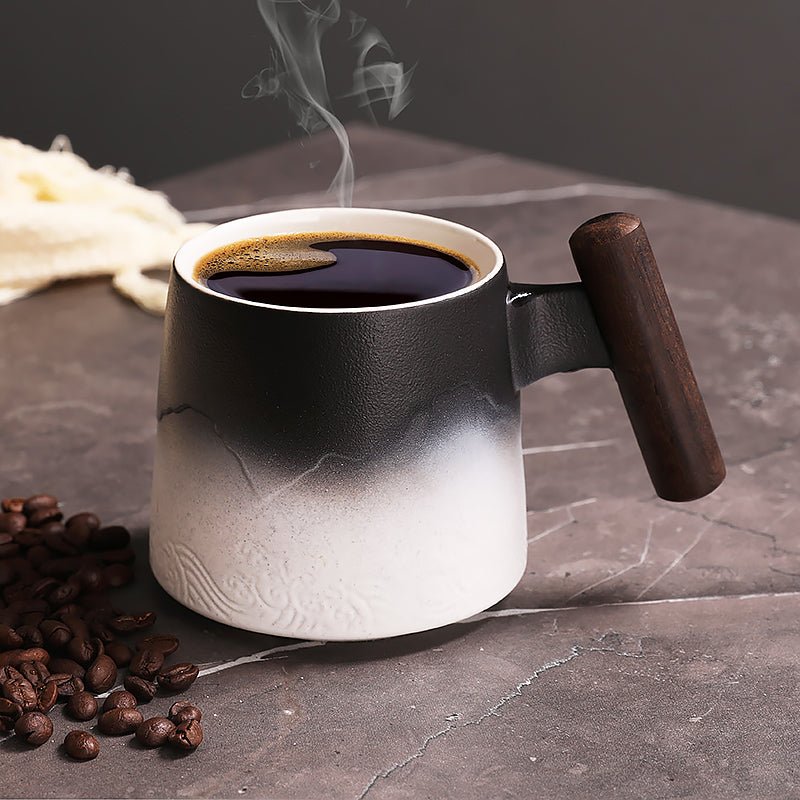
Ceramic Lined Coffee Mug: What Buyers Should Check First
A practical buyer’s guide to ceramic lined coffee mugs, covering build quality, lid fit, comfort in hand, and care trade-offs. Written for shoppers comparing real everyday use, not just specs on a ...
Подробнее
Peet's Brown Southwestern Stoneware Mug: Buyer Checkpoints
Shopping for a brown Aztec-style stoneware mug? Here is what to check before buying, from glaze feel and handle comfort to capacity, care, and gift suitability.
Подробнее
Оставить комментарий
Этот веб-сайт защищается hCaptcha. Применяются Политика конфиденциальности и Условия использования hCaptcha.