
How to Get Rid of Coffee Stains in Mugs Without Damaging the Finish
Reading time: about 9 minutes
A mug can look clean after one rinse and still carry a brown ring at the bottom by the next morning. We see this most often on light-colored ceramic and stoneware mugs, especially the ones that spend every day on a desk, next to a drip machine, or in a dishwasher with hard-water buildup.
If you are figuring out how to get rid of coffee stains in mugs, the best approach is simple: match the cleaner to the finish, start gentle, and stop before you scratch the glaze. That matters more than people think. A white glazed mug, a matte black mug, and a printed mug do not all tolerate the same treatment.
We handle a lot of everyday coffee mugs in our store, and the pattern is consistent. Stains are usually a mix of coffee oils, mineral deposits, and residue trapped where the cup curves inward near the base. The fix is usually easy. The wrong scrub pad is what creates the long-term problem.
Why do coffee stains stick to mugs so stubbornly?
Coffee leaves behind dark pigments and oils. If the mug sits for hours after use, those residues dry into the glaze instead of rinsing away. Hard water can make it worse by leaving a chalky film that grabs onto color.
Some finishes show this faster than others:
- Glossy white ceramic shows brown rings quickly, but it is usually the easiest to clean safely.
- Matte finishes can hold onto oil residue and may look dull if you scrub too hard.
- Printed mugs can lose detail if you use abrasive pads or harsh bleach too often.
- Unglazed bottoms and rough seams near the base often trap the worst buildup.
That is why a mug can look stained even when the cup itself is fine. Sometimes the issue is residue, not permanent damage.
What is the safest way to clean coffee stains from a mug?
Start with the least aggressive method first. For most kitchen mugs, warm water, dish soap, and a soft sponge are enough if the stain is fresh. If that fails, move to a mild abrasive like baking soda instead of jumping straight to bleach or a harsh scrubber.
- Rinse the mug with warm water as soon as possible after use.
- Add a few drops of dish soap and scrub with a soft sponge or nylon brush.
- For a set stain, make a paste with baking soda and a little water.
- Rub the paste on the stained area for 20 to 30 seconds.
- Let the paste sit for a few minutes, then rinse thoroughly.
- Dry completely so new water spots do not make the stain look worse.
This method works well on typical glazed ceramic mugs and many stoneware mugs. It is not the right first move for hand-painted finishes, delicate metallic accents, or mugs with cracked glaze lines. Those need extra caution.
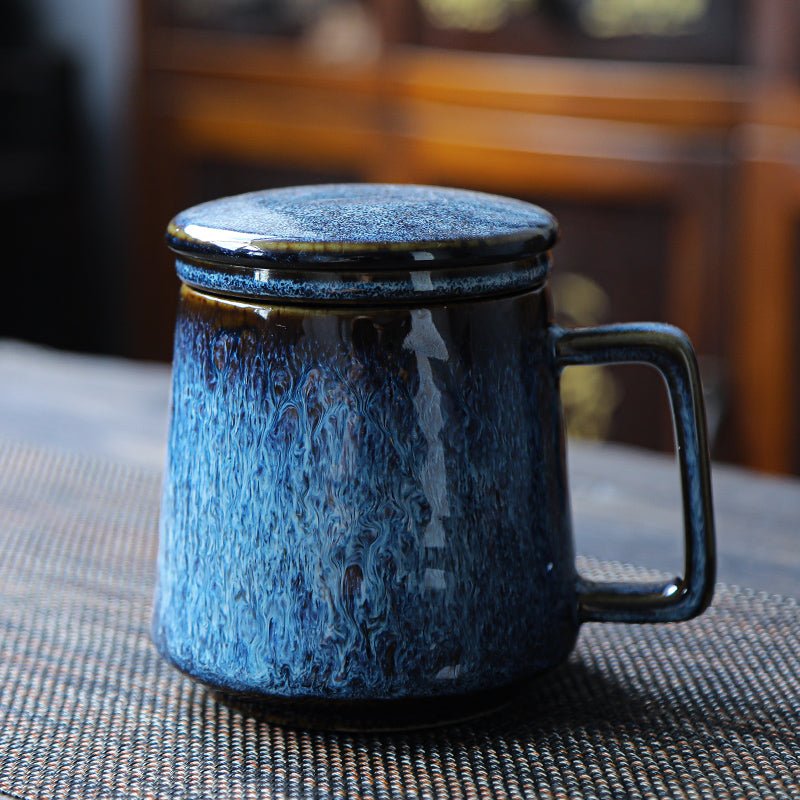
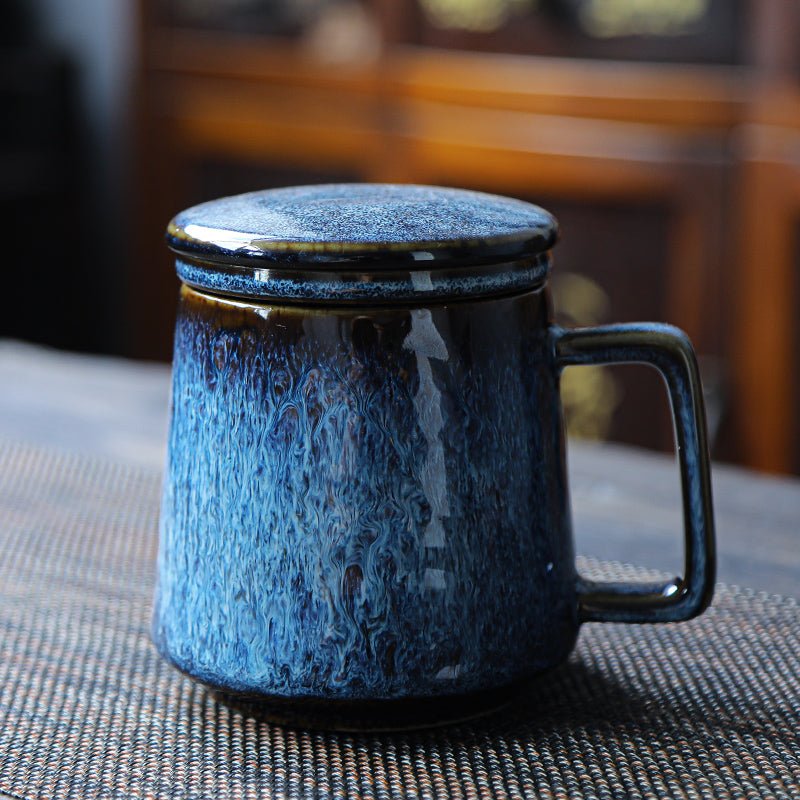
If you are comparing mugs that are meant to get used every day, a practical option like The Rock Coffee Tea Mug is the kind of format that tends to hold up well to regular washing, as long as you still use a non-abrasive sponge. For a broader look at everyday options, browse our mug collection.
Which home methods actually work, and which ones cause damage?
Not every cleaning trick is worth using on a favorite mug. Some work fast but can wear down the finish, especially if the mug has a printed design or a smooth glossy glaze that you want to keep looking sharp.
| Method | Best for | Risk |
|---|---|---|
| Baking soda paste | Light to moderate coffee stains on glazed ceramic | Low if you use a soft sponge |
| Dish soap and warm water | Fresh residue and daily cleanup | Very low |
| White vinegar soak | Mineral film from hard water | Moderate on some decals and metallic trims |
| Bleach | Rare cases of heavy discoloration in plain white ceramic | High if overused; can damage finishes and leave odor |
| Abrasive scouring pads | Only durable, unprinted surfaces | High; can dull glaze and scratch decoration |
Our view is straightforward: baking soda and mild soap are the safest starting point. Vinegar is useful when the stain is really mineral buildup layered over coffee, but it is not the default answer for every mug.
We also recommend checking the base and inside lip. A mug may look clean in the center while the rim still carries a brown shadow. That is common on taller mugs with a narrower opening, where cleaning tools do not reach evenly.
How do you clean printed or decorative mugs without ruining them?
Printed mugs need a lighter touch. The decoration is often the part that fails first, not the ceramic body. A scrub pad can leave tiny scratches that make the artwork look cloudy even if the stain is gone.
For decorated mugs, use this order of operations:
- Wash with warm water and dish soap first.
- Use a microfiber cloth or soft sponge, not steel wool.
- Spot-treat with baking soda on the stained interior only.
- Avoid soaking the whole mug for long periods if it has decals, foil accents, or metallic trim.
If you want a mug you can use at home and at work without babying it, take a look at Morning Night Coffee Tea Mug. For customers who rotate mugs between office desks and kitchen counters, that kind of everyday-use design usually matters more than an overly delicate finish. We talk more about finish safety in How to Get Rid of Coffee Stains in Mugs Without Damaging the Finish.
There is a trade-off here. Decorative mugs are great as gifts and desk mugs, but they are not the best choice if you want a cup you can attack with an abrasive cleaner every week. If stain resistance is your top priority, a simpler glazed mug is usually the better buy.
What should you do about old coffee stains that have built up over time?
Old stains usually need a combination approach. First remove the top layer of residue, then address whatever is left. That often means a short soak followed by a gentle scrub rather than one aggressive cleaning session.
For older buildup, try this:
- Fill the mug with warm water and a small amount of dish soap.
- Let it sit for 10 to 15 minutes.
- Dump it, then apply baking soda to the stained area.
- Scrub with a soft sponge in circles, paying attention to the base and lower walls.
- If there is still a film, wipe the inside with a cloth dampened in diluted vinegar, then rinse well.
Do not use this approach on mugs with chips in the glaze. Once the protective finish is broken, stains can lodge in the exposed area more easily. That is one reason we tell shoppers to inspect the inside of a mug before calling it stained. A tiny glaze defect can mimic permanent discoloration.
For mugs that have been through countless dishwasher cycles, the issue can also be mineral haze rather than coffee alone. In that case, a tea-stain method can help too. Our related guide on how to get rid of tea stains on mugs without damaging the finish covers the same surface-safe logic, and it applies to coffee residue more often than people expect.
When is a stained mug still worth keeping?
Not every stain is a reason to throw out a mug. If the discoloration is only on the inside and the glaze is intact, the cup is usually still perfectly usable. Many shoppers actually prefer a mug that can take daily use without demanding careful handling.
Keep the mug if:
- The stain fades after a normal baking soda cleaning.
- The finish is still smooth to the touch.
- There are no chips, cracks, or rough exposed spots.
- The mug still feels comfortable in hand and holds the amount of coffee you want.
Replace or retire it if:
- The glaze has visible cracks or crazing.
- There is a persistent odor even after cleaning.
- The surface is scratched enough to catch residue repeatedly.
- The mug has decorative elements that are flaking off.
If you are comparing replacements, a mug like Mountain Coffee Tea Mug is worth considering if you want a straightforward everyday shape rather than something delicate. For bulk buying or gift sets, our article on Bulk Coffee Mugs: How to Choose Sets That Actually Get Used is a practical place to start.
How can you keep coffee stains from coming back?
The easiest fix is also the cheapest: rinse the mug right after use. Coffee that dries overnight is always harder to remove than coffee that gets a quick wash within minutes.
We recommend this routine for everyday mugs:
- Empty the cup as soon as you finish drinking.
- Rinse with warm water if you cannot wash it right away.
- Use a mild detergent instead of letting residue sit in the cup.
- Let the mug dry fully before stacking it or setting it upside down.
- Once a week, inspect the interior base for rings or buildup.
If your mug lives on a desk, the problem is often that the cup gets refilled multiple times without a proper rinse. That is where stains start. A small habit change matters more than stronger chemicals.
For shoppers comparing styles, the best mug for stain resistance is usually the one with a smooth glazed interior, a simple shape you can reach into easily, and a finish that does not depend on delicate decoration. Fancy is fine. Practical is better if you actually use it every day.
Frequently asked questions
Does baking soda remove coffee stains from mugs?
Yes, baking soda is one of the safest and most reliable options for glazed ceramic and stoneware mugs. Mix it with a little water, scrub gently, then rinse well. It is strong enough for most coffee rings without being harsh on the finish.
Can I use bleach on a coffee-stained mug?
Only as a last resort on plain, undamaged white ceramic, and even then sparingly. Bleach is not a good choice for printed mugs, matte finishes, metallic trim, or anything you care about preserving long term. If a mug stains badly enough that bleach seems necessary, the surface may already be compromised.
Why does the bottom of my mug stay brown after washing?
That usually means residue is collecting where the mug curves inward near the base, or mineral deposits are layering on top of coffee oil. A sponge cannot always reach that spot well enough. A baking soda paste and a small circular scrub usually fixes it.
Are dishwasher cycles enough to prevent coffee stains?
Not always. Dishwashers help with everyday residue, but hard water, heavy coffee use, and low-temperature cycles can still leave a ring behind. If your mug comes out with a haze, a quick hand scrub once in a while is still worth doing.
Do stained mugs mean the mug is unsafe to use?
Usually no, as long as the mug is structurally sound and the stain is only surface residue. The bigger concern is chipped glaze, cracks, or peeling decoration. If the surface is damaged, it is better to replace the mug.
If you want a mug that is easier to keep clean from day one, compare the shapes and finishes in our full mug collection, then choose the one that fits how you actually drink coffee. For more finish-specific cleaning guidance, our article on How to Get Rid of Coffee Stains in Mugs Without Damaging the Finish is the best next read.
If you are shopping with cleanup in mind, the useful checklist is simple: smooth glaze, easy-to-reach interior, no delicate trim, and a shape you can wash without scraping the finish. That is the difference between a mug that stays presentable and one that turns brown again after two uses.
Read more
Daddy to Be Coffee Mug Buying Guide: What to Check First
A practical guide to choosing a daddy to be coffee mug that works as a real daily mug, not just a baby-shower joke. We cover size, care, print quality, and the trade-offs that matter before you buy.
Подробнее
Coffee Mug Shelf Display Ideas for Kitchens That Actually Get Used
Practical coffee mug shelf display advice for open kitchens, small spaces, and gift-ready shelves, with fit checks, spacing tips, and mug picks that are easy to live with.
Подробнее
Оставить комментарий
Этот веб-сайт защищается hCaptcha. Применяются Политика конфиденциальности и Условия использования hCaptcha.