
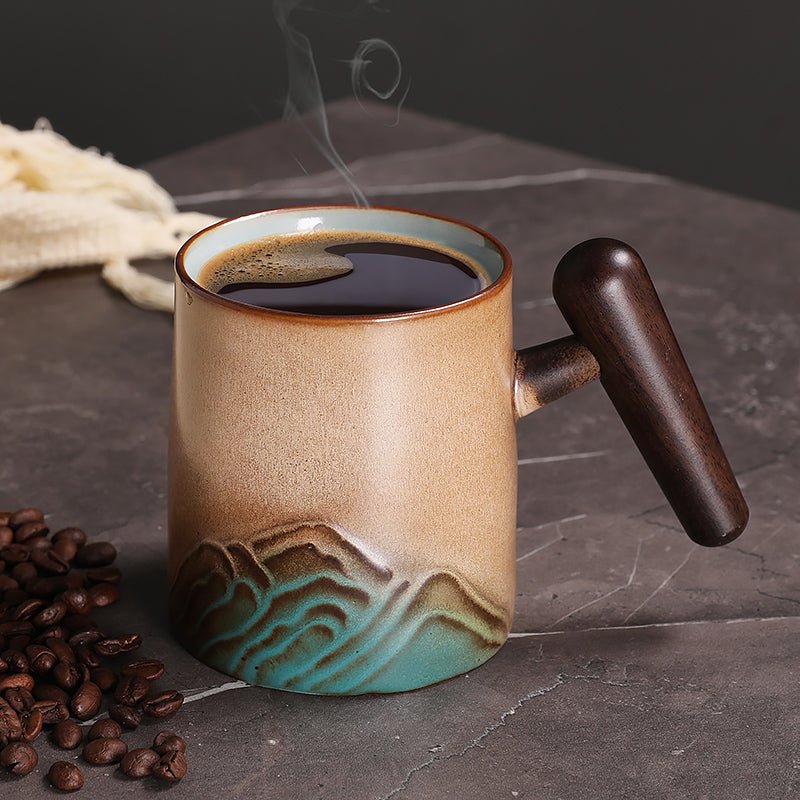
How Many Ounces Is a Normal Coffee Mug? Buyer Guide
Reading time: about 8 minutes
A mug can look normal in the cabinet and still feel wrong the first time you pour coffee into it. Too small, and you are refilling before the cup warms your hands. Too large, and the drink cools off before you finish it.
The practical answer to how many ounces is a normal coffee mug is usually 8 to 12 ounces. In our store, we treat 11 to 12 ounces as the closest everyday standard because it fits a regular pour without turning the mug into a giant bowl.
If you are comparing styles rather than just chasing volume, start with our all mugs collection. For shoppers who want a more decorative ceramic feel, pieces like the Elk and Moon Coffee Tea Mug, the Koi Fish Coffee Tea Mug, and the The Crane Coffee Tea Mug show how shape and hand feel matter just as much as raw ounces.
How many ounces is a normal coffee mug?
Most shoppers use the word normal to mean a mug that works for everyday drip coffee, tea, or a smaller latte without a lot of spare room. That usually lands between 8 and 12 ounces, although you will also see plenty of mugs at 14 to 16 ounces when the cup is built for bigger drinks.
For a single-number answer, 11 ounces is the most common standard reference point, especially for gift mugs and printed ceramic cups. If you want a mug that feels normal on a kitchen counter, fits under many home coffee setups, and does not overwhelm a standard desk, 11 to 12 ounces is the safest place to start.
| Common size | What it feels like | Best for | Tradeoff |
|---|---|---|---|
| 8 oz | Small, compact, and quick to finish | Espresso-based drinks, tea, small servings | Not much room for milk or foam |
| 11 to 12 oz | Closest to a standard everyday mug | Drip coffee, black coffee, general use | Can feel small if you like a lot of milk |
| 14 to 16 oz | Noticeably larger in the hand | Big pour-over cups, lattes, cocoa | Takes longer to finish and needs more cabinet space |
| 18 oz and up | Oversized and heavy when full | Large milk drinks or all-day desk mugs | Not ideal for small hands or compact coffee makers |
That table is the practical version, not the marketing version. The number on the product page matters, but the rim shape, wall thickness, and handle placement matter too. A thick ceramic mug can read as 12 ounces and still feel heavier than a thinner 14-ounce cup.
Why does the same mug feel smaller when you pour coffee?
The capacity printed on a mug often means the mug is filled close to the rim, not the amount of coffee you would actually serve in real life. If you leave room for the lip, milk, or foam, the usable amount drops. That is why a 12-ounce mug can feel more like a 10-ounce serving once it is on your desk.
We also see a difference between capacity and comfort. A mug can technically hold more liquid, but if the handle pinches your fingers, the foot ring wobbles on a flat counter, or the rim feels too thin against your lip, it will not behave like a normal everyday mug.
Three concrete details matter more than most shoppers expect:
- Wall thickness: Thicker ceramic walls usually make the mug feel sturdier, but they also reduce the amount of usable liquid for the same printed ounce count.
- Handle opening: A handle that fits two fingers comfortably is easier to use for long desk sessions than a tight, narrow loop that presses into the knuckles.
- Rim and base shape: A smooth rim and a flat foot ring make the mug feel better in the hand and less likely to wobble when you set it on a crowded countertop.
That is also why a mug can look right in photos and still disappoint in daily use. A product shot shows shape. Real life shows whether it survives dishwasher cycles, stacks cleanly with other cups, and leaves enough room for a normal pour of coffee without sloshing.
Which mug size fits your routine best?
The right size depends on how you actually drink coffee, not just what sounds standard on a listing page. A busy office desk, a slow weekend breakfast, and a tea habit all point to different choices.
- Choose 8 to 10 ounces if you drink black coffee, like smaller servings, or want a mug that stays light in the hand.
- Choose 11 to 12 ounces if you want the closest thing to a normal coffee mug for everyday use.
- Choose 14 to 16 ounces if you add milk, like a larger latte, or do not want to refill right away.
- Choose 18 ounces or more only if you want a very large desk mug and do not mind extra weight when it is full.
If you are buying for style as much as function, the art on the mug matters too. A mug like the Elk and Moon Coffee Tea Mug is the kind of piece people keep on a desk because it feels personal, while the Koi Fish Coffee Tea Mug and The Crane Coffee Tea Mug lean into a more giftable, display-worthy look. The full collection is the quickest way to compare those tradeoffs side by side.
Our rule is simple: buy the smallest mug that still fits your normal pour, then add a little room if you like milk, foam, or a second splash of coffee.
What should you check before buying a mug online?
We spend a lot of time looking at mug listings the same way a customer does: on a screen, with no chance to hold the cup first. That means the small details matter more than the headline photo.
Before you buy, check these points:
- Ounce capacity: Look for the usable capacity, not just the shape of the mug.
- Height and diameter: A wide mug may fit more comfortably under a machine, while a tall mug can feel awkward under a short cabinet shelf.
- Microwave and dishwasher compatibility: Ceramic is common, but metallic decoration or specialty glazing can change care requirements.
- Handle comfort: Make sure the handle opening looks large enough for your fingers without squeezing.
- Finish and rim quality: A smooth glaze, even base, and clean rim matter more than most shoppers realize.
We also watch for the common defect modes that bother real buyers after unboxing: a slight wobble from an uneven base, a rough patch on the rim, a handle that is attached too close to the body, or tiny glaze pinholes that stand out under bright kitchen light. None of those are dramatic on paper, but they are the details that separate a mug you keep from a mug you re-gift.
If you want a deeper comparison of typical mug sizes, these guides cover the same question from slightly different angles: Coffee Mug Is How Many Ounces? Real Sizes and Buyer Tips, How Many Ounces Is a Coffee Mug? Real Sizes and Buying Tips, and How Many Ounces Is a Standard Coffee Mug? A Buyer’s Guide.
Are larger mugs better for coffee?
Not automatically. A larger mug is useful if you drink a lot of milk-based coffee, like to keep a second pour in the same cup, or want a single mug for tea, cocoa, and coffee. It is not the best choice if you prefer a compact mug that stays easy to lift, fits in a crowded cabinet, or slides under a smaller coffee brewer.
There is also a practical limit to comfort. Once a mug gets too large, it can become more awkward on a kitchen counter and more noticeable in the dishwasher rack. Bigger also means heavier when full, which matters if you sip slowly at a desk or carry the mug from the kitchen to a work table several times a day.
That is why we do not recommend choosing size just because bigger sounds better. A 16-ounce mug can be perfect for someone who wants a generous latte cup and frustrating for someone who drinks black coffee in short sessions. The right size is the one that matches your real routine.
One more tradeoff: oversized mugs are not ideal if you care about proportion. Some people like the look of a compact cup with a clean silhouette. Others want the mug to feel substantial in the hand. If you are shopping for a gift, that visual balance can matter as much as the ounce count.
Frequently asked questions
Is 11 oz a standard coffee mug?
Yes, 11 ounces is one of the most common standard sizes for everyday mugs. It is big enough for a normal serving of coffee without feeling oversized on a desk or kitchen shelf.
How many ounces does a normal ceramic mug hold?
Most normal ceramic mugs fall somewhere between 8 and 12 ounces. If the mug is meant for a fuller pour, you may see capacities closer to 14 or 16 ounces.
Is a 16 oz mug too big for daily coffee?
It can be, depending on how you drink. A 16-ounce mug works well for lattes, hot chocolate, or anyone who wants extra room, but it can feel bulky if you prefer a smaller black coffee or a lighter cup.
Should I buy by ounces or by dimensions?
Buy by both if you can. Ounces tell you how much it holds, while height, diameter, and handle shape tell you whether it will actually fit your brewer, shelf, and hand.
What mug size is best for coffee with milk?
For coffee with milk, 12 to 16 ounces is usually the most practical range. That gives you enough room for coffee, milk, and foam without filling the mug to the lip.
If you want the fastest next step, compare the ounce number, the handle shape, and the mug height, then browse our all mugs collection to find a size that matches the way you actually drink coffee.
Read more
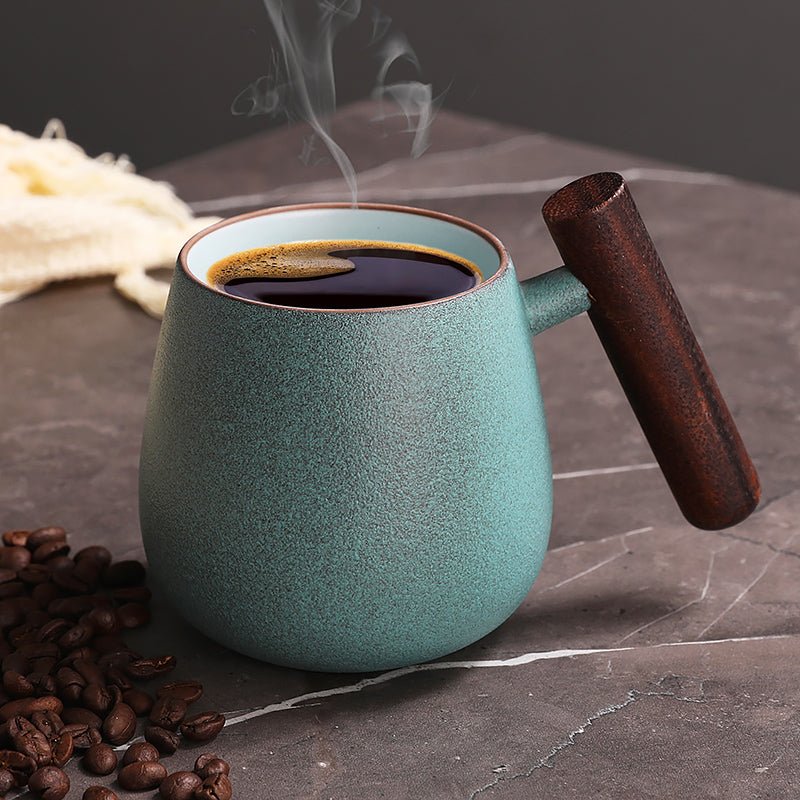
Two and a Half Men Coffee Mugs: How to Choose the Right One
A practical guide to two and a half men coffee mugs, with real buying trade-offs, size and style checks, and a few good options for gifts or everyday use. We also point out where a novelty mug work...
Подробнее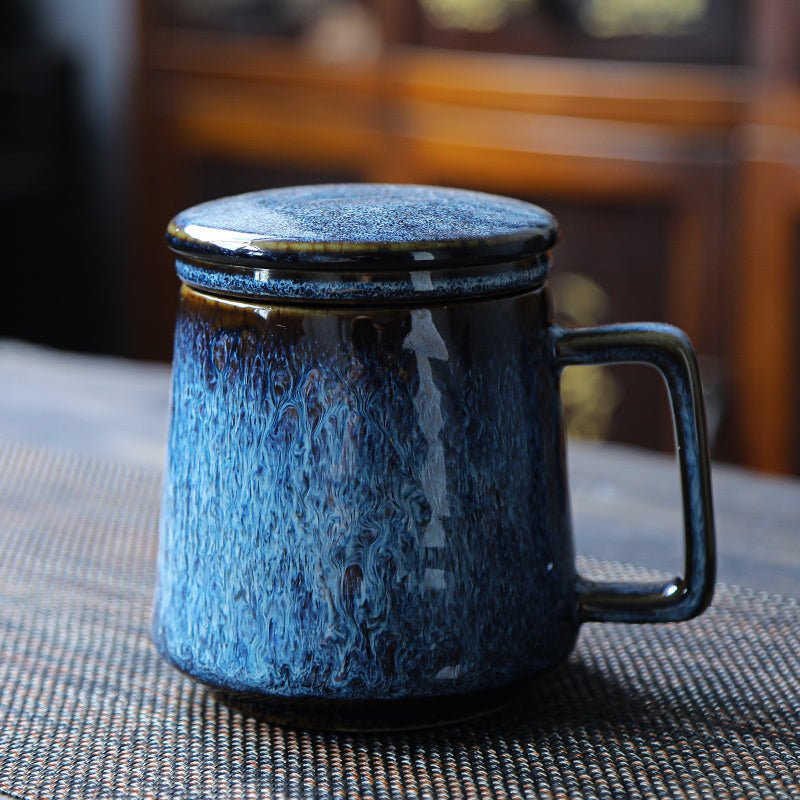
Tommy Bahama Coffee Mugs: What to Buy and What to Skip
Tommy Bahama coffee mugs usually get bought for the look first, then judged on comfort, size, and finish. We break down what to buy for daily coffee, gifting, and shelf appeal, plus where our close...
Подробнее
Оставить комментарий
Этот веб-сайт защищается hCaptcha. Применяются Политика конфиденциальности и Условия использования hCaptcha.