
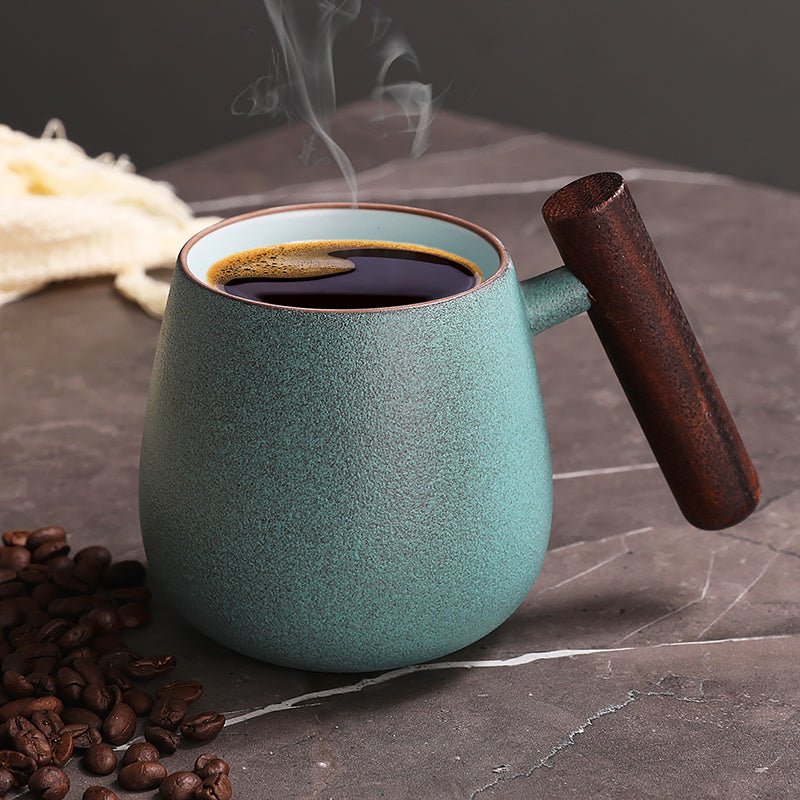
How Big Is a Regular Coffee Mug? Standard Sizes, Ounces, and Buying Tips
Reading time: about 9 minutes
A mug on the desk looks simple until you pour coffee into it and realize it runs smaller than you expected. We see that all the time: a shopper wants a “regular” mug, but the cup in hand holds barely enough for a morning drip coffee, or it’s so wide that it cools faster than they like.
So, how big is a regular coffee mug? The short answer is that a standard everyday mug usually holds 8 to 12 ounces. In our store, we treat that as the classic everyday range: large enough for a normal coffee serving, small enough to fit under most home coffee makers and feel comfortable in the hand.
The details matter, though. Two mugs can both be called “regular” and still feel completely different because of wall thickness, interior shape, handle size, and the way the rim flares. That’s why it helps to compare capacity, not just the label on the product page.
If you’re browsing options, you can also start with our full mug collection or check one of our everyday ceramic picks like The Rock Coffee Tea Mug, which is a good example of a mug meant for regular daily use rather than oversized servings.
What does “regular coffee mug” usually mean in ounces?
Most shoppers mean a mug that holds one standard serving of coffee, not a giant travel cup and not a tiny espresso cup. In practice, that means:
- 8 oz: the lower end of regular, often closer to a smaller household mug or a more compact tea cup style
- 10 oz: a common sweet spot for daily coffee
- 12 oz: still regular for many buyers, especially if they want a full pour without going oversized
We usually tell customers to look at the actual fill capacity, not the decorative size. A mug listed as 12 oz may not comfortably hold 12 oz if you fill it to the rim, especially if the inside curves inward or the mug has a thick base. Real usable space is often a little less than the headline number.
This is also where drinking habits matter. If you like a simple drip coffee with a splash of milk, a 10 oz mug can feel just right. If you drink a longer black coffee or want room for cream, 12 oz is often safer.
How wide and tall is a standard mug?
There is no single universal size, but a regular ceramic mug often falls in a familiar shape range:
| Typical mug size | Approx. capacity | Common feel in hand |
|---|---|---|
| Compact regular mug | 8 oz | Smaller, lighter, often best for tea or shorter coffee pours |
| Standard everyday mug | 10 oz | Balanced size for most coffee drinkers |
| Large regular mug | 12 oz | Roomier, but still manageable for daily use |
In dimensions, a regular mug is often around 3.25 to 3.75 inches tall and roughly 3 to 3.5 inches across without the handle. The handle adds extra width, and that can matter more than buyers expect if you store mugs tightly in a cabinet or use a narrow espresso machine tray.
We always recommend checking three measurements before buying:
- Height so it fits under your machine or cabinet shelf
- Diameter so it feels stable and fits in a cup warmer or dishwasher rack
- Handle clearance so your fingers fit comfortably without brushing the mug body
Those small details separate a mug that becomes your daily favorite from one that gets pushed to the back of the cabinet.
How does a regular mug compare with small, large, and oversized mugs?
This is where buyers get the clearest answer. “Regular” usually sits in the middle of the mug family. It is not the tiny cup you’d use for espresso, and it is not the oversized bowl-like mug people choose for soup, oversized lattes, or all-day desk coffee.
Here’s the practical comparison we use in our store:
- Small mugs: often around 6 to 8 oz, better for tea or smaller coffee servings
- Regular mugs: usually 8 to 12 oz, the most flexible daily size
- Large mugs: often 14 oz and up, better for long drinkers or people who want more space for milk
- Oversized mugs: 16 oz and above, useful for big pours but heavier, bulkier, and sometimes awkward on the move
The trade-off is simple. Smaller mugs feel lighter and heat up fast, but they may not hold enough for your usual coffee routine. Larger mugs reduce refill trips, but they can feel bulky, cool coffee more quickly, and take up more cabinet space.
If you’re leaning toward something bigger than standard, our guides on choosing the right large mug for daily use and what to check before you buy a large mug break down the everyday differences we see shoppers care about most.
What should you check before buying a regular coffee mug?
We handle a lot of mug choices, and the same issues come up again and again. A mug can look perfect online, then disappoint in the kitchen if the details don’t line up with how you actually drink coffee.
Before buying, check these points:
- Material: Ceramic is the most common for everyday use because it feels sturdy, holds heat reasonably well, and is usually dishwasher safe. Stoneware often feels heavier and more substantial. Porcelain tends to look refined but can feel thinner in the hand.
- Rim thickness: A thinner rim usually feels smoother to sip from. A thicker rim can make the mug feel sturdier, but some people find it less comfortable.
- Handle shape: A good handle should fit at least two fingers comfortably. If the opening is too small, the mug may feel awkward when full.
- Base stability: A flat, solid base helps prevent wobble on a desk, coaster, or kitchen counter.
- Care instructions: If you want low-maintenance use, look for dishwasher-safe and microwave-safe construction. Hand-painted or specialty-finish mugs may need more careful washing.
We also pay attention to common defect modes. On everyday ceramic mugs, the things that matter most are uneven glaze, rough spots on the rim, handle alignment, and hairline cracks near the base. Those are the details that separate a good everyday mug from one that starts causing frustration after a few washes.
Our own buyers often choose mugs based on real routine: coffee at a kitchen counter, tea at a desk, or a quick rinse between meetings. That’s why we focus on comfort, not just capacity.
Is a regular mug big enough for coffee, tea, and milk drinks?
Usually yes, but not for every drink style. A regular coffee mug is a strong everyday choice if you drink standard drip coffee, an Americano, black tea, or a moderate pour with a little milk. It is less ideal if you want a very large latte, a long hot chocolate, or a mug that can double as a soup bowl.
Here’s the practical rule we use:
- Best for regular mugs: drip coffee, tea, hot water with lemon, small cappuccino-style drinks, and office desk coffee
- Less ideal for regular mugs: oversized lattes, soup servings, recipe mixing, or people who like lots of foam and toppings
A regular mug also tends to heat and cool faster than a very large mug because there is less liquid volume. That can be a benefit if you drink quickly, but it may not suit slow sippers.
If you want to compare that everyday middle ground with larger options, our blog post Big Coffee Mug Buyer's Guide: Size, Comfort, and Daily Use is a useful next read.
What is the best regular mug size for daily use?
For most shoppers, 10 to 12 ounces is the most practical regular mug range. It gives enough room for a standard coffee pour without feeling oversized. If you use a pod machine or a home drip setup, that size usually lines up well with common serving habits.
That said, the “best” size depends on how you drink:
- Choose 8 oz if you prefer smaller servings, stronger drinks, or a compact mug that stores easily
- Choose 10 oz if you want the classic everyday feel with good balance in the hand
- Choose 12 oz if you like extra room for milk, cream, or a fuller pour
In our experience, buyers often regret going too small more than going slightly too big. A mug that is a touch larger than expected still works. A mug that feels cramped around your usual pour becomes annoying very quickly.
That said, bigger is not always better. A very large mug can feel awkward on smaller hands, take longer to finish, and crowd a cabinet shelf. If you don’t want bulk, staying in the regular range is usually the smartest move.
Frequently asked questions
How many ounces is a regular coffee mug?
A regular coffee mug is usually 8 to 12 ounces. Most everyday shoppers land on 10 or 12 ounces because those sizes fit a normal coffee serving without feeling oversized.
What size mug fits under most coffee makers?
Most standard mugs around 3.25 to 3.75 inches tall fit under many home coffee makers, but not all. If your machine has a low spout, check the mug height and handle clearance before buying.
Is a 12 oz mug considered regular?
Yes, 12 oz is still widely considered a regular everyday mug. It sits at the larger end of the standard range and works well if you like room for milk or cream.
Are ceramic mugs good for daily use?
Yes, ceramic is one of the most common daily-use mug materials because it feels sturdy and is usually easy to clean. Just check whether the mug is dishwasher-safe and microwave-safe if that matters for your routine.
What should I avoid if I want a regular mug, not a large one?
Avoid mugs labeled 14 oz, 16 oz, or “oversized,” especially if you want something that feels balanced in the hand and fits easily in a cabinet. Those are better if you drink very large pours or want a soup-friendly mug.
Which regular mug should I buy next?
If you want a mug that feels like a true everyday size, start by comparing capacity, handle comfort, and height. A regular mug should fit your coffee habit, your shelf space, and your washing routine. It should not just look right in the photo.
For a practical next step, compare the mugs in our collection, then check whether the product page lists ounces, height, and care instructions clearly. If you want a sturdy everyday option to compare against standard sizes, take a look at The Rock Coffee Tea Mug and see how its shape fits your daily cup of coffee.
If you’re still deciding between standard and oversized, our large-mug guides can help you avoid buying more mug than you actually need.
Read more
White Castle Coffee Mug: What to Check Before You Buy
A white castle coffee mug can look simple, but the right one still needs the right size, handle shape, and finish for daily use. We break down what to check before you buy, including a taller optio...
Подробнее
Mama Coffee Mug Buying Guide: Size, Gift Fit, and Daily Use
A mama coffee mug can feel perfect in photos and still miss the mark in hand. We break down size, handle comfort, care, and gift fit so you can buy the right one the first time.
Подробнее
Оставить комментарий
Этот веб-сайт защищается hCaptcha. Применяются Политика конфиденциальности и Условия использования hCaptcha.