
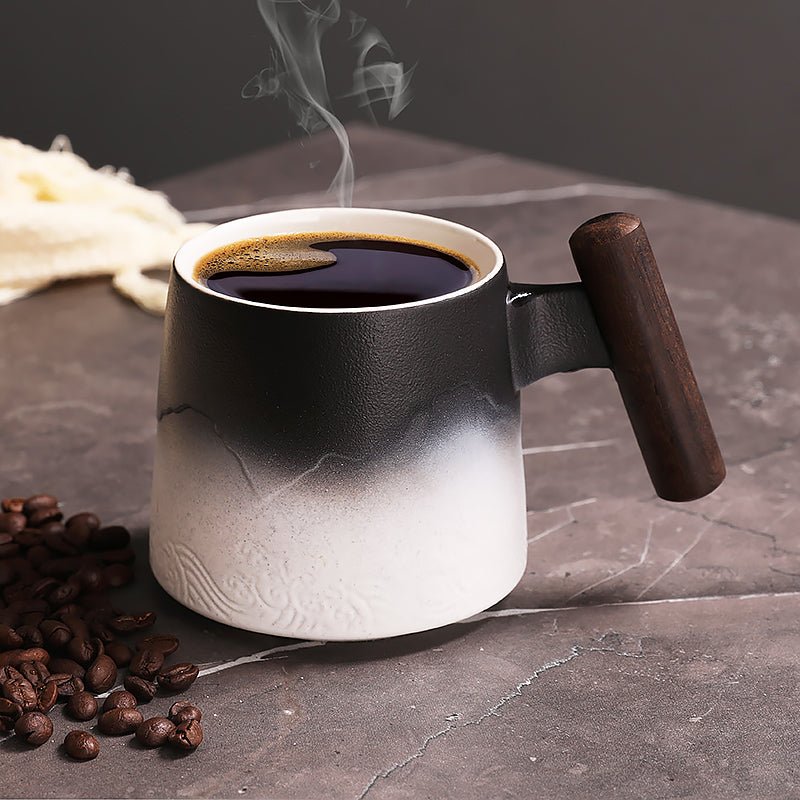
Hot Coffee Mug: What Actually Keeps Coffee Warm and Fits Daily Use
Reading time: about 9 minutes
A mug that looks good on a shelf can still disappoint at 8 a.m. if it cools too fast, feels too hot in the hand, or splashes every time you carry it from the counter to the desk. That is the real test for a hot coffee mug: not the photo, but how it behaves in a kitchen, office, or gift unboxing the first week after it arrives.
We handle drinkware for shoppers who want a mug they will actually use, not just display. In our store, the patterns are consistent. People want coffee to stay warm long enough to finish a meeting, they want a shape that sits stable on a desk, and they want a mug that survives normal washing without dulling the finish. That is the standard we use here.
If you want to browse our current options first, start with our products page or the full collection. If you want the buying logic before you choose, keep reading.
What actually makes a hot coffee mug keep heat better?
Heat retention is usually about three things: material, wall thickness, and whether the mug has a lid. A thin ceramic mug on a cold counter loses heat quickly. A thicker ceramic or double-wall style holds temperature better. A lid helps even more because it reduces heat loss from the top, which is where a lot of steam escapes.
We see a lot of shoppers focus only on the words “keeps coffee hot,” but the shape matters too. A wide, shallow mug exposes more surface area, so coffee cools faster. A slightly narrower opening usually performs better for warm drinks, especially if you sip slowly at a desk.
There is also a difference between “stays warm long enough for breakfast” and “stays hot for an hour on a long commute.” Those are not the same product. A ceramic mug is often the better choice for home use. A travel tumbler or insulated vessel is the better choice if you need real temperature retention away from the kitchen.
If you want a deeper breakdown of the buying trade-offs, our article Best mug to keep coffee hot: what to buy and what actually matters covers the main decision points in more detail.
Which material should you choose for daily use?
The material affects more than appearance. It changes weight, heat loss, dishwasher behavior, and how the mug feels when your coffee is freshly poured. Here is the practical version.
| Material | What it does well | Trade-off |
|---|---|---|
| Ceramic | Comfortable in hand, familiar feel, good for home and office use | Can lose heat faster than insulated options if left open |
| Glass | Lets you see the drink, good for layered drinks and presentation | Usually less forgiving on heat retention unless designed with insulation |
| Stainless steel | Strong heat retention and durable for travel | Less like a traditional mug, can feel too utilitarian for a desk setting |
For most daily coffee drinkers, ceramic is the most balanced choice. It feels right for a kitchen counter, a shared office, or a gift. A good ceramic mug should have enough wall thickness to feel stable without being bulky. We also pay attention to the lip shape, because a rough or overly thick rim can make a mug less pleasant to drink from even if the body looks great.
Glass works best for buyers who want to see the drink or use a more modern presentation style. That said, glass is not always the best option if your priority is keeping coffee warm for a long stretch. If you are considering a glass design with a lid, our article Glass mug with lid and straw for hot coffee: what to check explains what matters before you buy.
If your main goal is retention over style, insulated stainless steel often wins. If your main goal is comfort, routine use, and a mug that feels natural in the hand, ceramic is usually the safer pick.
What size should a hot coffee mug be?
Size affects both temperature and usability. A larger mug gives you more coffee, but it also leaves more surface area for heat to escape. A smaller mug can stay warm a bit better, but it may not suit someone who drinks slowly or prefers a bigger pour.
In practice, many shoppers land on 10 oz or 11 oz for everyday use. Those sizes are large enough for a standard coffee serving without feeling oversized, and they are easier to hold comfortably than large novelty mugs. If you want a narrower breakdown of sizing, see our guides on the 10 oz coffee mug and the 11 oz coffee mug.
Here is how we advise shoppers to think about it:
- Choose 8 to 10 oz if you drink coffee quickly and want a compact mug that warms up fast.
- Choose 11 oz if you want a familiar everyday size that works for drip coffee, tea, and cocoa.
- Choose a larger mug only if you truly finish bigger servings and do not mind faster cooling.
There is a trade-off with oversized mugs that gets overlooked. They often feel generous at first, but if you pour a standard amount into a much larger cup, the drink cools more quickly and can look underfilled. That is not a defect. It is just physics and proportions.
Do lids, handles, and rims change the experience?
Yes, and more than most product pages admit. A lid is useful if you work at a desk, move between rooms, or get interrupted often. It slows heat loss and reduces splashing. A handle matters if the mug will be filled with very hot coffee, because a sturdy handle lets you hold the mug without awkward finger positioning.
The rim is another detail buyers notice only after the mug arrives. A smoother, well-finished rim makes the first sip better. A heavy or uneven rim can make the mug feel cheap even if the material is solid. We check for that because it shows up immediately in daily use.
There are also common defect modes worth watching for in any hot coffee mug purchase:
- Glaze pinholes or rough spots that catch the eye and feel unpleasant.
- Wobble on a flat table, which is a bad sign for desk use.
- Loose-fitting lids that do not sit securely.
- Handles that are too narrow for larger fingers or that sit too close to the body of the mug.
If you are choosing between a mug that prioritizes presentation and one that prioritizes function, be honest about your use case. A very polished glass mug can be excellent for brunch or a gift, but it may not be the best daily option if your coffee sits untouched for twenty minutes at a time. For a more practical buying framework, our post Coffee Mug That Keeps Coffee Hot: How to Choose the Right One walks through the decision in plain terms.
What should you expect from care, washing, and everyday wear?
A good mug should fit your routine, not force a special one. For most ceramic mugs, dishwasher use is convenient, but it is still worth checking whether the finish, decal, or lid material is meant for repeated dishwasher cycles. If you want the printed surface to stay crisp, gentler washing often helps preserve the look longer.
We also recommend thinking about how the mug behaves after repeated use. Coffee oils can leave a film on some glazes. Tea can stain lighter interiors. Handles can loosen in poorly made mugs. None of that is glamorous, but it is the real difference between a mug you enjoy for months and one that starts to look tired after a few weeks.
For daily care, this is the practical routine we suggest:
- Rinse soon after use so coffee residue does not build up.
- Check if the lid or seal should be washed separately.
- Avoid sudden temperature shock if the mug is made of glass or thin ceramic.
- Dry the mug fully before stacking to reduce water marks and trapped odor.
If you are buying a mug as a gift, care is part of the value. A mug that is easy to wash and simple to store is more likely to get used. A fussy one can look nice in photos and then live in a cabinet.
What is a hot coffee mug not good for?
We prefer to be direct about this. A traditional hot coffee mug is not the best choice for someone who needs to keep coffee piping hot during a long commute, on a job site, or through several hours of interruptions. For that, an insulated travel vessel usually makes more sense.
It is also not ideal if the buyer wants maximum volume at the expense of heat. Larger mugs feel generous, but they give up warmth faster. And if someone wants a mug primarily for cold drinks, iced coffee, or presentation-heavy drinks, a standard hot coffee mug may not be the right format at all.
That is why we like matching the mug to the environment. Kitchen counter? Ceramic works well. Desk with occasional sipping? A lidded mug is better. Travel? Use a purpose-built insulated cup. If you want a wider view of what we stock for different use cases, browse our collection and compare the shapes side by side.
In our experience, shoppers are happiest when they choose for the routine they actually have, not the one they imagine having.
Frequently asked questions
What size hot coffee mug is best for everyday coffee?
For most people, 10 oz or 11 oz is the sweet spot. Those sizes hold a standard serving without feeling oversized, and they are usually easier to handle at a desk or breakfast table. If you drink very slowly, a smaller mug can help reduce cooling, but it will hold less.
Is ceramic or glass better for a hot coffee mug?
Ceramic is usually better for everyday use because it feels comfortable, is familiar, and works well for home or office coffee. Glass is a good choice if presentation matters or you like seeing the drink, but it is not always the strongest option for heat retention.
Do I need a lid on a hot coffee mug?
You do not need one, but it helps if you sip slowly, work at a desk, or move around while drinking. A lid reduces heat loss and helps with splash control. If you finish coffee quickly, a lid is less critical.
Can I put a hot coffee mug in the dishwasher?
Many mugs are dishwasher-safe, but not all finishes, prints, or lids are equally durable. If a mug has a decal, metallic detail, or separate lid material, check the care instructions before repeated dishwasher use. Gentle washing can help preserve the look longer.
What should I check before buying a hot coffee mug as a gift?
Check the size, handle comfort, and whether the mug feels stable on a flat surface. A gift mug should be easy to use, easy to wash, and not too specialized. If you are unsure, a straightforward ceramic mug is usually safer than a novelty shape.
If you want a practical next step, compare mug size, material, and lid style first, then browse our products page or the full collection with those three filters in mind.
More from our blog
Read more
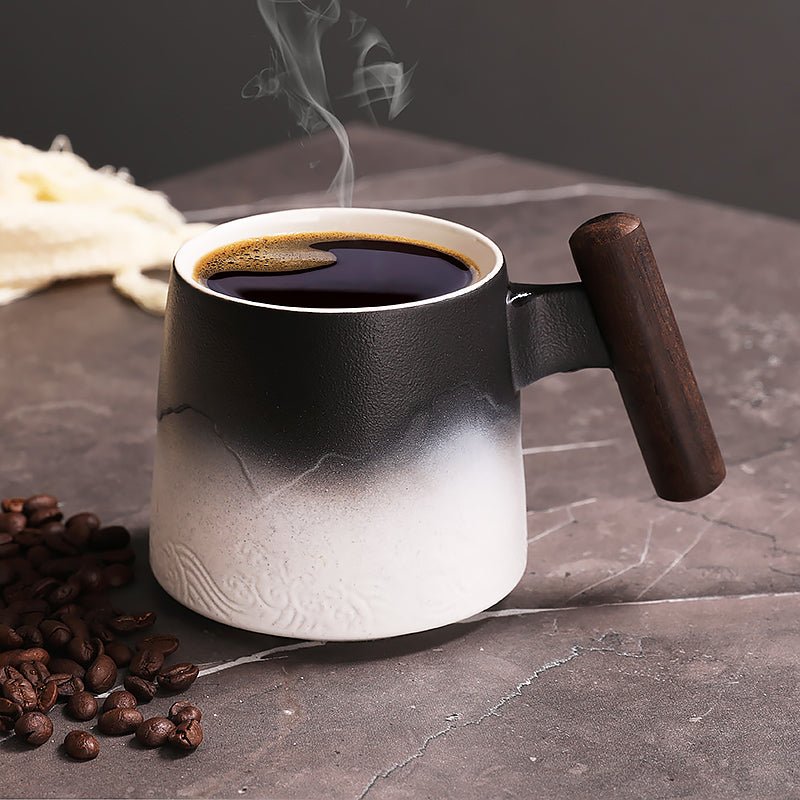
Coolest Coffee Mugs: What to Buy and What to Skip
We compare the coolest coffee mugs by size, material, comfort, and daily use so you can pick one that looks good and still works at the sink, desk, and microwave.
Подробнее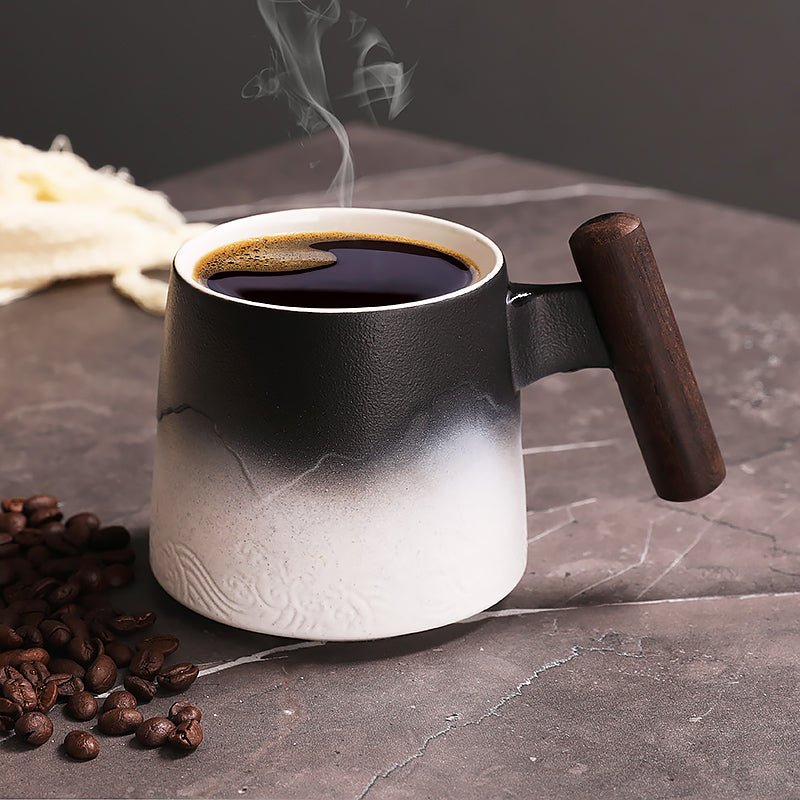
Customize Coffee Mug: What to Check Before You Order
A practical guide to choosing a customize coffee mug that fits the drink, the desk, and the gift box. We cover size, material, print area, care, and where custom mugs fall short.
Подробнее
Оставить комментарий
Этот веб-сайт защищается hCaptcha. Применяются Политика конфиденциальности и Условия использования hCaptcha.