
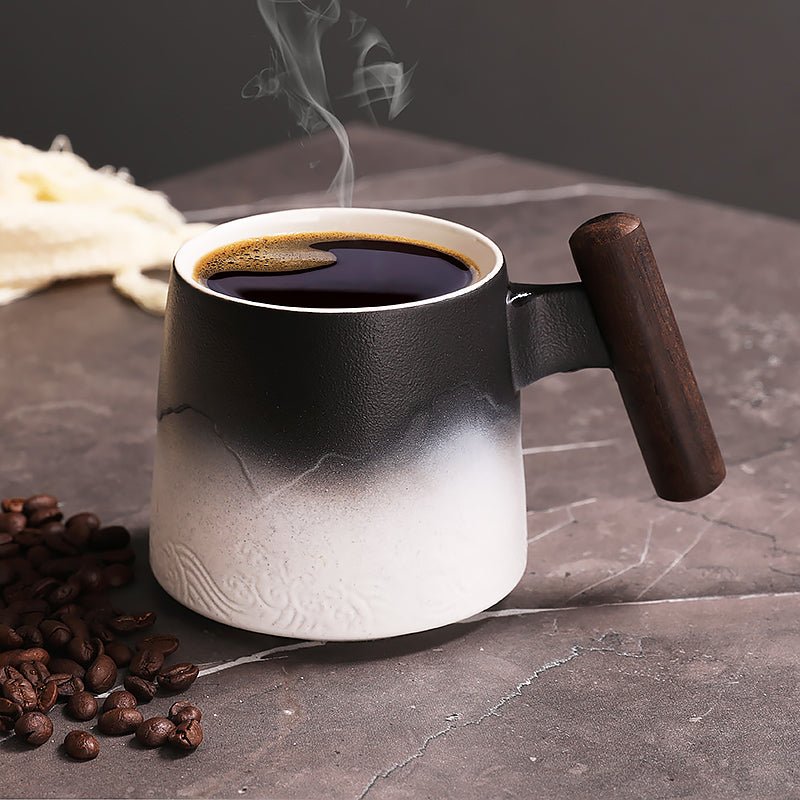
Handmade Coffee Mugs Pottery: What Buyers Should Check Before Buying
Reading time: about 9 minutes
We see the same problem over and over: a mug looks perfect in photos, then arrives with a handle that feels tight, a rim that drinks oddly, or a glaze that makes the piece feel heavier than expected. That is why buying handmade coffee mugs pottery should be treated like choosing a daily tool, not just a pretty object.
In our store, we think about how a mug will behave on a real kitchen counter, on an office desk, or during a gift unboxing when the recipient actually lifts it for the first time. The best handmade mugs do more than look handmade. They pour comfort into the hand, fit a normal coffee routine, and hold up to repeated washing without feeling delicate in a bad way.
What should you check first before buying handmade coffee mugs pottery?
The first thing we check is not the pattern. It is the build. A mug can be visually beautiful and still be awkward for daily use if the proportions are off. For handmade pottery, the small details matter because no two pieces are exactly identical.
Start with these practical checks:
- Material and body type: Many handmade mugs are made from stoneware or ceramic. Stoneware usually feels denser and more durable for everyday coffee, while lighter ceramic pieces can feel easier to lift but may be a bit more delicate in hand.
- Capacity: Confirm whether the mug fits your real routine, not just a photo. A smaller cup suits espresso drinks and tea; a larger shape works better for drip coffee, lattes, or anyone who likes room for milk.
- Handle clearance: Make sure your fingers can pass through the handle without pressing against the mug wall. This matters more than people expect, especially for larger hands or when the mug is hot.
- Rim thickness: A thinner rim usually feels cleaner to drink from. A very thick rim can make a mug feel sturdy, but it can also make sipping less comfortable.
- Base stability: A good mug should sit flat on a table or desk without wobbling. That matters on smooth office surfaces and crowded kitchen shelves.
If you want a deeper pre-buy checklist, our article Handmade Pottery Coffee Mugs: What Buyers Should Check Before Ordering covers the practical points we look for before a mug goes into a cart.
How do handmade mugs differ from factory-made mugs in daily use?
Handmade mugs usually show more variation in glaze, shape, and weight. That variation is part of the appeal, but it also means you should expect a little less uniformity than you would with a mass-produced cup. One mug may feel slightly more rounded, another a bit more compact in the hand. For many buyers, that is the point.
Here is the trade-off in plain terms:
| What buyers notice | Handmade pottery | Factory-made mug |
|---|---|---|
| Visual character | More variation in glaze and shape | More uniform, predictable finish |
| Hand feel | Often more textured and personal | Usually smoother and standardized |
| Best use | Desk use, gifting, slow coffee rituals | Bulk use, matching sets, simple replacement |
| Possible downside | Minor variation is normal | Less character, but easier to match |
We do not treat those differences as flaws. We treat them as buying context. If you want a perfectly matched set for a breakroom shelf, a handmade mug may not be the right fit. If you want a mug that feels like a personal object and not a stackable item, handmade pottery makes more sense.
That is also why we point shoppers to our broader selection at our full collection when they want to compare shapes and decorative styles before committing to one piece.
Which handmade pottery mug styles make sense for gifting?
Gift buyers usually want one thing: a mug that looks intentional the moment it is opened. Handmade pottery works well for that because the visual texture already feels considered. The safest gift choices are mugs with clear themes, balanced proportions, and enough personality to stand on their own without extra packaging tricks.
In our store, we often see three gift-friendly directions:
- Nature motifs: Mugs with koi, crane, or landscape imagery feel calm and thoughtful. They suit people who like slower mornings, tea, or desk-side coffee breaks.
- Quiet neutrals: Soft glazes and simple forms are easier to match with someone else's kitchen. This is the safer route if you do not know their style well.
- Statement pieces: A mug with a more visible design is best for someone who enjoys collecting and displaying their cups instead of hiding them in a cabinet.
For a more detailed shopping lens, our guide Handmade Ceramic Coffee Mugs: What Buyers Should Check First is useful if you want to compare handmade pieces against everyday ceramic options.
We also recommend looking at the actual objects you will use around the mug. A busy kitchen shelf, a work-from-home desk, or a tea tray all change how a mug feels in practice. A tall, narrow cup can look elegant, but it may be less stable on a cluttered desk. A wider mug may be easier to sip from, but it takes more shelf space.
How should you evaluate glaze, finish, and common defect modes?
Glaze is where many handmade mugs win or lose trust. A good glaze should look intentional, not sloppy. Small signs of handmade variation are normal. What we do not want to see are issues that affect comfort or durability.
Check for these common defect modes before you buy:
- Pinhole or rough spots: Small surface interruptions can happen in kiln-fired pottery, but the drinking rim should still feel smooth.
- Uneven glaze pooling: Slight variation can be beautiful; thick, messy pooling near the lip is less desirable.
- Handle attachment quality: The handle should look cleanly joined and feel secure when lifted, not overly narrow or weak.
- Foot ring finish: The base should sit cleanly and not scratch a table or leave gritty residue from unfinished clay.
We also pay attention to how the mug will age. A handmade glaze with strong contrast can hide minor wear better than a very glossy, uniform surface. On the other hand, highly textured finishes may hold onto tea stains a little more easily than smoother glazes. That is not a dealbreaker. It is just part of choosing the right finish for your habits.
We tell shoppers to buy the mug they will actually wash and use, not the one they are most afraid to touch. A handmade cup that lives in a cabinet helps no one.
For buyers who want a slower, more methodical checklist, Handmade Pottery Coffee Mugs: What to Check Before Buying goes deeper into the details that tend to matter after the box is opened.
Which designs are worth considering if you want character without losing usability?
Some handmade mugs are purely decorative. Others are built to live on a kitchen shelf and still earn their place in the morning routine. The best options balance strong visual identity with a shape that is easy to handle.
Three examples from our store show that balance in different ways:
- Koi Fish Coffee Tea Mug for buyers who want a detailed, nature-inspired design that feels distinctive without being loud.
- The Crane Coffee Tea Mug for a calmer, more elegant look that works well as a gift or desk mug.
- Landscape Coffee Tea Mug for shoppers who prefer a scenic piece that reads like a small object of art but still belongs in daily use.
These kinds of mugs are not ideal if you want the lightest possible cup, a perfectly matched set for a dishwasher-packed household, or something you can replace with an identical copy later. Handmade pottery is better for people who value feel, finish, and character over strict uniformity.
That is the real decision point. If your priority is visual personality and a better hand feel, handmade wins. If your priority is exact sameness and low concern about variation, a standard factory cup may suit you better.
How do you care for handmade coffee mugs pottery so they last?
Care should be simple enough that you will actually follow it. For most handmade mugs, that means avoiding harsh treatment rather than babying the piece forever.
- Wash the mug with mild soap and a soft sponge after use.
- Dry it fully before stacking it with other ceramics.
- Avoid sudden temperature shifts, especially moving a very hot mug to a cold surface.
- If the glaze is textured, rinse sooner after coffee or tea so residue does not sit in the finish.
- Check the product notes for dishwasher or microwave suitability before assuming it is safe.
We do not recommend handmade pottery for people who routinely slam mugs into sinks, overfill them to the rim, or need a cup that can take rough commercial-kitchen treatment. If that is your environment, a sturdier, more utilitarian vessel may be a better match.
For a broader buying perspective, our article Handmade Coffee Mugs: How to Choose the Right One for Daily Use is useful if you want to compare comfort, longevity, and everyday handling before ordering.
Frequently asked questions
Are handmade coffee mugs pottery safe for everyday coffee use?
Yes, if they are properly fired and finished for drinkware. The main thing to check is that the rim feels smooth and the base sits flat. We also recommend confirming the care notes so you know whether it is dishwasher- or microwave-safe.
What size handmade mug is best for coffee and tea?
That depends on how you drink. Smaller mugs suit espresso drinks and tea, while larger mugs work better for drip coffee, milk-heavy drinks, or long desk sessions. If you often refill, a mid-size mug is usually the most practical choice.
Will handmade pottery mugs feel heavy?
Some do, especially denser stoneware pieces. That extra weight can make a mug feel solid and stable, but it is not ideal if you prefer something very light. If weight matters to you, check the product details and look for a shape with a comfortable handle.
Can handmade mugs go in the dishwasher?
Some can, but not all. The safest approach is to follow the care instructions for the specific mug, especially if it has a textured glaze or decorative finish. When in doubt, hand washing is the lower-risk option.
What is the main downside of buying handmade coffee mugs pottery?
The main trade-off is variation. You may see differences in glaze, shape, or weight from one piece to another, and that is normal for handmade work. If you want a perfectly uniform set or a replacement you can match exactly later, handmade pottery may not be the best fit.
If you are ready to compare styles, start with our full collection, then narrow it down by how the mug will feel in your hand, where it will live, and whether you want a statement piece or a daily driver. That is the fastest way to choose a handmade mug you will actually use.
Read more
German Coffee Mug: What to Look For Before You Buy
A practical guide to choosing a german coffee mug that fits your daily routine, desk setup, and gift list. We cover size, build, care, and which styles make sense for different buyers.
Подробнее
Jane Austen Coffee Mug Buying Guide: What to Check Before You Buy
A Jane Austen coffee mug should do more than look literary on a shelf. We break down size, handle comfort, print durability, and the trade-offs that matter before you buy.
Подробнее
Оставить комментарий
Этот веб-сайт защищается hCaptcha. Применяются Политика конфиденциальности и Условия использования hCaptcha.