
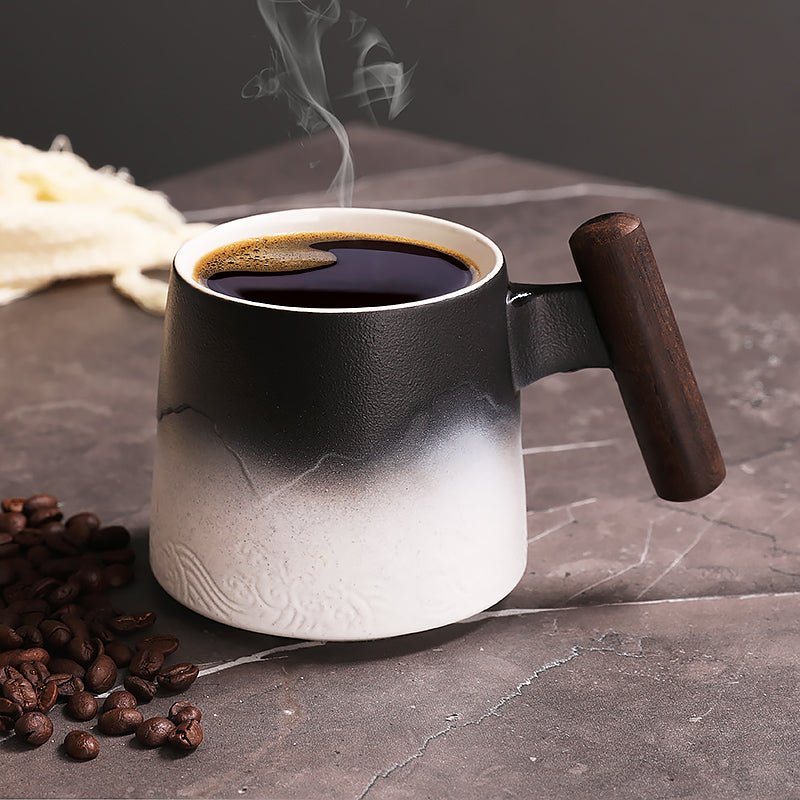
Handmade Coffee Mug Buying Guide: What to Check Before You Buy
Reading time: about 10 minutes
A handmade coffee mug looks simple on a product page, but the real test happens on a kitchen counter at 7 a.m., on a crowded office desk, or after the first dishwasher cycle. That is where shape, rim feel, handle size, and glaze finish start to matter.
We handle this category every day in our store, and the buyers who are happiest usually know what they are actually trying to solve: a better grip, a more personal gift, a mug that feels less generic, or a piece that makes a small coffee ritual feel better. A handmade coffee mug can do that well. It can also be the wrong pick if you need exact uniformity or a perfectly matched set.
What makes a handmade coffee mug different from a mass-produced mug?
The difference is not just style. A handmade coffee mug often has small variations in wall thickness, handle shape, glaze flow, and foot ring finish. Those differences are part of the appeal, but they also affect daily use.
In practical terms, handmade usually means one of two things: it was formed and finished by hand, or it was made in a small-batch process with human finishing steps that leave slight variation. That variation can show up in the lip, the handle opening, or the exact capacity. If you want every mug in the cabinet to stack and line up perfectly, a handmade option may not be the easiest choice.
| Buyer concern | Handmade coffee mug | Mass-produced mug |
|---|---|---|
| Visual character | More variation, more texture, more individuality | More uniform from piece to piece |
| Feel in the hand | Can feel more sculpted or substantial | Usually consistent and predictable |
| Best use | Gift, personal daily mug, display-plus-use | Large matching sets, office replenishment |
| Trade-off | Slight differences in size, glaze, or shape | Less character, fewer surprises |
If you are comparing everyday capacity first, our related size guides can help you narrow things down before you commit. Start with our 10 oz Coffee Mug: Size, Fit, and What to Check Before You Buy, then compare with the 16 oz Coffee Mug: What Buyers Should Check Before They Buy if you know you prefer a larger pour.
Which materials and finishes are worth checking first?
For a handmade coffee mug, the finish matters as much as the silhouette. Most shoppers focus on color first, but we look at the surface and the base because those tell you how the mug will feel after a week of use, not just on day one.
Three details we check in our own product reviews:
- Clay body: stoneware is a common choice for a heavier, sturdier feel; it usually feels more substantial than a thinner mug.
- Glaze type: glossy glazes wipe clean more easily, while matte or textured finishes can show fingerprints or coffee residue sooner.
- Foot ring and base: a clean, even foot ring matters if you care about table contact, stability, and whether the mug feels finished when set down.
These are not cosmetic details only. A slightly rough base can scratch a polished desk. A very textured exterior can be comfortable to hold, but it may also catch oils and need more careful washing. If the mug is intended for a gift, that tactile first impression matters. Buyers opening a mug at a kitchen table usually notice the handle first, then the weight, then the glaze depth.
For a broader view of fit across capacities, our 12 Ounce Coffee Mug Buying Guide: Size, Fit, and Best Uses is a useful companion if you are deciding between compact and standard everyday sizes.
How do you know if the size is right for your coffee routine?
Size is where a lot of buyers get surprised. A handmade coffee mug may be listed by ounce capacity, but the real-world usable volume depends on the wall shape, the handle placement, and whether the cup tapers in or opens wide at the top.
We recommend thinking about the drink first, not just the number on the listing:
- Espresso-based drinks: a smaller mug can keep drinks feeling proportionate and reduce excess cooling space.
- Drip coffee: a mid-size mug usually balances comfort and capacity without feeling oversized.
- Long desk sessions: a larger mug reduces refills, but it may feel heavy when full.
If you like a mug that feels full with standard pour-over or drip servings, 11 oz to 12 oz is often a good place to start. If you regularly pour larger servings, compare the 14 oz, 15 oz, and 16 oz guides before choosing a shape that will sit comfortably in your hand. The 16 oz range, for example, can be useful for people who want fewer refills, but it is not always the best pick if you dislike a bulky mug or have smaller hands.
Our advice is simple: measure your current favorite mug and compare its usable fill line, not just its headline size. That gives a more honest comparison than capacity alone.
What should you check for comfort, grip, and daily use?
A handmade coffee mug can be beautiful and still be annoying to drink from. The two biggest comfort issues we see are handle geometry and rim shape.
Handle shape should let at least two fingers fit without a squeeze. If the handle is too narrow, the mug may feel awkward when full. If it is too far from the body, the mug can feel top-heavy. Rim shape matters too: a smooth, even lip is usually more comfortable for everyday sipping than a sharp or uneven edge.
Here is the quick checklist we use when handling new mugs in our store:
- Handle clearance: enough room for your fingers without touching the mug body.
- Weight balance: stable on a table, not awkward when lifted full of coffee.
- Rim finish: smooth enough for everyday drinking.
- Base stability: sits flat without a wobble on countertops and desks.
- Surface grip: comfortable to hold even when warm, but not so rough that it feels abrasive.
This is where handmade mugs can be stronger than factory-made ones. A good handmade coffee mug often feels intentional in the hand. The trade-off is consistency. If you are buying a pair, one mug may feel slightly different from the other. That is normal in this category, and some buyers actually prefer it.
How should a handmade coffee mug be cared for?
Care depends on the exact mug, but a few habits help extend the life of handmade drinkware. We always tell customers to check the maker's instructions first, especially if the piece has a matte finish, an unglazed base, or decorative surface treatment.
In general, these are the care habits that make sense for most handmade coffee mug owners:
- Wash promptly after use if you drink dark coffee, tea, or cocoa, so stains do not sit on the surface.
- Avoid thermal shock, such as moving a very hot mug straight into cold water.
- Use a soft sponge if the glaze is glossy or decorative.
- Dry the base before storing if the mug has a porous or raw underside.
Handmade mugs are usually not the best choice for someone who wants zero-fuss, heavy-rotation dish handling and stackable uniformity. If your kitchen needs a mug that can disappear into a commercial-style cabinet and come out identical every time, a standard mass-produced set may be more practical. The handmade option makes more sense when the mug itself is part of the experience.
If you are deciding between different everyday sizes, our 11 oz Coffee Mug: Size, Fit, and What to Check Before You Buy and 15 oz Coffee Mug: Size, Fit, and What Buyers Should Check articles are useful side-by-side comparisons.
Is a handmade coffee mug a good gift?
Yes, if you know the person well enough to choose with intent. Handmade mugs work especially well as gifts because they feel personal without needing customization. They are a good fit for coffee drinkers who notice texture, prefer tactile objects, or appreciate something that does not look like every other mug in the cabinet.
They are less ideal if the recipient is extremely particular about uniform kitchenware, or if you are buying for a shared office where every mug needs to match. In that setting, a handmade mug can feel special for one person and out of place for the rest.
In our experience, the best gift buys usually balance three things:
- Practical size: not too small to feel limiting, not so large that it becomes unwieldy.
- Neutral styling: a glaze or color that fits more than one kitchen.
- Comfortable handle: something that feels good in the hand on the first use.
If you are shopping for a gift and want to see what is currently available, you can browse our current handmade coffee mug selection or view the full collection of mugs and drinkware in one place.
What flaws or trade-offs should you accept before you buy?
A good handmade coffee mug should have character, not defects that get in the way of use. The line between the two matters.
Acceptable variation often includes small differences in glaze pattern, slight size variation, or subtle hand-finishing marks. That is part of the category. Problems to watch for are different: a wobbly base, a handle that pinches, rough glaze on the drinking edge, or visible cracks and chips. Those are not character. Those are quality issues.
We also recommend thinking about your storage space. Some handmade mugs are slightly wider, taller, or less stack-friendly than standard mugs. If your cabinet is already tight, a beautiful mug can become an inconvenience fast. That is why we push buyers to measure shelf height and check handle spacing before ordering, especially if they plan to buy two or more pieces.
A handmade coffee mug should improve the routine you already have. If it only looks good in photos but feels awkward on a Tuesday morning, it is the wrong mug.
Frequently asked questions
Are handmade coffee mugs safe for everyday use?
They can be, as long as the mug is made for food and drink use and the finish is appropriate for daily handling. We always recommend checking the maker's care guidance and inspecting the rim, handle, and base before regular use. If a mug has chips, cracks, or an unsealed porous area, do not treat it as a daily cup.
What size handmade coffee mug should I buy for drip coffee?
For most drip coffee drinkers, a 10 oz to 12 oz mug is a practical starting point. If you usually pour larger servings or want fewer refills at a desk, a 14 oz to 16 oz mug may make more sense. The best choice depends on how full you like your cup to feel, not just the number on the label.
Do handmade coffee mugs work well as gifts?
Yes, because they feel personal and more considered than a generic mug. They work best when you know the recipient's taste, cabinet space, and preferred coffee size. If the person likes matching kitchen sets more than unique pieces, a handmade mug may be the wrong fit.
Should I choose a matte or glossy glaze?
Choose glossy if you want a finish that usually wipes clean more easily and looks a little more polished. Choose matte if you prefer a softer, more tactile look, but expect it to show use differently and sometimes need more careful cleaning. The right choice depends on whether you value easy maintenance or surface character more.
What should I check before ordering more than one handmade mug?
Check size consistency, handle comfort, and whether the mugs will fit in your cabinet or on your shelf together. Handmade pieces can vary slightly, so buying a pair or set is best when you are comfortable with small differences. If exact matching matters, a factory-made set may be the safer option.
If you are ready to compare options, start with the mug size guide that matches how you actually drink coffee, then browse our current handmade coffee mug selection and the full collection to find a shape that fits your hand and your routine.
More from our blog
Read more
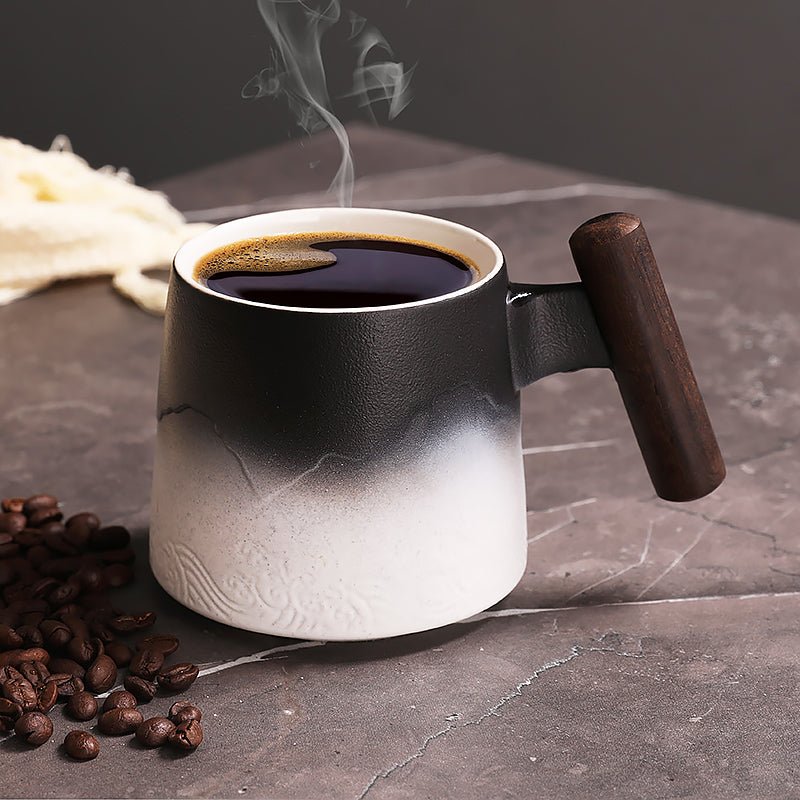
Bones Coffee Mugs: What to Check Before You Buy
Bones coffee mugs can be a great fit for daily use or gifting, but size, handle comfort, and care details matter more than the print. Here’s what we check before we stock or recommend one.
Подробнее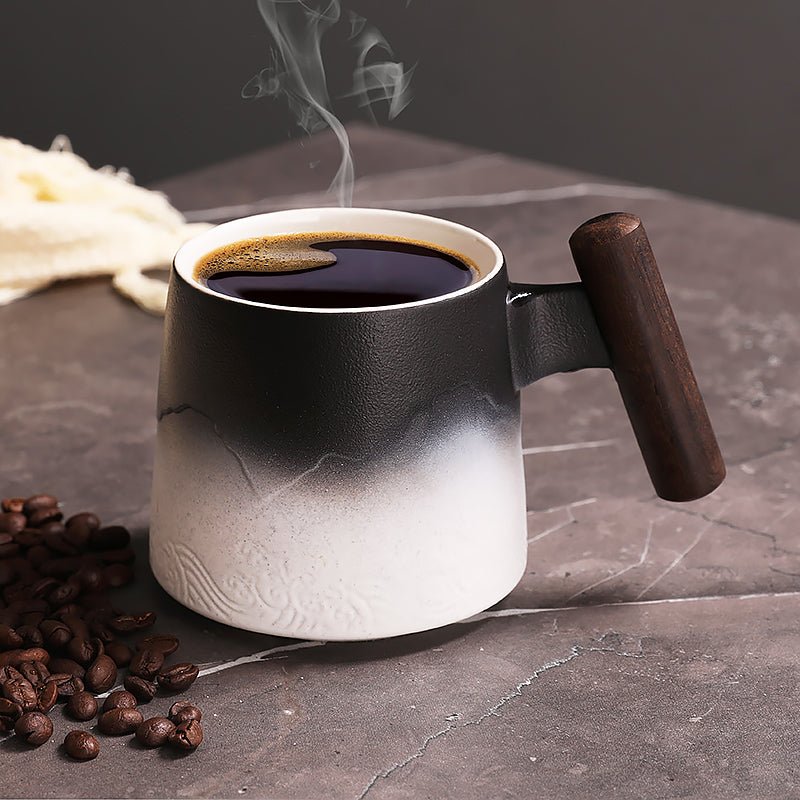
Ohio State Coffee Mug: What Buyers Should Check Before Buying
An Ohio State coffee mug should feel good in the hand, fit the coffee you actually drink, and hold up to repeat washing. This guide covers size, material, gifting, and care so you can buy once and ...
Подробнее
Оставить комментарий
Этот веб-сайт защищается hCaptcha. Применяются Политика конфиденциальности и Условия использования hCaptcha.