
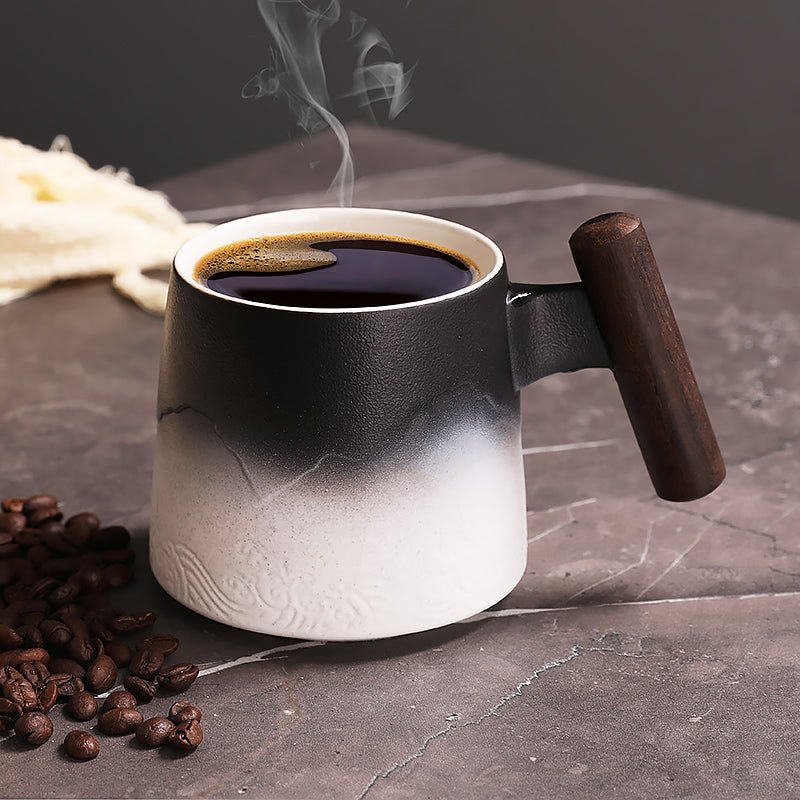
Hand Made Coffee Mugs: What to Compare Before You Buy
Reading time: about 9 minutes
A mug can look perfect in a product photo and still feel wrong at the sink. We see it most often with hand made coffee mugs: the rim is a little different from what the buyer expected, the handle sits tighter than it looked online, or the base rocks just enough to be annoying on a desk.
That is why we talk about handmade mugs as usable objects first and decorative pieces second. In our store, we look at how a mug handles a full pour, how it sits on a kitchen counter, and whether it still feels good after a few dishwasher cycles or hand washes. If you want to compare styles side by side, start with our all mugs collection.
What actually makes hand made coffee mugs different?
Hand made coffee mugs are not just a different label on the same object. Small variation is part of the category. A glaze may pool a little thicker near the foot ring, the handle may sit a few degrees differently, or the rim may feel slightly more organic than a factory-pressed mug. That is normal when a piece is formed, finished, or glazed with a human touch.
The upside is character. No two mugs feel exactly identical in the hand, and many shoppers prefer that. The trade-off is consistency. If you want a perfectly matched cabinet set, tight stackability, or identical mug dimensions for a shared office, handmade work may frustrate you. We usually steer those buyers toward a more uniform style.
The biggest quality difference is not whether a mug looks handmade. It is whether the mug is still practical. A good handmade mug should have a smooth drinking edge, a stable base, a handle that does not feel awkward when full, and a finish that is appropriate for the way you plan to use it.
One quick rule we use: beauty matters, but comfort and stability decide whether a mug gets used every morning or stays on a shelf.
Which materials and finishes hold up best for daily use?
For everyday coffee, the safest starting point is a ceramic or stoneware body with a smooth glazed interior. Those finishes are usually easier to rinse, less likely to pick up coffee stains right away, and more forgiving on busy kitchen counters. A matte exterior can look beautiful, but it may show fingerprints or marks faster than a glossy one.
Some handmade mugs lean into sculptural shapes. That can be a plus if you want a piece that feels special on a desk or gift table. It can also be a drawback if you want a mug that stacks neatly or slips into a crowded dishwasher rack without touching the neighboring dish.
Three product examples in our store show how different the same category can feel:
- Ball Handled Coffee Tea Mug for shoppers who want a more tactile handle and a bold silhouette.
- Handbag Coffee Tea Mug for buyers who care about a distinctive shape and a giftable presentation.
- Mountain Sea II Coffee Tea Mug with Wooden Handle for anyone who wants a warmer mixed-material look and does not mind gentler care.
Not every finish suits every routine. A wood accent is not the best choice if you soak dishes overnight, and a highly sculptural mug is not ideal if you need fast unloading from a dishwasher every night. For buyers who want a broader finish comparison, our guides on Hand Painted Coffee Mugs: How to Choose the Right One and Hand Thrown Coffee Mugs: How to Choose the Right One are useful companion reads.
Which handle style feels best in real use?
Handle shape changes the whole experience. A mug that looks elegant on a shelf can feel cramped when you are carrying hot coffee to a meeting, while a more oversized handle may feel excellent in the hand but take up more cabinet space.
Here is how we think about handle styles when we are comparing hand made coffee mugs for real customers:
- Standard rounded handles usually give the most familiar grip. They are a safe choice if you want a daily mug with a low learning curve.
- Sculptural handles can feel more secure than they look, but they may not suit large hands or people who like to slide one finger quickly through the opening.
- Wooden handles add visual warmth and can feel comfortable, but they need more care than a fully glazed ceramic handle.
We also pay attention to balance. A thick stoneware body with a small handle can feel top-heavy once it is full. A lighter mug with a generous handle can feel easier on the wrist, especially for tea drinkers who keep one mug on the desk for hours. If a mug is meant for office use, comfort matters more than dramatic styling.
Two real-world checks help a lot: hold the mug with one hand as if you are walking across a kitchen, and then hold it again while it is full of hot liquid. If the handle digs into your finger or the mug pulls forward, that is not a small problem. It becomes the reason the mug stays in the cupboard.
How do you judge quality before you order?
Good handmade work does not have to be flawless in the factory sense. It does have to be sound. We look for the kinds of details that affect daily use, not just the kind that photograph well.
| What to check | Why it matters | What we want to see | Red flags |
|---|---|---|---|
| Rim | You feel this every sip | Smooth, even edge with no sharp spots | Rough glaze, pinholes near the lip |
| Base and foot ring | Controls stability on a desk or table | Flat sit with no wobble | Rocking base or uneven contact |
| Handle join | Main stress point during washing and carrying | Clean attachment with no visible cracking | Hairline cracks, gaps, or weak-looking joins |
| Interior glaze | Affects cleanup and stain resistance | Even surface that rinses clean | Pooling, rough texture, or missed spots |
| Overall shape | Changes comfort and cabinet fit | A shape that suits your drink and storage space | Looks nice but feels awkward in use |
We are comfortable with small variations in size, glaze movement, and surface character. We are not comfortable with a mug that feels structurally weak, has a sharp lip, or wobbles on a flat counter. Those are not charming handmade traits. They are practical problems.
If you are buying for someone else, the safest route is to choose a mug with a forgiving shape and a comfortable handle rather than a highly expressive silhouette. Gift recipients usually remember how a mug feels on the first morning more than they remember a subtle color variation.
Which hand made mug is best for everyday use, gifting, or display?
Different buyers are trying to solve different problems. Some want a mug for coffee at a laptop. Others want a piece that looks good on open shelving. Others want a gift that feels thoughtful without being fragile in practice.
| Buyer need | Best fit | Why it works | What it is not best for |
|---|---|---|---|
| Daily coffee at home | Simple glazed mug with a stable base | Easiest to rinse, use, and store | Not ideal if you want a dramatic display piece |
| Office desk use | Comfortable handle and balanced weight | Safer to carry and less fussy during a long workday | Not ideal for oversized sculptural handles that catch on trays |
| Gift giving | Distinctive shape like a ball handle or handbag-style mug | Feels memorable at unboxing | Not best for someone who only wants plain, uniform drinkware |
| Display and collection | Wood-accent or artistic silhouette | Looks intentional on shelves | Not the best pick for a hard-use kitchen rotation |
If you are comparing handmade mugs to other finish-led options, our article on American Made Coffee Mugs: How to Compare Materials, Sizes, and Everyday Use is a useful reference point for material and size decisions. It helps frame the same buying questions from a different angle.
One thing we tell customers plainly: handmade mugs are not the best choice if you need an exact replacement later, if your dish rack is already crowded, or if you want the thinnest possible mug for maximum cabinet efficiency. They are better when you value feel, finish, and a bit of character.
How should hand made coffee mugs be cared for?
Care depends on the finish. For a fully glazed ceramic or stoneware mug, warm water and mild soap are usually enough for daily cleaning. If the maker says dishwasher-safe, top-rack washing is still the safer habit for sculptural pieces because it reduces impact and heat stress.
Wood-accent mugs need a little more restraint. We do not recommend soaking them for long periods, and we would avoid leaving them wet in a sink overnight. Dry the handle area promptly. That keeps the wood looking better and reduces the chance of swelling or surface wear.
Common mistakes are easy to avoid:
- Using abrasive pads on matte or textured glaze.
- Leaving coffee or tea sitting in the mug for hours after use.
- Stacking mugs by the handle instead of letting the foot ring bear the weight.
- Ignoring small cracks near the handle join, which can grow with repeated use.
If a handmade mug is for gifting, we often suggest pairing it with a short care note. That makes the gift more useful and less likely to be treated like a fragile display object. Buyers appreciate practical guidance, especially when the mug has a mixed-material detail or a less common handle shape.
A handmade mug should age well in a real kitchen, not just photograph well on day one.
Frequently asked questions
Are hand made coffee mugs dishwasher safe?
Some are, and some are not. The correct answer is the maker's care guidance for the specific piece. If the mug has a wooden handle, a matte finish, or a highly sculptural form, hand washing is often the safer choice even when the exterior looks durable.
Why do hand made coffee mugs vary from piece to piece?
That variation is part of the category. Forming, glazing, and finishing by hand naturally create small differences in shape, glaze movement, and handle placement. The key is to separate normal character from actual defects like wobble, cracks, or a rough drinking edge.
What should I check first before buying a handmade mug online?
Start with the handle, the rim, and the base. Those are the parts you feel every day, and they decide whether the mug is comfortable and stable. Then check the care notes so you know whether the piece belongs in the dishwasher, on the top rack only, or in the hand-wash category.
Are handmade mugs good for office use?
Yes, if the shape is practical. For a desk mug, we prefer a balanced body, a comfortable handle, and a stable base that will not wobble on a crowded surface. Highly decorative mugs can work too, but they are less forgiving if your desk gets moved around a lot.
What type of handmade mug is best for gifting?
Choose a mug with a distinct look but simple everyday use. A sculptural handle or a mixed-material detail makes the gift feel intentional, while a smooth glazed interior keeps it easy to clean. If you want a safer option, go for a piece that feels special without demanding special handling.
If you want to compare shapes, handles, and finishes side by side, open our all mugs collection and compare one everyday shape against one sculptural piece before deciding. That makes the trade-offs easier to see in a real buying session.
Read more
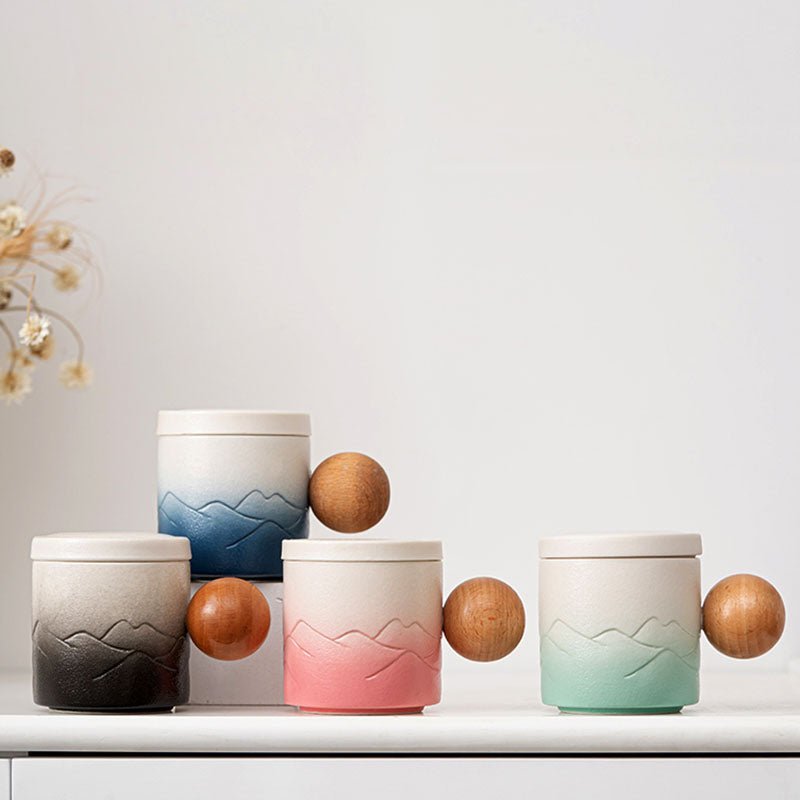
Weed Coffee Mug Buying Guide: Size, Style, and Daily Use
A weed coffee mug should work as well at the sink as it does on a desk. We break down size, finish, and everyday trade-offs so you can pick one that fits real use.
Подробнее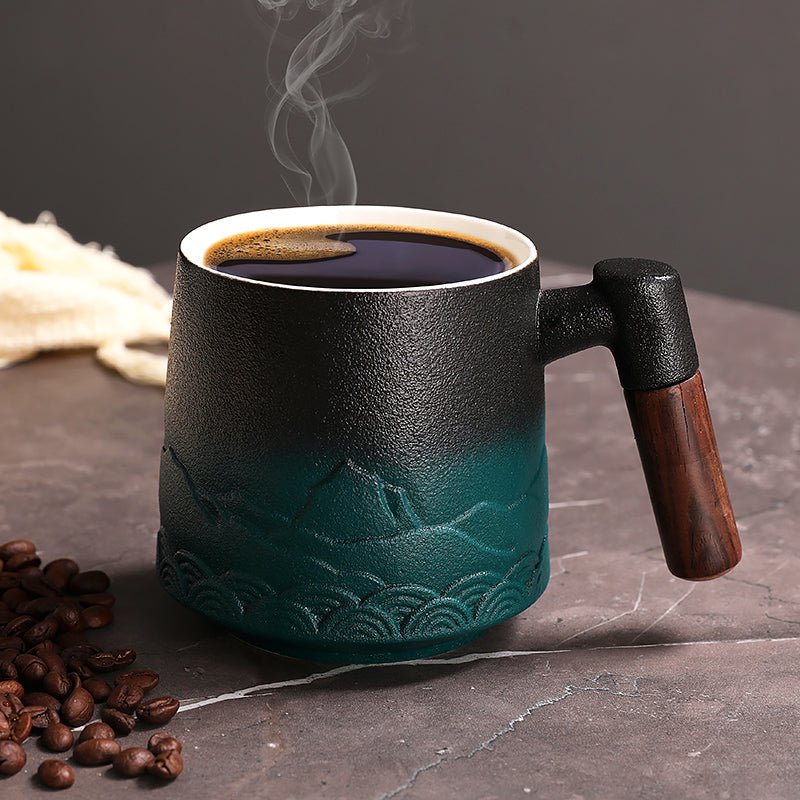
Coffee Mug Quotes: How to Choose a Mug People Actually Use
A practical guide to coffee mug quotes that helps shoppers pick a mug that fits the cup size, the drink, and the person receiving it. We cover what works for gifting, daily use, and display-worthy ...
Подробнее
Оставить комментарий
Этот веб-сайт защищается hCaptcha. Применяются Политика конфиденциальности и Условия использования hCaptcha.