
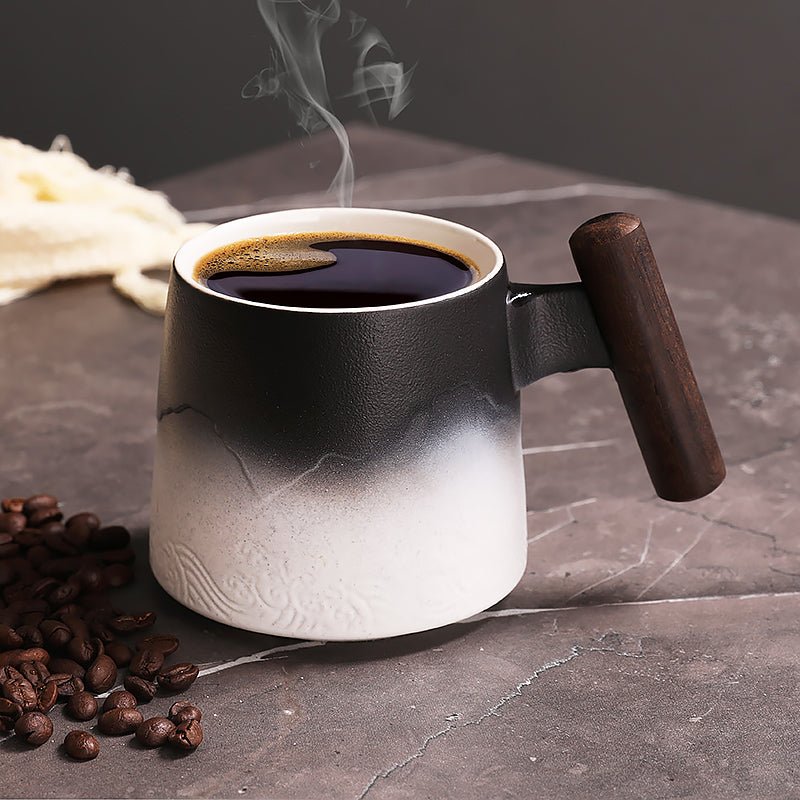
Glassware Coffee Mugs: How to Choose the Right One for Daily Use
Reading time: about 9 minutes
A clear glass mug looks sharp on a kitchen counter. It also shows you the coffee, the crema, and any milk swirl you poured by hand. That visual appeal is the big reason shoppers look at glassware coffee mugs first. The practical question is whether that style fits your routine, your dishwasher, and how hot you like to drink.
We handle mug choices for real shoppers every day, and the pattern is consistent: people love the look of glass, then start asking about heat, weight, comfort, and breakage. Those are the right questions. A good glass mug can be a clean everyday pick for desk coffee, afternoon tea, or an at-home latte. A poor one feels too thin, gets uncomfortably hot, or chips faster than you expected.
If you want to browse current mug options while you read, start with our products page or compare the full assortment in our collection.
What makes glassware coffee mugs worth considering?
Glass mugs earn their spot for three reasons: visibility, taste neutrality, and style. You can see the drink level at a glance. You do not get the visual clutter that a printed mug can add to a minimalist kitchen. And for many buyers, glass simply feels cleaner around coffee with milk, sugar, or layered drinks.
In our experience, shoppers usually choose glass when they care about presentation as much as function. That makes sense for a home coffee bar, guest service, office desk, or gift bundle. A clear mug also pairs well with espresso drinks that look better in transparent drinkware than in opaque ceramic.
Glass is not the best choice for every routine. If you grip your mug with one hand while walking around the house, or you often pour very hot coffee and expect the mug to stay warm to the touch, ceramic or insulated drinkware may be the better fit. Glass tends to transmit heat faster, so it often needs a handle and a little more care.
How do glass mugs compare with ceramic mugs?
This is the comparison most buyers make first, and for good reason. The differences are practical, not just aesthetic.
| Feature | Glass mug | Ceramic mug |
|---|---|---|
| Appearance | Clear, modern, shows the drink | Opaque, more traditional, better for printed designs |
| Heat feel | Can feel hotter on the outside unless double-walled | Usually feels a bit more insulating in the hand |
| Weight | Often lighter, depending on wall thickness | Usually heavier and more solid |
| Durability trade-off | Can chip or crack if knocked hard | Also can chip, but thicker walls often feel sturdier |
| Best use | Lattes, tea, casual home use, gift presentation | Daily desk coffee, hotter drinks, more forgiving handling |
We would not recommend glass mugs for someone who routinely drops dishes into a crowded sink or stacks heavy cookware against their drinkware. That kind of kitchen traffic is hard on glass edges and handles. If you want a mug for rougher everyday handling, ceramic is often the safer bet.
Which details matter most before you buy?
A lot of shoppers only look at the photo. We check the small details that decide whether a mug gets used every morning or ends up in the back of the cabinet.
- Wall thickness: Thicker glass usually feels more substantial and less fragile, but it can also make the mug heavier.
- Handle space: A narrow handle can be fine for small hands, but if you like a secure two-finger grip, check the opening and the distance from the body of the mug.
- Capacity: Match the size to your actual pour. A mug that is technically large can still feel awkward if you only drink a small 8 oz cup.
- Base stability: A wider base is usually less tippy on a desk or coffee table.
- Rim shape: A smooth rolled rim usually feels better on the mouth than a sharp cut edge.
- Care label: Dishwasher-safe is helpful, but we still recommend checking whether the mug is also microwave-safe before assuming it is.
Those details matter more than the photo filter. A clear mug with a beautiful shape can still disappoint if the handle is too tight or the body feels too delicate for daily use.
What sizes work best for coffee, lattes, and tea?
Size is where many buyers overbuy. They picture a generous serving, then realize the mug is too large for a standard morning coffee. If you want to compare size choices carefully, our size-focused guides can help: 12 oz Coffee Mugs: What to Check Before You Buy, 16 oz Coffee Mugs: What to Check Before You Buy, and 20 Ounce Coffee Mugs: What Buyers Should Check Before Ordering.
For glass mugs, the most common fit points are straightforward:
- 10 to 12 oz: Better for straight coffee, tea, or a smaller pour that should stay visually balanced in the mug.
- 14 to 16 oz: A flexible middle ground for drip coffee, lattes, and drinks with milk or cream.
- 20 oz and up: Good for long work sessions or larger pours, but the mug can feel bulky and may cool differently if it is a thin-walled design.
We usually steer buyers toward the smallest size that still fits their routine. Oversized mugs can make a drink look half-finished, and they can be awkward if your coffee maker dispenses a standard brew volume. If you mostly drink a normal drip coffee at home, a mid-size glass mug tends to be the safest choice.
Are glassware coffee mugs durable enough for everyday use?
Sometimes yes. Sometimes not the way people hope. Durability depends on the type of glass, the thickness of the walls, the shape of the handle, and how you wash it.
Here is the real-world breakdown we give shoppers:
- Good for: Light to moderate daily use, careful sink washing, dishwasher cycles when the product is labeled for it, and home or office settings where the mug is not being tossed around.
- Less ideal for: Dorm rooms, heavy commute bags, kids’ drinkware, outdoor patios with rough handling, or kitchens where mugs are routinely stacked tightly.
- Common failure modes: Chips on the rim, cracks around the handle join, and stress fractures from a sudden temperature change.
A useful rule of thumb: if you pour boiling water directly into a cold thin glass mug, give it a moment to acclimate. Even when a mug is made for hot drinks, sudden thermal shock is one of the easiest ways to shorten its life.
We tell shoppers the same thing we tell our own team when packing orders: glass is not fragile by default, but it does reward careful handling. If the mug feels thin, stores loosely in your cabinet, or arrives with a sharp edge, that is a warning sign, not a style feature.
How should you care for glass mugs so they last longer?
Care is simple, but the habit matters. A glass mug that is washed and stored well can stay in rotation for a long time. A poorly handled one may chip quickly even if the glass itself is decent.
Our practical care checklist:
- Rinse soon after use so coffee oils do not dry on the surface.
- Use a soft sponge rather than a gritty scrubber on the rim and handle.
- Check whether the mug is dishwasher-safe before putting it in a hot cycle.
- Leave space in the rack so the handle does not get knocked against plates or tumblers.
- Store it where the rim is not rubbing against other mugs or heavy dishware.
If you use a dishwasher, the mugs should sit securely and not wobble during the cycle. That sounds minor, but wobble is how chipping happens. For hand washing, the safest routine is quick, gentle, and separate from sharp utensils in the sink.
What type of buyer is glass the wrong choice for?
We think honest trade-offs help people buy once and buy well. Glassware coffee mugs are not the best choice for every customer.
Consider a different style if you:
- Want the best possible heat retention for slow sipping.
- Need something that can handle rough daily handling in a busy household.
- Prefer a mug that feels heavy and grounded in the hand.
- Plan to use the mug outside, in a travel bag, or anywhere breakage risk is high.
In those cases, ceramic, insulated stainless steel, or a thicker stoneware mug may serve you better. Glass shines most when presentation matters and the mug lives a calmer life on a kitchen counter, office desk, or coffee station.
Frequently asked questions
Are glassware coffee mugs microwave safe?
Some are, but not all. Check the product details before microwaving, because the wrong glass or a decorative component can make the mug unsuitable for microwave use. If the mug is labeled microwave-safe, we still suggest short heating intervals rather than long blasts.
Do glass coffee mugs keep coffee hot as long as ceramic mugs?
Usually not. Standard single-wall glass tends to lose heat faster than a thicker ceramic mug, especially if the room is cool. Double-walled glass can help, but if maximum heat retention is your priority, ceramic or insulated drinkware is usually better.
Can glass mugs go in the dishwasher?
Many can, but the product listing should say so clearly. Even dishwasher-safe mugs should be loaded with space around the handle and rim so they do not knock into other items. Gentle placement matters as much as the wash cycle itself.
What size glass mug is best for latte drinks?
A 14 to 16 oz mug is often the most flexible choice for lattes, especially if you like room for foam or milk. Smaller mugs can look crowded once you add milk, while very large mugs can make a standard latte portion feel underfilled.
Why do some glass mugs feel heavier than others?
Wall thickness and base thickness make the difference. A thicker mug usually feels more substantial and stable, while a thin one feels lighter but may also seem more delicate. If you want a mug that feels secure on a desk, a slightly heavier base is usually a plus.
What should you check before buying from our store?
Before you pick a style, compare the mug against how you actually drink coffee. That is the simplest way to avoid buyer’s remorse.
We suggest checking these points in order:
- Use case: Daily drip coffee, latte presentation, tea, or office use?
- Capacity: Do you want a standard pour or extra room for milk and foam?
- Handle comfort: Does it fit your grip without feeling cramped?
- Care requirements: Dishwasher-safe, microwave-safe, or hand-wash only?
- Durability tolerance: Are you okay with a more delicate feel for the sake of style?
If you want to compare options directly, start with our products page, then move into the full collection to see what matches your preferred size and look. If you are still deciding between capacities, our guides on 12 oz, 16 oz, and large capacity coffee mugs are the fastest way to narrow it down.
The best glass mug is the one that fits your pour, your cabinet space, and your cleaning routine. Check those three things first, then choose the style that you will actually want to use every morning.
More from our blog
Read more
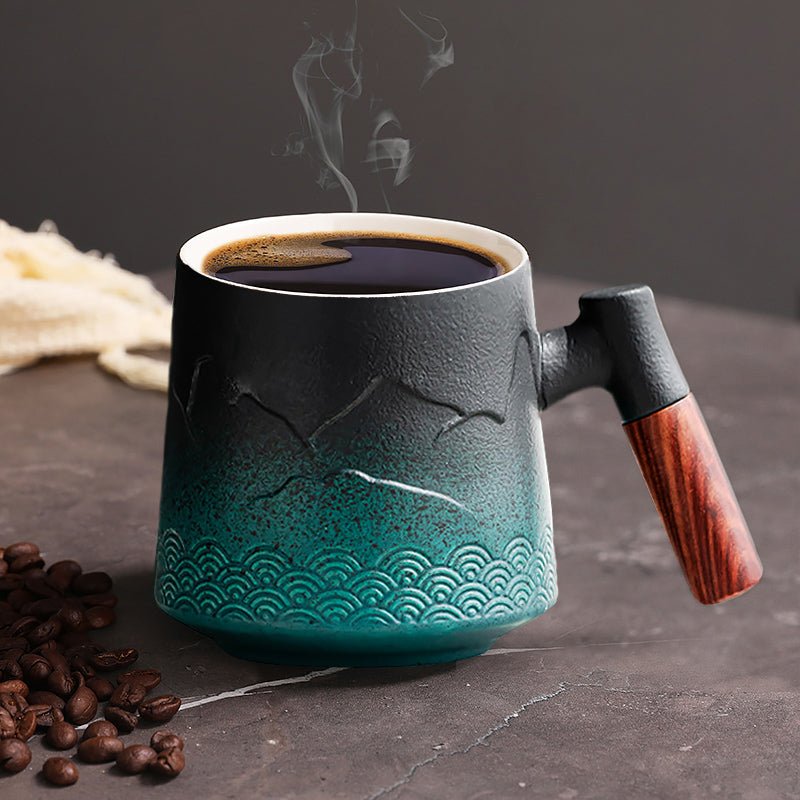
Coffee Mugs with Logo: What Buyers Should Check Before Ordering
A practical guide to choosing coffee mugs with logo for offices, client gifts, and everyday use. We cover size, material, print durability, and the trade-offs that matter before you buy.
Подробнее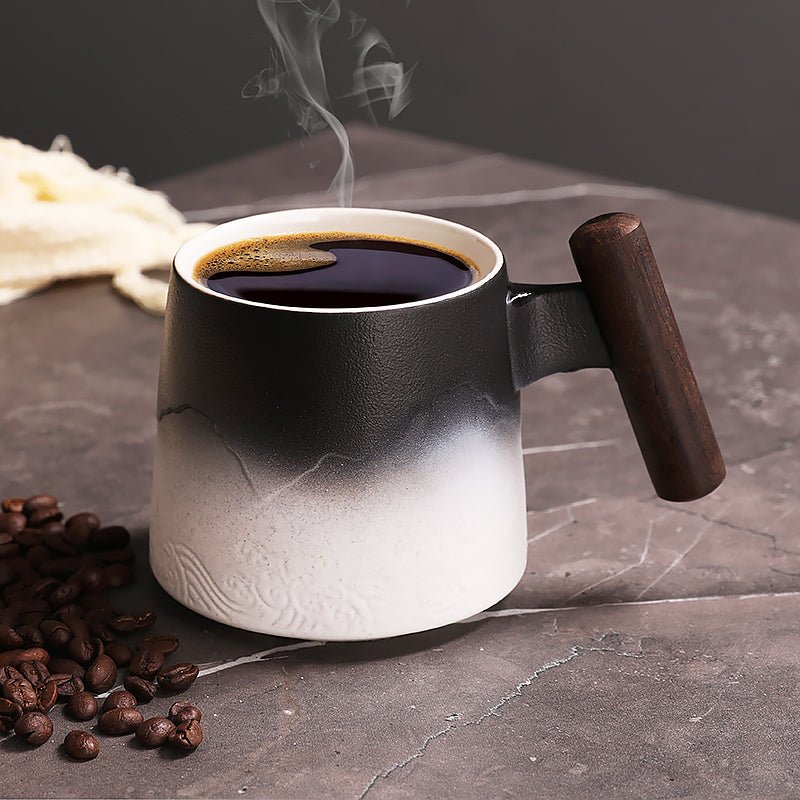
Bubba Coffee Mug Buying Guide: What to Check Before You Buy
A practical guide to choosing a bubba coffee mug for daily use, desk setups, commuting, and gifting. We cover size, lid fit, materials, cleaning, and the trade-offs that matter before you buy.
Подробнее
Оставить комментарий
Этот веб-сайт защищается hCaptcha. Применяются Политика конфиденциальности и Условия использования hCaptcha.