
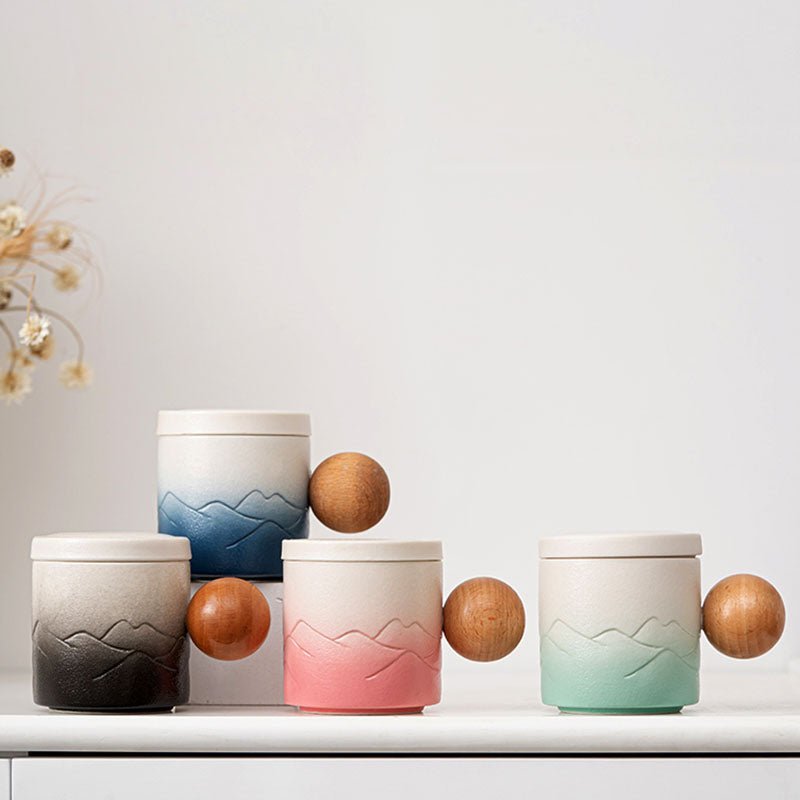
Flat White Cup Shape and Handle Guide: 200, 250, 270 ml
Reading time: about 10 minutes
A cup can look compact in a product photo and still feel awkward once its handle meets your fingers or its rim sits beside your coffee machine. We see this most often when shoppers compare cups by color alone, then discover that capacity, body profile, and handle form have a bigger effect on daily use. This flat white cup shape and handle guide focuses on those visible, verifiable differences across three current options in our store.
The confirmed capacities are straightforward: the Pleated Coffee Tea Cup is 200 ml, the Ball Handled Coffee Tea Mug is 250 ml, and the Emerald Coffee Tea Mug is 270 ml. Those numbers do not establish a required flat white recipe or a barista standard. They simply give you a reliable basis for comparing serving space and potential headroom.
If shape is your first filter, start by viewing the current photographs in our unique coffee mugs collection. The Pleated Coffee Tea Cup is the most compact option in this group by listed capacity, and its pleated exterior gives the body a visibly textured profile rather than a plain-sided appearance.
Flat white cup shape and handle guide: what changes in daily use?
Shape affects more than appearance, but product photographs should be read carefully. Look at the cup from the side, above, and at the handle. A front-facing image may show the finish clearly while hiding the amount of finger room or the relationship between the handle and the cup body.
In our experience handling and selling cups, shoppers get a more useful comparison by separating the cup into four parts:
- Body profile: Check whether the sides appear straight, tapered, rounded, or visibly pleated. A textured wall may be the main design feature, while a simpler wall can be easier to coordinate with existing tableware.
- Rim and opening: Use the overhead listing image to judge the visible opening. Do not infer an exact rim diameter unless that measurement is listed on the product page.
- Handle form: Compare where the handle joins the body, how far it projects, and whether it appears designed for a pinch grip or more finger clearance.
- Footprint and height: Read the current listed dimensions before buying for a narrow shelf, crowded office desk, cup warmer, or low-clearance coffee machine.
The last point matters because capacity alone does not reveal the external dimensions. Two cups can hold similar amounts while using different proportions. We do not substitute visual estimates for listed measurements, and shoppers should verify the current dimensions on each product page if cabinet or machine clearance is tight.
How do 200 ml, 250 ml, and 270 ml change the amount of headroom?
Headroom is the unfilled space between the drink and the rim. It can make a cup easier to carry from the kitchen counter to a desk, but the useful amount depends on how much coffee and milk you actually pour. None of these capacities requires a specific recipe.
| Current option | Listed capacity | Capacity difference | Practical buyer fit |
|---|---|---|---|
| Pleated Coffee Tea Cup | 200 ml | Baseline | For a compact serving or shoppers who intentionally pour less than the full capacity |
| Ball Handled Coffee Tea Mug | 250 ml | 50 ml more than 200 ml | For added room without moving to the largest option in this comparison |
| Emerald Coffee Tea Mug | 270 ml | 20 ml more than 250 ml | For the most listed capacity and potential headroom of these three choices |
The 50 ml step from 200 ml to 250 ml is larger than the 20 ml step from 250 ml to 270 ml. That distinction is easy to miss when all three products are shown at different photographic scales. If capacity is your main decision rather than shape, our flat white cup capacity guide for 200 ml, 250 ml, and 270 ml goes deeper into serving room and routine fit.
Which cup fits a compact serving, a distinctive grip, or extra room?
For a compact serving and visible exterior texture
Choose the 200 ml Pleated Coffee Tea Cup if you want the smallest listed capacity in this comparison and the pleated body is the design detail that draws you in. It suits a kitchen where a compact cup feels more natural than a larger mug, especially if your usual pour leaves enough space below the rim.
The trade-off is simple: 200 ml provides less total room than either of the other options. It is not the strongest fit for someone who routinely adds a generous amount of milk, prefers substantial headroom, or wants one mug to cover larger coffee and tea servings.
For a handle that becomes the visual focal point
The Ball Handled Coffee Tea Mug pairs a 250 ml listed capacity with a handle form that is central to the design. It is the clearest next step for a shopper who wants a flat white coffee cup that looks different from a conventional loop-handled mug.
A sculptural handle is not automatically the most comfortable handle for every hand. Before ordering, inspect the side and rear photographs and consider how you normally lift a cup. Someone who wants to place several fingers through a large loop may prefer a different handle style. The 250 ml capacity does, however, provide 50 ml more total space than the Pleated cup.
For the largest listed capacity in this set
The Emerald Coffee Tea Mug is the 270 ml option. It fits the shopper who wants more potential serving room or headroom but still wants to stay within this compact flat white cup comparison rather than move immediately to a substantially larger everyday mug.
The difference from 250 ml is only 20 ml, so color, body profile, handle appearance, and current listed dimensions may reasonably decide the purchase. It is not necessary to choose 270 ml just because it is the largest number. If your standard pour already fits comfortably in 250 ml, that extra space may offer little practical value.
What should you inspect about the handle before ordering?
Handle comfort is personal. Hand size, grip style, cup weight when filled, and even rings can change the experience. We cannot determine a universal best cup for flat white from handle shape alone, but product images can answer several useful questions.
- Find the handle attachment points. Look at where the handle meets the body at the top and bottom. These joints should also be inspected after delivery for visible cracks or damage before the cup is used.
- Check projected clearance. A handle that sits close to the body may suit a pinch grip but may not provide the finger space expected from a broad loop.
- Compare the handle with the rim. A handle mounted higher or lower changes where the cup balances in your hand, although photographs cannot tell you exactly how it will feel when full.
- Think about storage. A projecting or sculptural handle can occupy more shelf width than the cup body suggests. This matters in shallow cabinets and shared office kitchens.
- Do not assume handedness from one image. Check all listing photographs if decorative details appear on only one face of the cup.
The Ball Handled option is the obvious choice when the handle itself is the purchase driver. The Pleated cup makes more sense when body texture and the 200 ml capacity lead the decision. For the Emerald mug, compare its current product photographs directly with the other two rather than relying on the product name to describe exact handle geometry.
Which dimensions and care details need a final product-page check?
Catalog information can be updated, so dimensions and care instructions should be confirmed on the live listing at the time of purchase. This is particularly important if the cup must fit beneath a machine outlet, inside a cabinet with fixed shelf spacing, or on a small cup warmer. Capacity does not guarantee compatibility with any of those spaces.
Use this practical check before adding a cup to your cart:
- Compare the listed overall height with the clearance beneath your coffee machine.
- Compare the widest listed measurement, including the handle where available, with your shelf or storage slot.
- Confirm the stated material and care directions instead of assuming them from a glossy or glazed appearance.
- Do not assume dishwasher or microwave suitability unless the current product listing explicitly states it.
- After delivery, inspect the rim, foot, surface, and handle joints for shipping damage, hairline cracks, sharp irregularities, or instability on a level counter.
For repeated dishwasher cycles, follow the specific care instructions supplied with the product. A cup that is better suited to hand washing may be inconvenient in a busy office kitchen, even if its capacity and shape are otherwise right. Likewise, a heavily textured exterior may appeal visually but can be less aligned with a shopper who wants the plainest possible surface.
When would a different cup style be the better purchase?
These three options are not right for every routine. A larger mug would be more practical if you regularly make long milk drinks, add substantial syrups or toppings, or want room for a larger tea serving. A handleless cup may suit someone who prefers to cradle the body, while a broad conventional loop may suit a shopper who prioritizes multiple-finger clearance over a sculptural look.
Also consider where the cup will be used. On a crowded office desk, a wider handle can take up valuable space beside a keyboard. For a gift, a distinctive pleated body or ball handle may make a stronger first impression, but the recipient's grip and care preferences are less certain. For a household set, repeatable storage and coordination with existing dishes may matter more than choosing the most unusual shape.
Shoppers still weighing overall format, material information, and serving room can use our broader flat white cup buying guide. That article covers the wider decision; this guide stays focused on shape, handle form, capacity, and the product-page details that should be verified.
A short checklist for comparing the three current options
- Choose 200 ml if a compact listed capacity and the Pleated cup's textured profile are your priorities.
- Choose 250 ml if you want 50 ml more capacity and the ball-shaped handle is the design feature you prefer.
- Choose 270 ml if you want the most listed room among these three and the Emerald mug's current shape and finish suit your tableware.
- Compare live dimensions if machine clearance, cabinet depth, or desk space is limited.
- Confirm material and care statements on the current listing before planning microwave or dishwasher use.
- Pick a different style if you need a much larger serving, a broad conventional handle, or a handleless cup.
Frequently asked questions
What is the best cup shape for a flat white?
There is no single required shape. A compact profile may suit a smaller pour, while a roomier cup can provide more headroom for carrying the drink. Base the choice on your serving amount, grip, storage space, and the visible dimensions shown on the current product listing.
Is a 200 ml or 250 ml flat white coffee cup more practical?
The 200 ml Pleated cup suits a smaller serving and leaves less total room. The 250 ml Ball Handled mug adds 50 ml of capacity, which may be more practical if your usual pour feels crowded in 200 ml. Neither size establishes a required coffee-to-milk ratio.
Does the ball handle fit every hand comfortably?
No handle form can be guaranteed to suit every hand. The Ball Handled mug is best considered by shoppers who like a sculptural grip and have reviewed the handle from several product-image angles. A conventional open loop may be better if multiple-finger clearance is essential.
Does this flat white cup shape and handle guide recommend 270 ml for more headroom?
The 270 ml Emerald mug has the largest listed capacity of the three, so it offers the greatest potential room for the same measured pour. Actual headroom depends on how much drink you add, and the 20 ml increase over the 250 ml option may be less important than handle and dimension differences.
Can these cups go in a dishwasher or microwave?
Check the current care instructions on each product page before using a dishwasher or microwave. We do not infer appliance suitability from the cup's appearance, finish, or capacity. If easy machine care is essential, treat an unstated care detail as something to confirm before purchase.
Measure your available machine and shelf space, note your normal pour volume, and decide whether body texture, handle design, or extra room matters most. Then compare the live photographs and specifications in our unique coffee mugs collection before selecting the shape that fits your routine.
More from our blog
Read more
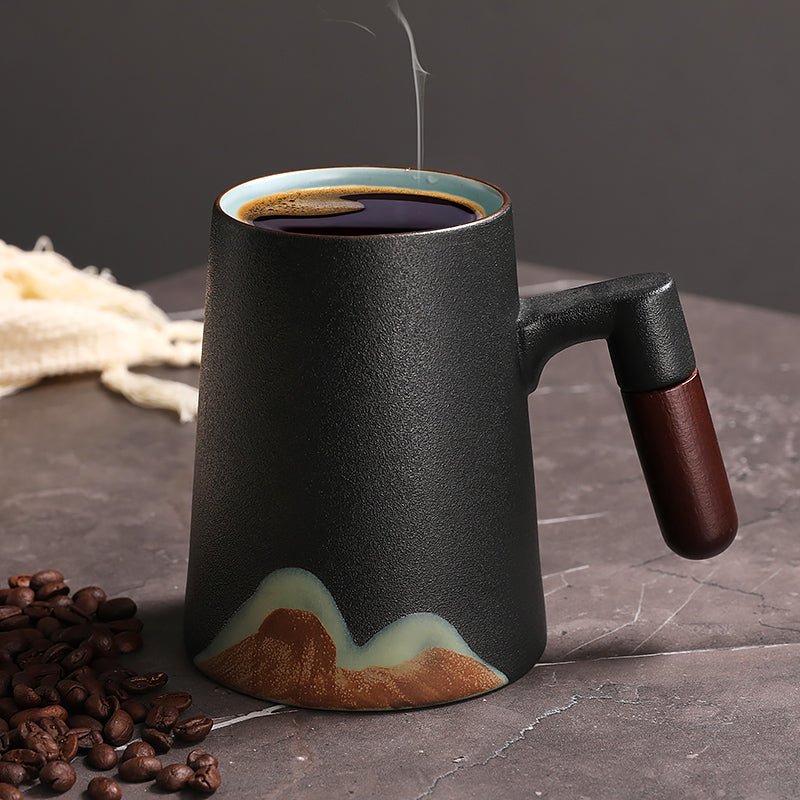
Cafe au lait mug comparison: 400, 440, or 480 ml?
Compare three current CoffeifyMug options by listed capacity, shape, handle considerations, and everyday fit. See which mug makes sense for shorter servings, fewer refills, desk use, or gifting.
Подробнее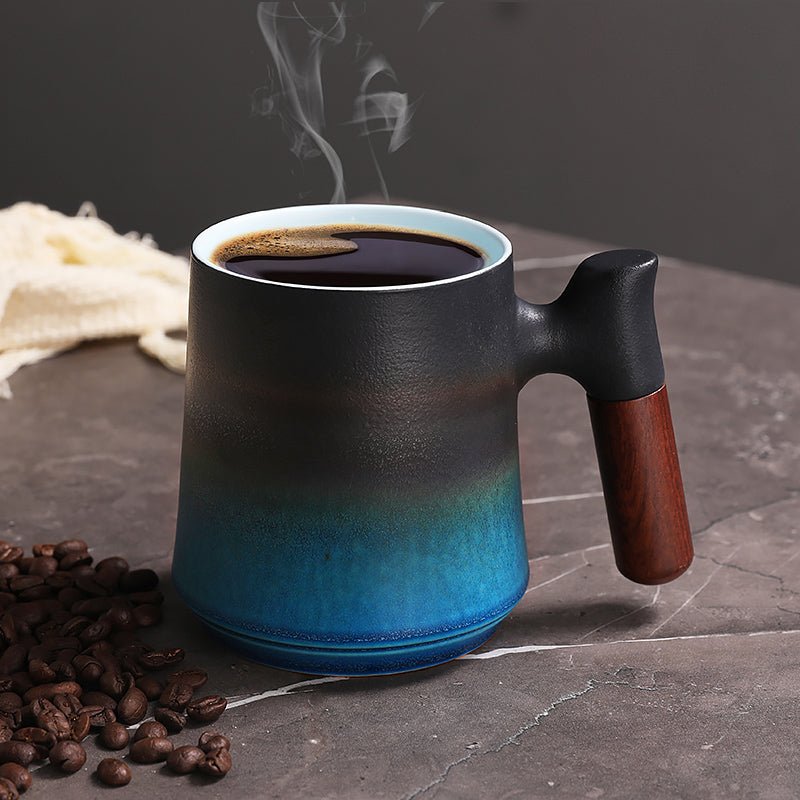
Hot Cocoa Mug Shape and Handle Guide: 400 ml vs 480 ml
Compare The Rock, Gradient, and Flow by capacity, visible profile, handle form, listed dimensions, and everyday placement. This guide also explains which details need checking on the live product p...
Подробнее
Оставить комментарий
Этот веб-сайт защищается hCaptcha. Применяются Политика конфиденциальности и Условия использования hCaptcha.