
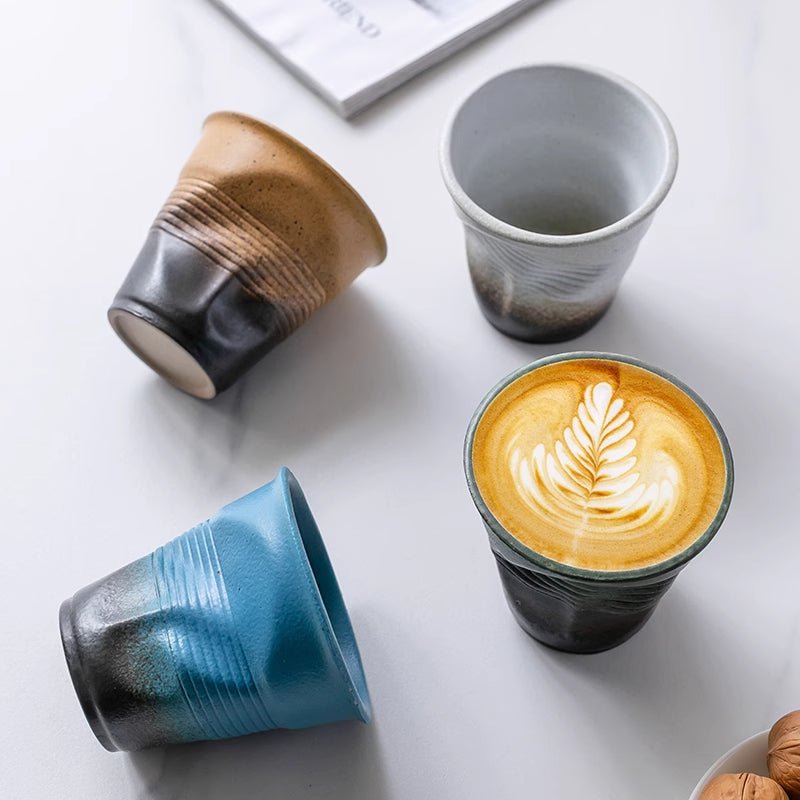
Fancy Tea Cups: What to Look For Before You Buy
Reading time: about 9 minutes
We see the same pattern in our store all the time: someone wants fancy tea cups for the shelf, but they also want cups that feel right in the hand and still make it through weekday washing. That is a different brief from buying display-only china. It means paying attention to the rim, the handle, the glaze, and the size, not just the pattern.
If you are choosing tea cups for home use, a gift, or a small hosting set, the right pick should do three jobs at once. It should look polished on a breakfast tray. It should pour and sip cleanly. And it should not turn into a delicate object that everyone avoids using.
What makes fancy tea cups worth buying?
The word fancy can mean a lot of things. Sometimes it means ornate decoration. Sometimes it means a finer feel in the hand. In practice, the best fancy tea cups usually have a few clear traits: a thinner-looking rim, a balanced handle, a stable foot, and a glaze or finish that looks intentional rather than busy.
We look at these cups the same way a customer does after unboxing them on a kitchen counter. The first impression matters, but so does what happens after the second wash. A cup can look elegant and still be awkward if the handle is too small, if the wall feels bulky, or if the base rocks on a table.
For buyers comparing options, our own product pages at https://coffeifymug.com/products are the fastest way to see what is currently available, while the broader https://coffeifymug.com/collections/all collection helps if you want to compare styles side by side.
Which materials work best for fancy tea cups?
Material changes the whole experience. It affects heat retention, weight, durability, and the look of the finished piece. If you want a cup that feels special but still practical, material choice is where most of the trade-offs show up.
| Material | What it feels like | Best for | Trade-off |
|---|---|---|---|
| Porcelain | Light, refined, smooth | Formal settings, gifting, hot tea service | Can chip if knocked against hard surfaces |
| Ceramic | Heavier, solid, everyday-friendly | Daily use, casual entertaining | Usually less delicate-looking than porcelain |
| Bone china-style finish | Very light with a polished feel | Elegant table settings, special occasions | Often best handled with more care |
Porcelain is the most common match for a fancy look because it gives you a clean profile and a smooth glaze. Ceramic can be a better choice if you want something that feels sturdy in regular use. A finer, lighter material may look more formal, but it is not automatically better if your cups live in a busy kitchen with a dishwasher running most evenings.
Our advice is simple: if you expect a set to be used often, do not buy purely on appearance. That is the same reason we tell readers in our Tea Mug Buying Guide: Best Materials, Sizes, and Everyday Use to think about how the cup will actually move through the day, from cabinet to table to sink.
What size should fancy tea cups be?
Size changes how tea tastes and how the cup feels to hold. A smaller cup can make tea service feel more refined, especially for loose-leaf tea, stronger black tea, or a formal after-dinner setting. A larger cup is better if the buyer wants a longer drink, less frequent refills, or a cup that also works for herbal blends.
In real use, we see a common mistake: people choose a pretty cup that is too small for how they actually drink tea. If you like to sit at a desk or on the couch for a while, a tiny cup may feel impractical. If you are serving guests, a large mug-like shape can undermine the elegant look you wanted in the first place.
Think about these size questions before buying:
- Do you want a cup that feels formal on a tray or one that works for everyday refills?
- Will this sit with a saucer, or do you want the cup alone to look complete?
- Are you buying for tea only, or do you want a cup that can handle coffee, cocoa, or soupier drinks too?
If you are comparing oversized options too, our Big Coffee Cups: What to Check Before You Buy a Large Mug article is useful because the same size trade-offs apply once a cup starts getting larger and less formal.
Which design details matter most for daily use?
This is where fancy tea cups either earn their keep or become shelf decoration. Decoration matters, but the small structural details decide whether a cup is enjoyable to use every week. We check the same things a careful buyer would notice after holding the cup for 10 seconds.
- Rim thickness: A thinner rim usually feels more refined when sipping. Too thick, and the cup loses that polished feel.
- Handle shape: The handle should fit at least two fingers comfortably without forcing a grip. If the opening is tight, the cup can feel awkward once filled with hot liquid.
- Base stability: A cup should sit flat. A slightly uneven foot ring can make it wobble on a tray or desk.
- Glaze finish: Even, smooth glaze is a sign of better presentation. Patchy glaze or rough spots around the handle often show where finishing quality slipped.
- Weight balance: Fancy does not need to mean fragile. A well-balanced cup feels lighter than it is because the weight is centered, not clumsy.
Handle shape deserves special attention. If a cup is meant for a long sip, the handle has to stay comfortable when the cup is full and warm. We cover this more deeply in Daniel Handle Tea Cups: What Buyers Should Check Before Ordering, because a stylish handle can still be the wrong handle if it pinches, twists, or leaves little clearance for fingers.
Also watch for common defect modes that are easy to miss in product photos: uneven glazing near the rim, a handle that is slightly misaligned, tiny pinholes in the finish, or a base that feels sharp against the table. Those are the details that separate a nice-looking cup from one that feels genuinely finished.
Are fancy tea cups good for gifting?
Yes, but only if they are chosen with the recipient in mind. Fancy tea cups are a strong gift when the person already drinks tea, likes hosting, or enjoys objects that elevate a daily ritual. They are less useful for someone who treats tea as an afterthought and would rather have a larger mug.
For gifts, presentation matters almost as much as the cup itself. A matching pair reads as intentional. A single statement cup can work if the design is distinctive. A full set is better if the person hosts often or likes a coordinated kitchen shelf. The key is to avoid overcomplicating the choice with fragile details that make the gift hard to use.
We also think about storage. A tea cup that looks beautiful but does not stack well, or that needs constant careful handling, may not be a good fit for someone with limited cabinet space. That is a real limitation, and it is worth saying plainly. Some fancy tea cups are made for display and occasional use, not for a crowded household kitchen.
How do fancy tea cups compare with tea mugs?
This is the decision point most shoppers are really making. Fancy tea cups usually prioritize presentation, balance, and a more formal sip. Tea mugs lean toward volume, heat retention, and everyday convenience. Neither is universally better.
If you want a set for an afternoon table, polite hosting, or gifting, fancy tea cups usually win. If you want something for desk use, relaxed drinking, or long infusions, a mug is often the smarter choice. We see buyers regret tea cups when they expected mug-level capacity. We also see buyers regret mugs when they really wanted the elegance of a cup and saucer setup.
If your style leans more relaxed, our Tea Mugs: How to Choose the Right Size, Material, and Style guide helps you compare the practical side without losing sight of appearance. And if you like lighter, more playful picks for daily use or gifting, Coffee Cups Cool: What to Buy for Daily Use and Gifting makes the same comparison in a different category.
What should you check before ordering online?
Online photos can flatter almost any cup. Before you buy, use a short checklist so you do not mistake styling for quality. This is especially useful when you cannot hold the cup in person first.
- Dimensions: Check actual height, opening width, and total capacity, not just the visual size in photos.
- Handle clearance: Make sure the handle opening suits the fingers of the person using it.
- Care instructions: Confirm whether the cup is dishwasher-safe, microwave-safe, or hand-wash only.
- Set contents: Know whether you are buying a single cup, a pair, or a complete set with saucers.
- Finish and color variation: Handmade or reactive finishes can vary slightly from piece to piece.
If you want a simple path, start with the current assortment at our all-collections page, then compare the shape, size, and finish against how you drink tea at home. That is usually a better way to shop than choosing the prettiest photo and hoping the cup behaves well later.
Our rule in the store is straightforward: if a cup looks expensive but feels fussy, it is not the right buy for most people. The best fancy tea cups feel special without making everyday tea harder.
Frequently asked questions
Are fancy tea cups dishwasher-safe?
Some are, some are not. Porcelain and glazed ceramic cups are often easier to clean, but decorative finishes, metallic accents, and hand-painted details may need hand washing. Always check the care note before buying so the cup matches the way you actually clean dishes.
Do fancy tea cups hold heat as well as mugs?
Usually not as long as a thicker mug. Tea cups are often lighter and more delicate in feel, which is part of their appeal, but that also means they can lose heat faster. If slow sipping is important, choose a cup with a slightly thicker wall or pair it with a saucer and cover.
What size is best for fancy tea cups?
For a more traditional tea experience, smaller to medium cups tend to feel best because they keep the serving elegant and manageable. If the cup is too tiny, it can be inconvenient for daily use. If it gets too large, it starts to behave like a mug and loses the formal look.
Can fancy tea cups be used every day?
Yes, if the material and finish are practical enough for regular use. We recommend choosing a cup that is comfortable to hold, stable on the table, and easy to clean. If you only buy for special occasions, you may end up with something beautiful that sits unused.
What is the main trade-off with fancy tea cups?
The main trade-off is elegance versus convenience. More decorative cups often need more care, while more durable cups may look less delicate. Pick the side you will actually use most often, not the one that only looks good in the listing photo.
If you are ready to compare styles, start with the current selection on our products page and check each cup against the checklist above: material, size, handle clearance, finish, and care. That is the fastest way to find fancy tea cups that look right and still make sense in real life.
More from our blog
Read more
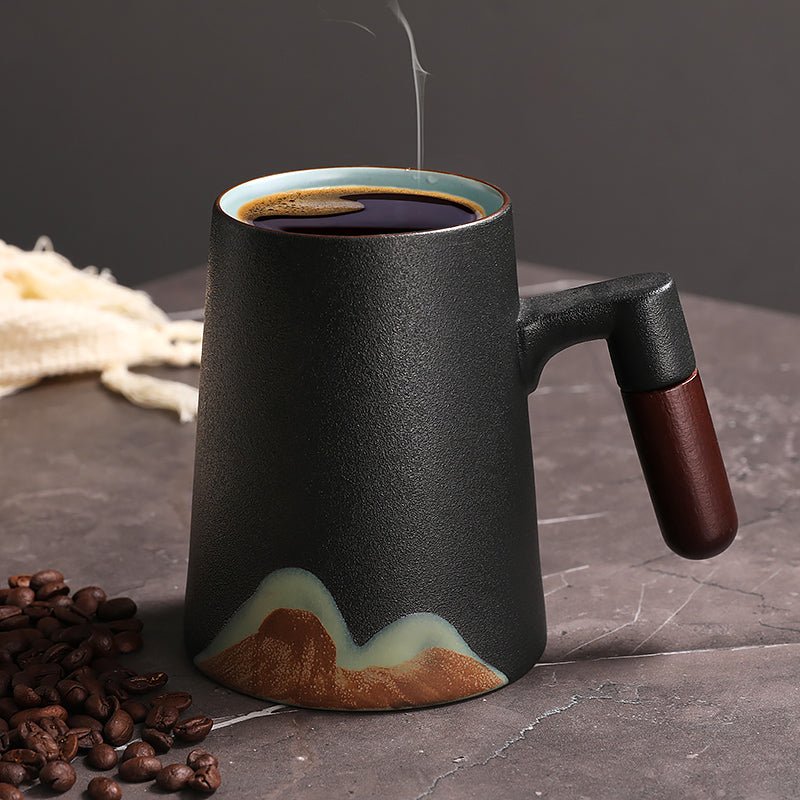
Unique and Stylish Mugs for My Morning Coffee: What to Buy
A practical guide to unique and stylish mugs for my morning coffee, with notes on size, material, comfort, and what actually holds up after repeated use.
Подробнее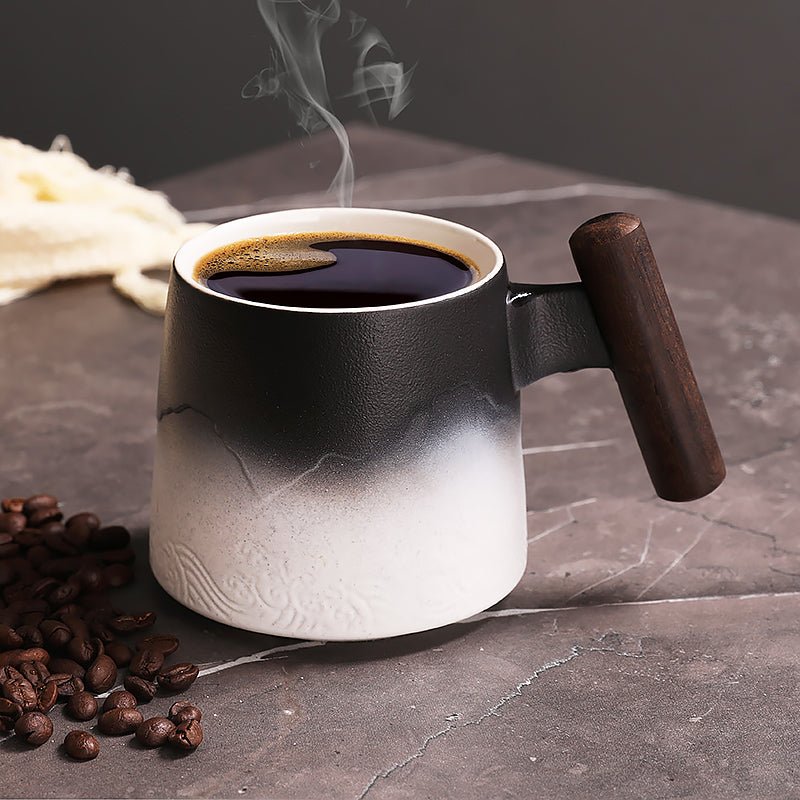
Campfire Coffee Mugs: What to Check Before You Buy
Campfire coffee mugs need to hold heat, fit the hand, and clean up without fuss. Here is what we look for in materials, sizes, handles, and everyday care.
Подробнее
Оставить комментарий
Этот веб-сайт защищается hCaptcha. Применяются Политика конфиденциальности и Условия использования hCaptcha.