
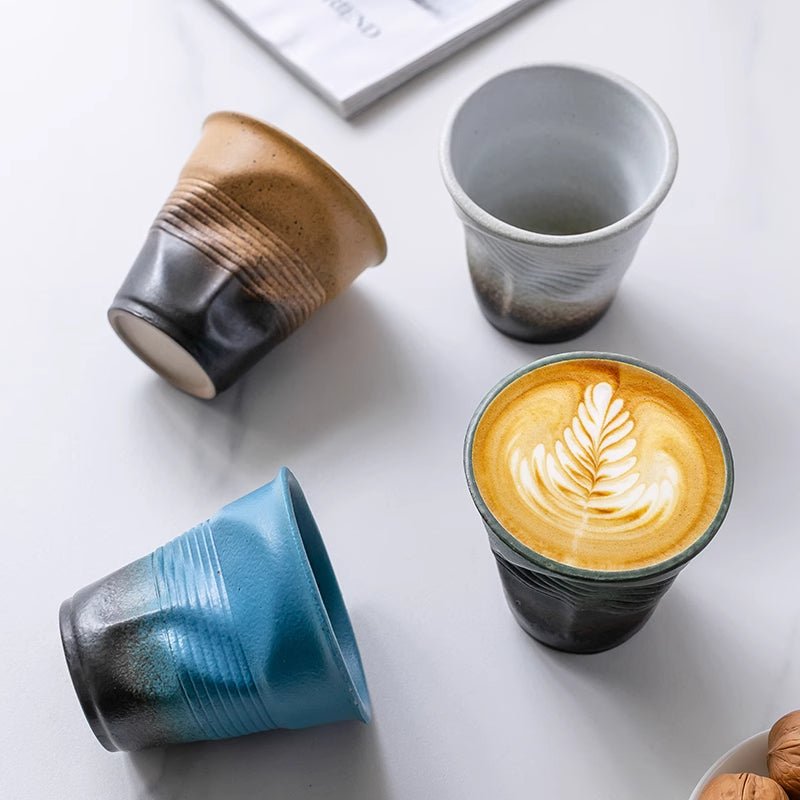
Fancy Tea Cups: What to Check Before You Buy
Reading time: about 9 minutes
A cup gets judged before the tea is poured. On a kitchen counter, on an office desk, or during a gift unboxing, fancy tea cups have to look intentional and still feel stable in the hand.
In our store, we see the same problem over and over: a buyer wants something decorative, then realizes the cup has to survive real use. It needs a comfortable handle, a flat base that does not wobble, and a finish that still looks clean after a few wash cycles. That is the difference between a display piece and a cup you actually reach for.
What makes fancy tea cups worth buying?
Fancy tea cups are not just about appearance. The better ones balance style with small practical details that are easy to miss in product photos. A cup can look elegant and still be awkward if the handle is cramped, the rim feels rough, or the body is too top-heavy once it is filled.
We usually tell shoppers to think in three layers: how it looks on the table, how it feels in the hand, and how it behaves after washing. If a cup only works in one of those situations, it is probably not a good buy for everyday use.
- Display: sculptural shapes, standout color, and a finish that reads well on a shelf or tray.
- Daily use: a balanced base, a smooth rim, and a handle that can take regular handling.
- Gift use: a shape that feels memorable without being too fragile or impractical.
If you want an example of the decorative side of the category, our Planet Coffee Tea Mug is the kind of piece people notice immediately on a desk or tea cart. For a more geometric look, the Rhombus Coffee Tea Mug leans into sharper lines and a more modern silhouette. If your buyer is shopping for a gift that feels playful and personal, the Handbag Coffee Tea Mug is the sort of cup people remember after the wrapping paper is gone.
Which style suits daily use, display, or gifting?
The best style depends on where the cup will spend most of its time. A cup for a bookshelf does not need the same balance as a cup that sits next to a keyboard and gets used between meetings. This is where a lot of buyers overbuy looks and underbuy comfort.
| Use case | What to prioritize | What to avoid | Good fit |
|---|---|---|---|
| Daily tea at home | Comfortable handle, steady base, smooth rim | Very top-heavy shapes, hard-to-clean contours | Simple forms with enough volume for your usual brew |
| Office desk use | Stable foot, easy one-handed grip, moderate capacity | Oversized handles that catch on items nearby | Distinctive but compact cups |
| Gift giving | Visual impact, packaging-friendly shape, broad appeal | Overly delicate details that may chip in transit | Statement cups like our novelty designs |
| Display first | Sculptural profile, finish quality, shelf presence | Plain designs if the goal is a focal point | Conversation-piece shapes |
For shoppers comparing a few looks at once, our all products collection is the fastest way to scan the range without guessing from one photo. If you want a broader buying lens before choosing, our article Fancy Tea Cups: What to Look For Before You Buy covers the same decision points from a slightly different angle.
What materials and build details should you inspect?
Material matters because it changes weight, heat feel, and durability. Porcelain and bone china usually feel lighter and more refined. Stoneware tends to feel heavier and more grounded in the hand. Glass is visually striking but usually exposes every water mark and fingerprint. If a listing does not clearly state the material, ask before you buy. Guessing is how people end up disappointed.
We also look closely at build details that do not always show up in a staged photo:
- Rim finish: run a finger along the lip in your mind. A smooth, even rim matters more than most buyers expect.
- Handle clearance: two fingers should fit naturally without pinching your knuckles against the cup body.
- Base stability: a flat foot ring or even bottom helps prevent wobble on a glass table or office desk.
- Glaze quality: watch for pinholes, pooling, or thin spots where the color looks uneven.
- Joint area: on handled cups, the point where the handle meets the body should look clean and secure.
Common defects buyers notice after delivery include tiny glaze specks, a slightly uneven base, or a rim that feels rough in one spot. Those are not always catastrophic, but they are the details that separate a polished piece from a cup that feels rushed. If you are buying a decorative shape, inspect it even more carefully because unusual silhouettes can hide small flaws in photos.
Care is part of the decision too. If a product page specifically says dishwasher-safe, top-rack washing is usually the gentlest approach. If it does not say that, hand wash it. That is especially true for printed decoration, metallic accents, or highly sculpted shapes that may not sit securely in a crowded dishwasher rack.
How do you judge comfort, capacity, and heat retention?
Comfort is the part people remember after the novelty wears off. A fancy tea cup can be beautiful and still be annoying if it gets too hot to hold, feels nose-heavy when full, or forces you to twist your wrist to sip.
Capacity also changes the experience. A smaller cup is usually better for strong tea and quick refills. A larger cup works better if you like a longer sit-down or want room for milk. If you want a deeper breakdown of size choices, our article Large Cups for Tea: How to Choose the Right Size and Shape is the right companion read.
Heat retention depends on the material and the wall thickness. Thicker walls can hold heat longer, but they also add weight. Thin cups feel lighter and more refined, but they may cool faster. There is no universal best choice here. If you drink slowly, a heavier cup may be a better fit. If you like tea at a hotter starting temperature and finish it quickly, a lighter cup may be fine.
We see a lot of real-world use cases where the right cup is not the prettiest one. An office desk usually benefits from something stable and compact. A living room tray can handle a more sculptural profile. A breakfast table can handle a larger opening if you often stir in honey or milk. The best choice depends on the setting, not just the photo.
Which fancy tea cups work best for gifts, offices, and small kitchens?
If you are shopping for a gift, the safest move is to choose a cup that looks distinctive without requiring a lot of explanation. People like gifts they can use right away. They do not want to worry about special washing rules or a shape that only fits one kind of shelf.
For offices and shared spaces, practicality matters more than brag value. A sculptural cup can be fun, but it should still sit flat, rinse cleanly, and survive being moved around a busy kitchenette. In small kitchens, stackability and storage footprint can matter more than the design itself.
- Best for gifts: memorable shapes with a clean silhouette and easy presentation.
- Best for desks: compact cups that do not dominate the workspace.
- Best for small cabinets: simpler forms that store without awkward angles.
- Not ideal for: kids, rough daily travel, or any setting where cups are constantly stacked and knocked around.
If you want ideas grouped by use rather than by individual product, our article Fancy Cups: What to Buy for Daily Use, Gifting, and Display is a useful shortcut. It lines up the trade-offs clearly, which helps if you are comparing a gift purchase against something you will keep for yourself.
One practical limitation worth saying plainly: fancy tea cups are not the best choice if you want a no-fuss mug that you can toss into any cabinet or dishwasher rack without thinking. Their shapes are more distinctive, which is the point. That same design can make them less convenient for heavy rotation or rough handling.
What should you do before placing an order?
Before you buy, run through a short checklist. This takes less time than dealing with a cup that looks good online and feels wrong in person.
- Check the material and make sure it fits your use case.
- Confirm whether the listing mentions dishwasher or hand-wash care.
- Look at the handle, base, and rim shape, not just the front photo.
- Decide whether you want display value or daily convenience to lead the decision.
- Match the cup size to how you actually drink tea, not how you imagine you will drink it.
If you want to compare everything in one place, start with our collection and then narrow down by shape, use case, and finish. That is usually faster than jumping straight to the most decorative option and hoping it fits your routine.
Frequently asked questions
Are fancy tea cups practical for daily use?
Yes, if the cup has a steady base, a comfortable handle, and a finish that can handle regular washing. Some decorative cups are better suited to display than to a busy morning routine, so check the shape and care instructions before you buy.
What size fancy tea cup is best for tea?
It depends on how you drink tea. Smaller cups work well for stronger brews and quick refills, while larger cups are better if you like a longer session or add milk and sweetener. If you are unsure, choose the size that matches your usual pour at home, not a special occasion pour.
Can I put fancy tea cups in the dishwasher?
Only if the product page says they are dishwasher-safe. If that is not stated, hand washing is the safer choice, especially for decorative finishes or sculptural shapes. Even dishwasher-safe cups last longer when they are not packed tightly against other items.
What makes a fancy tea cup comfortable to hold?
A good handle has enough room for your fingers, and the cup should feel balanced when it is full. A smooth rim and a base that sits flat also matter more than people expect. If the cup feels awkward empty, it usually feels worse once it has hot liquid in it.
Which fancy tea cups make the best gifts?
The best gifts are the ones that look special but do not require a long explanation. A memorable shape with a clean finish usually works better than a very fragile or overly niche design. If you want a playful gift, our novelty shapes are a strong place to start.
If you are still deciding, compare the product photos against your real use case, then browse the full collection and pick the shape that fits your table, your cabinet, and the way you actually drink tea.
Read more
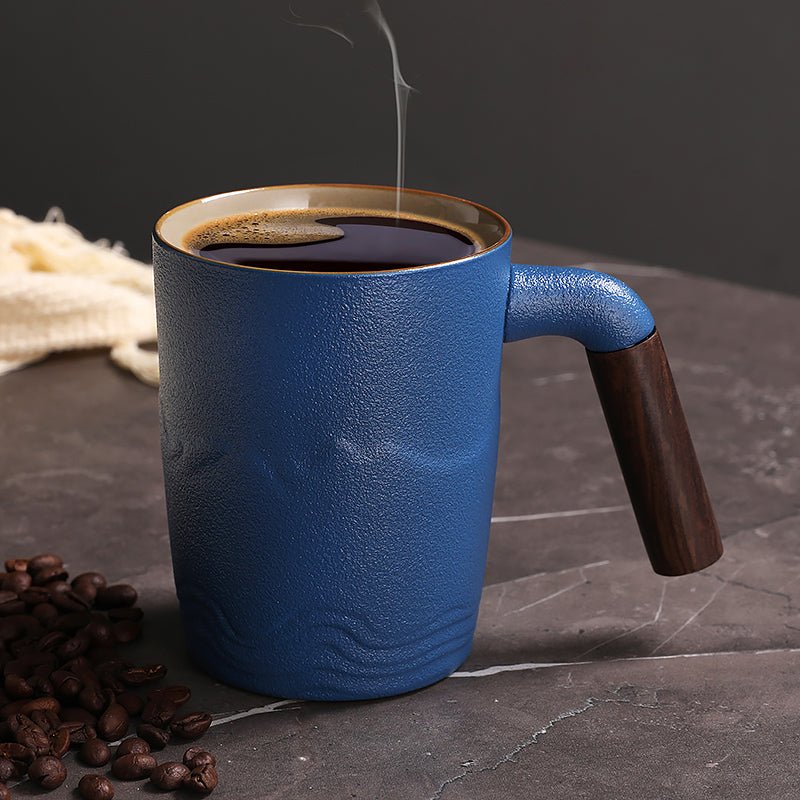
Western Coffee Mugs: How to Choose the Right Shape and Finish
Western coffee mugs should look good on the counter and still feel comfortable in daily use. This guide compares shape, grip, finish, and practical trade-offs so you can choose the right one before...
Подробнее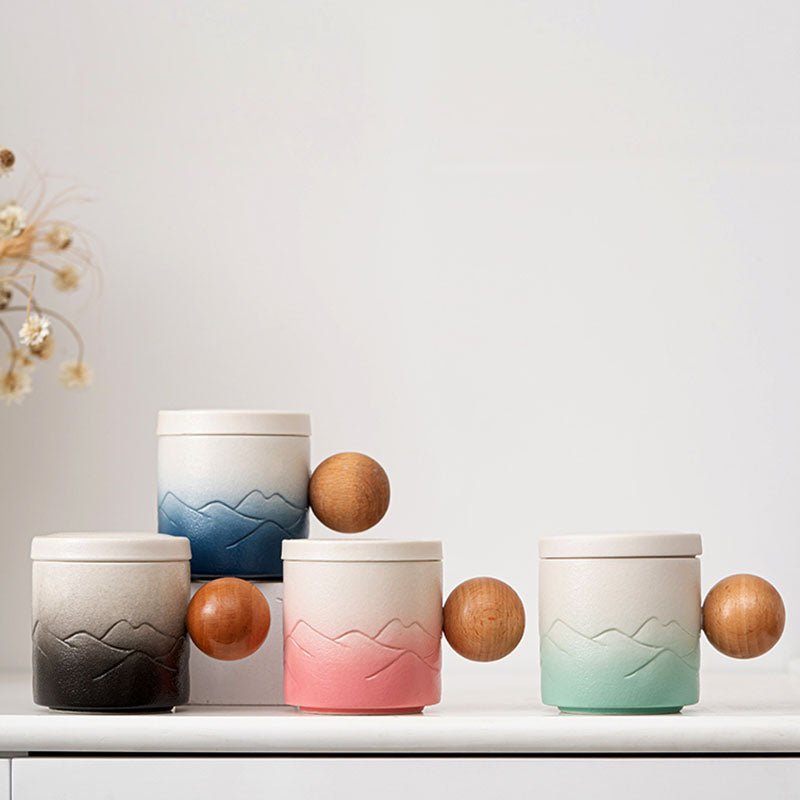
Best Coffee Portable Mug: Fit, Seal, and Daily Use
The best coffee portable mug depends on where you carry it, how you clean it, and whether you want a desk mug or a tighter travel-style option. Here we compare three CoffeifyMug styles and the trad...
Подробнее
Оставить комментарий
Этот веб-сайт защищается hCaptcha. Применяются Политика конфиденциальности и Условия использования hCaptcha.