
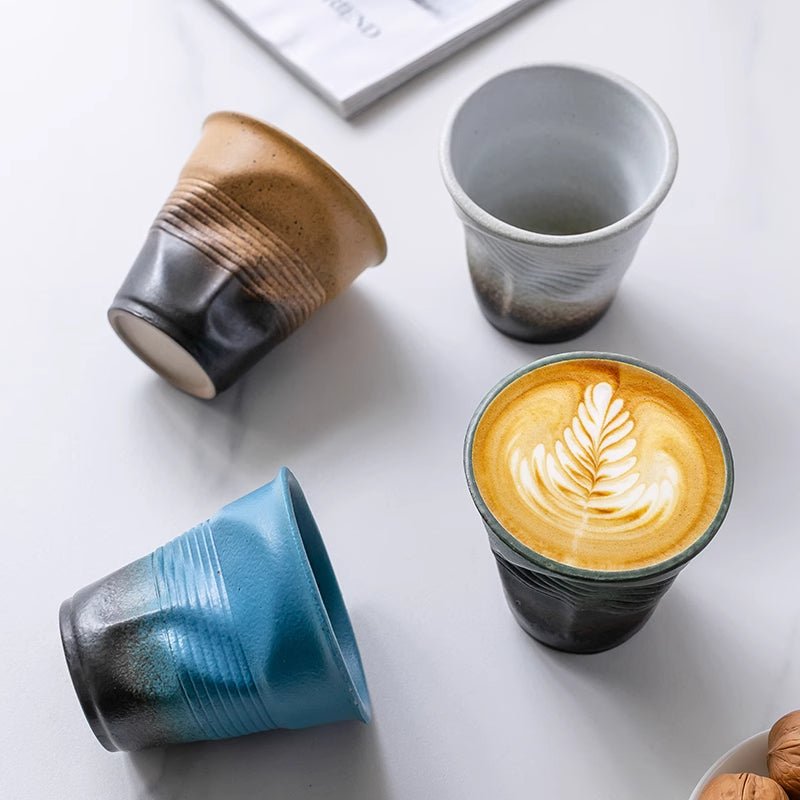
Fancy Cups: How to Choose One That Looks Good and Lasts
Reading time: about 9 minutes
A fancy cup looks easy to buy from a product photo. Then it arrives, and the real questions start: does the handle feel steady in the hand, does the finish show every fingerprint, and will it still look sharp after a week on a kitchen counter? We handle these decisions every day in our store, and the best-looking cup is not always the one that holds up best.
For shoppers comparing fancy cups, the right choice depends on how you plan to use it. A display piece can get away with a delicate profile. A desk mug cannot. If you want a quick place to start, browse our full collection and compare shapes side by side, then narrow down to a style that fits your cabinet, your coffee habit, and your washing routine.
What makes fancy cups worth buying in the first place?
The best fancy cups do two jobs at once. They look refined on the table, and they survive ordinary use without becoming fussy. That usually means a balanced shape, a comfortable handle, a glaze or finish that does not feel overly fragile, and a size that matches the drinks you actually make.
In our experience, shoppers are happiest when they choose for the way they live, not just the way a cup photographs. A pretty cup that feels cramped with a standard pour of coffee is a poor daily buy. A wide, shallow design may look elegant but lose heat faster. A taller mug tends to work better for long desk sessions, while a smaller cup can feel right for tea or after-dinner espresso-style servings.
There are also practical trade-offs that matter. Glossy finishes show smudges more easily. Darker glazes can hide staining better than very light ones. Hand-finished surfaces may have small visual variations that make each cup feel unique, but they are not ideal if you want a perfectly matched set for a formal display.
Which fancy cup style fits everyday coffee, tea, or display?
Start with use case, then style. That order saves regret.
- For daily coffee: choose a mug with a stable base, a handle you can pass two fingers through comfortably, and enough capacity for your usual pour without filling it to the rim.
- For tea: look for a shape that is comfortable to cradle and not so wide that heat disappears too quickly.
- For display: prioritize finish, silhouette, and visual texture. A sculpted surface or a strong color can carry a shelf or open cabinet better than a plain white mug.
- For gifting: pick something that feels special without being so delicate that the recipient worries about using it.
If you want something decorative without losing everyday utility, the Emerald Coffee Tea Mug is a good example of the kind of piece that can move between desk, breakfast table, and shelf display. The richer color does a lot of the visual work, so the cup does not need extra styling around it.
For a more grounded, nature-forward look, compare it with the Mountain Coffee Tea Mug. If your taste runs a little bolder, the Great Mountain Coffee Tea Mug gives you another version of that same idea with a stronger presence. Those are the sorts of differences that matter more than a generic product description.
What details should you check before buying fancy cups?
This is where a lot of buyers skip ahead and later notice the mismatch. We recommend checking the same few details every time.
- Capacity: Make sure the cup matches your actual serving size. A mug that looks generous in a photo can feel small once you pour in milk or tea.
- Handle shape: A handle should feel secure, not decorative only. If you use the cup every morning, comfort matters more than a dramatic silhouette.
- Finish: Glossy finishes usually wipe clean more easily, while matte surfaces can show wear or tea marks differently over time.
- Rim feel: A smoother rim tends to make the drinking experience nicer, especially for plain coffee or tea.
- Base stability: A cup should sit flat on a countertop or desk without wobbling. That matters more than most shoppers realize.
Material is the other big decision. Ceramic and porcelain are the most common choices in this category because they feel substantial and present well on a table. Ceramic usually feels sturdy and everyday-friendly. Porcelain often reads a little finer and more polished. Neither is automatically better. The right one depends on whether you want a more casual daily mug or a more delicate-looking presentation piece.
If you want a deeper buying checklist, our article Fancy Coffee Cups: What to Check Before You Buy covers the practical side in more detail, including the small features that separate a nice photo prop from a cup you will actually keep using.
How do fancy cups hold up in real kitchens and offices?
We pay attention to real-life wear because that is where cup quality shows up. On a kitchen counter, a cup gets picked up with wet hands, set down next to a kettle, and washed after coffee has sat in it a little too long. On an office desk, it gets used while typing, nudged against notebooks, and moved around with less care than it deserves.
The most common failure modes are not dramatic. They are small things: a finish that starts to look tired, a glaze that makes fingerprints obvious, a handle that feels slightly awkward after repeated use, or a shape that traps residue in a curve near the base. Those are the details people notice after the first week, not the first minute.
Care matters too. If a cup is dishwasher-safe, top-rack washing is usually the safer choice for decorative finishes. If you want to preserve a polished look for longer, hand washing is the gentlest route. Avoid sudden temperature shock when you can. Taking a cup from very hot to very cold water is not how you treat any ceramic drinkware you want to keep looking good.
This is also where some styles are not the right fit. A highly ornate cup is not ideal for a crowded dishwasher or a busy work desk. A wide decorative bowl-like cup may look beautiful but spill more easily. If your routine is rough and rushed, choose a simpler shape that can take the abuse.
Which fancy cups are best for gifting?
A giftable cup should feel intentional without being difficult to use. The recipient should be able to unbox it, wash it, and put it into rotation without wondering where it belongs in the house.
We usually look for three things:
- Clear visual identity: A memorable color or design helps the gift feel chosen, not generic.
- Everyday usefulness: The cup should work for coffee, tea, or both.
- Low-maintenance care: The less handling it needs, the better for a gift.
That is why many shoppers choose a cup with a strong visual theme rather than an overly fragile decorative piece. If you want something that feels special out of the box but still practical on a Tuesday morning, a mountain-inspired mug or a richly colored glaze usually lands better than a cup that looks too formal to touch.
If you are comparing gift options across styles, our post Fancy Cups: What to Buy for Daily Use, Gifting, and Display is useful because it breaks the category into the three buying modes that matter most. That is the same way we advise customers in-store when they are stuck between “pretty” and “practical.”
How do you compare fancy cups without overbuying?
It is easy to end up with a cup that looks great and does not fit your life. The simplest way to avoid that is to compare only the few details that change the experience.
| What to compare | Best for | Watch out for |
|---|---|---|
| Capacity | Daily coffee, tea, larger pours | A cup that looks bigger online than it feels in hand |
| Handle comfort | Frequent use | Handles that look elegant but feel cramped |
| Finish | Display and gifting | Very glossy surfaces that show every mark |
| Shape | Heat retention and stability | Wide forms that cool quickly or tip more easily |
| Care routine | Busy kitchens and offices | Pieces that require more handling than you want |
We suggest narrowing your shortlist to two or three cups, then asking one practical question: which one would still make sense after a month of everyday use? That test is more useful than asking which one looks best in a single photo.
What should you expect from fancy cups that are not ideal?
Trust matters here, so we should be direct. Fancy cups are not always the best choice for every buyer or every room.
They are not ideal if you want a travel mug, a stackable office cup, or a rugged workhorse for a kitchen that gets heavy daily use. They are also not the best pick if you need something ultra-light, highly insulated, or built for rough handling. A beautiful cup can be sturdy, but it is still a home mug, not a utility vessel.
Some buyers also discover that the more decorative the cup, the less they want to use it. That is a real trade-off. If a piece is so delicate or so special that it lives only in a cabinet, it may be better as displayware than as your main mug. There is nothing wrong with that, but it is a different purchase.
If you want a broader comparison of styles and visual categories, you may also find Beautiful Coffee Cups That Look Good and Work Every Day helpful. It stays close to the same practical question: which pieces actually earn their shelf space?
Frequently asked questions
Are fancy cups good for everyday coffee?
Yes, if the cup has a comfortable handle, a stable base, and a finish you do not mind cleaning regularly. The best everyday fancy cups look polished but still feel easy to grab first thing in the morning. If the cup seems too delicate to use before noon, it is probably better as displayware.
What size should I choose for fancy cups?
Choose the size based on what you actually drink. A standard coffee pour usually needs more room than a small tea service, and a cup that is too shallow can cool too quickly. If you like milk-heavy drinks or larger pours, choose a mug shape with extra breathing room.
Are decorative cups dishwasher-safe?
Some are, but not all finishes age the same way in a dishwasher. Top-rack washing is usually safer for decorative pieces, and hand washing is the gentlest option if you want the cup to keep its finish longer. Always match the care method to the surface, not just the shape.
What makes a fancy cup a good gift?
A good gift cup feels special, works for more than one drink, and does not require extra explanation. Strong color, a distinctive silhouette, and easy care are all good signs. If the person drinks coffee and tea, a versatile mug is usually a safer choice than a highly specialized piece.
Should I choose ceramic or porcelain fancy cups?
Ceramic is usually a solid everyday choice with a sturdy feel. Porcelain often looks a little finer and can suit a more polished presentation. If you want something for frequent use, ceramic is often the more forgiving option; if you want a more elegant look, porcelain can be the better fit.
If you are ready to compare styles side by side, start with the full collection, then compare the Mountain Coffee Tea Mug, the Great Mountain Coffee Tea Mug, and the Emerald Coffee Tea Mug against your own checklist for size, handle comfort, finish, and care.
Read more
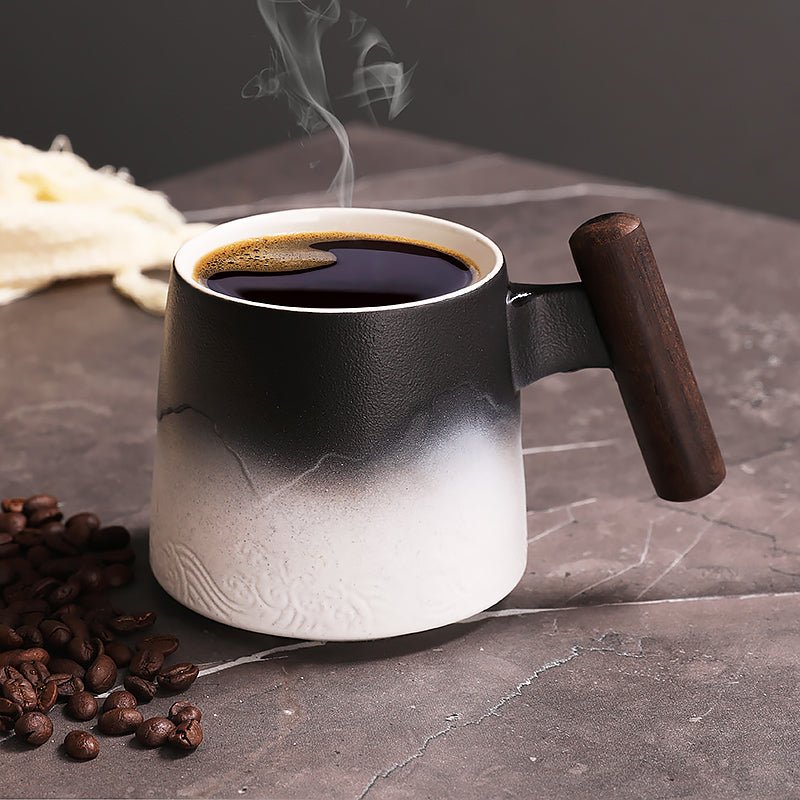
Rack for Coffee Mugs: How to Choose the Right Size and Style
A rack for coffee mugs should match your cabinet clearance, mug handle width, and daily routine. We break down rack styles, materials, and fit checks so you can choose a setup that stays stable and...
Подробнее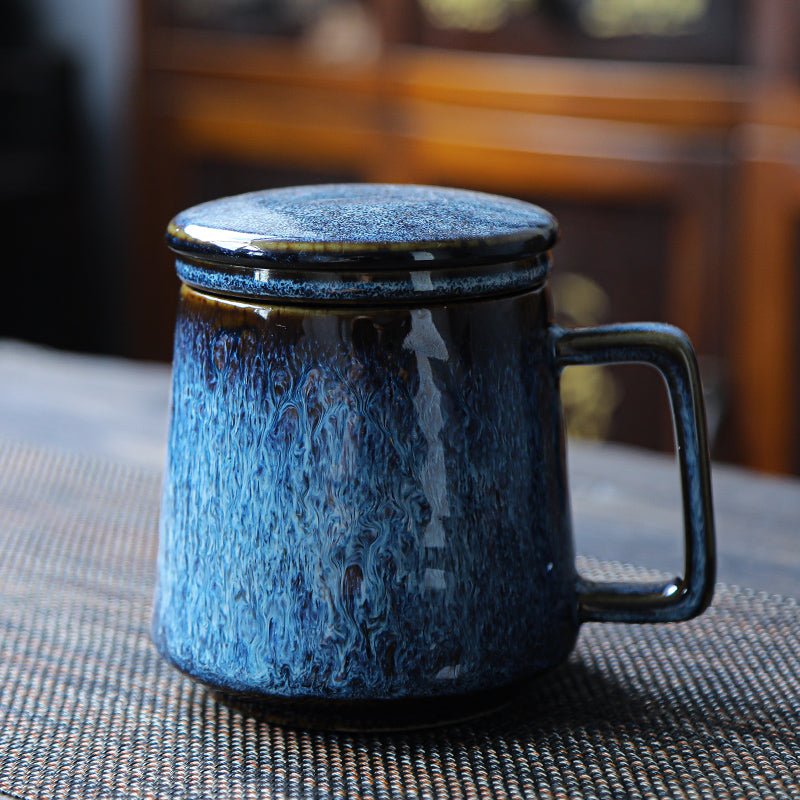
Flowered Coffee Mugs: How to Choose Styles That Work Every Day
Flowered coffee mugs look simple online, but the details matter once they hit a kitchen counter. We break down print style, mug shape, handle comfort, and the trade-offs that affect daily use.
Подробнее
Оставить комментарий
Этот веб-сайт защищается hCaptcha. Применяются Политика конфиденциальности и Условия использования hCaptcha.