
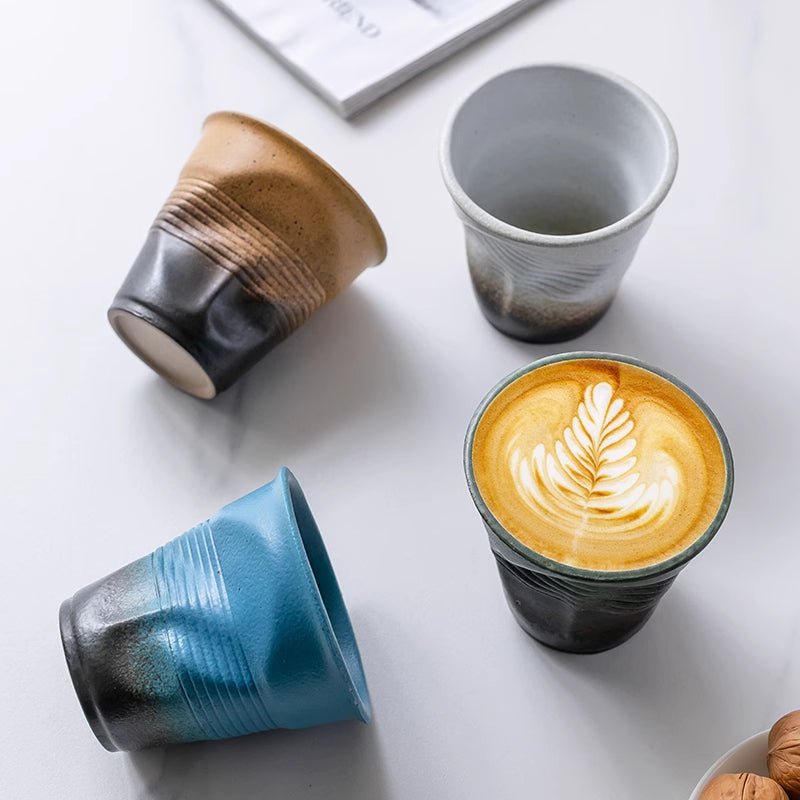
Fancy Coffee Cups: What to Check Before You Buy
Reading time: about 10 minutes
A fancy coffee cup can look perfect in a product photo and still feel wrong on a Monday morning. The cups we keep coming back to in our store are the ones that sit level on the counter, feel balanced in the hand, and still look clean after real dishwasher cycles.
That is the standard we use when we help shoppers compare options. A good cup should do more than decorate a shelf. It should fit under a brewer, hold heat long enough for a slow sip, and survive gift unboxing without arriving with a chipped rim or a wobbly base.
What actually makes a coffee cup feel fancy in person?
The word fancy can mean different things to different buyers, so we usually break it down into the parts you can actually judge before you buy. A cup feels elevated when the silhouette is clean, the glaze looks even, and the handle does not feel awkward the first time you pick it up.
In our experience, the details that matter most are the ones people notice after the novelty wears off. A very thin rim can make a cup feel delicate, but if it is too thin it can chip faster. A heavy rim can feel sturdy, but it can also make coffee feel less refined. The best balance is usually a smooth rim that is finished well enough to sip from comfortably, not one that looks sharp or overbuilt.
- Rim: should feel smooth and even, with no rough spots or visible chips.
- Handle: should leave enough room for two fingers without forcing a cramped grip.
- Glaze: should look consistent, with no obvious pinholes, pooling, or streaks.
- Base: should sit flat so the cup does not rock on a kitchen counter or office desk.
- Interior: should be easy to rinse, with no awkward ledges that trap stains.
If you are comparing style first, our guide to Beautiful Coffee Cups: What to Look for Before You Buy is a useful companion piece. It focuses on the finish, shape, and visual details that tend to separate a genuinely polished cup from one that only looks good in one angled photo.
Which material is easiest to live with every day?
Material choice matters because fancy coffee cups are often judged as display pieces first and daily-use items second. That is where some buyers get tripped up. A cup can look elegant and still be annoying if it is too heavy, too fragile, or too fussy to clean.
Here is the practical version we use when helping customers decide:
| Material | What it feels like | Best for | Trade-off |
|---|---|---|---|
| Porcelain | Smooth, refined, usually lighter in the hand | Daily coffee, gifting, a clean table setting | Can chip if stacked carelessly or knocked against a sink |
| Stoneware | Heavier, more substantial, often more rustic | People who like a warmer, sturdier feel | Retains heat well, but can feel bulky for smaller hands |
| Double-wall glass | Modern, shows the drink, visually light | Espresso drinks, layered drinks, presentation | Not ideal if you tend to stack cups tightly or want a more traditional look |
| Fine china | Very polished and formal | Gifting, special occasions, a more dressy table | Usually the least forgiving choice for rough daily handling |
For most shoppers, porcelain is the most practical middle ground. It gives a clean, polished look without the bulk of stoneware, and it is usually easier to live with on a busy counter or at a home office desk. Stoneware is a better fit if you want a more grounded feel and do not mind a little extra weight. Glass is beautiful, but it is not the best choice for every household, especially if you want a cup that can disappear into the dishwasher without worry.
One detail many shoppers miss is that care depends on more than material. A glossy finish can be easy to wipe clean, but metallic trim, decals, and textured surfaces can change how the cup handles heat, detergents, and microwaves. Always check the care notes on the listing rather than assuming a material name tells the whole story.
What size should you buy for espresso, drip coffee, or lattes?
Size is where a lot of fancy coffee cups either become useful or become cabinet clutter. A cup that looks elegant at 8 or 10 ounces may feel too small for someone who pours milk-heavy drinks. A 12-ounce shape can be a better daily pick if you want room for cream, milk, or a larger drip coffee.
If you are stuck between a smaller cup and a more standard mug, our related sizing guides help narrow it down. We recommend reading 10 oz Coffee Mug: Size, Fit, and What to Check Before You Buy and 12 oz Coffee Mugs: What to Check Before You Buy if you want a clearer sense of how each size behaves in real use.
- 8 to 10 oz: good for espresso drinks, smaller cappuccinos, tea, and people who prefer a tighter, more formal pour.
- 12 oz: a safer daily choice for drip coffee, americanos, and drinks with milk.
- 14 oz and up: useful for long desk sessions or larger pours, but not always the best fit if you want a refined, giftable profile.
There is also a practical fit issue. A cup can be the right volume and still fail at the machine if it is too tall or too wide for your brewer or espresso setup. We always tell shoppers to think about cabinet clearance, brewer clearance, and finger space at the handle, not just the number printed in the title.
If the cup is for tea as well as coffee, our article on Fancy Tea Cups: What to Look For Before You Buy is worth a look too, because tea drinkers tend to care more about rim feel and heat retention than coffee buyers expect.
Which details matter most if you are buying it as a gift?
Gift buyers tend to notice the unboxing moment first, then the first use. That means the cup has to look intentional before it is ever filled. A strong gift candidate usually has a clean finish, a comfortable handle, and packaging that protects the rim and foot ring well enough to survive shipping.
We see the same mistake a lot: shoppers choose the prettiest mug photo, then end up with a cup that has metallic decoration, a hand-applied detail that cannot go in the microwave, or a shape that feels awkward to hold once it is actually in use. Fancy does not need to mean delicate in a bad way. It should feel well made.
For gifting, we usually look for these traits:
- A neutral or broadly appealing color, especially if you do not know the recipient's kitchen style.
- A handle that feels secure with one hand, not just photogenic from the side.
- A smooth glaze that will not show every coffee ring after the first few washes.
- A size that works for daily coffee, not only for one specific drink style.
If you are choosing a seasonal gift, our guide to Christmas Coffee Cups: How to Choose the Right Mug for Gifts and Daily Use covers the trade-off between festive styling and long-term usefulness. And if you want a broader comparison of presentable options, Fancy Coffee Mugs: What to Check Before You Buy is the more general checklist we point shoppers to before they buy.
How do you spot quality from product photos online?
Online photos can hide a lot. A cup may look precise from the front while hiding a rough handle seam, a crooked foot ring, or a glaze issue on the inside. That is why we recommend checking more than the hero image.
When we review a listing, we zoom in on the places where quality problems usually show up after a few uses. These are the common defect modes that matter for fancy coffee cups:
- Pinholes: tiny dots in the glaze that can make the finish look inconsistent.
- Crazing: a fine network of lines in the glaze that can appear after repeated heat changes.
- Rim chips: the fastest way a cup loses its polished feel.
- Uneven foot rings: can make the cup wobble on a hard surface.
- Handle joins: rough or lumpy joins usually mean the cup will not feel refined in the hand.
Read the care notes too. If the listing says dishwasher safe, check whether that applies to the full piece or only to the ceramic body. Decorations, metallic accents, and matte finishes can need more care than plain glossy glaze. If a cup is advertised for regular microwave use, that should be stated clearly. If it is not stated, treat that as a limitation rather than assuming it is safe.
For shoppers who care most about finish and visual balance, our Beautiful Coffee Cups: What to Look for Before You Buy article is the best place to compare the surface details that are easy to miss on a small phone screen.
Which fancy coffee cups are not the right fit?
Not every attractive cup is a good buy. Some are better as occasional display pieces than as the cup you reach for before work. That is a trade-off worth saying out loud, because a pretty cup that lives at the back of the cabinet is a waste of space.
We would steer you away from fancy coffee cups if you need any of the following:
- A travel-friendly mug that can handle commuting, car cup holders, or a work bag.
- An oversized cup for very large milk drinks, refills, or all-day desk use.
- A rough-and-ready option for stacked dishwashers, crowded shelves, or shared office kitchens.
- A microwave-safe cup with no decoration constraints or special care instructions.
In other words, the fanciest-looking cup is not always the most practical one. If you want something for every day, prioritize balance, durability, and fit over ornate details. If you want something for display or gifting, you can afford to lean a little harder into style. That is where the right choice depends on the job, not just the look.
If you want to compare more options side by side, our current assortment is here: products. If you prefer to browse the broader range first, start with our all collections page and narrow by shape, size, and finish.
Frequently asked questions
What size is best for fancy coffee cups for daily use?
For most people, 10 to 12 ounces is the most practical range. Ten ounces works well for smaller pours and a more refined shape, while 12 ounces gives you more room for milk, cream, or a bigger drip coffee. If you drink mostly espresso or tea, a smaller cup may fit your routine better.
Are fancy coffee cups dishwasher safe?
Some are, but not all. Glossy plain ceramic is usually easier to care for than cups with metallic trim, decals, or textured finishes. Always check the product listing, because the decoration can matter as much as the base material.
Can fancy coffee cups go in the microwave?
Only if the listing says they can. Metallic accents, some hand-painted finishes, and certain glazed surfaces are not microwave-friendly. If you plan to reheat coffee often, choose a cup that explicitly states microwave-safe care.
What material looks best but still holds up well?
Porcelain is the safest middle ground for most buyers. It usually looks polished, feels lighter than stoneware, and works well for everyday use if you handle it normally. Stoneware can be beautiful too, but it feels heavier and is better for shoppers who like a more substantial cup.
Are fancy coffee cups a good gift?
Yes, if you choose a size and finish that works for daily use. A giftable cup should have a comfortable handle, a clean glaze, and care instructions that are easy to understand. If you are unsure, a neutral 10 to 12 ounce cup is usually easier to gift than something very decorative or unusually large.
If you are ready to compare styles, start with the size that fits your routine, then check the finish, handle, and care notes before you decide. From there, our products page and all collections page make it easy to narrow down the fancy coffee cups that are actually worth buying.
More from our blog
Read more
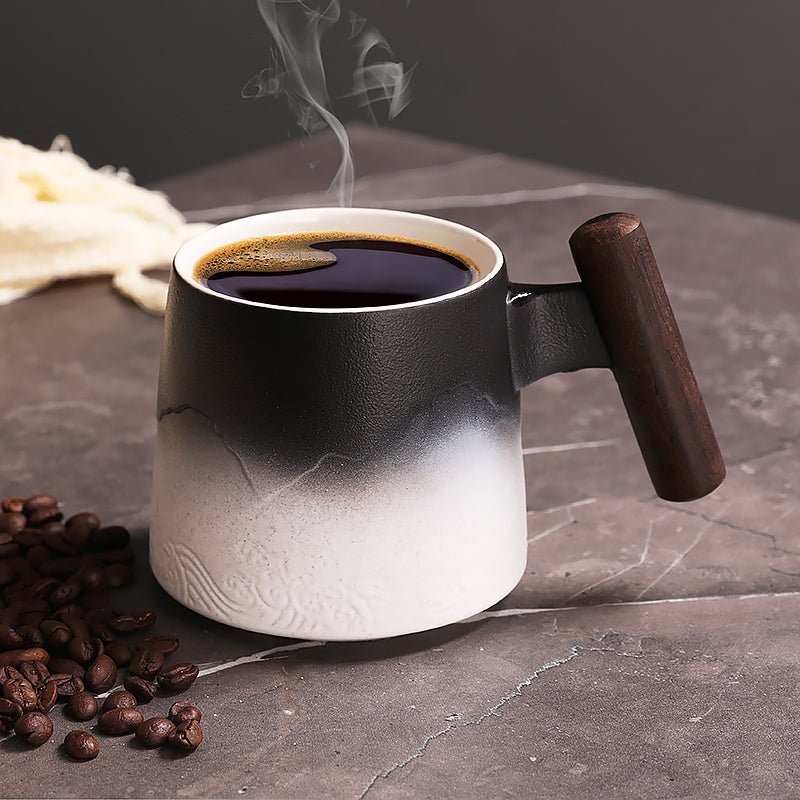
Coffee Purse Buyers Guide: Materials, Size, and What to Check
A practical coffee purse guide for shoppers comparing materials, size, strap comfort, and print quality before buying. We cover the trade-offs, what holds up, and when a different bag style makes m...
Подробнее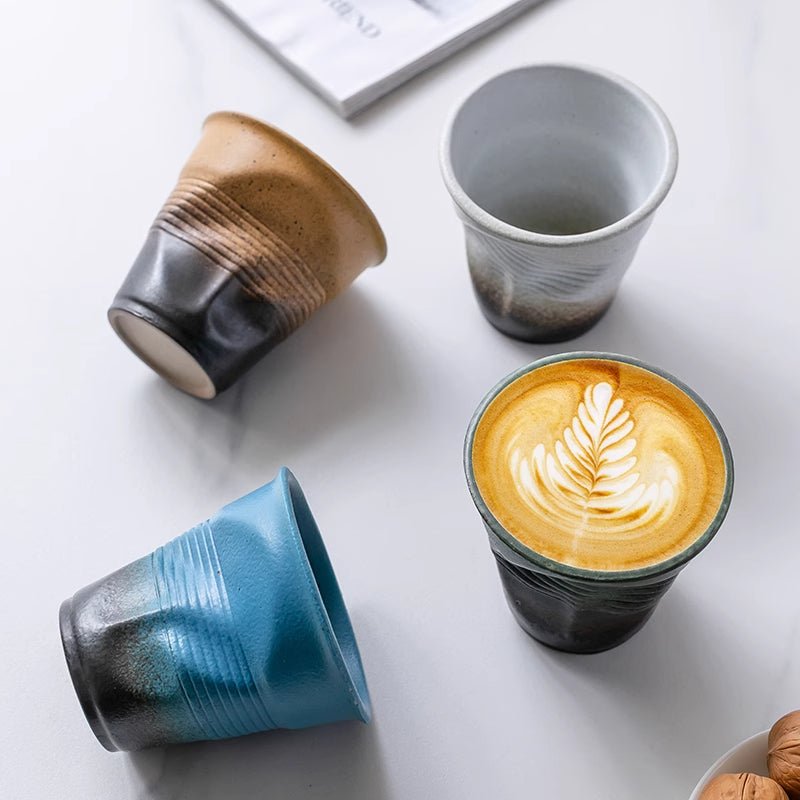
Tea Mug Buying Guide: How to Choose the Right Cup for Daily Tea
A tea mug should fit your hand, your brew, and your routine. We break down material, size, handle comfort, and the details that matter before you buy.
Подробнее
Оставить комментарий
Этот веб-сайт защищается hCaptcha. Применяются Политика конфиденциальности и Условия использования hCaptcha.