
Easter Coffee Mug Buying Guide for Gifts, Daily Use, and Fit
Reading time: about 9 minutes
A good Easter coffee mug gets used after the candy is gone. In our store, we treat it as a small gift that still has to earn cabinet space in May, not just a seasonal prop for one brunch table. If you want to compare the full range first, start with our all mugs collection.
We see the same buying pattern every spring: people want something festive, but they also want a cup that feels comfortable in the hand, fits the drink they actually make, and does not become a dust collector after the holiday. That is the real test for an easter coffee mug.
Which Easter mug styles are worth comparing first?
In our experience, the best way to shop is to ignore the holiday label for a minute and compare shape, grip, and everyday use. That matters more than a rabbit print or a pastel box. If the mug feels awkward on a kitchen counter, under a coffee machine, or at an office desk, it will not stay in rotation.
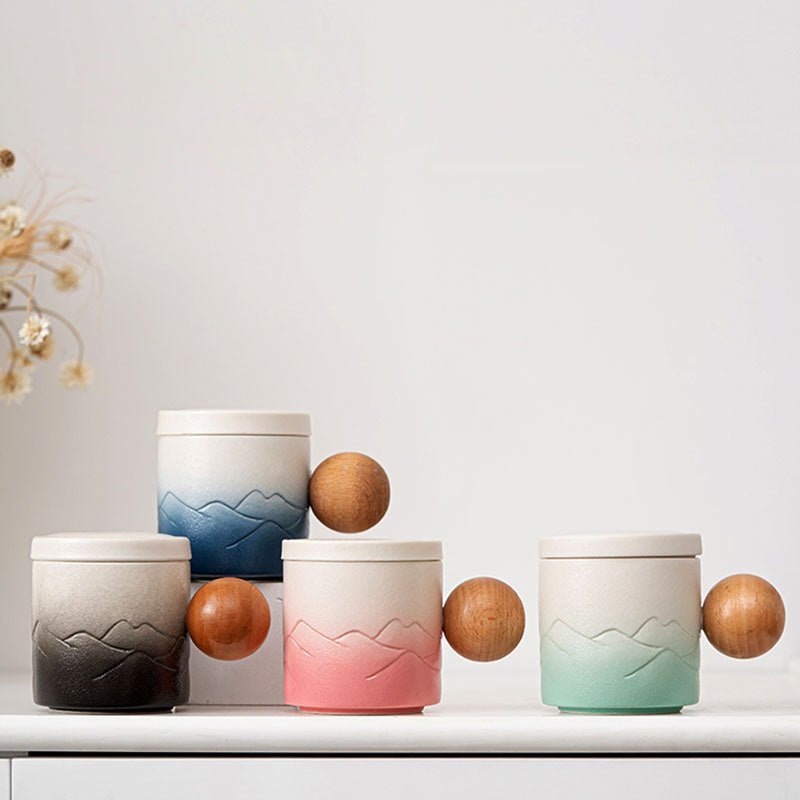
We usually start with three options from our store because they cover different buyer needs. The Pleated Coffee Tea Cup is the one we would point to for a more structured silhouette. The Golden Waves Kio Coffee Tea Mug makes more sense if the buyer wants a decorative look that still works as a real cup. The The Flow Coffee Tea Mug is the softer, more everyday option when the goal is to use it year-round.
- Pleated Coffee Tea Cup: best if you want a cleaner profile and a mug that looks composed on a breakfast tray.
- Golden Waves Kio Coffee Tea Mug: best if the gift needs to stand out without being loud.
- The Flow Coffee Tea Mug: best if the buyer wants one mug that does not feel tied to Easter only.
That is the trade-off we see most often. The more decorative the mug, the more it can lean toward display. The more minimal the mug, the more likely it is to stay in daily use. Neither is wrong. The right choice depends on whether this is a basket filler, a host gift, or a mug the recipient will reach for every morning.
What size works best for an Easter coffee mug?
Size is where a lot of shoppers overthink the listing photos and underthink the drink. A mug can look compact on screen and still feel oversized in a small hand. It can also look delicate and still hold more than someone wants for a quick espresso-based drink.
If you are comparing capacities, our size guides are the fastest way to line up expectations with real use. For smaller daily mugs, see 11 oz Coffee Mug: Size, Fit, and What to Check Before You Buy. If you want a broader daily-use comparison, our 12 oz Coffee Mug Buying Guide for Fit, Comfort, and Daily Use is the better fit.
| Size | Best use | Main trade-off |
|---|---|---|
| 10 oz | Short coffee, tea, or a smaller gift set | Can feel undersized for milk-heavy drinks or long sipping sessions |
| 11 oz | Daily coffee drinkers who want a familiar middle ground | May not satisfy buyers who want a larger breakfast mug |
| 12 oz | People who add milk, foam, or extra room for cream | Can feel bulky if the recipient prefers a compact cup |
We also check a few physical details that do not show up in capacity alone. A mug with a wide mouth can drink larger than its stated size. A narrow base can make a cup feel tall and less stable. A short, thick wall will hold heat differently from a thinner one. Those details matter more than the number printed in the listing when the mug is going to sit on a desk or next to a toaster all spring.
- 10 oz works well for smaller pours and tea drinkers.
- 11 oz is the safest all-around gift size for most buyers.
- 12 oz is the better pick if the recipient likes a fuller cup or adds milk.
What should you inspect before you buy?
We look at the same practical details on every mug before we recommend it to a shopper. The goal is simple: avoid the things that make a mug feel cheap in hand or annoying in daily use. A mug can have a nice design and still miss the mark if the handle is tight, the rim feels uneven, or the base rocks on the counter.
These are the checks our team uses most often:
- Handle clearance: make sure two fingers fit comfortably if the recipient has larger hands or likes a secure grip.
- Rim finish: the lip should feel smooth, not sharp or lumpy.
- Foot ring: the mug should sit flat on a table without wobble.
- Glaze consistency: look for even color and a surface without obvious pinholes or rough patches.
- Interior finish: a smooth inside is easier to rinse and less likely to hold staining from tea or cocoa.
The common defect modes we watch for are not dramatic, but they matter. A slightly crooked handle can throw off balance. A rough glaze line near the base can scratch a saucer or desk. A thin hairline crack in a shipping photo should be treated as a red flag, not a minor cosmetic issue. If the mug is being bought as a gift, those details affect the unboxing moment more than the color does.
Care instructions matter too. If a mug has metallic trim, raised decoration, or a textured finish, we would rather see a hand-wash recommendation than assume a dishwasher will be gentle enough. If the listing says dishwasher-safe, that is useful. If it does not, we treat hand washing as the safer default for a gift someone may want to keep looking new.
Is an Easter coffee mug a good gift basket choice?
Yes, if the mug is paired with something the recipient will actually use. A mug alone can feel unfinished. A mug with tea, cocoa, or good chocolate feels intentional. That is why Easter mugs sell best as part of a small, useful bundle rather than as a stand-alone novelty item.
For a basket that feels practical, we usually suggest this kind of pairing:
- A mug with a stable base and a comfortable handle.
- A drink that matches the mug size, such as tea sachets, coffee pods, or hot chocolate.
- One small seasonal add-on, such as chocolate eggs or a wrapped cookie.
- Simple packaging that protects the mug during transit and makes the unboxing feel clean.
This is also where honesty helps. A ceramic Easter mug is not the best choice for someone who wants an insulated tumbler for commuting. It is not ideal for someone who drinks coffee in the car, needs a lid, or wants one-handed use. It also is not the right gift if the recipient only likes oversized breakfast mugs and nothing under 14 oz. For those buyers, a travel cup or a larger mug style is usually the better match.
If the gift is staying on a kitchen shelf, office desk, or breakfast table, the mug format wins. If it needs to move through traffic, backpacks, or cup holders, choose a different product type.
What should you choose if you want to use it after Easter?
Buyers who want longevity should lean toward simple shapes, neutral finishes, and a size that fits the daily drink, not the holiday theme. A strong Easter mug is one that can sit next to the coffee maker in April and still look right in October. We see that happen most often with mugs that keep the decoration subtle and the shape practical.
That is why our advice usually lands on one of two approaches:
- Pick a more decorative mug if the main goal is gifting and presentation.
- Pick a cleaner, everyday shape if the main goal is repeat use.
If you are still comparing comfort, our 10 oz Coffee Mug: What Fits, What Doesn't, and What to Buy is useful for buyers who prefer a smaller cup, while the 12 oz guide helps if you want a fuller pour. We would rather point a shopper to the right size than sell them a mug that looks good once and feels wrong every morning afterward.
For most gift buyers, the safest path is a mug that does three things well: it fits the drink, it feels balanced in the hand, and it cleans up without special care. If it does not do those three things, the Easter theme will not save it.
Frequently asked questions
What size Easter coffee mug is best for a gift?
An 11 oz mug is usually the safest gift size because it feels familiar and works for most coffee drinkers. If the person adds milk or likes a fuller cup, 12 oz is a better pick. If they prefer smaller servings or tea, 10 oz can be the better fit.
Are Easter coffee mugs good for everyday use?
Yes, if the mug has a comfortable handle, a flat base, and a finish that cleans easily. A seasonal design can still be practical. The problem is not the Easter theme itself; it is choosing a shape that feels awkward in daily use.
Should I buy a decorative mug or a plain one?
Pick decorative if the mug is mainly for gifting or display. Pick plain or minimal if the buyer wants something they can use all year. A more ornate mug often photographs better, but a simpler mug usually stays in rotation longer.
Can I put an Easter coffee mug in the dishwasher?
Only if the listing says it is dishwasher-safe. If the mug has metallic accents, textured decoration, or an unclear care note, hand washing is the safer choice. That is the easiest way to protect both the finish and the gift presentation.
What should you compare before you add one to cart?
Before you choose an Easter coffee mug, compare four things: size, handle comfort, care instructions, and whether the shape fits the way the recipient drinks coffee. That is the fastest way to separate a useful gift from a short-lived seasonal buy.
- Check whether the mug is better for 10 oz, 11 oz, or 12 oz use.
- Look at the handle and make sure it seems comfortable for the person who will use it.
- Confirm the care instructions if you want low-maintenance cleanup.
- Decide whether you want a mug that is festive first or everyday first.
If you want to keep comparing, our all mugs collection is the simplest place to sort by style, and the three mugs above are the ones we would start with for an Easter gift that still makes sense after spring.
Read more
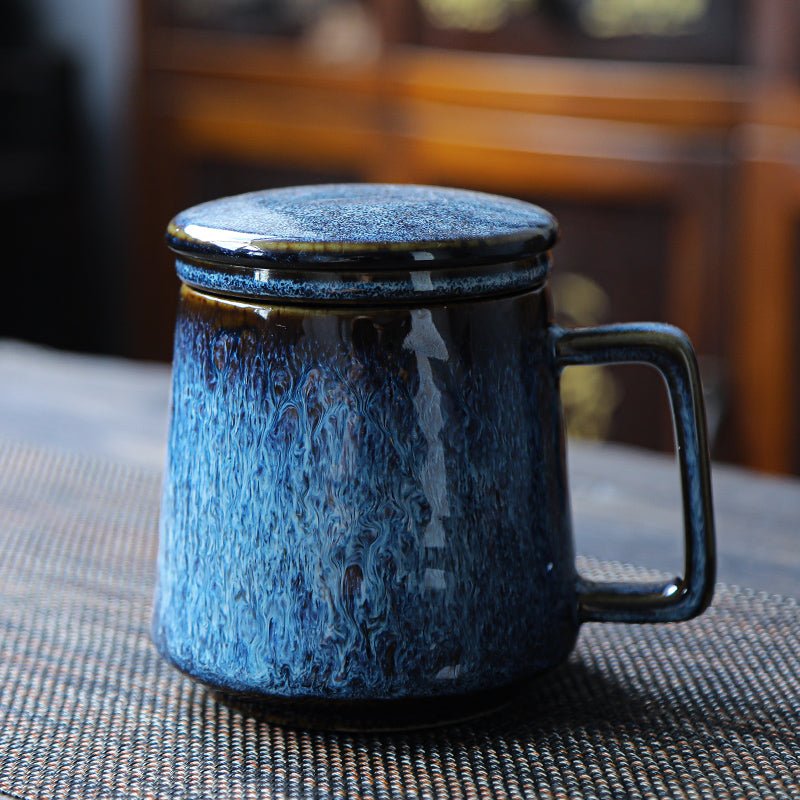
Mug of Coffee: What to Check Before You Buy One
A practical mug of coffee buying guide from CoffeifyMug, with real-world notes on size, grip, care, and which of our designs fits different routines.
Подробнее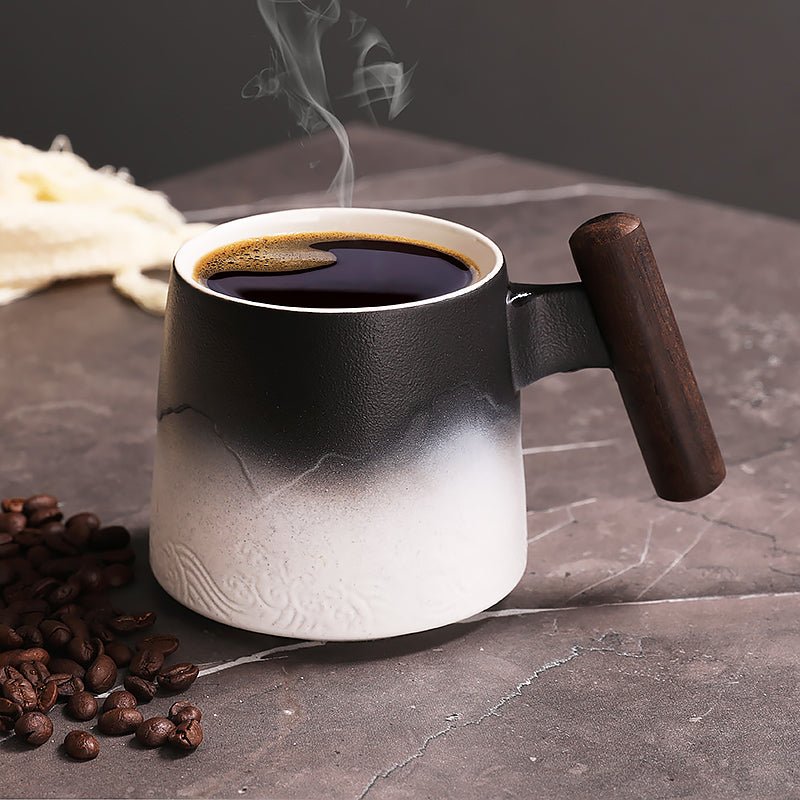
Drawn Coffee Mug Buying Guide: How to Pick One That Lasts
A drawn coffee mug only works if the art, handle, and size still make sense after real kitchen use. We break down the styles we sell, what lasts, and which options fit daily coffee, desk use, and g...
Подробнее
Оставить комментарий
Этот веб-сайт защищается hCaptcha. Применяются Политика конфиденциальности и Условия использования hCaptcha.