
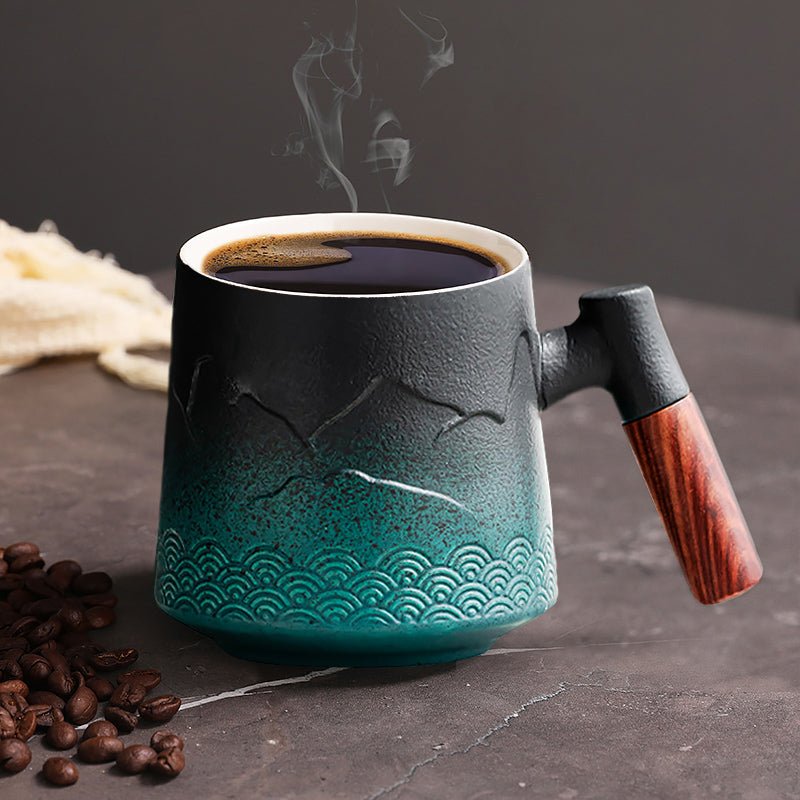
Custom Coffee Mugs with Logo: What Buyers Should Check
Reading time: about 9 minutes
A logo can look sharp on a screen and still disappoint on the mug itself. The usual problems are simple: the artwork sits too close to the handle, the print is too small to read from arm's length, or the finish does not hold up the way the buyer expected after repeated dishwasher cycles. We see this most often with custom coffee mugs with logo ordered for offices, client gifts, welcome kits, and event giveaways.
In our store, we look at mugs the way a customer does on a kitchen counter or an office desk, not just in a proof file. That means checking the mug shape, the usable print area, the logo file, and how the mug will actually be washed and handled. If you want a broader buying checklist first, our guide on Custom Logo Coffee Mugs: What Buyers Should Check Before Ordering is a good companion read.
What should you check before ordering custom coffee mugs with logo?
The fastest way to avoid a disappointing order is to treat the mug and the artwork as one product, not two separate decisions. A logo that looks balanced on a mockup can still feel crowded once it wraps around a real mug. We recommend checking these points before you approve anything.
- Mug size: an 11 oz mug is the most common desk size, while a 15 oz mug gives the logo more breathing room and suits bigger coffee drinkers.
- Print area: make sure the logo sits far enough from the handle that it does not get hidden when someone grips the mug.
- Artwork quality: vector files or high-resolution artwork keep edges clean; tiny text and thin lines are the first details to disappear.
- Finish and care: if the mug will be used daily, ask how the print should be washed and what kind of wear it can handle.
- Use case: a mug for a desk, a break room, and a gift box are not the same decision, even if the logo is identical.
If you are comparing custom mugs as a category, our post on Coffee Mugs Custom: What Buyers Should Check Before Ordering breaks down the same buying logic from a broader angle.
Which mug material and size works best for a logo?
The mug material matters because it changes how the logo reads in hand and how the mug feels on a desk. Most logo mugs are ceramic because ceramic has a clean, familiar look and a stable surface for print. Stoneware can feel heavier and more premium, but it also tends to look a little more rustic, which is not ideal if you want a sharp, corporate presentation.
Size matters just as much. A smaller mug can look tidy in a proof but leave less room for the artwork, while a larger mug gives the logo more visibility and often feels better for buyers who want a fuller coffee pour. The trade-off is practical: larger mugs take more cabinet space, weigh more, and can feel oversized if the mug is meant for a light tea drinker or a compact office setup.
| Option | What it feels like | Best for | Trade-off |
|---|---|---|---|
| 11 oz ceramic | Classic desk mug, easy to hold | Employee gifts, office use, simple logo placement | Less print space than larger sizes |
| 15 oz ceramic | Heavier in hand, more presence on the desk | Bigger coffee servings, larger logos, bold branding | Takes more shelf space and can feel bulky |
| Stoneware | Thicker, more tactile, slightly rustic | Premium gifts and relaxed brand styles | Less clean if your logo needs a sharp corporate look |
For a quick visual browse of available styles, start with our product page or our full collection of mugs and drinkware.
Which print method holds up best for daily use?
There is no single print method that is best for every logo. The right choice depends on the artwork, the mug color, and how often the mug will be washed. For simple one-color logos, a straightforward print often looks clean and keeps the branding readable from across a room. For full-color logos or more detailed artwork, a method that can carry more color may be a better fit, but it can also be less forgiving if the logo has very fine lines.
We tell buyers to think about daily handling, not just the unboxing moment. A mug that lives on a kitchen counter and goes through office dishwashers will show wear differently than a mug used once a week for a client gift. The common failure points are easy to miss at the proof stage: slight color shift, print misalignment near the handle, and artwork that looks crisp in the center but weak near the edges.
Our own experience is that simpler artwork usually lasts better visually. A strong logo with solid shapes tends to age better than a logo built from thin type and delicate outlines. If your brand mark depends on tiny details, you may need to enlarge it or simplify it before printing.
How should you design the logo so it reads on a mug?
The best mug logos are not the same as the best website logos. A mug is curved, held in one hand, and often seen from a short distance while someone is standing at a coffee machine or sitting at a desk. That changes what works.
- Keep the mark simple: a clean icon plus name often works better than a busy lockup with multiple lines of text.
- Protect the clear space: do not force the logo too close to the rim or the handle.
- Avoid ultra-thin lettering: thin strokes can fill in or disappear, especially on smaller mugs.
- Check contrast: a dark logo on a light mug is easier to read than a pale logo on a reflective finish.
- Plan for both sides: decide whether the mug should read to left-handed and right-handed users, or whether one side is enough.
If your logo is the whole point of the gift, the article Coffee Mugs with Logo: What Buyers Should Check Before Ordering goes deeper into placement and proof review. For buyers comparing company gifts specifically, Company Logo Coffee Mugs: What Buyers Should Check Before Ordering is worth reading too.
Are custom logo mugs the right choice for every use case?
No. Custom logo mugs are a strong fit for desks, break rooms, onboarding kits, and client gifts that stay indoors. They are not the best option for commuters, gym bags, or anyone who needs insulation for long hot or cold carry times. If portability matters more than presentation, a travel mug is usually the better purchase, and we cover that trade-off in our guide to Custom Coffee Travel Mugs: What Buyers Should Check Before Ordering.
There is also a presentation trade-off. A ceramic mug with a logo looks clean on a kitchen shelf and photographs well in a welcome kit, but it is not the right answer for a field team, a trades crew, or anyone who throws a mug into a car cup holder every morning. In those cases, durability and lid fit matter more than a polished desk look.
We also see a difference between a gift mug and a bulk order. A single mug for a new hire or client can handle a more tailored design. A larger run for a team needs simpler artwork, easier approval, and more attention to consistency across prints. Our article on Custom Coffee Mugs Bulk: Sizes, Print, and Order Checks covers that side of the decision.
What ordering mistakes cause the most reprints?
The most expensive mistakes are usually basic, which is frustrating because they are avoidable. The order looks fine in the browser, but the supplied logo file is too small, the mug size changes the layout, or the buyer approves a proof without checking where the handle lands in relation to the artwork.
- Using low-resolution artwork: the logo may look soft or jagged once printed.
- Ignoring the mug curve: what feels centered in a flat mockup may look off-center on a real mug.
- Forgetting audience context: a gift mug and a staff mug often need different levels of polish.
- Choosing too much text: long taglines shrink the logo until they are hard to read.
- Skipping care guidance: if buyers expect rough washing and the mug was not meant for that, disappointment follows.
If you are still narrowing down the base mug style, the guide on Custom Made Coffee Mugs: Materials, Sizes, and Print Checks is useful for comparing the actual object before you think about the branding.
How do we help buyers choose the right mug in our store?
We try to make the decision easier by starting with the use case, not the artwork alone. That means asking where the mug will live, who will receive it, and how often it will be washed. A kitchen cupboard, a conference room, and a gift box all push the choice in different directions.
In our experience, buyers are happiest when they choose the simplest mug that still gives the logo room to breathe. A plain ceramic mug with a clean print is often a stronger business choice than a more complicated style that looks impressive in the mockup but feels awkward in real use. If the order is for a team, we also suggest thinking about consistency across the entire run rather than trying to squeeze too many variations into one decision.
If you want to browse what is available now, start with the product page or the broader collection page. That is the quickest way to compare mug shapes, sizes, and presentation styles before you lock in artwork.
Frequently asked questions
What size is best for custom coffee mugs with logo?
An 11 oz mug is the standard choice for desks, office kitchens, and simple gifting. A 15 oz mug works better if you want a larger logo area or if the recipient drinks bigger servings. If space and shelf fit matter, the smaller size is usually easier to live with.
Are custom coffee mugs with logo dishwasher safe?
That depends on the mug surface and the print method. We recommend checking care instructions for the exact style you choose, because repeated dishwasher cycles can be harder on some prints than others. If the mug is meant for daily office use, hand-washing is often the safer option for keeping the logo looking clean longer.
Can you print a full-color logo on a mug?
Yes, but full-color logos are not always the best fit for every mug or every artwork file. Thin details, gradients, and tiny type can be harder to reproduce cleanly than a simpler logo. If the logo is detailed, ask for a proof that shows how it will sit on the curved mug surface.
What file should I send for my logo?
A vector file is usually the cleanest option because it keeps edges sharp at different sizes. If you only have a raster file, make sure it is high resolution and not pulled from a screenshot or social profile image. Small text and fine lines are the first things to degrade if the file quality is weak.
Are logo mugs a good choice for client gifts?
Yes, if the mug looks clean and the branding is restrained. For client gifts, a simple logo on a well-sized mug usually feels more thoughtful than a crowded design with too much copy. If the client will use it on the move, though, a travel mug may be the better fit.
If you are choosing now, use this order of checks: mug size, logo file quality, print placement, and care expectations. Then compare the available styles on our product page and the full collection to pick the mug that fits the way it will actually be used.
Read more
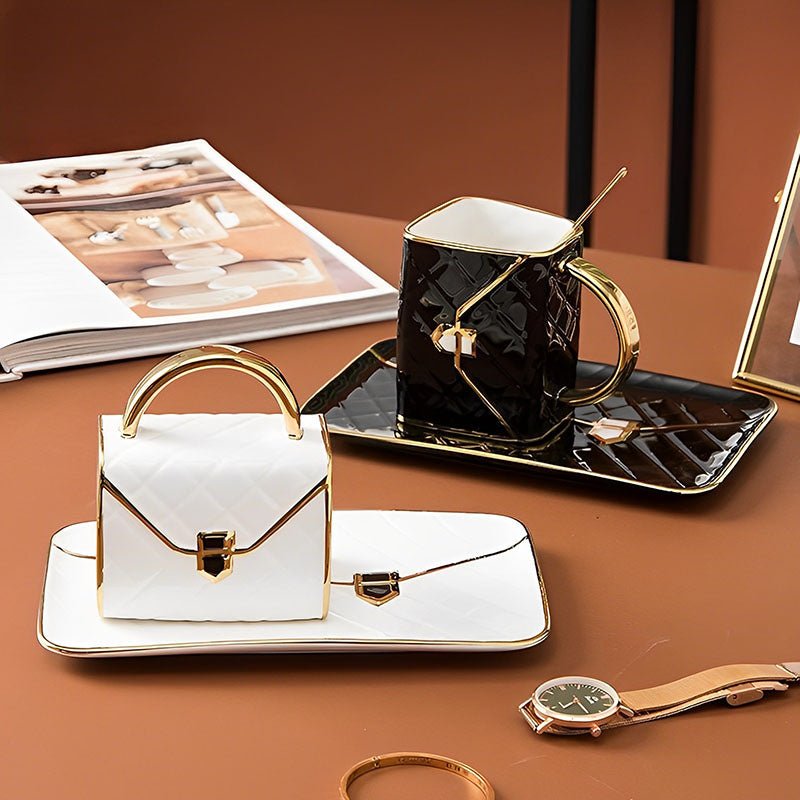
Coffee Mugs for Book Lovers: Best Sizes, Materials, and Gift Picks
A practical guide to coffee mugs for book lovers, with size, material, and gift-buying advice based on what actually works on a shelf, desk, or reading chair.
Подробнее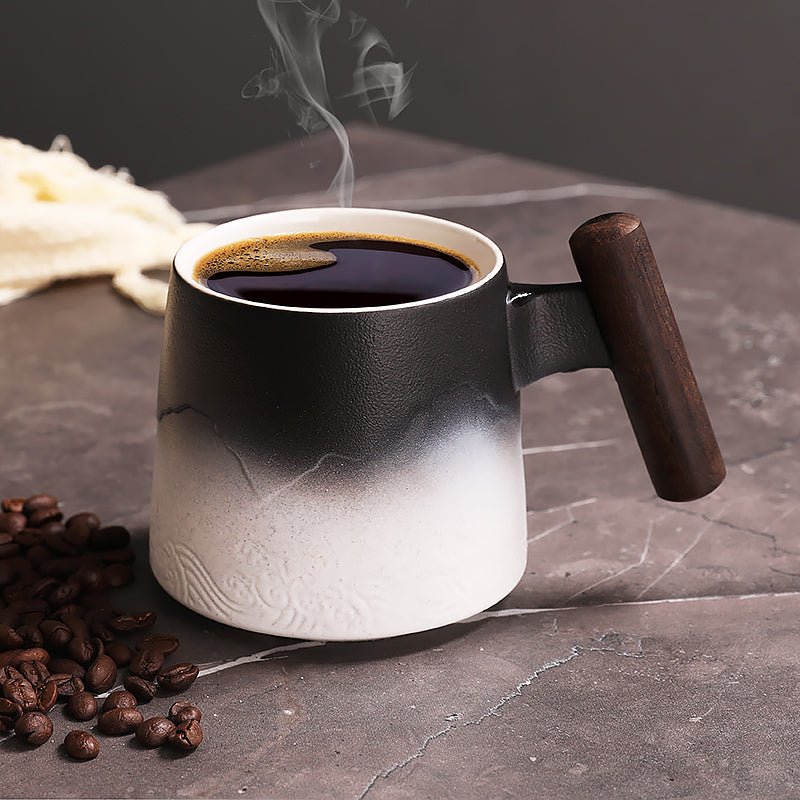
Dodgers Coffee Mug Buying Guide: Size, Material, and Care
A Dodgers coffee mug should feel right in the hand, fit the drink you actually make, and hold up after repeated washes. This guide shows what we check in our store before we recommend one.
Подробнее
Оставить комментарий
Этот веб-сайт защищается hCaptcha. Применяются Политика конфиденциальности и Условия использования hCaptcha.