
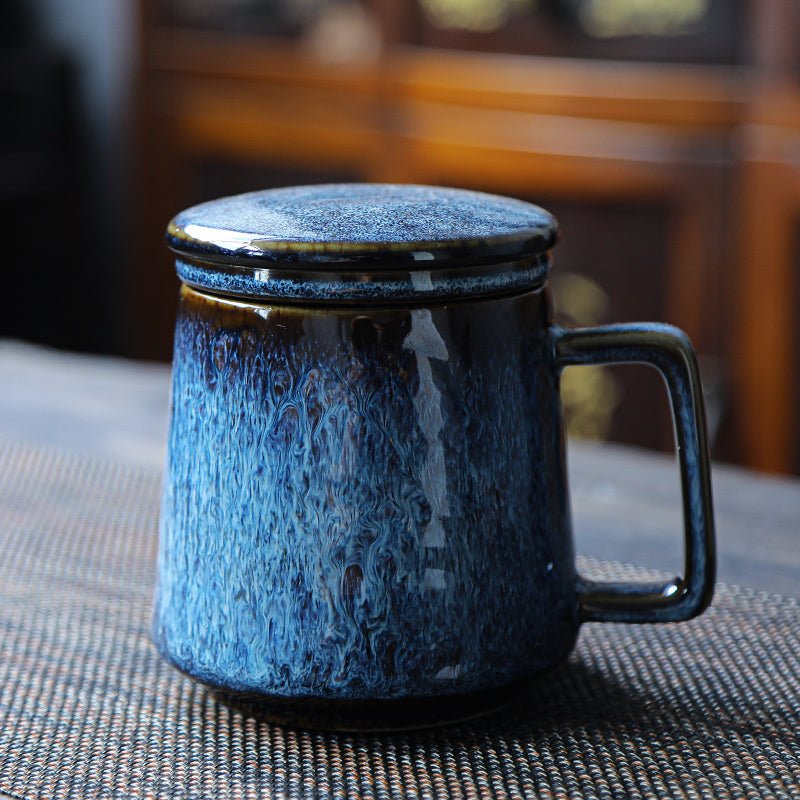
Crap Coffee Mug Buying Guide: What to Avoid and What Actually Works
Reading time: about 10 minutes
A mug can look funny on a shelf and still be miserable to drink from. The handle pinches your fingers, the rim feels too thick, and one dishwasher cycle later the print starts looking tired. That is usually what shoppers mean when they search for a crap coffee mug: something that seems cheap, awkward, or disappointing once it actually gets used.
We handle this category every day, so we know the difference between a mug that is just plain basic and one that is truly frustrating. In our store, we look at fit, rim comfort, handle clearance, and how the finish holds up in real kitchens, office desks, and gift unboxings. If you want to buy a mug without ending up with a dud, this guide will help you sort the bad options from the ones that still make sense.
If you already know you want a straightforward option, you can browse our full mug collection or compare a few specific styles like the Christmas Coffee Tea Mug, the Green Waves Coffee Tea Mug, and the Mountain Sea II Coffee Tea Mug with Wooden Handle.
What makes a coffee mug feel cheap or annoying in daily use?
A mug feels like a crap coffee mug when the small details get in the way of drinking. The most common complaints we hear are simple: the handle is too tight, the mug feels unbalanced when full, the rim is uncomfortable, or the finish chips and stains too easily. None of those issues sounds dramatic on paper, but they matter a lot at 7 a.m. when you are standing at the counter trying not to spill coffee on your shirt.
From a buying standpoint, these are the warning signs we check first:
- Handle clearance: fingers should fit cleanly without twisting your wrist.
- Rim feel: a smoother rim usually drinks better than a harsh, square edge.
- Wall thickness: too thin can feel flimsy; too thick can feel heavy and awkward.
- Finish quality: uneven glaze, rough seams, or weak printing can wear badly.
- Base stability: a mug that wobbles on a desk or tray is a daily irritation.
We do not pretend every mug has to be fancy. Some buyers just want a dependable cup for coffee, tea, or hot chocolate. The problem starts when a budget-looking mug also becomes uncomfortable, fragile, or annoying to wash.
Which mug details matter most before you buy?
If you are comparing options, focus on a few practical specs instead of the graphics alone. Size, shape, and care requirements tell you far more about real-world use than a pretty photo does. Our own team checks these things because customers notice them after the first drink, not after the first impression.
Here is the short version of what to check:
- Capacity: Common daily-use mugs are often around 10 oz, 11 oz, or 12 oz. If you want more room for milk or tea, that extra ounce or two matters.
- Handle style: A large handle is usually better for long desk sessions; a decorative handle can look great but may not be as comfortable.
- Material and finish: Ceramic mugs are the usual pick for a balanced feel and steady heat retention. A wooden handle changes the grip experience and can be more of a style choice than a pure utility choice.
- Care instructions: Check whether the mug is built for everyday washing and whether the printed surface is likely to stay looking clean.
If you want a deeper size check before buying, our guides on 10 oz coffee mug size, fit, and what to check before you buy and 12 ounce coffee mug buying guide for daily use and better fit go into the sizing trade-offs in plain language.
One practical note from our experience: a mug that looks compact in photos can feel very different once it is sitting beside a keyboard, a notebook, or a kitchen sink. That is why we care about fit as much as style.
Which mugs are better than a plain cheap mug for everyday coffee?
Some buyers search for a crap coffee mug because they want something inexpensive-looking or simple, but a mug still needs to do the basics well. A good everyday mug should pour cleanly, sit steadily on a table, and not punish your hand after the third refill.
Three styles from our store illustrate different trade-offs:
- Christmas Coffee Tea Mug: a seasonal style that works well as a gift or holiday desk mug. It is best for someone who wants a cheerful visual, not a minimalist everyday piece.
- Green Waves Coffee Tea Mug: a calmer, decorative option that fits better on a home coffee bar or office shelf than a loud novelty mug.
- Mountain Sea II Coffee Tea Mug with Wooden Handle: this one stands out for its wooden handle detail. The benefit is a warmer, more distinctive grip; the trade-off is that it is less standard than a simple ceramic handle mug.
None of these is the right pick if you need a rugged camp mug, a lid for commuting, or a stainless travel cup that can live in a car console. If that is your use case, a different category will serve you better. But for home coffee, desk tea, and gift giving, these are more thoughtful than the average bargain-bin mug.
We recommend comparing them against the same basics: hand feel, finish, and the look you want on an actual counter. For shoppers who want to browse every style in one place, our collection page is the fastest way to compare.
What are the common defects we see in low-quality mugs?
The phrase crap coffee mug usually maps to a few repeat problems. We see these issues often enough that they are worth calling out directly.
| Problem | What it feels like | Why it matters |
|---|---|---|
| Rough rim | Uncomfortable sip, especially with hot drinks | Makes an otherwise decent mug feel unfinished |
| Too-small handle | Knuckles rub the mug body | Annoying on long coffee breaks |
| Weak print or finish | Design looks tired after washing | Hurts both appearance and gift value |
| Uneven base | Wobbles on a desk or counter | Raises spill risk and feels sloppy |
| Poor glaze coverage | Staining and dull spots show quickly | Harder to keep looking clean |
We do not want to oversell any mug as indestructible. Ceramic still needs normal care. Handles can chip if knocked against a sink, and printed surfaces can wear if scrubbed aggressively or exposed to repeated harsh treatment. That is exactly why it helps to choose a mug with solid construction from the start.
How do you choose a mug for gifts, desk use, or tea instead of coffee?
Use case matters. A mug that works for office coffee may be wrong for a gift basket. A big-handled mug that feels great at home may look too bulky on a small desk. And tea drinkers often care more about rim comfort and shape than a bold graphic.
Here is how we usually steer shoppers:
- For gifts: choose a mug with a clear style identity. The Christmas Coffee Tea Mug is an easy seasonal pick because it feels intentional, not generic.
- For office desks: choose a stable shape and a handle that stays comfortable during long sits. The Green Waves Coffee Tea Mug has a calmer look that fits a desk without shouting for attention.
- For style-first buyers: choose a mug where the handle or finish is the selling point. The Mountain Sea II Coffee Tea Mug with Wooden Handle gives you that distinctive detail.
- For plain daily brewing: stick with a mug that is easy to wash, easy to hold, and not too precious to use every day.
If you are still deciding on size before choosing style, our 11 oz coffee mug size and fit guide is a useful middle-ground read for many shoppers.
How should you care for a mug so it does not turn into a crap coffee mug?
A decent mug can start behaving like a cheap one if it is cared for poorly. We tell customers to treat mugs like daily tools, not fragile display pieces, but also not like indestructible kitchen gear.
Basic care that helps most mugs last longer:
- Rinse tea and coffee residue soon after use so stains do not settle into the glaze.
- Use a soft sponge instead of abrasive scrubbers on printed or decorative surfaces.
- Avoid banging the rim or handle against the sink, dishwasher rack, or countertop edge.
- Let wooden-handle designs dry fully before storing them tightly packed with other dishes.
- Do not use a mug for a purpose it was not made for, such as stove-top heating or rough outdoor handling.
That last point matters. A decorative mug is not a camping mug, and a wooden-handle mug is not the best choice if you want something you can toss carelessly in a bag. Matching the mug to the setting saves money and frustration.
Our rule in the store is simple: if a mug looks great but feels awkward at the first sip, it will annoy the buyer long before it becomes a favorite.
What should you compare before clicking buy?
If you are trying to avoid a crap coffee mug and choose something you will actually use, run through a short checklist before checkout.
- Use case: home, office, gift, or display?
- Size: do you want a smaller coffee pour or a little extra room for milk and tea?
- Handle fit: will it work with your hand size?
- Finish: do you want plain ceramic, patterned ceramic, or a distinctive detail like wood?
- Care: are you comfortable with normal mug care, or do you need something more rugged?
If you want one place to compare styles without bouncing between categories, start with our all mugs collection. If you want a narrower read before deciding, our 12 oz guide, 12 oz coffee mug size, fit, and what to check before buying, is the quickest next step for everyday buyers.
Frequently asked questions
What makes a crap coffee mug different from a normal budget mug?
A normal budget mug can still be comfortable, stable, and easy to wash. A crap coffee mug usually has a poor handle, rough rim, weak finish, or an awkward shape that makes daily use irritating. The difference shows up fast once you start drinking from it every day.
Are decorative mugs practical for everyday use?
Some are, but not all. Decorative mugs can be great for desks, gifting, and occasional coffee or tea, but they are not always the best choice for heavy use if the handle is small or the finish is delicate. If you want a workhorse mug, prioritize comfort and durability over visual detail.
Is a wooden-handle mug a good choice for coffee?
It can be, especially if you want a distinctive look and a different hand feel. The trade-off is that a wooden handle is less standard than a ceramic handle, so it may not suit buyers who want a plain everyday mug or a set that matches the rest of their kitchen. It is better for style-conscious use than rough, high-abuse use.
What mug size is best for daily coffee?
Many daily buyers end up choosing around 10 oz to 12 oz because it balances capacity with a comfortable hand feel. Smaller sizes can be nice for straight espresso-style drinks or compact cabinets, while larger mugs give you more room for milk or tea. The right size depends on how you actually drink, not just what looks good in a listing.
How do I stop a mug from staining?
Rinse it soon after use and avoid letting coffee or tea sit in the cup for long periods. Use a soft sponge and normal dish soap rather than harsh scouring pads, especially on printed or decorative finishes. If a mug still stains easily, that is usually a sign the glaze or surface finish is not very forgiving.
If you want the cleanest way to compare options, start with the mug that matches your use case, then check handle comfort, size, and care. For a quick browse, visit our full collection, then narrow down to the style that fits your counter, desk, or gift box best.
Read more
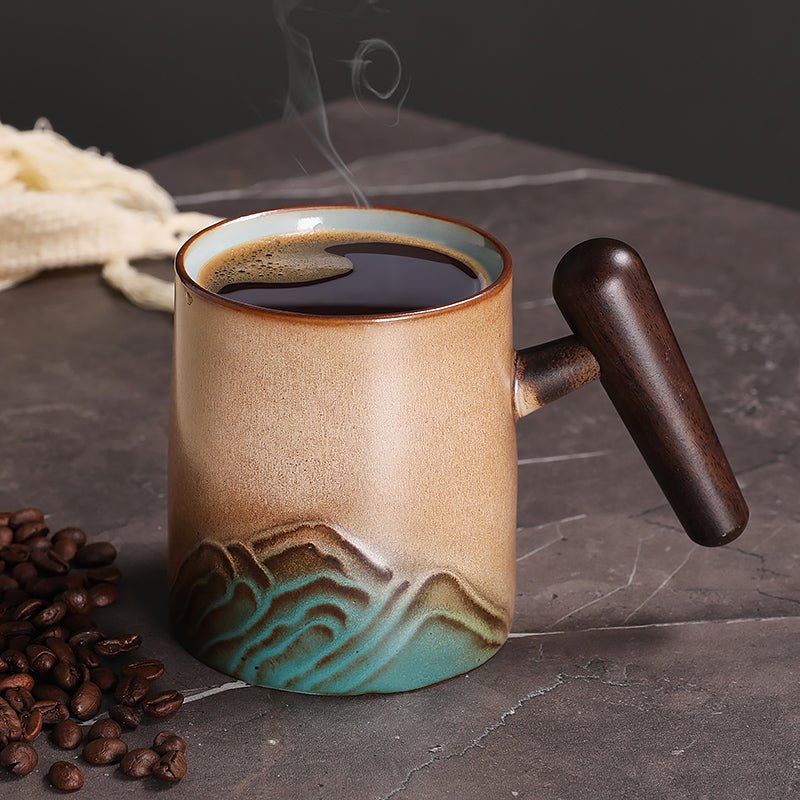
Mug of Coffee Buying Guide: How to Choose the Right Everyday Mug
A mug of coffee should feel right in the hand, sit well on the desk, and clean up without fuss. Here is how we compare handle style, daily use, and the trade-offs that matter before you buy.
Подробнее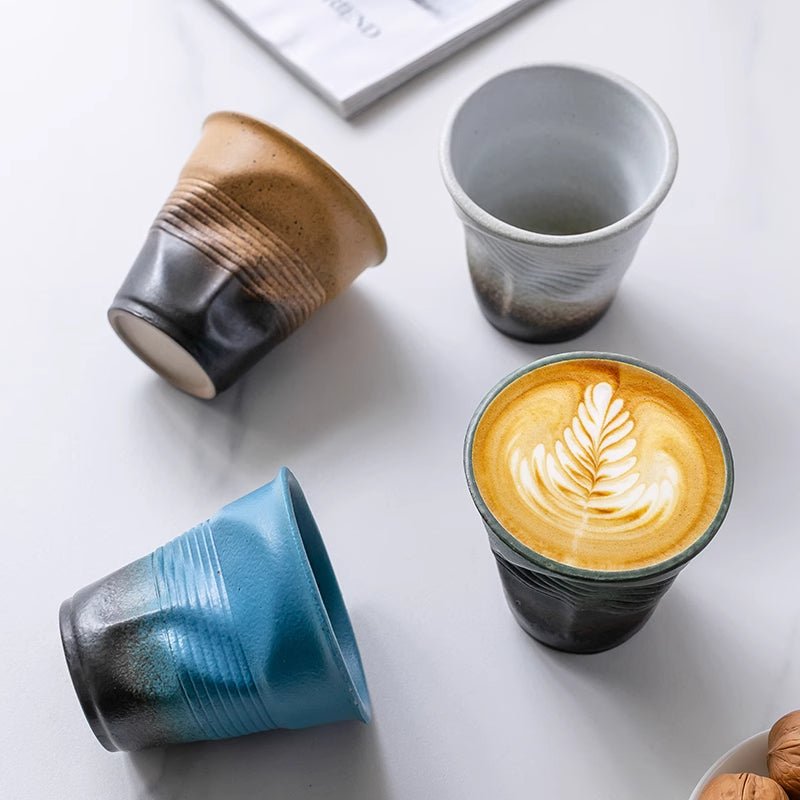
Interesting Coffee Cups: How to Pick a Mug You’ll Actually Use
A practical guide to interesting coffee cups that still work on a real kitchen counter, office desk, or gift shelf. We compare standout designs, daily-use trade-offs, and a few mugs worth looking a...
Подробнее
Оставить комментарий
Этот веб-сайт защищается hCaptcha. Применяются Политика конфиденциальности и Условия использования hCaptcha.