
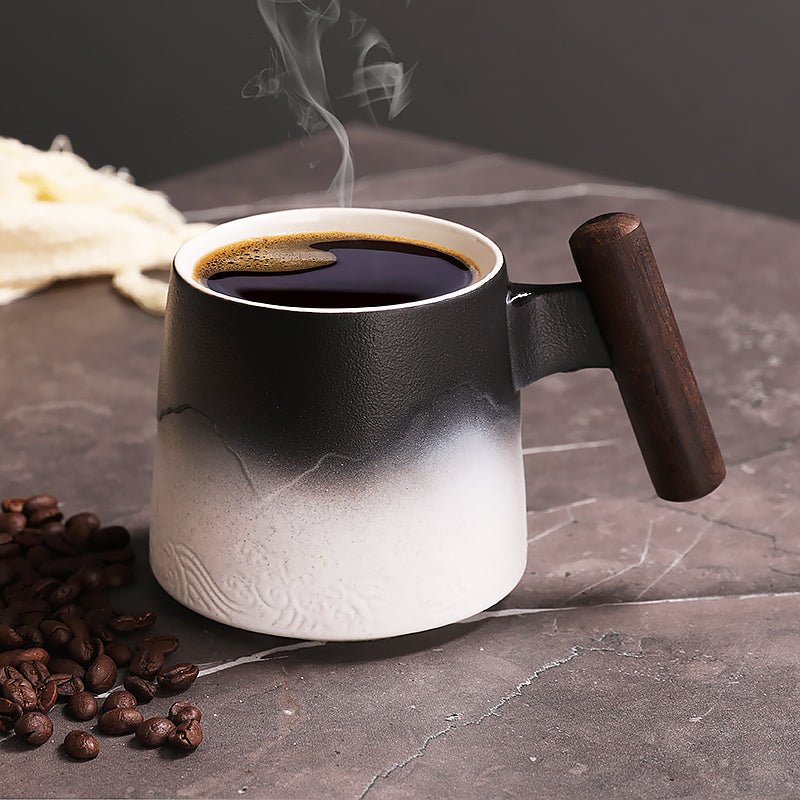
Corning Coffee Mugs: What Buyers Should Check Before Ordering
Reading time: about 12 minutes
A mug can look perfect in a listing photo and still feel wrong the first morning you use it. We see it most often with shoppers replacing older kitchen mugs: they remember the familiar feel of Corning coffee mugs, Corelle-style cups, or classic glass-ceramic dinnerware pieces, but they are not always sure what details made those mugs work so well in daily use.
Corning coffee mugs are often searched by buyers who want something simple, durable, clean-looking, and easy to run through the dishwasher. Some are looking for vintage CorningWare or Corelle pieces. Others just want that same practical, lightweight, no-fuss feel in a mug they can actually use every day. In our store, we handle mugs with those exact questions in mind: how the handle fits, how the rim feels, how much coffee it really holds, and whether the mug suits a real kitchen counter or office desk.
This guide will help you compare corning coffee mugs with other everyday mug options before you order. It is not about chasing a collectible label. It is about choosing a mug that works for your coffee routine, your dishwasher, your cabinet space, and your hand.
What do shoppers usually mean by corning coffee mugs?
Most shoppers use the phrase corning coffee mugs in a few different ways. Some mean mugs made by Corning-related brands such as Corelle, CorningWare, or older Pyrex-era kitchenware. Others use the phrase more generally to describe lightweight white mugs, glass-ceramic mugs, or simple everyday cups that match older dinnerware sets.
That distinction matters because not every mug described online as Corning is the same type of product. A vintage cup from a discontinued pattern may feel very different from a modern ceramic mug with a printed design. Older pieces can also vary by production era, pattern, glaze, and condition.
Here are the common buyer expectations we hear:
- Lightweight feel: Many Corning-style mugs feel lighter than thick stoneware mugs of the same capacity.
- Clean white or simple patterned finish: Shoppers often want mugs that blend with existing dinnerware rather than stand out as novelty pieces.
- Dishwasher-friendly routine: The buyer usually wants a mug that can go through normal dishwasher cycles without special handling.
- Everyday durability: These mugs are often chosen for daily coffee, not display shelves.
- Compact storage: Some older cup shapes are narrower than oversized café mugs, which helps in crowded cabinets.
If your goal is a dependable daily mug rather than a specific vintage pattern, it is worth comparing current options too. You can browse our full range of mugs and everyday drinkware styles on the CoffeifyMug all collections page to see which shapes, capacities, and handle styles fit your routine.
Are Corning-style mugs better than standard ceramic mugs?
They can be better for some routines, but not for every buyer. The biggest difference is usually the balance between weight, wall thickness, and feel. A Corning-style mug often appeals to someone who wants a lighter cup that is easy to lift and simple to store. A thicker ceramic or stoneware mug may feel warmer in the hand and more substantial on a desk.
In our experience, mug preference becomes obvious after a few ordinary moments: carrying coffee from the kitchen to a home office, sliding the mug under a single-serve machine, washing it after oatmeal splashes onto the outside, or setting it beside a laptop without wanting a wide, tippy base.
| Feature | Corning-style mugs | Standard ceramic or stoneware mugs |
|---|---|---|
| Weight | Often lighter and easier to lift repeatedly | Usually heavier, especially in larger capacities |
| Heat feel | Can feel hotter at the wall if the material is thin | Thicker walls may feel more insulated in the hand |
| Look | Simple, classic, often white or pattern-based | Wider range of colors, shapes, glazes, and artwork |
| Storage | Many designs are compact and cabinet-friendly | Oversized shapes can take more shelf space |
| Best use | Everyday coffee, matching dinnerware, simple kitchens | Gift mugs, larger drinks, decorative desk mugs |
The trade-off is personality and capacity. If you like big lattes, extra creamer, or a mug that doubles as a soup cup, many older Corning-style mugs may feel too small. If you want a thicker gift mug with a bold design, a modern ceramic mug may be the better fit. Our buyer’s guide to large capacity coffee mugs is useful if you already know you want something roomier than a traditional dinnerware cup.
What size Corning coffee mug should you choose?
Size is where many shoppers get surprised. A mug listed as 10 oz, 12 oz, or 16 oz may not feel that way in daily use because most people do not fill a mug to the absolute rim. A comfortable fill usually leaves space at the top so coffee does not splash when you walk from the counter to the table.
For practical buying, think in working capacity rather than brim capacity. If a mug holds 12 oz to the rim, your comfortable coffee pour may be closer to 10 oz. If you use milk, foam, or flavored creamer, you may want more room.
- 8 oz mugs: Good for small drip coffee, after-dinner coffee, or kitchens with limited cabinet space. They can feel too small for long work sessions.
- 10 to 12 oz mugs: The most practical range for many daily coffee drinkers. It leaves room for a normal pour without becoming bulky.
- 14 to 16 oz mugs: Better for larger coffee, tea, cocoa, or drinks with milk. They may not match the lightweight feel many shoppers associate with Corning mugs.
- 20 oz mugs and larger: Best for oversized servings, but they can be heavy and may not fit some cup holders, espresso machines, or crowded desks.
If you are comparing a classic-feeling mug with a modern daily option, start with 12 oz. It is big enough for most coffee routines without turning into a bowl. For a deeper size breakdown, our guide to 12 oz coffee mugs covers capacity, comfort, and what to check before buying. If you drink larger servings, the 16 ounce coffee mugs fit guide will help you compare shape and material trade-offs.
What material details matter before buying?
The word Corning can make shoppers think of very specific materials, but listings can be inconsistent. Some mugs are glass-ceramic, some are porcelain-like dinnerware, some are stoneware, and some are standard ceramic with a glossy glaze. The material affects weight, rim thickness, heat retention, and long-term wear.
Here are the concrete details we check when evaluating mugs for everyday use:
- Rim thickness: A thin rim feels more refined but may feel less cozy for big morning coffee. A thick rim feels casual and sturdy, but some buyers dislike the bulk against the lip.
- Handle clearance: Measure the space inside the handle if you have larger hands. A mug can look generous but still pinch the knuckle if the handle opening is narrow.
- Base stability: A flat, even foot ring matters on office desks and bedside tables. We avoid mugs that rock on a flat surface because that gets annoying quickly.
- Glaze consistency: Look for smooth glaze inside the mug, especially near the bottom curve. Rough spots can hold coffee residue and are harder to clean.
- Microwave and dishwasher guidance: Follow the manufacturer’s care instructions for the exact mug. Metallic trim, vintage decoration, or unknown older pieces should be treated more carefully.
One defect mode shoppers often miss is crazing, which looks like fine hairline cracks in the glaze. It may show up more clearly after coffee sits in the mug. Chips along the rim are another deal breaker for daily drinking, even if the mug is otherwise attractive. For vintage or secondhand Corning coffee mugs, inspect the rim, handle joint, and bottom foot before using them every day.
Are vintage Corning coffee mugs a good buy?
Vintage mugs can be a good buy if you care about a specific pattern or want to replace a piece from a dinnerware set. They are less ideal if you want guaranteed consistency, a perfect finish, or easy replacement later. Older patterns may be discontinued, and two mugs from the same pattern can show different wear depending on how they were used.
We suggest being especially careful with listings that use vague condition language. A mug described as good condition may still have utensil marks, faded decoration, dishwasher wear, or small chips. Photos should show the rim, inside base, handle attachment points, and underside. If those views are missing, ask before buying.
Vintage is not the best choice for every household. If you need a full matching set for a busy kitchen, modern mugs may be easier to replace if one breaks. If you want a gift-ready mug with a fresh surface and predictable presentation, a new mug is usually safer than a secondhand piece with unknown wear. You can compare current options directly on our CoffeifyMug products page if you want a new mug rather than hunting for a discontinued pattern.
What should you check for microwave and dishwasher use?
For everyday mugs, care instructions matter more than most shoppers expect. A mug that cannot handle your normal routine will end up at the back of the cabinet. Most buyers want something they can fill, reheat, rinse, and place in the dishwasher without thinking about it.
Still, not every mug should be treated the same way. With corning coffee mugs, especially older or pattern-based pieces, check the actual markings and seller notes. Some older decorated items may not have modern care labeling. Metallic accents should not go in the microwave. Pieces with existing cracks or chips should not be used for reheating because damage can worsen with thermal stress.
For daily use, follow these practical steps:
- Check the bottom mark: Look for microwave-safe or dishwasher-safe wording when available.
- Avoid sudden temperature shock: Do not take a very cold mug and immediately pour boiling liquid into it unless the manufacturer says the material can handle that use.
- Use the top rack when unsure: For decorated mugs, top-rack dishwasher placement is gentler than the lower rack near stronger heat and spray.
- Skip abrasive pads: Harsh scrubbing can dull glossy glaze or wear printed decoration over time.
- Inspect after drops: A mug can survive a bump but develop a small rim chip or handle crack that makes it poor for daily drinking.
One small detail from handling mugs in our store: the inside bottom curve matters for cleaning. Flat-bottom interiors can collect coffee stain rings if the glaze is not smooth. Rounded interiors are usually easier to rinse clean after black coffee, tea, or cocoa.
Who should choose a different mug style?
Corning coffee mugs, or mugs with a similar lightweight dinnerware feel, are not the right answer for every buyer. They are practical, but they are not always the most comfortable choice for slow sipping or large drinks.
You may want a different style if:
- You drink large lattes or protein coffee: A 16 oz or 20 oz mug gives more room for milk, foam, ice, or add-ins.
- You want heat retention above all else: A thicker stoneware mug or insulated travel mug may keep drinks feeling warm longer.
- You need a car cup holder fit: Most table mugs, including many Corning-style mugs, are not designed for cup holders.
- You want bold gifting presentation: A decorative ceramic mug may feel more personal for birthdays, holidays, or office gifts.
- You are buying for children: Glass-ceramic or ceramic mugs can break if dropped. A different material may be better for young users.
For shoppers who like a classic mug but want more coffee per pour, we usually suggest comparing 12 oz and 16 oz options side by side. A 12 oz mug feels cleaner and more traditional. A 16 oz mug is more forgiving if you add milk or want fewer refills.
How do you compare listings before you order?
The fastest way to avoid disappointment is to compare listings using practical details, not just the front photo. A good mug listing should help you understand how the mug will behave on your counter, in your hand, and in your dishwasher.
Use this checklist before buying corning coffee mugs or similar everyday mugs:
- Confirm capacity: Check whether the listed ounce size is brim capacity or practical serving size.
- Look for dimensions: Height and top diameter affect cabinet fit, machine clearance, and how the mug feels in the hand.
- Review handle shape: A squared handle, loop handle, and C-handle all feel different during a full pour.
- Check material wording: Porcelain, stoneware, ceramic, glass-ceramic, and bone china are not identical.
- Inspect photos closely: Look for chips, glaze crazing, faded pattern, rough foot rings, or uneven bases.
- Read care instructions: Microwave and dishwasher suitability should match your routine.
- Think about replacements: If you want a matching set, current products are usually easier to replace than discontinued vintage pieces.
For online shoppers, the most useful comparison is not Corning versus non-Corning. It is old versus new, lightweight versus thick, small versus roomy, and collectible versus practical. Once you define that, the buying decision gets much easier.
Frequently asked questions
Are Corning coffee mugs the same as Corelle mugs?
Not always. Shoppers often use the names together because Corning, Corelle, CorningWare, and related kitchenware lines have overlapping history in many homes. Always check the actual bottom mark, seller description, and material details before assuming a mug is from a specific line.
Can Corning coffee mugs go in the microwave?
Some can, but you should verify the exact mug. Modern care markings are the safest guide, while older or vintage mugs may not provide clear instructions. Do not microwave mugs with metallic trim, visible cracks, or unknown material details.
What size are most Corning coffee mugs?
Many classic dinnerware-style coffee mugs fall around smaller everyday capacities, often feeling closer to an 8 oz to 12 oz serving range depending on the specific design. Since listings vary, check the stated capacity and remember that comfortable fill is usually below the rim. If you like larger coffee, compare 14 oz to 16 oz mugs instead.
Are vintage Corning coffee mugs safe for daily use?
They may be suitable for daily use if they are in good condition, but inspect them carefully. Avoid mugs with rim chips, handle cracks, deep crazing, or unknown damage. For a busy household or a gift, a new mug is often the more predictable choice.
Why do some Corning-style mugs feel lighter than ceramic mugs?
Many dinnerware-style mugs use thinner walls and compact shapes, so they can feel lighter than thick stoneware mugs. That can be a benefit for easy lifting and storage. The trade-off is that thinner walls may not feel as heat-retentive or substantial as heavier ceramic mugs.
Your next step before choosing
Before you order, decide what you are really trying to match: a vintage pattern, a lightweight feel, a simple white mug, or a practical everyday coffee size. If the label matters, inspect the markings and condition carefully. If daily use matters more, focus on capacity, handle clearance, microwave guidance, dishwasher care, and how easy the mug will be to replace.
For most shoppers comparing corning coffee mugs with current options, we recommend starting with this short checklist: choose 12 oz for a traditional daily coffee feel, choose 16 oz if you add milk or want fewer refills, avoid damaged vintage pieces for heavy use, and pick a handle shape you can comfortably hold when the mug is full. If you are ready to compare styles, start with our full mug collection and narrow by size, shape, and the kind of coffee routine you actually have.
More from our blog
Read more
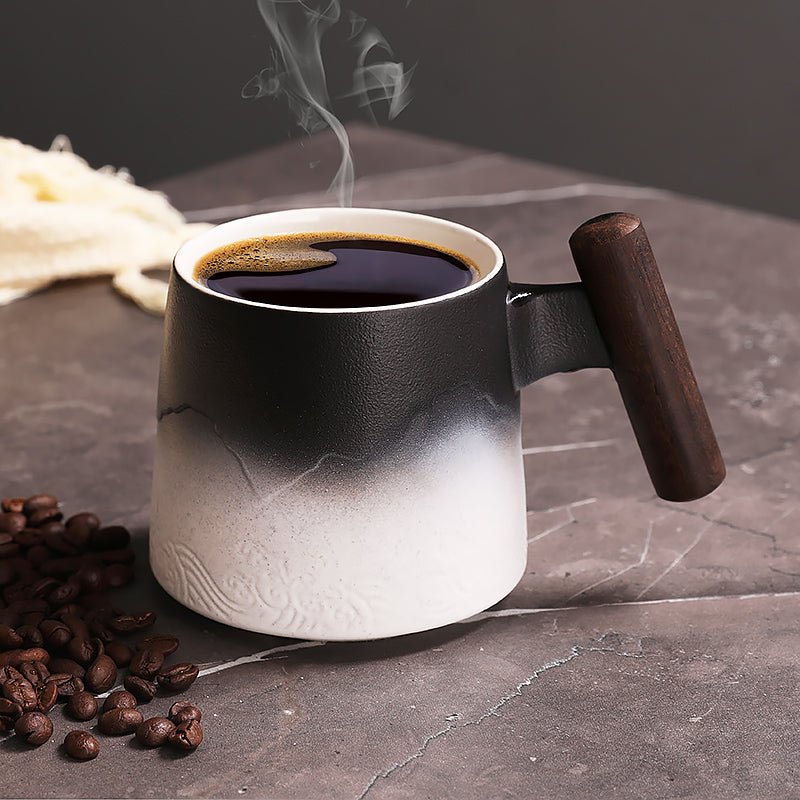
Coffee Rae Dunn Mug: What Buyers Should Check Before Ordering
A coffee Rae Dunn mug can look perfect in photos and still disappoint once it lands on your counter. This guide covers size, handle comfort, finish quality, care, and the trade-offs we see most oft...
Подробнее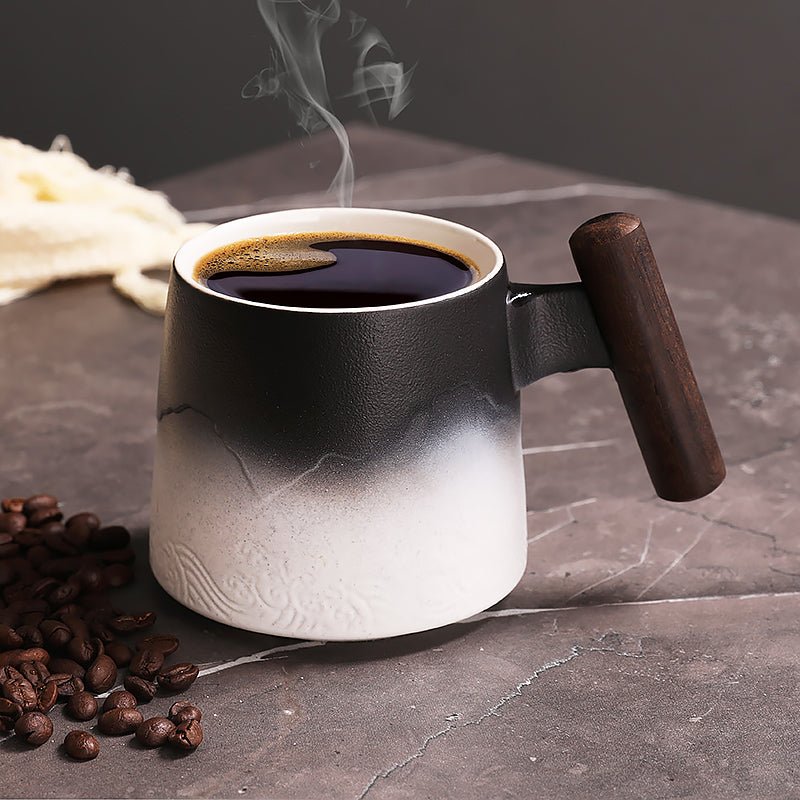
Daddy to Be Coffee Mug: What to Check Before You Buy
A practical buyer’s guide to choosing a daddy to be coffee mug that feels gift-worthy, holds up to daily use, and suits the soon-to-be dad’s actual coffee routine.
Подробнее
Оставить комментарий
Этот веб-сайт защищается hCaptcha. Применяются Политика конфиденциальности и Условия использования hCaptcha.