

Cool Coffee Mugs That Look Good and Work Every Day
Reading time: about 9 minutes
A mug can look great on a shelf and still annoy you by 8 a.m. if the handle is cramped, the rim gets too hot, or the base leaves a ring on your desk. That is the difference between a mug you buy once and a mug that keeps getting used.
We see that difference every day in our store. Buyers usually start by chasing style, then they come back to the same practical questions: does it feel balanced in the hand, will it survive the dishwasher, and is it actually the right size for the way they drink coffee?
If you are comparing cool coffee mugs for yourself or as a gift, the best choice is usually the one that looks intentional and handles real life well. That means a comfortable grip, a stable foot, a finish that does not show every fingerprint, and a shape that fits the coffee you actually pour.
What makes a mug feel cool without making it annoying to use?
A mug feels cool when the design has a clear point of view. It might be a bold color, a clean silhouette, a matte glaze, or a funny line that makes sense on an office desk. The problem starts when style gets in the way of use.
In our experience, the details that matter most are the ones people notice after the first few uses, not just in a product photo. A narrow handle can pinch fingers. A thin rim can feel sharp. A base that is slightly uneven can wobble on a hard table. Those are the issues that turn a cool-looking mug into one that gets left in the cabinet.
- Handle clearance: Look for enough room for three or four fingers without scraping the mug body.
- Rim comfort: A slightly rounded rim usually feels better than a harsh, cut edge.
- Base stability: A flat foot ring helps the mug sit cleanly on kitchen counters and office desks.
- Finish and glaze: Glossy finishes are easy to wipe clean, while matte finishes can feel more modern but may show some wear differently.
Style matters, but not every decorative mug is a good daily mug. Heavy sculptural handles, exaggerated shapes, and overly textured surfaces can look interesting and still be frustrating at the sink. If you want something that earns counter space, aim for a design that looks deliberate without becoming delicate.
Which materials hold up best for daily coffee?
Material changes how a mug feels in the hand, how hot it gets, and how much care it needs. If you want a deeper breakdown before you buy, our guide to Ceramic Coffee Mugs: What to Look For Before You Buy covers the details we check first.
Here is the practical view from the retail side:
| Material | Best for | Trade-off |
|---|---|---|
| Ceramic | Everyday coffee, gifting, easy styling | Can chip at the rim if handled roughly |
| Stoneware | Heavier feel, better heat retention, countertop presence | Usually bulkier and a bit heavier in the hand |
| Double-wall stainless steel | Keeping drinks warm at a desk or on the move | Less of a classic mug feel and often not microwave-safe |
| Glass | Lattes, layered drinks, visual presentation | Shows stains more easily and can feel hotter if single-wall |
Ceramic and stoneware are still the most natural fit for most shoppers because they balance look, weight, and ease of cleaning. They also give you more room to choose between smooth gloss, matte texture, and printed designs without making the mug feel fragile. If you drink coffee at home, at a desk, and on a dishwasher cycle, that balance matters.
What we would not recommend for everyone is a mug that is all decoration and no durability. Metallic decals can limit microwave use. Deep textures can hold onto residue. Extra-thin walls may feel refined at first, but they can lose that comfortable, substantial feel fast.
What size should you buy for your actual coffee habit?
Size is where a lot of buyers get tripped up. A small mug can look neat in photos and still feel too limited for a real morning pour. A very large mug can be useful and still feel clumsy if you only drink a short cup.
In our experience, the sweet spot for many daily coffee drinkers sits around 10 to 14 oz. That range usually gives enough room for a standard pour without making the mug heavy when full. If you top up during the morning or like room for milk, that capacity is usually more forgiving than a compact 8 oz cup.
- 8 to 10 oz: Best for smaller servings, espresso-based drinks, and shoppers who prefer a lighter mug.
- 10 to 14 oz: A strong all-around range for drip coffee, office use, and daily home drinking.
- 16 oz and up: Better for long work sessions, bigger pours, tea, or soup-like uses, but heavier on the wrist and often too large for some mug racks.
If you are leaning bigger, our articles on large capacity coffee mugs and Big Coffee Mugs for Daily Use: What to Buy and What to Skip are useful because they focus on the trade-offs, not just the size label. Bigger is not automatically better. A mug that is too large for your hand or too tall for your machine can become an everyday annoyance.
Which details matter most for desks, gifts, and everyday handling?
This is the part buyers often miss until the mug is already in use. A mug can be attractive and still fail the real-world test of a kitchen counter, office desk, or gift unboxing. If you are shopping for that use case, our post on Best Coffee Mugs for Daily Use, Gifts, and Office Desks is a good next read.
For a desk setup, we look for a few practical details:
- A stable footprint: A mug should sit flat and not feel top-heavy near a laptop or keyboard.
- A comfortable handle angle: The grip should feel natural when you lift a full mug one-handed.
- Easy-clean surfaces: Smooth glaze is usually easier to keep clean than heavy texture.
- Dishwasher-friendly decoration: Printed art should hold up better than delicate foil or raised embellishment if you plan to wash it often.
For gifts, presentation matters more than people admit. A mug that feels sturdy in the hand, comes out of the box cleanly, and has a design that matches the person's routine will get used more often than a novelty piece that only works once. If you want a playful option, our article on Coffee Funny Mugs That Get Used at Home and at Work is worth a look. If you are buying ahead for a seasonal gift, the guide to Christmas Coffee Mugs: How to Choose Gifts, Sets, and Everyday Favorites helps narrow the options.
What a mug is not good for: very delicate hand-wash-only designs if the recipient expects a dishwasher, oversized cups if they have a compact cup holder or narrow shelf, and highly textured surfaces if they hate scrubbing residue out of grooves.
Which mug styles are worth buying and which should you skip?
There are a few styles we see repeatedly, and not all of them make equal sense for everyday use. The best cool coffee mugs are usually the ones with a clear design idea and a shape that holds up to routine handling.
- Worth buying: simple ceramic mugs with a strong color or graphic, because they age well and fit most kitchens.
- Worth buying: stoneware mugs with a slightly thicker rim, because they feel solid without being overly heavy.
- Worth buying: matte exteriors with glazed interiors, because they give style on the outside and easier cleaning where it counts.
- Worth buying: larger everyday mugs if you actually pour big coffees and do not mind the extra weight.
- Skip: novelty shapes that do not stack well, slide around on small shelves, or feel awkward in the hand.
- Skip: mugs with very thin walls if you want a sturdier feel and better everyday durability.
- Skip: highly ornate surfaces if you want a quick rinse after coffee and do not want trapped residue.
- Skip: microwave-sensitive finishes if your routine depends on reheating the same cup.
A mug that chips at the rim, wobbles on the table, or feels awkward to grip is not a good buy just because the artwork looks sharp in the listing photo.
We also watch for common defect modes that shoppers should know about: hairline crazing in the glaze, rough spots where the handle meets the body, slight wobble from an uneven base, and chips that start at the rim after repeated knocks in the sink. Those are the kinds of issues that matter more than a trendy print.
Where should you start if you want to compare options quickly?
If you want to browse without guessing, start with our full collection and compare shapes, sizes, and finishes side by side. If you already know you want to shop the current lineup directly, go to our products page.
That is usually the fastest way to choose well: decide the size first, then the material, then the finish, and only after that pick the design. If the mug will be used every day, keep the list short and practical. If it is a gift, weigh presentation and personality a little more heavily.
For shoppers who want the safest all-around buy, we usually suggest this order of priorities:
- Comfortable handle and stable base
- Material that fits your cleaning routine
- Size that matches your actual coffee habit
- Design you will still like after a week of use, not just on day one
Frequently asked questions
What size coffee mug is best for everyday use?
For most daily coffee drinkers, 10 to 14 oz is the most useful range. It gives enough room for a standard pour without becoming too heavy or awkward when full. If you usually drink smaller servings, 8 to 10 oz can feel better in the hand.
Are ceramic mugs better than glass or stainless steel?
Ceramic is usually the easiest choice for everyday home use because it balances comfort, durability, and style. Glass works well if you like seeing the drink, and stainless steel makes more sense for heat retention or desk use, but neither feels as classic as ceramic for most shoppers.
Can cool coffee mugs go in the microwave and dishwasher?
Many can, but not all. Plain ceramic and stoneware are often the safest bets, while metallic accents, foil prints, and some textured finishes may need hand washing or avoid the microwave. Always check the care details for the specific mug.
What makes a coffee mug a good gift?
A good gift mug looks personal without being hard to use. The best ones have a comfortable handle, a design that fits the recipient's routine, and a finish that can handle regular washing. A mug that looks great but cannot survive daily use usually gets set aside.
How do I know if a mug will feel comfortable in my hand?
Look at the handle opening, wall thickness, and overall shape. A handle with enough knuckle clearance and a mug that is not top-heavy are usually better for everyday use. If the mug looks very wide, very tall, or heavily textured, it may be less comfortable than it appears.
Before you buy, run through this quick checklist: choose the size you will actually finish, confirm the care instructions, check the handle and base, and decide whether you want everyday plain, desk-friendly, or gift-ready styling. If you want to compare current shapes and finishes side by side, start with the collection and then narrow it down from there.
More from our blog
Read more
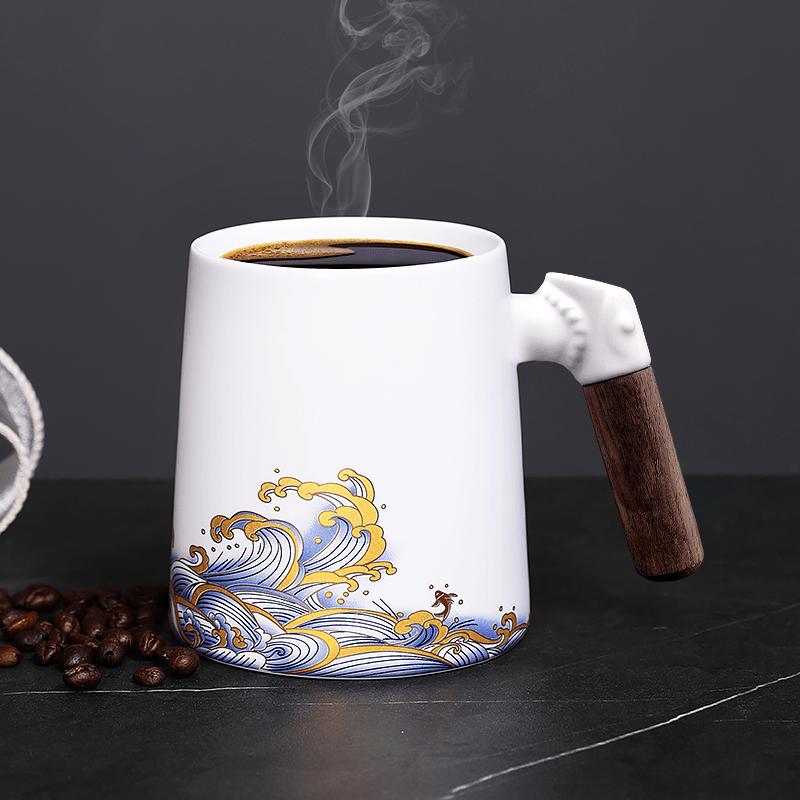
Large Coffee Mug Buying Guide for Daily Use and Gifting
A large coffee mug needs more than extra ounces. We look at handle comfort, base stability, glaze quality, and care so you can pick a mug that works on a desk, in the dishwasher, and at gift time.
Подробнее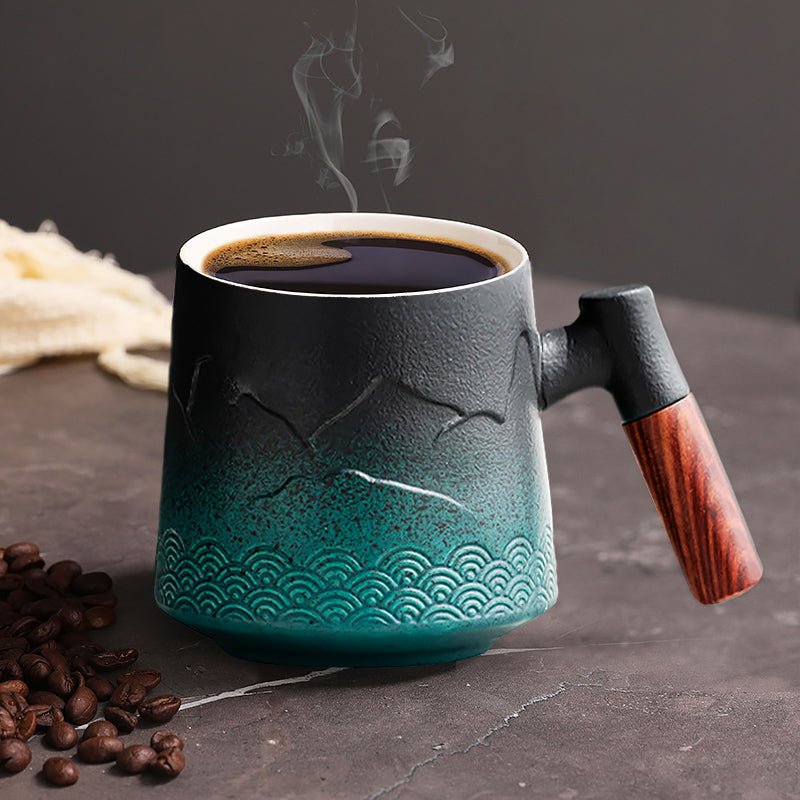
Glass Mug with Lid and Straw for Hot Coffee: What to Check
A glass mug with lid and straw can be practical for desk coffee, but only if the glass, lid, and straw match how you drink. We break down the fit, the trade-offs, and what to check before you buy.
Подробнее
Оставить комментарий
Этот веб-сайт защищается hCaptcha. Применяются Политика конфиденциальности и Условия использования hCaptcha.