
Coffee Percolator Mug Buying Guide: Size, Heat, and Fit
Reading time: about 8 minutes
A coffee mug looks simple until you set it next to a hot percolator and realize the handle feels cramped, the base rocks on the counter, or the cup cools too fast while you are still working through the first few sips. That is the difference between a mug that gets used every day and one that gets pushed to the back of the cabinet.
At CoffeifyMug, we see this a lot with shoppers comparing a practical daily mug, a giftable mug, and a taller shape that saves a little counter width. If you want to browse while you read, start with the Handbag Coffee Tea Mug, the White Golden Waves Tall Coffee Tea Mug, and our full mug collection for a wider comparison.
What should a coffee percolator mug do well?
For this kind of purchase, the mug has a few jobs to do well at the same time. It should pour cleanly from the pot, sit steady on a kitchen counter or desk, and keep the drink pleasant long enough to finish without rushing. A good coffee percolator mug also needs a handle that does not force your fingers into the hot wall of the cup.
We look at three practical things first:
- Heat behavior: ceramic and stoneware usually hold warmth better than thin glass, but no open mug is insulated.
- Grip: a comfortable handle should give two fingers room without pinching.
- Stability: a wider or flatter base usually feels safer on a crowded desk or narrow shelf.
That is also where trade-offs start. A taller mug can look elegant and save cabinet space, but it may feel less planted than a shorter, wider shape. A very large mug gives room for cream or milk, but it can also add weight and take longer to empty before the drink cools.
Which size works best for daily use?
Size matters more than most shoppers expect. A mug that is too small can feel cramped if you add milk or like a longer drink. A mug that is too large can make a normal pour seem half full and can cool more slowly than you want at first, then too fast once you leave it sitting.
If you want a simple rule, match the mug to the way you actually drink coffee:
- 10 oz: good for a straightforward pour with less extra room.
- 12 oz: the most flexible choice for many daily coffee drinkers.
- 14 oz to 15 oz: better if you add milk, want a larger serving, or dislike frequent refills.
If you are still deciding, our size guides for 10 oz coffee mugs and 12 ounce coffee mugs are useful because they show how capacity changes the real feel of the mug, not just the number printed on the listing. If you are balancing a stronger pour against a comfortable hand feel, that comparison helps more than guessing from photos.
| Size | Best for | Trade-off |
|---|---|---|
| 10 oz | Smaller servings, cleaner feel in the hand | Less room for milk or foam |
| 12 oz | Most everyday coffee drinkers | Can feel standard rather than generous |
| 14 oz to 15 oz | Longer sipping sessions, cream-heavy drinks | Heavier and takes more cabinet space |
Which materials and shapes hold up best?
In real use, material and shape affect more than style. A glossy glazed ceramic mug usually wipes clean easily after a full cup of coffee, while a rougher exterior or textured finish may show fingerprints, water spots, or glaze variation more obviously. That does not make it worse, but it does change the kind of upkeep you will notice.
These are the details we inspect when a mug arrives in our store:
- Rim finish: a smooth rim makes each sip feel better and avoids that sharp edge some thin mugs have.
- Handle attachment: the connection between handle and body should feel solid, with no wobble.
- Base flatness: a mug should sit level without rocking on stone, wood, or laminate.
- Glaze consistency: pinholes, uneven spots, or visible bubbles can be cosmetic or can signal inconsistent firing.
Common defect modes are usually easy to spot once you know what to look for: hairline cracks near the rim, a foot that does not sit flat, or a handle that feels thin where it meets the cup. None of those are acceptable if you want a mug that sees daily use.
Material also shapes care. Ceramic and stoneware are common because they work well for everyday coffee, but you still need to check the product page for the exact care note. Some mugs are dishwasher safe, some are microwave safe, and some decorative finishes need more careful handling. Do not assume all mugs are identical just because they look similar in photos.
Which mugs from our store fit this search best?
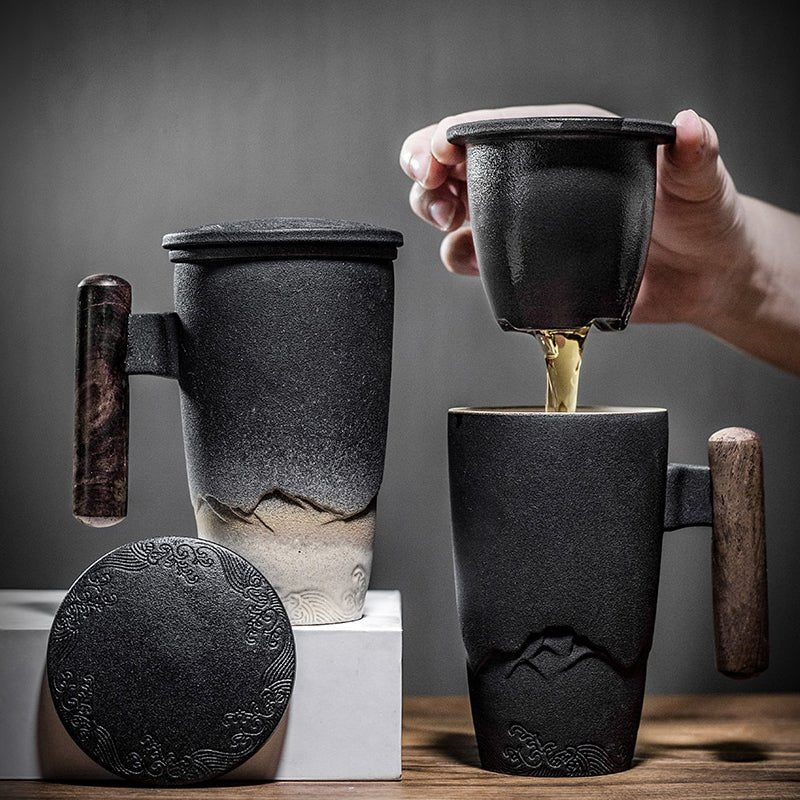
If you want a coffee percolator mug that does more than sit in a cabinet, choose based on how you plan to use it. For a casual daily cup or a gift, a decorative mug can be the right call. For a desk or kitchen that stays busy, a tall shape often feels more practical because it narrows the footprint a little without making the mug feel tiny.
These are the two routes we would point most shoppers toward:
- Handbag Coffee Tea Mug: a better fit if you want something distinctive for gifting, guest coffee, or a desk mug that does not look plain.
- White Golden Waves Tall Coffee Tea Mug: a stronger choice if you prefer a taller profile and a more polished table or office look.
- Mountain Tall Coffee Tea Mug: useful if you want a more graphic, outdoors-inspired style with the same tall-mug practicality.
That said, a decorative mug is not the best option for every buyer. If you need sealed heat retention for a commute, a lidded travel mug is the better category. If you want a mug that fits tightly into a car cup holder, most ceramic mugs are the wrong shape altogether. And if you are buying for someone who drops mugs often, a heavier stoneware piece may be more forgiving than a very thin decorative cup.
If you want a broader comparison before choosing a specific style, our article Coffee Percolator Mug: What to Check Before You Buy lays out the same practical checks we use here in the store.
What should you check before you buy?
Before you click buy, use a short checklist. It keeps you from getting distracted by the pattern or the photo and missing the parts that affect daily use.
- Capacity: match the size to how much coffee you actually drink, not the largest serving you imagine.
- Handle clearance: make sure the handle looks large enough for your fingers, especially if you want a comfortable two-finger grip.
- Base width: a slightly wider base can feel steadier on a crowded counter or office desk.
- Finish care: confirm dishwasher and microwave guidance on the product page instead of assuming.
- Use case: decide whether this is for daily coffee, occasional guests, or gifting.
If you are deciding between similarly sized mugs, compare them with the same question in mind: which one will still feel good after a week of use, not just on day one? That is why a mug buying guide can be more useful than a product photo alone. Our 11 oz coffee mug guide and 12 oz coffee mug guide are helpful if you are stuck between common everyday sizes.
One more practical point: tall mugs can be elegant and space-efficient, but they are not always the best choice for people with smaller hands or for kitchens where mugs get stacked tightly. Shorter mugs usually feel more planted, while taller mugs often trade some stability for a slimmer footprint.
Frequently asked questions
Is a coffee percolator mug different from a regular coffee mug?
Usually, the difference is less about a special manufacturing category and more about fit and use. A coffee percolator mug should handle hot, freshly brewed coffee comfortably, with a shape and size that match how you pour and drink. For most shoppers, that means checking capacity, handle comfort, and cleaning care rather than looking for a special label.
What size coffee percolator mug should I buy for everyday coffee?
For most daily use, 12 oz is the safest middle ground. It gives enough room for a normal pour without feeling oversized, and it works well if you sometimes add milk or cream. If you prefer smaller servings, 10 oz is fine; if you want a larger, slower drink, 14 oz or 15 oz may fit better.
Are tall mugs better than wide mugs for coffee?
Tall mugs are often better if you want a smaller footprint on the counter or shelf. Wide mugs usually feel steadier and can be easier to rinse by hand. The better choice depends on whether you value cabinet efficiency or a more planted feel in the hand.
Can I put a coffee percolator mug in the dishwasher?
Many ceramic mugs are dishwasher safe, but not all finishes are identical. Printed decals, metallic accents, and some specialty glazes can need gentler care. Check the product page for the exact care instructions before you rely on the dishwasher.
Is a coffee percolator mug a good gift?
Yes, if you choose a design that feels intentional rather than purely generic. Tall decorative mugs tend to work well for gifting because they feel more personal on first unboxing and still stay practical for everyday coffee. If the person travels a lot, though, a travel mug would be the better gift category.
If you want the easiest next step, compare size first, then check handle clearance and care notes, and then browse our full mug collection for the shape that matches your routine. That order will save you from buying a mug that looks right but feels wrong after the first week.
Read more
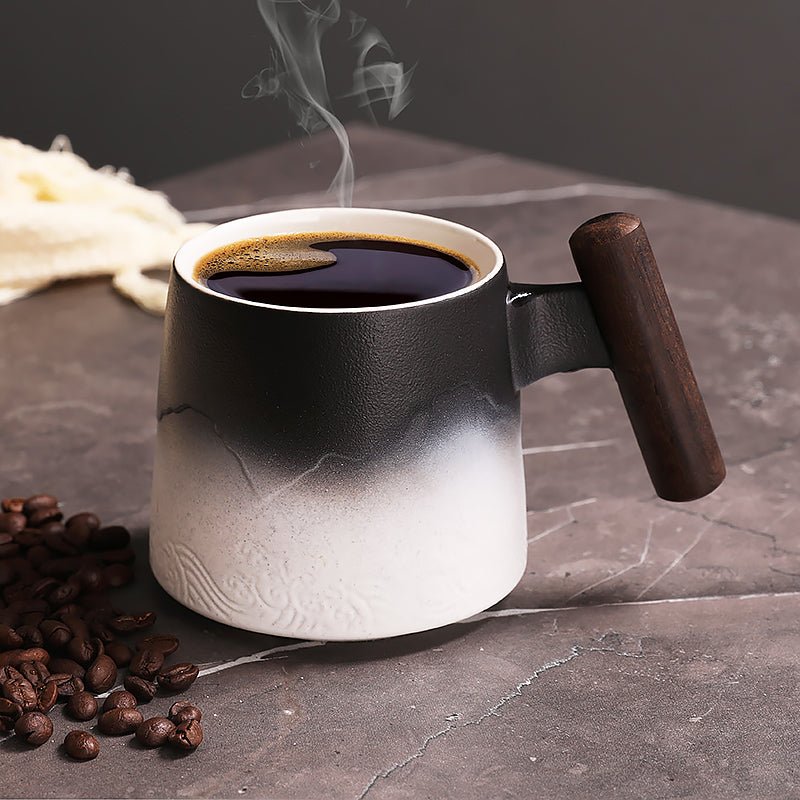
The Wild Mug Coffee Bar: What to Check Before Ordering
The wild mug coffee bar is for shoppers who want a mug with character, but the real difference is shape, capacity, and daily comfort. Here is the practical checklist we use before we recommend one.
Подробнее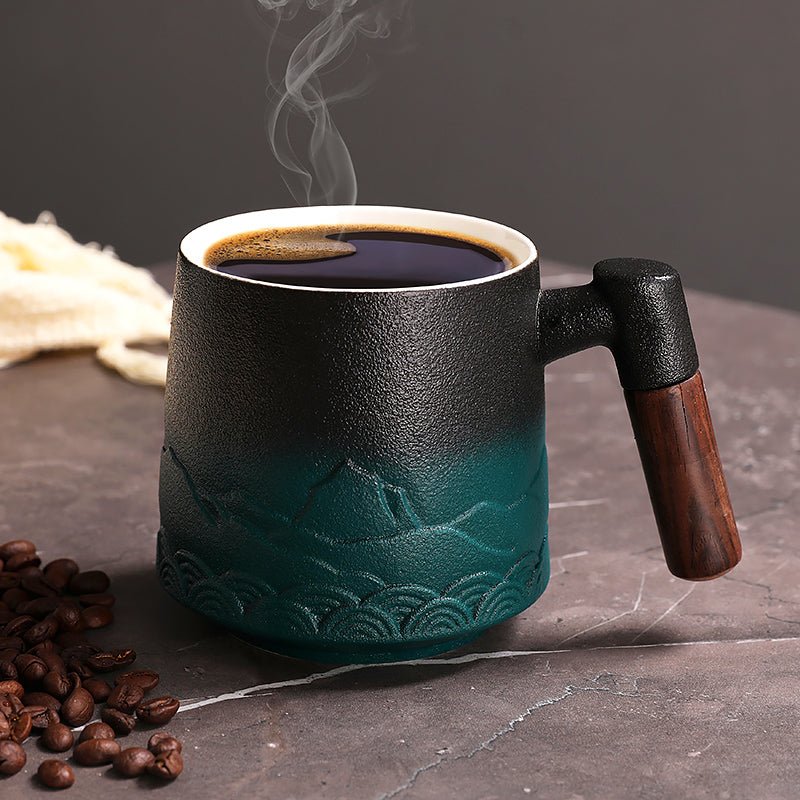
Crate and Barrel Coffee Mugs: Size, Shape, and Buying Trade-Offs
Shoppers comparing crate and barrel coffee mugs usually care about feel, finish, and daily usability more than the pattern. We break down the checks that matter, then point you to mugs and buying g...
Подробнее
Оставить комментарий
Этот веб-сайт защищается hCaptcha. Применяются Политика конфиденциальности и Условия использования hCaptcha.