
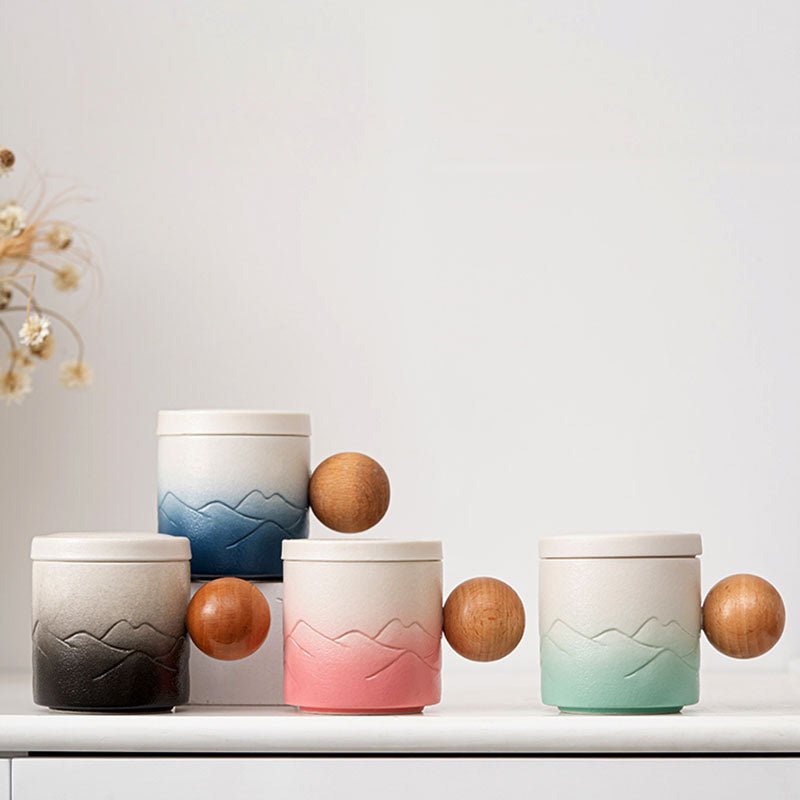
Coffee Mug Size: How to Choose the Right Capacity for Daily Use
Reading time: about 8 minutes
A mug that looks perfect online can feel wrong after the first pour: too shallow for your usual latte, too wide to fit under the brewer, or too tall to slide into the dishwasher rack without wobbling. In our store, the size complaints we hear most often are not about color. They are about grip, heat, and how much coffee someone actually drinks before a refill.
That is why coffee mug size matters more than the listing photo. The ounce number is only part of it. Rim width, handle clearance, wall thickness, and the base footprint change how the mug feels on a kitchen counter, a desk, or a gift unboxing table.
What does coffee mug size change in real use?
A mug does more than hold liquid. It changes the drinking pace. A smaller mug keeps coffee hotter for longer because there is less exposed surface area, while a larger mug gives you room for milk, foam, tea bags, or a second top-up. That sounds simple until you are trying to finish a cup during a meeting and the last third has already gone lukewarm.
Size also affects everyday handling. A mug with a wider body can feel stable on a counter, but it may crowd a narrow coffee station. A taller mug can save footprint space, yet it may not clear low shelves or the space under a machine. The best coffee mug size is the one that matches your drink habit, your storage, and your hand.
If the mug only works when it is empty, it is the wrong mug size.
Which coffee mug size fits your drink habit?
We see the same pattern again and again: people buy based on the ounce label, then realize they wanted a different shape. If you want a quick comparison, use the table below as a practical starting point rather than a strict rule.
| Common size | Typical use | What it feels like | Trade-off |
|---|---|---|---|
| 8 oz | Espresso drinks, small drip coffee, tea tastings | Compact, warm, easy to finish before it cools | Not ideal if you pour large lattes or want a long desk session |
| 11 to 12 oz | Everyday drip coffee, standard home use, gifting | Balanced in the hand and easy to store | Less room for milk-heavy drinks |
| 14 to 16 oz | Big pour mornings, tea, hot chocolate, room for cream | Feels generous without becoming oversized | Can cool faster and take more cabinet space |
| 18 oz and up | Very large drinks, soup-style mugs, long desk sessions | Heavy, roomy, and less refill-focused | Usually not the best fit for small hands, small shelves, or compact brewers |
If you drink a straightforward black coffee and want a mug that finishes hot and comfortable, the middle of that chart is usually the safest range. If you routinely add a lot of milk or want a mug that also handles tea and cocoa, move up. If you like a smaller, more focused pour, go down.
How do our mug shapes compare if you care about size?
For shoppers comparing shapes, we usually recommend starting with the product pages first and then checking the collection view side by side. The broader profile of the Great Mountain Coffee Tea Mug is a good place to start if you prefer a mug that feels steady on a counter. If you want something with a cleaner everyday feel, compare it with the Emerald Coffee Tea Mug. If you want a taller silhouette that takes up less width on a desk, look at the Landscape Tall Coffee Tea Mug.
For shoppers who want to compare the full lineup without jumping between tabs, our collection is the fastest way to see how different mug sizes and shapes stack up.
That comparison matters because shape changes the experience even when capacity is similar. A wide mug can feel easier to stir and easier to top off with milk, but it also exposes more surface area to air. A tall mug often fits a tighter shelf better, yet it can feel less stable in a shallow drawer or on a small office coaster. Neither is wrong. They solve different problems.
What should you check besides ounces?
Ounces help, but they do not tell you if the mug is comfortable. We look at five details every time we handle a mug in person, and buyers should do the same before clicking buy.
- Handle clearance: Your fingers should slide through without the knuckles hitting the cup. A handle that is too tight feels cheap fast.
- Base diameter: A flat, stable foot ring reduces wobble on glossy counters and desk pads.
- Wall thickness: Thicker walls usually feel sturdier and hold heat differently, but they can make the mug heavier in the hand.
- Rim shape: A thinner, even rim drinks more comfortably than a bulky lip that pushes coffee unevenly.
- Finish quality: Watch for glaze pinholes, rough seams, or a foot ring that does not sit flat. Those small flaws are the ones that show up after a few dishwasher cycles.
For ceramic mugs in particular, we also pay attention to thermal shock. A mug that goes from very hot to very cold too fast can develop hairline cracks over time. That does not mean you need to baby it. It means a mug should be treated like a real kitchen item, not a display piece.
Which coffee mug size works best for gifts, offices, and small kitchens?
The best size depends on where the mug will live. A gift mug should be easy to use without explaining it. A desk mug should not feel like a bulky prop. A small kitchen mug should fit the shelf you actually have, not the one you wish you had.
- For gifts: 11 to 12 oz is the safest default because it works for most daily coffee drinkers without looking oversized.
- For offices: Medium sizes are usually the best balance. They fit under cabinets more easily and do not dominate a crowded desk.
- For small kitchens: Shorter mugs are easier to store under low shelves and stack more neatly near the sink.
- For tea or hot chocolate: 14 to 16 oz can make sense because the extra room helps with tea bags, foam, or marshmallows.
There are cases where a larger mug is the wrong choice. If someone uses a compact espresso machine, a tall mug may not fit under the spout. If the mug has to live on a mug warmer, the base may be too wide or too narrow to sit properly. If a person likes their coffee hot to the last sip, an oversized mug can work against them.
What mistakes make buyers regret coffee mug size?
Most size regret comes from skipping the practical checks. We see four mistakes most often.
- Reading only the ounce count. Two mugs with the same capacity can feel very different because one is wide and one is tall.
- Ignoring the handle. A mug can be the right volume and still feel awkward if the handle is cramped or angled badly.
- Forgetting storage height. A mug that looks great on a page can be the wrong fit for a low cabinet, a cup warmer, or a dishwasher rack.
- Buying for a drink you do not actually make. If you never pour oversized lattes, you probably do not need an oversized mug.
If you want a measurement-first deep dive, our guides on Average Coffee Mug Size: What Buyers Should Expect, Coffee Mug Oz Guide: How to Choose the Right Size Before You Buy, and Best Ceramic Mug Size for a Small Coffee Corner go deeper into the numbers and the space constraints that matter at home.
Frequently asked questions
What is a standard coffee mug size?
Most everyday coffee mugs land around 11 to 12 oz, which is a practical middle ground for drip coffee and tea. Smaller mugs work better for espresso-based drinks, while larger mugs suit milk-heavy drinks or long desk sessions. The right size still depends on the mug shape and handle clearance, not just the label.
Is a larger coffee mug better for daily use?
Not automatically. A larger mug gives you room for extra milk or a bigger pour, but it can cool faster and feel bulky in the hand. If you drink one normal cup and want it hot, a mid-size mug is often the better buy.
What coffee mug size is best for a gift?
We usually suggest 11 to 12 oz for gifts because it works for most people without feeling extreme in either direction. If you know the person likes oversized lattes, tea, or hot chocolate, 14 to 16 oz is the safer upgrade. If you do not know their habit, stay with the middle.
Should I choose height or width first?
Choose by the space the mug has to live in. If cabinet clearance, a coffee machine, or a warming plate is tight, height matters first. If the mug will sit on a desk or a wide counter, width and handle comfort matter more.
How do I know if a mug is too big for my machine or shelf?
Measure the tallest available clearance and compare it with the mug height, including the handle if the shelf is tight. For espresso machines and under-cabinet storage, even a small difference can make a mug unusable. If the fit looks close on paper, pick the smaller option.
If you are comparing coffee mug size across styles, start with the checklists above, then look at the product pages for shape and fit. From there, browse our full collection and choose the mug that matches your daily pour, your storage space, and the way you actually drink coffee.
Read more
Jesus and Coffee Mug Buying Guide for Gifts and Daily Use
A practical guide to choosing a Jesus and coffee mug for daily use or gifting, with notes on size, print placement, care, and which style fits a kitchen or desk best.
Подробнее
HydroJug Coffee Mug: What to Check Before You Buy
A practical buying guide for shoppers comparing a hydrojug coffee mug style cup against everyday mugs, travel options, and giftable ceramic designs. We cover size, fit, materials, care, and the tra...
Подробнее
Оставить комментарий
Этот веб-сайт защищается hCaptcha. Применяются Политика конфиденциальности и Условия использования hCaptcha.