
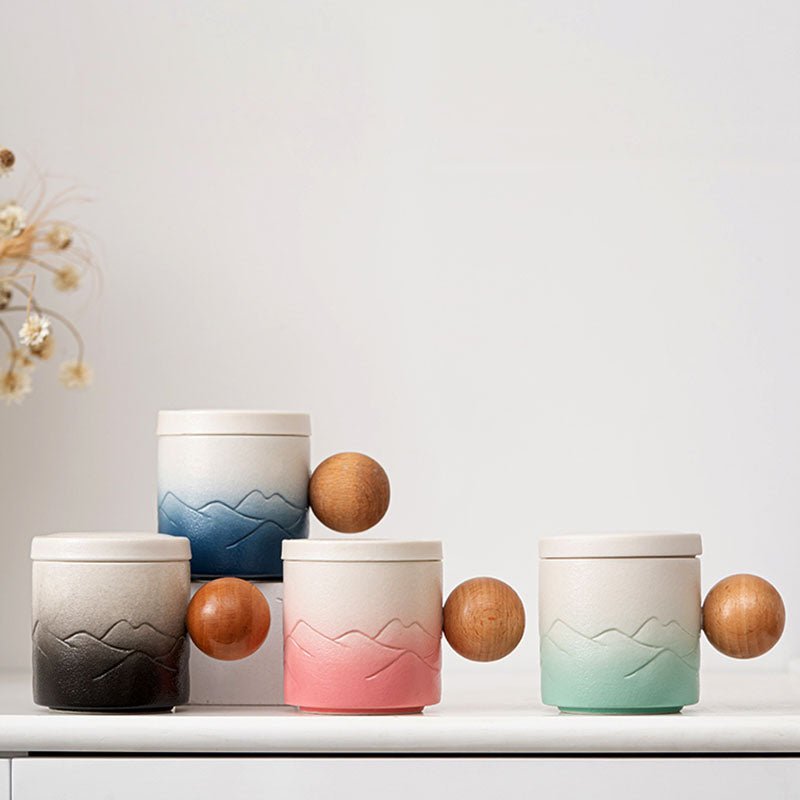
Coffee Mug Shelf Display Ideas for Real Kitchens and Small Spaces
Reading time: about 8 minutes
A mug shelf that looks good in a product photo can fail the second you bring it into a real kitchen. The usual problem is not style. It is fit. Handles knock into the shelf above, tall mugs disappear behind shorter ones, and a display that looked neat in the cart becomes cluttered once daily-use mugs move in.
At CoffeifyMug, we think about a coffee mug shelf display as a storage decision first and a styling choice second. That is why we pay attention to mug height, handle clearance, and whether a mug will still be easy to grab on a busy morning. If you are comparing options, start with our full mug collection and then narrow down by shelf depth, cabinet height, and how often you actually use the mugs.
What should a coffee mug shelf display do in a real kitchen?
A good coffee mug shelf display should solve three problems at once: keep mugs accessible, prevent clutter, and make the shelf easy to keep clean. If any one of those fails, the display starts to feel decorative in the wrong way. It becomes something you work around instead of something that helps your routine.
In our experience, the best shelf displays are the ones that fit the way people actually live. Morning coffee mugs should sit where hands can reach them without moving other items. Gift mugs can live higher up or in a second row. Seasonal pieces can rotate in and out instead of crowding the whole shelf year-round.
- Daily mugs belong on the easiest-to-reach shelf, usually near the coffee maker or kettle.
- Accent mugs work best in the front row, where artwork or color can be seen immediately.
- Seasonal mugs should be easy to swap, not buried behind everyday pieces.
- Oversized or tall mugs need extra vertical clearance so the handle does not hit the shelf above.
If you want a broader layout idea before buying, our post on Coffee Mug Shelf Display Ideas for Real Kitchens and Small Spaces walks through the common shelf setups we see from shoppers.
Which mug shapes work best on open shelves?
Shape matters more than people expect. A mug with a wide body and low profile can look balanced on a shallow shelf. A tall mug creates a stronger vertical line, which helps if the shelf feels visually empty. But taller mugs also need more space above them, so they are not the best choice for every cabinet.
For a coffee mug shelf display, we usually look at three practical fit points:
- Height: Tall mugs need enough space for the rim and for your hand to lift them out cleanly.
- Handle projection: The handle should not scrape the wall, shelf edge, or another mug.
- Footprint: A narrow base takes less shelf space, which matters on a crowded counter or in a small apartment kitchen.
The White Golden Waves Tall Coffee Tea Mug is a good example of why shape matters. A tall mug like that reads clearly on an open shelf, especially if you want the display to look intentional instead of packed. The trade-off is simple: tall mugs are not ideal for low cabinets or shelves with limited vertical room.
For shoppers who want a display with a more grounded, outdoorsy feel, the Mountain Tall Coffee Tea Mug gives the same vertical advantage while fitting a more rustic or neutral shelf palette. It is the kind of mug we would place where it can be seen, not squeezed behind a row of short cups.
How do you style a shelf without making it look crowded?
The trick is to leave visible air between mugs. A shelf display reads as organized when the eye can track one object at a time. If you cram every mug shoulder to shoulder, even a beautiful collection starts to look like inventory.
We usually recommend a simple layout:
- Start with the mugs you use every day.
- Add one or two display mugs that bring in color, pattern, or seasonality.
- Leave one open gap on the shelf so the arrangement does not feel packed.
- Keep heavier mugs lower and lighter visual pieces higher.
That approach works especially well if you mix one tall mug with shorter cups. The height variation gives the shelf rhythm. If everything is the same size, the display can flatten out fast.
If you want more practical styling rules, our article Coffee Mug Display Guide for Kitchens, Offices, and Small Spaces covers how the same mug shelf display changes when the shelf is in a kitchen, a break room, or a tight apartment nook.
One detail that gets missed often: a mug display should still work after a dishwasher cycle. If the mug comes out slightly wet, the shelf needs enough clearance and airflow to avoid trapped moisture on the base or rim.
What details should you check before buying mugs for a shelf?
We tell shoppers to check the boring details first. They are usually the ones that determine whether a mug display stays neat after a week of use.
| What to check | Why it matters | Common mistake |
|---|---|---|
| Height and shelf clearance | Prevents scraping the shelf above | Buying a tall mug for a shallow cabinet |
| Handle size | Makes the mug easy to grab and place back | Choosing a handle that feels good in photos but awkward in use |
| Surface finish | Changes how the mug looks under kitchen lighting | Not checking whether the glaze reflects a lot of glare |
| Cleaning routine | Affects how well the display holds up over time | Ignoring whether the mug will be hand-washed or run through the dishwasher |
For a seasonal shelf, a mug like the Christmas Coffee Tea Mug is useful because it gives you an easy swap without changing the whole arrangement. That said, seasonal mugs are not the right answer if you want a year-round display that stays visually calm. They work best as accents, not as the main system.
If you are comparing fit more broadly, our post Coffee Mug Shelf Guide: Fit, Materials, and Display Tips is a useful companion piece before you commit to a shelf layout or a full set.
What does not work well on a coffee mug shelf display?
Some setups look good only until real use starts. We would not recommend a mug shelf display that depends on ultra-tight spacing, because it becomes annoying the first time you are rushing to make coffee. We also would not use tall mugs on shelves with low vertical clearance, or put decorative mugs where they will be splashed by sink water or grease from a nearby cooktop.
Here are the most common misfits we see:
- Too many sizes mixed together: The shelf looks accidental, not curated.
- Deep mugs on shallow shelves: Handles hang awkwardly over the edge or rub the wall.
- All-display, no daily-use plan: The shelf looks nice but is inconvenient every morning.
- Seasonal mugs used as everyday mugs: They can feel out of place once the season passes.
That does not mean you need a perfectly minimal shelf. It means you should choose mugs that match the shelf you already have, not the other way around. If the cabinet is narrow or the shelf height is tight, a shorter mug may be the better choice. If the shelf is open and visible from the dining area, a tall mug can add the kind of vertical shape that makes the display feel finished.
How can you build a display that still works for daily use?
The most practical coffee mug shelf display is the one that keeps the easiest mugs in the easiest place. We usually suggest organizing by frequency, not by color alone.
- Put your most-used mugs in the front row.
- Use taller statement mugs at the edges or on the ends of the shelf.
- Reserve one section for seasonal or gift mugs.
- Keep the bottom of the shelf free of loose decor so dusting stays simple.
This is also where a small collection can help. A few carefully chosen mugs are easier to live with than a shelf packed full of options. If you are buying for a gift, an office coffee corner, or a kitchen refresh, a clean lineup makes the display feel intentional without demanding constant rearranging.
That is why many shoppers start with one hero mug and build from there. A white-and-gold mug gives a brighter, cleaner shelf read. A nature-inspired mug adds texture. A holiday mug adds a short-term accent. The point is not to own every style. The point is to choose pieces that earn their shelf space.
Frequently asked questions
How many mugs should I put on one shelf?
There is no fixed number. Start with the shelf width and leave space between mugs so each one is easy to grab. On a smaller shelf, three to five mugs often looks cleaner than trying to fill every inch.
Are tall mugs better for display shelves?
They can be, especially on open shelves where vertical shape matters. Tall mugs draw the eye and can make a display feel more finished. They are not the best choice for low cabinets or shelves with limited overhead space.
Can I use decorative mugs as everyday mugs?
Yes, if the mug is comfortable to hold, easy to clean, and fits your shelf setup. We would avoid using delicate display-only pieces as daily mugs if you need frequent dishwasher cycles or if the handle feels cramped in hand.
What is the easiest shelf setup to maintain?
A simple front-row layout with a small number of mugs is easiest to keep clean. It reduces dust buildup, makes wiping the shelf faster, and avoids the problem of mugs getting buried behind other mugs.
What should I buy first if I am starting from scratch?
Start with one mug style that fits your shelf height and your daily routine, then add one accent mug if you want variety. If you want to compare options quickly, begin with our full collection and choose the mug shape that matches your shelf, not just the one that looks best alone.
If you want the fastest next step, compare your shelf height, decide whether you need a tall mug or a shorter everyday shape, and then browse the CoffeifyMug collection for mugs that fit the space without crowding it.
Read more
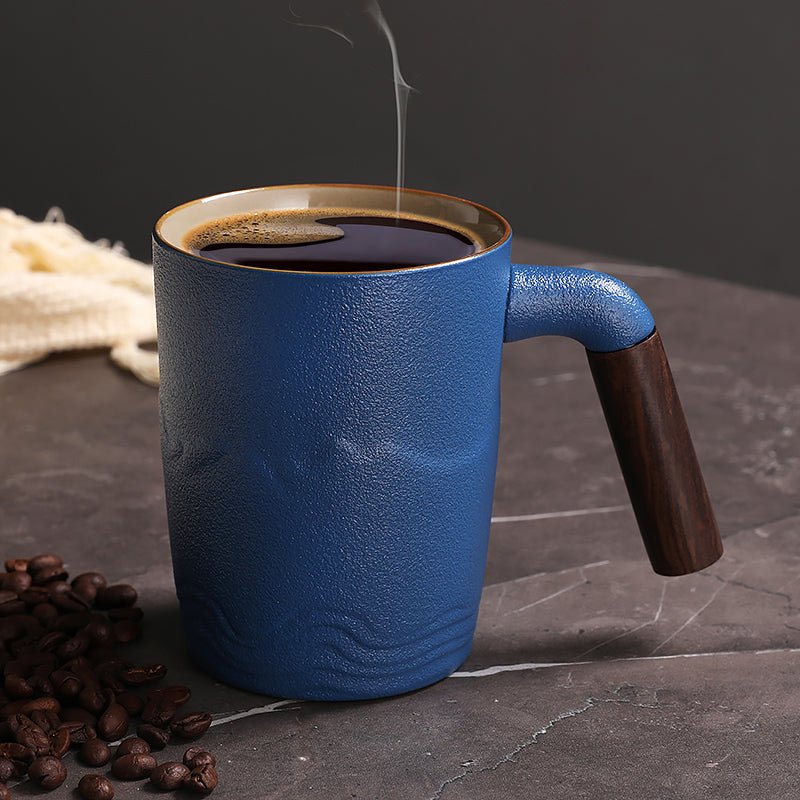
Coffee Mug Cartoon Buying Guide for Style, Size, and Care
Cartoon mugs should be judged like daily drinkware, not just decor. We break down what matters on the counter, in a gift box, and after the first few washes.
Подробнее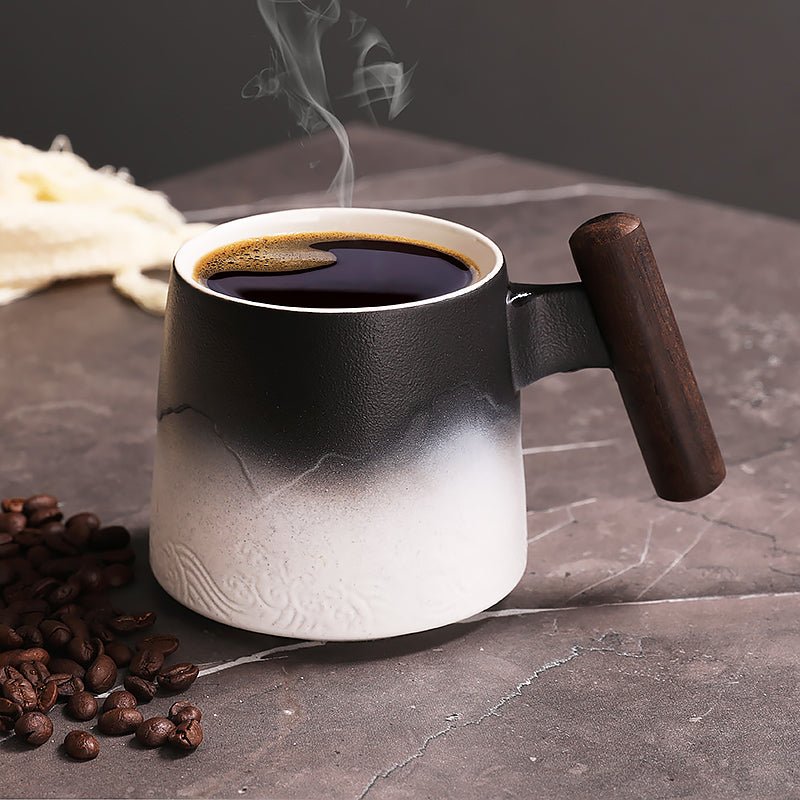
Coffee Mug Care Tips to Make Your Mug Last Longer
Learn practical coffee mug care tips that help protect glaze, prevent stains, and keep your favorite mug in good shape for everyday use.
Подробнее
Оставить комментарий
Этот веб-сайт защищается hCaptcha. Применяются Политика конфиденциальности и Условия использования hCaptcha.