
Coffee Mug Rack Guide: Materials, Fit, and Storage Choices
Reading time: about 11 minutes
A coffee mug rattling against the back of a crowded cabinet is the kind of small annoyance that turns into a daily one. Handles tangle. Mugs chip. The one you actually want ends up behind three others, and the counter around the coffee maker starts looking cluttered before breakfast is even finished.
A well-chosen coffee mug rack solves that problem by putting the mugs where you can see and reach them, without forcing you to sacrifice stability or cleaning ease. We handle this category with that exact use case in mind: kitchen counters, office coffee stations, gift setups, and the real-world mess that comes with all three. If you want to browse what we carry while you compare styles, our products page is the fastest place to start, and the full collections page is useful if you want the rack to match the rest of your coffee setup.
What should a coffee mug rack actually solve?
The best rack does more than hold mugs. It should free cabinet space, keep handles from knocking together, and make the mugs you use most easy to grab with one hand. If it does not do those three things, it is decoration pretending to be storage.
In our experience, buyers usually want one of three outcomes:
- Daily convenience: a rack near the coffee maker for the mugs used every morning.
- Display with purpose: a way to show off a favorite set without letting it sit unused in a closed cabinet.
- Space recovery: a cleaner counter or cabinet so other kitchen items do not get shoved around the mugs.
That sounds simple, but the details matter. A rack can look solid in photos and still be annoying if the hooks are too close together, the base rocks on a tile counter, or the arms sit too low for thicker ceramic handles. We have seen more returns caused by fit than by style.
A few things a buyer should check before ordering:
- Handle clearance: if the mug needs to twist or scrape to hang, the spacing is too tight.
- Base stability: a narrow freestanding base can feel fine empty and become wobbly once loaded unevenly.
- Finish quality: corners and joints are where thin coatings chip first.
- Cleaning access: open designs are easier to wipe down than crowded ones that trap dust and coffee residue.
Not ideal for: oversized travel mugs, very heavy stoneware sets, or a counter that already has almost no usable surface area. If your mugs are large and thick-handled, a different storage style may be better than forcing a compact rack to do too much.
Which style fits your space best?
The right style depends on where the rack will live. A small apartment kitchen, a rental, and an office breakroom do not need the same solution. We look at style first because it determines how the rack gets used every day.
| Style | Best use | Trade-off |
|---|---|---|
| Freestanding rack | Countertops, coffee bars, rental-friendly spaces | Takes surface space |
| Wall-mounted rack | Small kitchens with open wall space | Needs secure mounting and the right wall type |
| Under-cabinet rack | Keeping mugs off the counter | Can limit clearance for taller mugs |
| Tree-style rack | Compact display with quick access | Can tip if the load is uneven or too heavy |
| Rail or peg system | Open shelving and a more built-in look | Less flexible if mug handles vary a lot |
Freestanding racks are the easiest to move and the safest first choice if you rent or like to rearrange your coffee corner. Wall-mounted and under-cabinet versions save counter space, but they require better planning. If the anchors, screws, or cabinet underside are wrong, you end up with wobble or a rack that loosens over time.
For shoppers building a coordinated coffee station, our collections page makes it easier to compare mug storage against the rest of the setup instead of buying the rack in isolation. That is usually where the right choice becomes obvious.
Which materials hold up in daily use?
Material choice affects how the rack feels after months of use, not just how it looks on day one. The racks that age best are usually simple and sturdy: powder-coated steel, well-welded metal, or wood and bamboo accents that are kept away from constant splash zones.
Powder-coated steel is the practical favorite because it handles daily wiping well and resists fingerprints better than bare metal. Chrome can look clean and bright, but it shows water spots quickly if it sits near a sink. Wood and bamboo bring warmth, but they ask for more care and are not the best match for humid corners or splash-heavy counters.
Three concrete details matter more than most product photos show:
- Hook shape: rounded tips are gentler on ceramic handles than sharp cut ends.
- Weld quality: clean welds reduce flex when the rack is loaded with full mugs.
- Base weight: a heavier base helps a freestanding rack stay planted when the load is uneven.
Common failure points are easy to miss until the rack is in use:
- Rough hook ends that scratch glaze or catch on handles.
- Thin coating at joints that chips first where the frame bends.
- Loose connections that start with a slight wobble and get worse over time.
- Thin base plates that feel fine until one side gets loaded more heavily than the other.
For care, keep it simple. Wipe the frame with a soft cloth, dry it after splashes, and check screws or fasteners every so often. If the rack has wooden parts, do not soak them. If a label says a part is not dishwasher-safe, believe it. A dishwasher cycle is rougher than most buyers expect, and it can damage coatings or wood finishes quickly.
How much spacing do your mugs need?
This is where a coffee mug rack either works smoothly or becomes irritating every morning. Handle clearance matters. So does the depth of the hook, the angle of the arm, and whether the mug can hang straight without bumping the next one.
We tell shoppers to measure the mugs they already own, not the mugs they wish they owned. A slim 8 oz cup and a thick 24 oz mug can need very different spacing, even if they look similar in a photo. The handle shape matters as much as the volume.
- Measure the widest handle first. That gives you the real clearance requirement.
- Check the distance from hook to frame. Deeper mug bodies need more room to hang cleanly.
- Leave extra room for thick stoneware, tapered handles, and mugs with wide lips or oversized grips.
- If your collection is mixed, choose a wider-spaced rack instead of forcing every mug into one tight pattern.
If you want a size reference before you choose a rack, our product guides help by comparing mug capacities in practical terms. A rack that works beautifully for slim ceramic mugs can be wrong for chunky hand-thrown pieces. That is not a flaw in the rack; it just means the storage and the mug collection need to match.
The safest rule is simple: buy for the mugs you use now, not for a future collection you may or may not build. If your everyday set is slim and light, a compact rack makes sense. If you own wide-handled stoneware, choose more space and a more stable frame.
What details separate a useful rack from a frustrating one?
The big shape gets the attention. The small details decide whether you keep using it.
- Base width: narrow bases save room but can tip if the load is uneven.
- Hook finish: smooth ends protect glaze and make hanging easier.
- Load balance: the rack should stay steady with real mugs on it, not just empty in the box.
- Assembly: tiny screws and loose fittings can create wobble after a few weeks.
- Cleaning access: open layouts are easier to dust; dense layouts collect grime around the joints.
We also think about where the rack will live. Next to a coffee maker, it needs to be quick to wipe and easy to reach. In an office, it needs a sturdier feel because multiple people will use it and not everyone will be gentle. As a gift, it should look finished from every angle, not just from the front.
In our store, we see the same pattern over and over: fit beats style. A rack can look elegant and still disappoint if the first mug you hang has a thick handle or a slightly uneven base. That matters even more when the rack is part of a gift, because the recipient will use whatever mug they already own.
If you are building a giftable coffee corner, it helps to think about the rack and the mug together. Our products page is a good place to compare the storage piece first, then match it to the mug styles you already like.
How do you keep mugs from chipping, tipping, or crowding together?
The practical answer is to avoid overload and avoid tight fit. A mug rack should make daily use easier, not force ceramic edges into contact with each other. That is especially true for thick-rimmed mugs and wide-handled stoneware.
A few habits make a real difference:
- Hang heavier mugs lower or closer to the center when the design allows it.
- Leave a gap between mugs whenever the spacing gives you the choice.
- Do not hang freshly washed mugs if the rack sits in a damp area and the finish is moisture-sensitive.
- Check the rack after the first week of use and adjust the load if it starts to lean.
A freestanding rack is not the right call for every kitchen. If your counter is cramped, if most of your mugs are oversized, or if the rack will sit near steam and splash from the sink, a cabinet, shelf, or drawer-style solution may serve you better. Open storage is convenient, but it does leave mugs exposed to dust and kitchen air.
Office use changes the equation again. Shared spaces need sturdier bases and finishes that wipe down quickly, because the rack will get less careful handling than it would at home. Decorative designs can work, but only if they still feel stable when several people use them every day.
Which coffee mug rack is right for your setup?
Start with the mugs you own most often, then decide whether the rack is meant for daily use, display, or a full coffee station. That order matters. If you choose the rack first, you can end up with something attractive that does not fit the mugs you already use.
For a counter that feels intentional, compare these four points before you buy:
- Handle clearance
- Base stability
- Finish durability
- Placement in the room
If all four line up, you are probably choosing well. If one of them fails, the rack may still work, but you will feel the compromise every time you use it.
If you want to browse matching pieces now, start with our collections page and narrow from there. If you already know you want to compare specific items first, the products page is the more direct next step.
Frequently asked questions
How many mugs can a coffee mug rack hold?
It depends on the style, spacing, and balance of the rack. A small countertop rack may hold only a few mugs comfortably, while a larger wall-mounted or rail-style rack can hold more if the hooks are spaced well. Do not judge by empty capacity alone; full mugs with real handles are the better test.
Is a wall-mounted coffee mug rack better than a freestanding one?
Wall-mounted racks save counter space, so they work well in small kitchens or coffee nooks. Freestanding racks are easier to move, easier to install, and usually the safer first purchase if you rent or do not want to drill into walls. If you are unsure, freestanding is usually the lower-risk choice.
What material is easiest to clean on a coffee mug rack?
Powder-coated steel is usually the simplest to maintain because it wipes down quickly and does not mind routine cleaning. Chrome also cleans easily, but it shows water spots faster. Wood and bamboo look warmer, but they need more careful drying and should not sit in splash-heavy areas.
Will a coffee mug rack work for large 20 oz or 24 oz mugs?
Sometimes, but not always. Large mugs can be too heavy for lightweight racks and too wide for tight hook spacing, especially if the handles are thick. If you own bigger mugs, check the size and handle shape before you buy, not after the rack arrives.
Can I use a coffee mug rack in an office breakroom?
Yes, and it is often one of the easiest ways to keep a shared coffee area tidy. Choose a stable design with a finish that wipes clean quickly and avoid delicate frames that need careful handling. Shared spaces are harder on storage than a home kitchen, so durability matters more than decoration.
If you are narrowing things down now, compare the mugs you already use, decide where the rack will sit, and choose the style that matches that space. For a clean starting point, browse our collections and then move to the products page once you know which fit and finish you want.
More from our blog
Read more
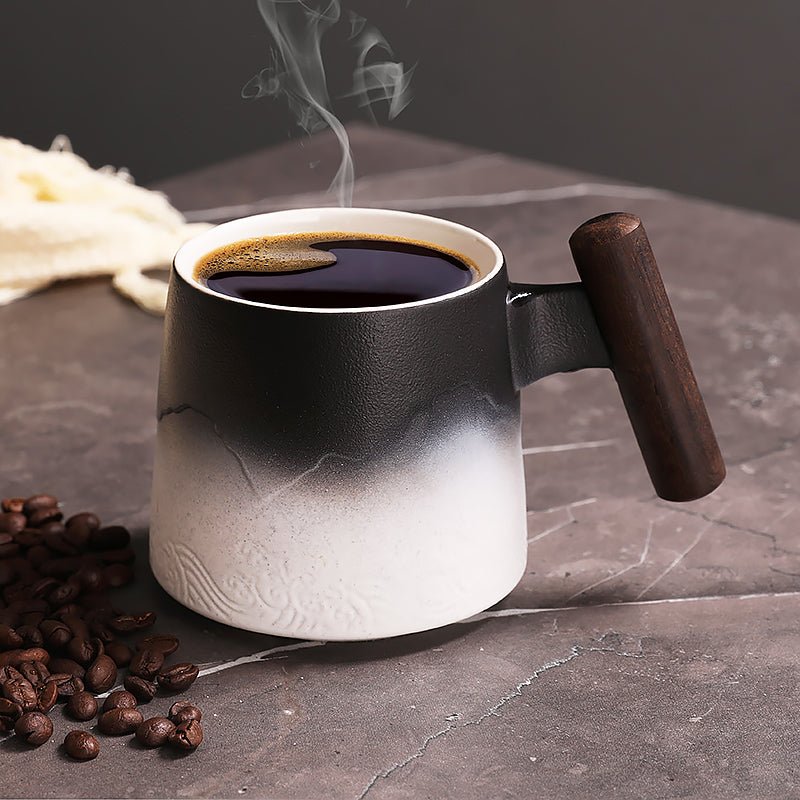
Lowes Coffee Mug Buying Guide: Size, Material, and Care
A practical guide to choosing a lowes coffee mug, with size, material, handle comfort, and care details we check before recommending one.
Подробнее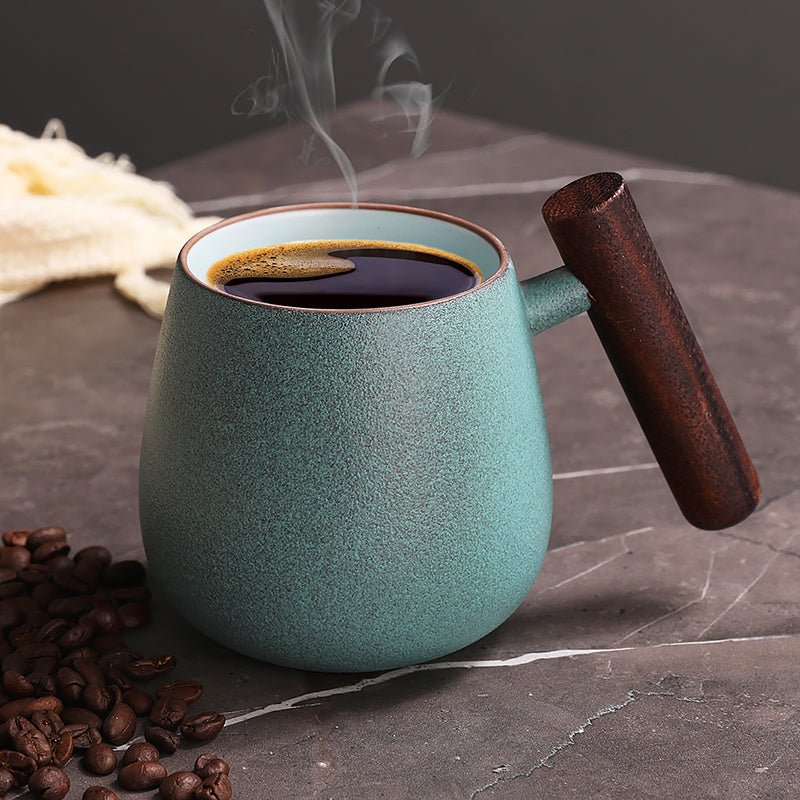
Leak Proof Coffee Travel Mug: What to Check Before You Buy
A leak proof coffee travel mug should survive a commute, a desk shuffle, and a bag ride without dripping. Here’s what actually keeps coffee in the mug and what usually fails.
Подробнее
Оставить комментарий
Этот веб-сайт защищается hCaptcha. Применяются Политика конфиденциальности и Условия использования hCaptcha.