
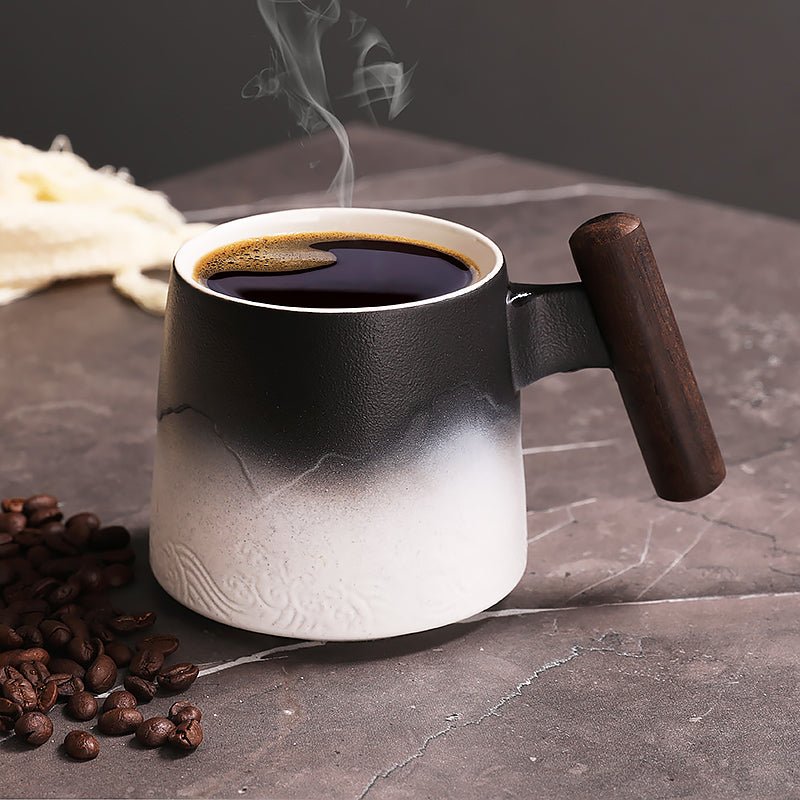
Coffee Mug Printing: What to Check Before You Order
Reading time: about 10 minutes
We see the same mistake on sample orders all the time: the art looks balanced on a laptop screen, then it lands too close to the handle, runs into the curve, or loses contrast against a glossy ceramic glaze. Coffee mug printing only looks simple until the mug shape, print area, and artwork all have to work together on the same desk, box, or kitchen counter.
If you are buying for gifts, office merch, or a small branded run, the safest path is to start with the mug itself, not the graphic. Our store handles a lot of everyday drinkware, and the orders that land best are the ones where the buyer matched the artwork to the mug style before clicking buy.
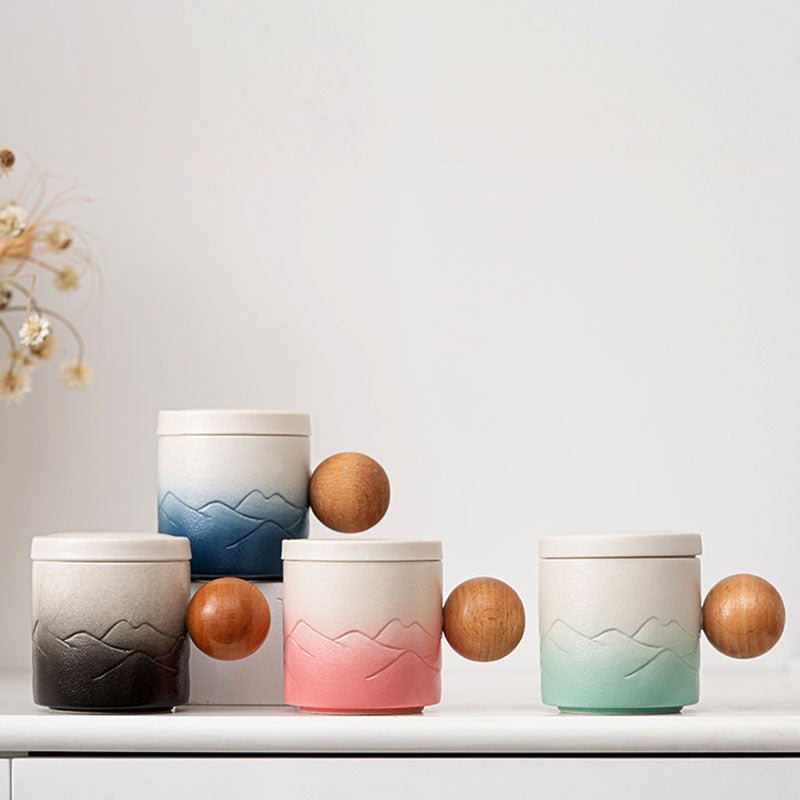
If you want a quick place to compare styles, start with our all mugs collection. For a clean, modern option, the Gradient Coffee Tea Mug gives you a smooth surface that suits simple logos and short copy. The Retro Coffee Tea Cup has a more distinctive profile that works well for gift orders. The Ball Handled Coffee Tea Mug is more characterful, but that handle shape makes print placement more selective.
What usually goes wrong in coffee mug printing?
The biggest problems are rarely about the mug being "bad." They usually come from mismatches between the artwork and the vessel. A centered logo can look sharp on a flat mockup and still feel cramped once it is wrapped around a curved ceramic body. Thin fonts can disappear. Low-contrast colors can look muddy. A design can also look fine on white stock and then lose clarity on a colored glaze or a glossy finish.
In our experience, the three failure points are easy to spot before you order:
- Too much detail for the available print area. Fine lines, tiny type, and dense illustrations need room to breathe.
- Poor contrast between art and background. Light gray on off-white ceramic is a common mistake.
- Wrong placement near the handle or lower curve. If the mug narrows, the image can distort or feel off-center.
That is why coffee mug printing should be judged as a product decision, not just a design decision. A good mockup helps, but the real test is how the art reads when someone picks the mug up at a kitchen counter, under office lighting, after a dishwasher cycle, or as a gift coming out of the box.
Our rule in the store is simple: if the design needs tiny type, heavy gradients, or edge-to-edge coverage, choose the most forgiving mug shape you can find before you finalize the artwork.
Which mug shape gives the cleanest print?
Shape matters more than most buyers expect. Straight-sided mugs usually give the cleanest visual field because the print area stays more predictable from top to bottom. Tapered or heavily contoured mugs can still look good, but they ask more from the artwork and the placement.
That is why the surface you choose should match the design you already have in mind. A simple wordmark has different needs from a full wrap illustration, and both are different again from a mug that will be handled all day in an office or packed as a gift.
| Mug style | Best for | Trade-off |
|---|---|---|
| Straight-sided ceramic mug | Logos, names, short messages, clean branding | Less visual character than a shaped cup |
| Tapered or retro-style cup | Gift sets, lifestyle branding, shelf appeal | Artwork needs more careful placement |
| Shaped handle mug | Memorable design, tactile feel, premium presentation | Less printable space near the handle |
If you are choosing between common everyday sizes, our 11 oz Coffee Mug: Size, Fit, and What to Check Before You Buy is a useful companion read. It helps separate the mug that feels right on a desk from the one that feels too small or too bulky after a week of use. We also keep the 12 oz range in mind for buyers who want a little more room without moving into oversized territory.
For coffee mug printing, the main takeaway is straightforward: the cleaner the wall of the mug, the easier it is to keep your design readable. The more sculpted the mug, the more you should simplify the art.
Which printing method should you choose?
Buyers usually care about three things: how the design looks, how long it lasts, and how much compromise they are willing to make on shape or color. Different decoration methods solve different problems, and none of them is perfect for every mug.
Here is the practical version we use when we talk shoppers through an order:
- Full-color transfer or sublimation-style decoration works well for bright artwork, photography, and complex gradients on compatible ceramic surfaces. It gives you flexibility, but it is only as good as the base mug and the finish.
- Screen printing is usually a better fit for simpler logos, spot colors, and repeat runs where the design does not need photographic detail. It can look very clean, but it is not the best choice for highly detailed art.
- Specialty finishes such as metallic accents or textured surfaces can look premium, but they are not the right choice if your priority is everyday washing and maximum print clarity.
That is the trade-off most shoppers miss: the most striking mug is not always the most practical mug. If the order is meant for staff kitchens, shared office desks, or daily coffee use, a simpler print on a reliable ceramic mug often beats an elaborate finish that needs extra care.
We also advise buyers to think about the long game. If a mug will go through repeated dishwasher cycles, check the care instructions for the exact item instead of assuming every decorated mug behaves the same. A glossy ceramic body, a printed logo, and a specialty accent can age very differently in the same sink.
If you want a broader buying checklist before you place an order, our article Coffee Mug Printing: What Buyers Should Check Before Ordering covers the common mistakes we see before production starts.
What should you check in artwork before ordering?
A clean file is only part of the job. The layout matters just as much. We tell buyers to look at the mug like a real object on a real counter, not like a flat screen canvas. That shift catches most problems early.
- Check the safe zone. Leave room near the handle, top rim, and lower curve so the design does not feel crowded once it wraps the mug.
- Keep contrast high. Dark text on a light mug, or light text on a dark mug, is usually easier to read than soft tones that blend into the glaze.
- Simplify small details. Tiny serif fonts, hairline rules, and intricate icons can get lost on ceramic, especially after the first wash.
- Match the mood to the use case. Office mugs need fast readability. Gift mugs can afford more personality. Retail display pieces can handle more visual complexity.
- Plan around the mug shape. A wrap design that looks balanced on a straight wall may drift on a tapered body or a shaped handle style.
Good coffee mug printing is not just about making the art visible. It is about making it feel intentional when someone lifts the mug by the handle, fills it with coffee, and uses it every day. That is a real-world test a mockup cannot fully replace.
One more practical note: if your design depends on subtle gradients, photographic tones, or very thin line art, choose the most neutral mug surface you can. Heavily textured finishes, colored interiors, and sculpted handles can all add personality, but they also add variables. Those are not a problem if you plan for them. They are a problem if you discover them after the order is boxed.
Which mug works best for gifts, offices, and daily use?
The right mug depends on where it will live. A mug that sits on a home shelf is judged differently from one that gets used at a shared office coffee machine. Gift mugs need a clean first impression. Everyday mugs need comfort and durability. Merch mugs need branding that stays legible from a few feet away.
Here is how we would sort the common use cases:
- Desk or office use: Choose a straight-sided mug with clear artwork and an easy-to-grip handle. The design should read quickly across a meeting table.
- Gift orders: A retro cup or a mug with a distinctive profile feels more deliberate out of the box. The visual story matters as much as the print.
- Daily coffee routine: Look for a size that feels balanced in the hand and is easy to wash. A mug that is pleasant to hold is more likely to get used.
- Brand merchandise: Keep the artwork simple enough to stay recognizable at a glance. A logo, short line, or single-color graphic often performs better than a crowded layout.
For buyers who want something with a bit more personality, the Retro Coffee Tea Cup can work well as a gift or display piece. For buyers who want a cleaner canvas, the Gradient Coffee Tea Mug gives a calmer backdrop for minimalist branding. The Ball Handled Coffee Tea Mug is the one we would pick for a customer who wants a more distinctive silhouette and accepts that the print area is less forgiving.
If you are still comparing shapes and everyday capacity, our 12 Ounce Coffee Mug Buying Guide for Daily Use and Better Fit is a useful next read for comfort and fit. It helps narrow the choice before you commit to artwork.
How do you judge quality when the sample looks fine?
Some mugs look good in photos and still disappoint in hand. We check a few things every time because they show up quickly once the mug leaves the screen and enters real use.
- Print alignment: The logo should sit where a right-handed or left-handed user expects it to sit, not drifting into the handle zone.
- Edge consistency: The print should stay even near the top and bottom boundaries instead of fading or bunching.
- Surface finish: A glossy ceramic glaze should feel smooth, not sticky or uneven under the fingers.
- Handle comfort: The mug should be easy to pick up even when full. A fancy shape that is awkward to hold will not get used much.
- Gift presentation: The mug should look good unboxed, because many buyers never repackage it after delivery.
These checks sound basic, but they save a lot of disappointment. A mug that survives the first wash, sits properly on a desk, and still looks clean from arm's length is usually the mug people keep. That is the standard we use in our store.
Frequently asked questions
Is coffee mug printing dishwasher-safe?
It depends on the mug, the decoration method, and the finish. Some printed ceramic mugs are built for regular washing, while specialty accents and delicate coatings need more careful handling. Check the care instructions for the exact mug instead of assuming every printed cup behaves the same.
What mug size is best for everyday coffee?
For many buyers, 10 oz to 12 oz is the sweet spot because it fits a normal serving without feeling oversized on a desk. If you want a lighter, smaller mug, 10 oz can feel neat and controlled; if you want a little more room, 11 oz or 12 oz is often the better daily pick. Our size guides can help if you are deciding between them.
Can you print full-wrap designs on every mug?
No. Full-wrap artwork works best on mugs with a straighter body and a generous printable area. Curved bodies, deep tapers, and large handles can reduce the usable space and change how the art reads from the front.
What kind of artwork works best for coffee mug printing?
Simple logos, bold text, and clean illustrations usually perform best. Photography and gradients can work too, but they need enough contrast and the right mug surface to stay sharp. Very thin lines and tiny text are the first things we would simplify.
Are shaped mugs a bad choice for printing?
Not at all. They just require more careful planning. A shaped mug can make a strong gift or retail piece, but the print area may be less forgiving than a straight-sided design, so the artwork needs to be more restrained.
If you are ready to compare styles, start with the full mug collection, then choose the mug shape that fits your artwork, your use case, and the kind of finish you are willing to maintain.
Read more
Coffee Mug Pipe Buying Guide for Fit, Comfort, and Daily Use
A practical guide to choosing a coffee mug pipe that feels right in hand, sits flat on the counter, and matches your daily routine. Compare our three mug styles and decide with fewer second guesses.
Подробнее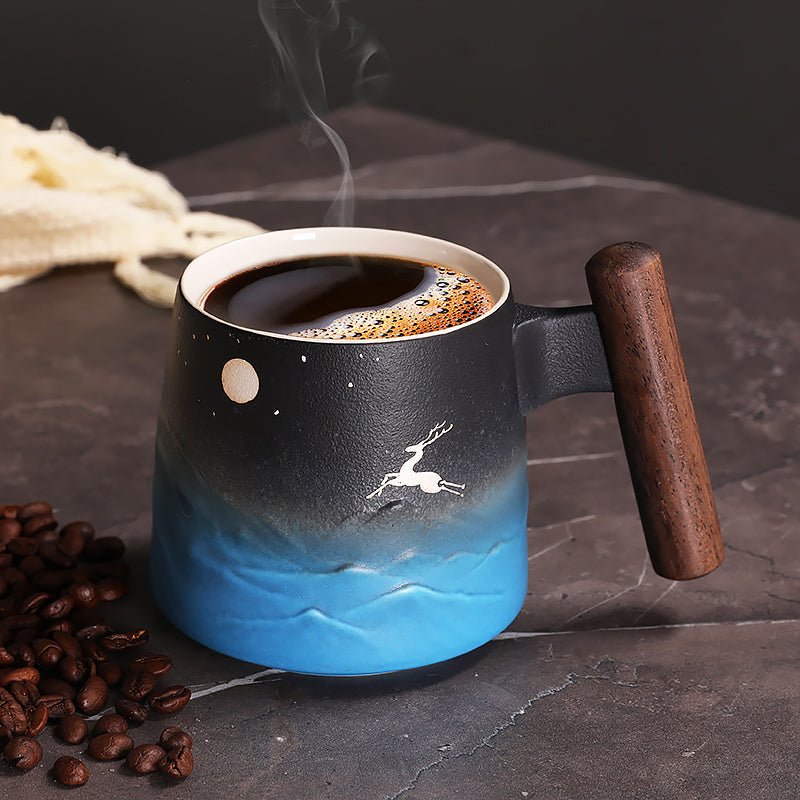
Moon Wood Coffee: What to Check Before You Buy
A practical buyer guide to moon wood coffee mugs from our store, focused on handle feel, daily use, care, and which style fits your setup best.
Подробнее
Оставить комментарий
Этот веб-сайт защищается hCaptcha. Применяются Политика конфиденциальности и Условия использования hCaptcha.