
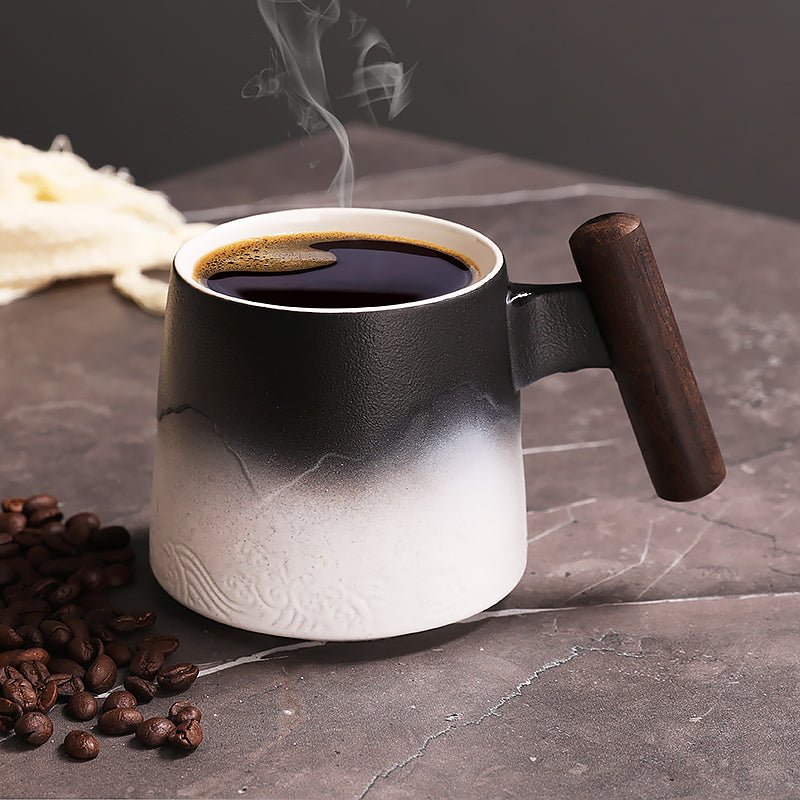
Coffee Mug Designs: What Buyers Should Check Before Choosing
Reading time: about 10 minutes
A mug can look right online and still feel wrong in hand. We see that all the time: the handle is too tight for two fingers, the rim feels thick on the lip, or the shape takes up more shelf space than expected.
That is why coffee mug designs deserve a closer look before you buy. The best choice is not just about style. It is about how the mug sits on a kitchen counter, fits under a coffee machine, survives dishwasher cycles, and feels during a rushed morning or a slow desk-side refill.
At CoffeifyMug, we handle this category with those real-world details in mind. If you want to browse current options first, start with our product selection or compare everything in our full collection.
What makes one coffee mug design better than another?
The short answer: fit, comfort, and durability usually matter more than decoration alone. A mug that looks great but is awkward to hold will not stay in daily use for long.
In our experience, shoppers compare coffee mug designs based on a few practical points:
- Handle shape: A handle that is too narrow can be uncomfortable, especially if you like a fuller pour.
- Rim thickness: A thinner, smoother rim tends to feel better on the lips; a thick rim can feel sturdier but less refined.
- Bowl shape: Straight-sided mugs feel more modern and stack more cleanly; rounded mugs often feel better in the hand.
- Base width: A wider base usually feels more stable on a desk, tray, or crowded kitchen counter.
That is why design should never be judged on print alone. A bold graphic can be fun, but if the cup is hard to grip or too tall for your coffee maker, the novelty wears off quickly.
Which mug materials are best for everyday use?
Most buyers end up choosing ceramic first, and for good reason. It is familiar, generally easy to clean, and works well for coffee, tea, and cocoa. Still, the material changes how the mug feels and how long it lasts in daily use.
Here is how we usually break it down:
| Material | What it feels like | Best for | Trade-off |
|---|---|---|---|
| Ceramic | Solid, familiar, comfortable | Daily kitchen use, gifting, office desks | Can chip if knocked into sinks or countertops |
| Stoneware | Heavier, more substantial | People who like a weighty mug | Bulkier on shelves and in dishwashers |
| Porcelain | Smoother, lighter feel | More polished, refined looks | Can feel less forgiving than thicker ceramics |
| Stainless steel | Very durable, utilitarian | Travel or outdoor use | Not the same drinking experience as a classic mug |
For most shoppers comparing coffee mug designs, ceramic is the balanced choice. It is the most common everyday pick because it handles hot drinks well and usually looks good on a shelf or open rack. If you want a mug for a desk setup or a gift box, ceramic also photographs and presents cleanly.
That said, ceramic is not ideal if you need something for rough travel use or a backpack. In those cases, a different style makes more sense than a standard mug design.
How do size and shape change the drinking experience?
Size changes more than capacity. It changes heat retention, hand feel, and how a mug fits into your routine.
We have written separate guides for buyers who want to compare capacity in more detail, including our 10 oz Coffee Mug: Size, Fit, and What to Check Before You Buy and 16 Ounce Coffee Mug Buyer’s Guide: Size, Material, and Fit. If you are trying to choose between smaller and larger daily mugs, those guides help more than guessing from photos alone.
From a design point of view, here is what changes most:
- 10 to 12 oz mugs usually feel balanced for standard coffee servings and fit neatly under many home brewers.
- 14 to 16 oz mugs give more room for milk, creamer, or a larger pour, but they take up more cabinet and shelf space.
- Taller mugs can look elegant, yet they may be harder to tuck under some coffee machines or office cup holders.
- Wider mugs tend to feel steady and open, but they cool faster than narrower designs.
If you want a mug for slow mornings at home, a wider or larger design can be great. If you want something that fits under a machine spout or stores easily in a compact kitchen, smaller dimensions often work better. Our 11 oz and 12 oz guides are especially useful if you are deciding between the most common everyday sizes: 11 oz Coffee Mug: Size, Fit, and What to Check Before You Buy and 12 Ounce Coffee Mug Buying Guide: Size, Fit, and Best Uses.
Which finishes and styles hold up best in real kitchens?
Finish affects both appearance and maintenance. A glossy mug will show fingerprints differently than a matte one, and printed art can wear differently depending on how the decoration is applied and how often it is washed.
In a real kitchen, these differences matter:
- Glossy finishes are easy to wipe clean and often look brighter on a shelf, but they can show smudges.
- Matte finishes hide fingerprints better and can feel more modern, though some matte glazes show marks more readily over time.
- Full-wrap printed designs can look striking, but edge alignment and print placement should be checked closely.
- Minimal graphic designs usually age better visually because they are less likely to feel dated after a season or two.
We recommend paying attention to where the design wraps around the mug, how close it comes to the handle, and whether the print area looks clean rather than crowded. Those details are easy to miss in a thumbnail photo. They matter more once the mug is on your kitchen counter or under a bright office light.
Some buyers want bold art. Others want a mug that disappears into the background until the first sip. Both can work. The right choice depends on where you will use it and how long you want to enjoy the same look.
What should you check before buying a mug as a gift?
Gift mugs need to do two jobs at once: look presentable and feel useful. A design that works for a daily coffee drinker may not be the best if you are gifting for a birthday, a new job, or a holiday exchange.
Before choosing, we suggest checking these points:
- Presentation: Does the mug look gift-ready without extra effort?
- Neutrality: Is the design specific enough to feel personal, but broad enough that the recipient will actually use it?
- Size: A large mug can be great for tea drinkers, but it may feel oversized if the recipient prefers espresso or smaller pours.
- Care: If the mug needs hand washing, make sure the recipient is the kind of person who will do that regularly.
Gift buyers often prefer coffee mug designs that are easy to style on a desk, in a home office, or in a kitchen mug rack. If the recipient is likely to leave it at work, durability and easy cleaning matter more than a highly delicate finish. If you are comparing gift options, our full collection is the best place to scan styles side by side.
How do you care for coffee mug designs so they last?
Care is where a lot of mugs either stay in rotation or get retired to the back of the cabinet. We have seen otherwise good mugs lose their finish because they were stacked roughly, scrubbed with abrasive pads, or left with coffee stains too long.
For most ceramic mugs, the practical care routine is straightforward:
- Wash soon after use if you can, especially after dark coffee or tea.
- Use a soft sponge or cloth rather than a rough scouring pad on printed or glazed surfaces.
- Do not slam mugs together in the dishwasher rack if you can avoid it; chips usually start at the rim or base.
- Let the mug dry fully before stacking to reduce moisture trapped in cabinets.
Some designs are more forgiving than others. Thick ceramic mugs handle daily washing well, but the rim and handle junction can still chip if the mug is crowded in a sink or dishwasher. Printed designs can also fade or dull if they are constantly scrubbed with abrasive tools. If a mug is marketed as hand wash only, treat that as a real limitation, not a suggestion.
That is why a beautiful mug is not always the best choice for every household. A design with a complex finish may be better for occasional use or gifting, while a simpler mug design may be smarter for everyday breakfast traffic.
Which coffee mug designs are best for offices, kitchens, and gifting?
Different settings reward different designs. We sell to shoppers who are buying for a home kitchen, a shared office, or as a one-off gift, and those needs do not line up perfectly.
Here is a practical way to compare them:
- For home kitchens: Choose a comfortable handle, a stable base, and a size that fits the coffee maker and cabinet space.
- For offices: Go for a design that is easy to identify on a shared shelf and not so delicate that it worries you on a busy desk.
- For gifting: Prioritize a clean look, decent packaging, and a design that feels thoughtful without being too niche.
- For collectors: Look for distinctive shapes, finishes, or artwork that make the mug worth displaying.
If you want a deeper size comparison for office or home use, our 14 oz Coffee Mug: What Buyers Should Check Before They Buy and 15 oz Coffee Mug: Size, Fit, and What Buyers Should Check posts are helpful next reads. They show where the bigger formats make sense and where they may feel too bulky.
Not every coffee mug design is meant for every setting. A delicate decorative mug may not belong in a high-traffic office kitchen. A heavy oversized mug may feel great at home but be awkward for a cramped desk drawer.
Frequently asked questions
What coffee mug designs are best for everyday use?
For daily use, simple ceramic designs with a comfortable handle and a stable base usually work best. They are easy to wash, feel familiar in the hand, and fit most kitchen routines. If you drink coffee at a desk or from a home brewer, keep size and clearance in mind before choosing a taller shape.
Are matte coffee mug designs harder to care for than glossy ones?
Not always, but matte finishes can show wear or marks differently than glossy mugs. Glossy surfaces are often easier to wipe clean, while matte mugs can hide fingerprints better. If you want low-maintenance care, check whether the mug is dishwasher safe and whether the print or finish needs hand washing.
Which mug material is least likely to chip?
There is no chip-proof mug, but thicker ceramic and stoneware usually feel sturdier than thin porcelain in daily use. The biggest risk points are still the rim and handle area. Careful washing and avoiding crowded sink stacks do more to prevent damage than material alone.
What size mug design should I choose for coffee with milk or creamer?
A 14 oz to 16 oz mug often works well if you like room for milk, creamer, or a larger pour. Smaller mugs can still work, but they may feel cramped once you add extras. If you are unsure, compare the mug’s capacity to your usual drink size rather than guessing from the outside shape.
Do decorative coffee mug designs still work for everyday use?
Yes, if the mug is practical enough to handle regular washing and daily grip. The best decorative designs balance appearance with real usability, especially the handle and rim. If a mug looks great but feels awkward after two sips, it usually becomes a display item instead of a daily cup.
If you are comparing coffee mug designs right now, use a simple checklist: check the material, confirm the capacity, inspect the handle shape, and decide whether the finish suits your washing routine. Then compare the options in our product selection or browse the full collection to narrow down the design that fits your kitchen, desk, or gift list.
More from our blog
Read more
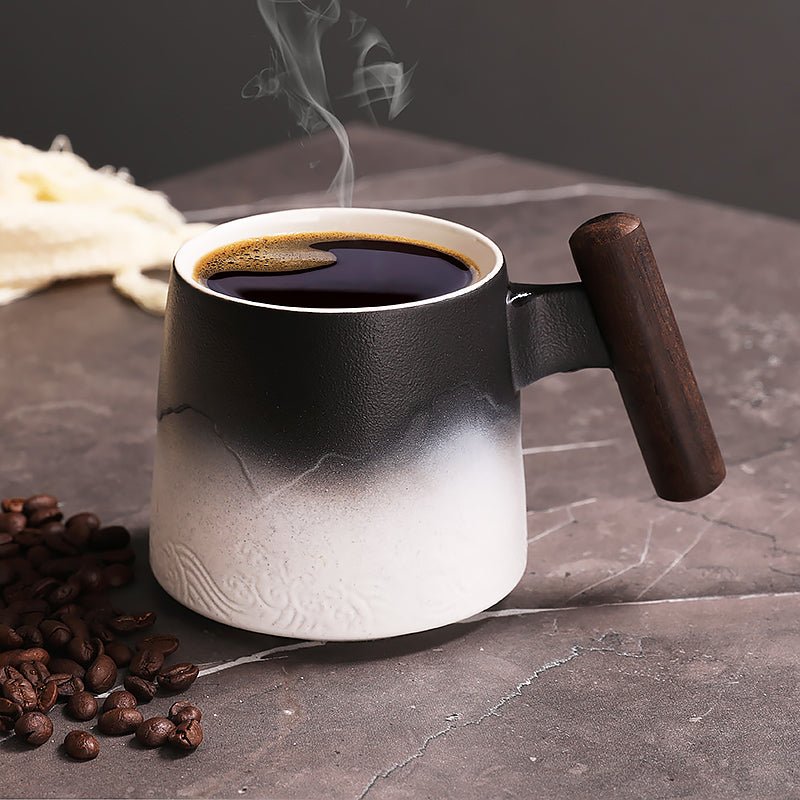
Blue Mug Coffee and Tea: What to Check Before You Buy
A practical guide to choosing a blue mug for coffee and tea, with sizing, material, handle, and care checks we use in our store.
Подробнее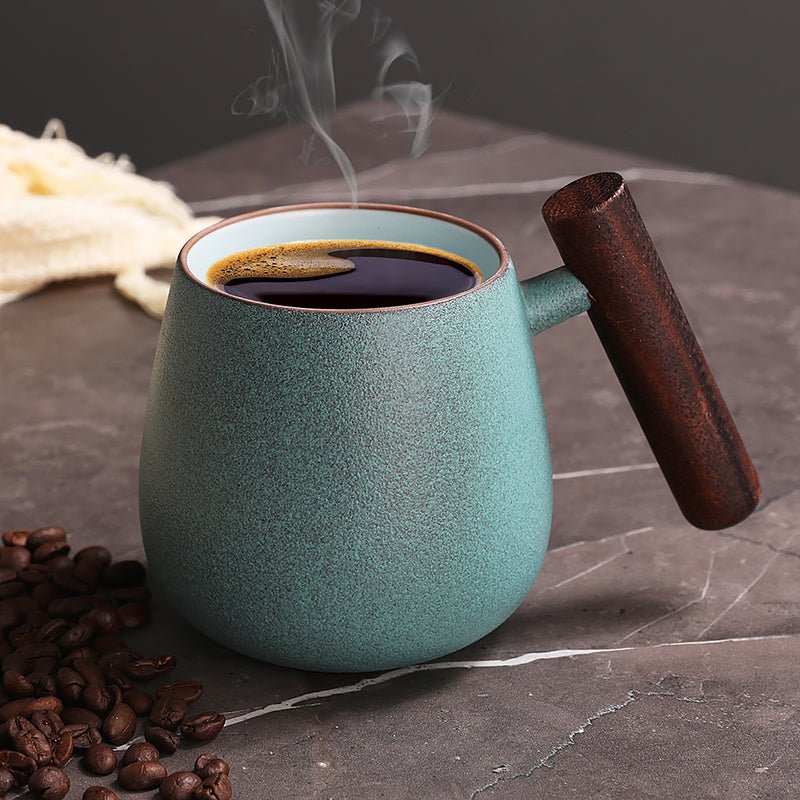
Best Coffee Mug Travel: What to Check Before You Buy
A practical buying guide for shoppers comparing the best coffee mug travel options. We focus on lid security, insulation, materials, size, and the trade-offs that matter in real daily use.
Подробнее
Оставить комментарий
Этот веб-сайт защищается hCaptcha. Применяются Политика конфиденциальности и Условия использования hCaptcha.