
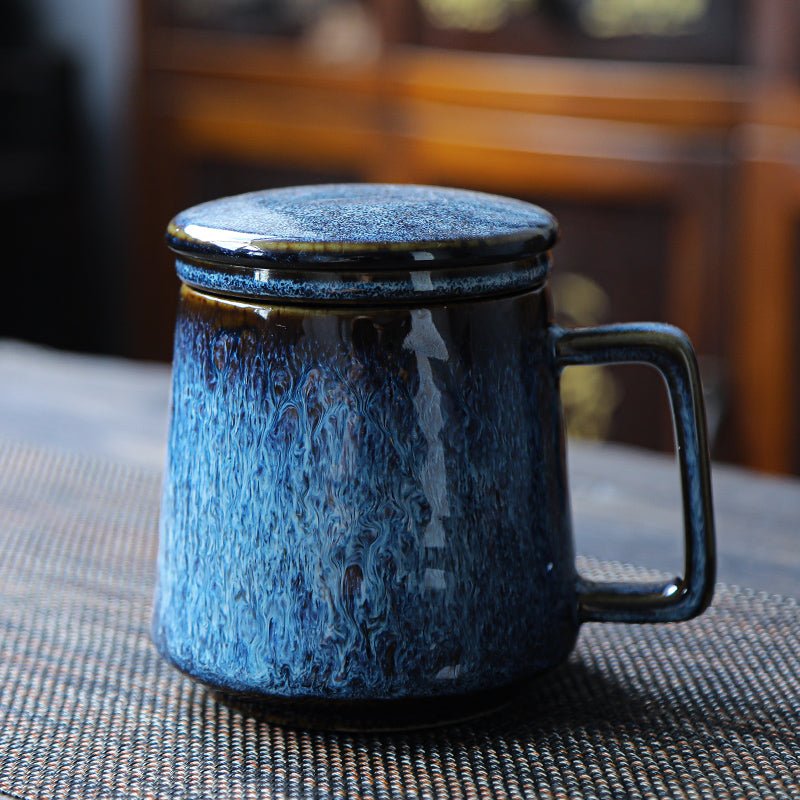
Coffee Mug Ceramic: What Buyers Should Check Before Ordering
Reading time: about 9 minutes
A ceramic mug can look perfect in a product photo and still feel awkward on a real desk. We see that problem often: the handle is too tight for adult fingers, the rim feels thin in one design and too heavy in another, or the finish chips sooner than the buyer expected after a few dishwasher cycles.
That is why we treat a coffee mug ceramic purchase as a practical choice first and a style choice second. The right mug should fit your hand, match how you drink, and hold up to the way you actually wash dishes. If you want to compare styles from our store, start with the Pleated Coffee Tea Cup, the The Flow Coffee Tea Mug, and the Mountain Sea Coffee Tea Mug. If you want to browse everything in one place, our collection of all mugs is the quickest way to compare shapes and finishes side by side.
What should you check first on a ceramic coffee mug?
The first check is simple: does the mug fit your routine without making you think about it? A mug that looks great but feels slippery, too light, or too top-heavy is the kind people stop reaching for after the first week.
In our experience, buyers should look at three practical details before anything else:
- Rim feel: A thinner rim usually feels more comfortable for everyday sipping, while a thicker rim can feel sturdier but less refined.
- Handle clearance: Check whether your fingers can slip through comfortably with a full grip, not just two fingertips.
- Base stability: A wide, flat base matters on office desks, side tables, and crowded kitchen counters.
Style matters too, but function should come first. A sculptural mug may be ideal for a shelf display or an unboxing gift, while a simpler shape is usually better for weekday coffee refills, tea, and reheats.
Which ceramic mug shape works best for daily coffee?
Shape changes how a mug feels more than many shoppers expect. The profile affects balance, grip, and even how easy it is to stir sugar or cream without splashing.
Here is how we usually guide buyers in our store:
| Shape type | Best for | Main trade-off |
|---|---|---|
| Straight-sided mug | Simple daily use, easy stacking | Can feel plain if you want something decorative |
| Flared or sculpted mug | Gift purchases, display-worthy shelves | May take more space in a cabinet |
| Rounded mug | Comfortable hand feel, casual coffee and tea | Can be slightly less stackable |
The Pleated Coffee Tea Cup is a good example of a mug style people often choose when they want texture and visual detail without moving away from everyday use. The Flow Coffee Tea Mug leans into a softer silhouette, which tends to feel more relaxed on a desk or breakfast tray. The Mountain Sea Coffee Tea Mug suits buyers who want a more expressive look that still belongs in a practical kitchen.
If you are trying to decide between size and shape, our related guides can help: 16 oz Ceramic Coffee Mug Buying Guide for Daily Use and Best Ceramic Mug Size for a Small Coffee Corner. Those posts are useful if you are trying to match a mug to a small cabinet, a compact espresso setup, or a desk setup that already feels crowded.
How does ceramic compare with other mug materials?
Ceramic remains a strong default for home coffee because it feels familiar, cleans easily, and does not add a metallic taste. It also tends to work well for hot coffee, tea, and cocoa without demanding special care.
That said, ceramic is not perfect for every buyer. It is usually not the right pick if you need travel insulation, if you drop mugs often, or if you want a nearly indestructible cup for a packed office sink. For those cases, a stainless steel travel mug or a more rugged camp cup is the better tool.
Compared with other common mug materials, ceramic offers these practical strengths:
- Better table presence: It usually looks more at home on a dining table, open shelf, or gift tray.
- Neutral taste: It does not carry flavors the way some materials can after repeated use.
- Easy care: Most buyers prefer how straightforward ceramic is to wash after coffee, milk, or tea.
The trade-off is brittleness. A ceramic mug can chip if it knocks against a sink edge or lands hard on tile. We tell buyers to expect normal wear, not indestructibility. If you want a mug that survives backpacks, commutes, and long desk days away from a kitchen, ceramic may not be the best fit.
What details matter most for real-world use?
Generic descriptions often skip the details that affect daily satisfaction. Those are the details we pay attention to when we handle products in our store and think about how customers will actually use them.
Focus on these concrete points:
- Glaze finish: A smooth glaze is easier to wipe clean, while an unglazed or highly textured exterior can show fingerprints or take a little more care after use.
- Interior surface: A smooth interior is easier to rinse and is less likely to hold onto coffee residue than a rough one.
- Dishwasher routine: If you plan to use a dishwasher, look for a mug that can handle repeated wash cycles without the finish looking tired too quickly.
- Chip-prone edges: The rim, handle join, and base are the spots that usually show wear first if a mug is handled roughly.
- Desk stability: If your mug lives beside a keyboard or notebook, a steadier base matters more than decorative detail.
That is also why some shoppers prefer a mug with a more tactile form, like the Pleated Coffee Tea Cup, while others want a smoother, more understated piece such as The Flow Coffee Tea Mug. The right answer depends on whether the mug is mostly for kitchen use, office use, or gifting.
If you are still refining size and use case, our Ceramic Coffee Mug Buying Guide for Everyday Buyers covers the basics from a practical buying angle. For larger serving sizes, our 20 oz Ceramic Coffee Mug Buying Guide: Fit, Heat, and Care is the better match.
Which ceramic mug is better for gifts, desks, or everyday kitchen use?
The best ceramic mug depends on where it will live. We often see the wrong mug chosen because the buyer focused on the image, not the setting.
Use this quick breakdown:
- For desk coffee: Choose a mug with a stable base and a comfortable handle. Easy sipping matters more than ornament.
- For gift unboxings: Choose a piece with a distinctive shape or texture. Presentation matters when the mug is the main part of the gift.
- For kitchen cabinets: Choose a mug that is easy to store, easy to wash, and not too awkward to stack or line up.
- For tea drinkers: Look for a mug that feels balanced at lower fill levels, since tea drinkers often pour less than coffee drinkers.
That is where the product range in our store helps. Some buyers lean toward the more sculpted look of the Mountain Sea Coffee Tea Mug for gifting. Others prefer the softer profile of The Flow Coffee Tea Mug for an everyday mug that does not feel too formal. If you want to compare the full mix of shapes, the all collection is the fastest place to scan.
One limitation worth saying plainly: a decorative ceramic mug is not always the best choice for people who need a lightweight commuter mug or something they can toss in a bag without concern. Ceramic works best when the mug is part of a home, office, or gift setting.
What are the most common mistakes buyers make?
The mistakes are usually predictable, and most of them are avoidable before checkout.
- Choosing by photos only: A mug can look proportioned in a studio shot and still feel bulky in the hand.
- Ignoring the handle: A handle that looks elegant may not fit larger fingers comfortably.
- Skipping care expectations: Some buyers assume every ceramic mug behaves the same in the dishwasher. That is not a safe assumption.
- Buying the wrong use case: A decorative mug is not the same thing as a durable work mug for daily office use.
- Overlooking cabinet space: Tall or sculpted mugs can crowd a small shelf faster than expected.
We recommend matching the mug to one clear use case before you buy. If you need a simple weekday mug, prioritize comfort and washability. If you are shopping for a gift, prioritize appearance and presentation. If you want a mug that feels more curated, the textured or sculpted options in our store will make more sense than a plain utility cup.
Our best advice: buy the mug you will reach for on a normal Tuesday, not the one that only looks right in a listing photo.
Frequently asked questions
Is a ceramic coffee mug good for everyday use?
Yes, ceramic is one of the most practical materials for daily coffee at home or in the office. It is easy to clean, feels familiar in the hand, and usually works well for coffee, tea, and cocoa. The main limitation is that it can chip if it is handled roughly or knocked against hard surfaces.
What should I check before buying a coffee mug ceramic?
Check the handle comfort, base stability, rim feel, and whether the finish looks easy to care for. If you use a dishwasher often, that matters too. The mug should fit your hand and your cabinet space, not just your taste in photos.
Is ceramic better than stainless steel for coffee?
For home use, ceramic often feels better because it does not add a metallic note and it looks more natural on a kitchen counter. Stainless steel is better for travel, insulation, and rough handling. If you want something for a desk or breakfast table, ceramic usually makes more sense.
How do I keep a ceramic mug looking clean?
Rinse it soon after use, wash it with a soft sponge, and avoid scraping the surface with abrasive pads. Coffee stains can build up over time if the mug sits unwashed for long periods. A smooth glazed interior is easier to maintain than a textured one.
What ceramic mug style is best for gifting?
A mug with a distinctive shape or texture usually makes a better gift than a plain utility cup. It should still be easy to hold and not feel fragile in the hand. If you want a more styled piece, browse the featured mugs in our store rather than choosing solely by capacity.
Which mug should you choose next?
If you want a practical starting point, compare one sculpted option, one softer everyday shape, and one more expressive design. That usually makes the differences obvious fast. We would start with the Pleated Coffee Tea Cup, The Flow Coffee Tea Mug, and Mountain Sea Coffee Tea Mug, then check the rest of our collection if you want to compare finishes and shapes in one place.
If you are still deciding on size or daily use fit, the next best read is our Ceramic 20 oz Coffee Mug: What Buyers Should Check Before Buying. It pairs well with this guide and helps narrow down the mug that will actually fit your routine.
Read more
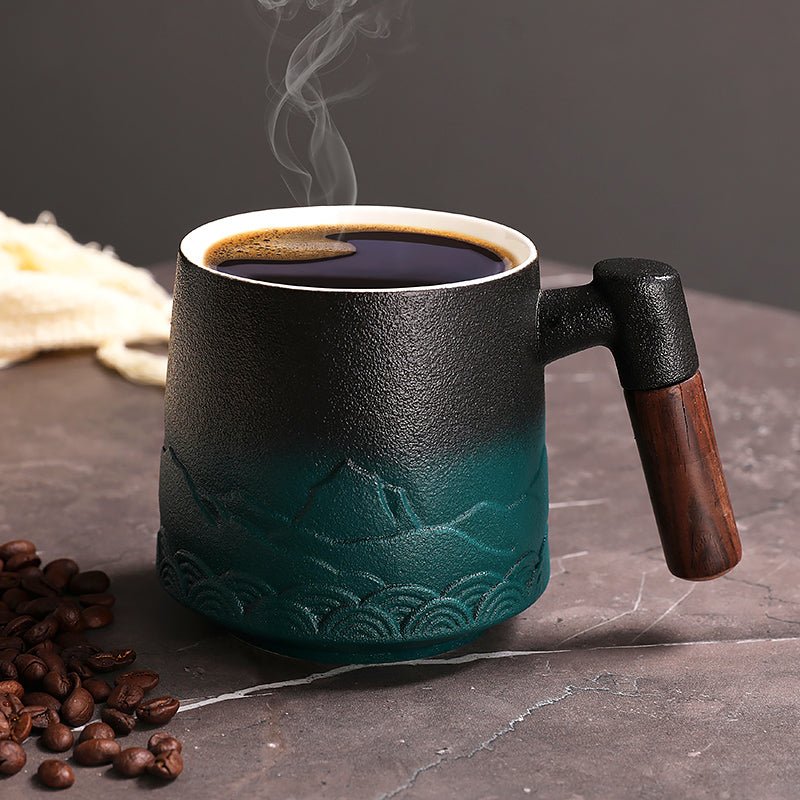
Luxury Coffee Mugs: How to Choose a Mug That Feels Worth It
Luxury coffee mugs should feel balanced in the hand, keep their finish after repeated washing, and suit the way you actually drink coffee. Here is how we compare shape, material feel, and everyday ...
Подробнее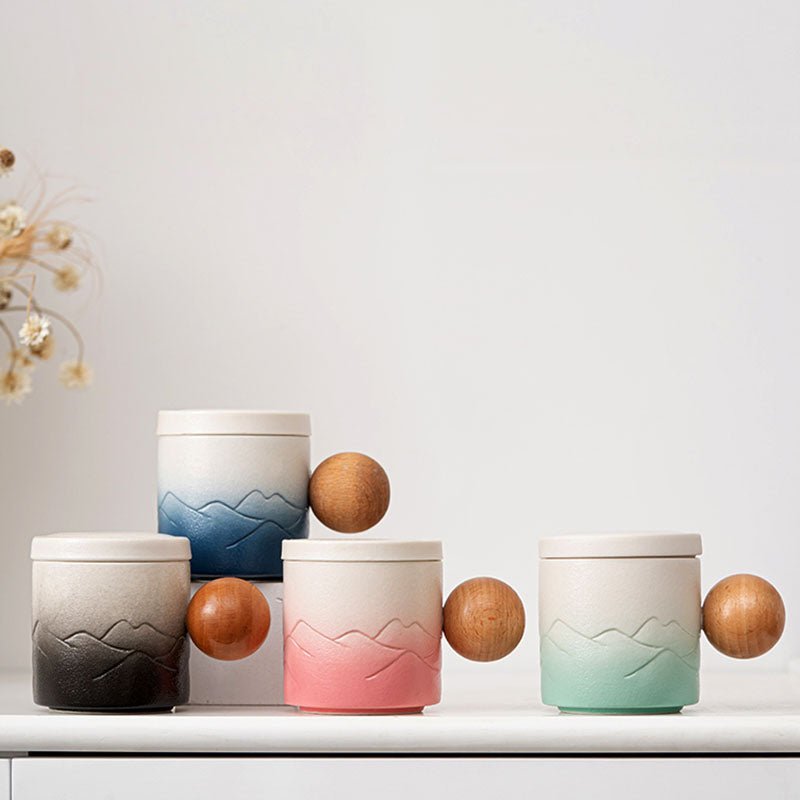
Coffee Mug Wide: How to Choose the Right Fit for Daily Use
A wide coffee mug changes how a drink feels in the hand, how it sits on a desk, and how easy it is to clean. We break down fit, stability, handle comfort, and the trade-offs that matter before you ...
Подробнее
Оставить комментарий
Этот веб-сайт защищается hCaptcha. Применяются Политика конфиденциальности и Условия использования hCaptcha.