
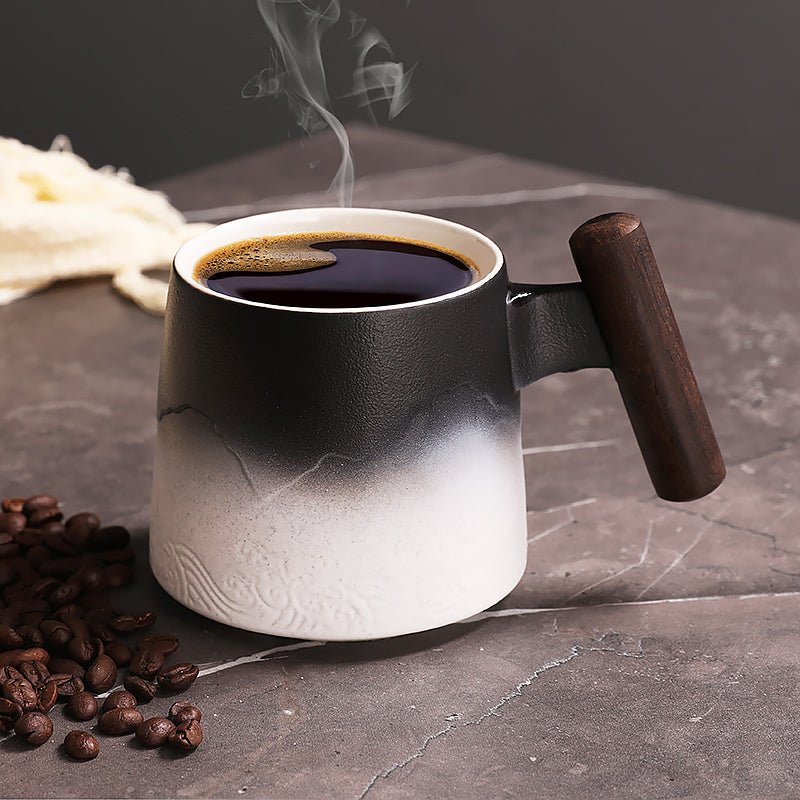
Coffee Go Mug Buying Guide: What to Check Before You Order
Reading time: about 10 minutes
A coffee go mug that leaks in a tote bag or cools off before the train even reaches the next stop gets retired fast. We see that pattern a lot: shoppers want something that fits a cup holder, feels comfortable in the hand, and still tastes like coffee after the commute.
That is the real test for this category. A good coffee go mug is not just a mug with a lid. It has to seal well, clean easily, fit your routine, and survive repeat use at the office, at home, and in the dishwasher if that is part of your day.
At CoffeifyMug, we handle this category with those everyday scenarios in mind. If you are comparing options, start with our current coffee go mug products and use the guidance below to narrow the field before you buy.
What should a coffee go mug actually do well?
The best coffee go mug solves a few very specific problems at once. It should carry hot coffee without sloshing, feel stable on a desk, and be easy to open with one hand when you are walking or driving. If it cannot do those things, the rest matters less.
In our experience, shoppers are usually choosing between convenience and cleanup. A simple lid is easier to wash. A more complex leak-resistant lid may be better for bags and commutes, but it can have more small parts to clean. That trade-off is normal.
- For commuting: look for a secure lid and a shape that fits standard cup holders.
- For desk use: prioritize comfort, balance, and a lid that reduces splashing.
- For gift giving: choose a design that is easy to explain and easy to maintain.
- For long heat retention: double-wall insulated stainless steel is usually the safer bet than thin single-wall materials.
If you are still deciding between a travel mug and a regular mug with a lid, our article Go Coffee Mugs: How to Choose the Right Travel Mug for Daily Use covers the practical differences in more detail.
Which size works best for your routine?
Size is where a lot of buyers make the wrong choice. A mug that feels perfect at the sink can be annoying once it is in a bag or car cup holder. Common capacities in this category usually land around 8 oz, 12 oz, 14 oz, 16 oz, or 20 oz, and each one has a different use case.
A smaller mug is lighter and often easier to drink from at a desk. A larger mug is better if you pour a full travel brew or want fewer refills. But a bigger mug can be awkward if your car console is tight or your hand is smaller.
| Typical size | Best for | Trade-off |
|---|---|---|
| 8 oz | Short coffee breaks, espresso drinks, smaller servings | Needs refills sooner |
| 12-16 oz | Most daily commutes and office use | Can be slightly bulkier in a bag |
| 20 oz | Long shifts, extended commutes, fewer refills | Heavier and often taller |
If you want a deeper size comparison, our posts on 20 oz Coffee Mug: What to Check Before You Buy and 8 oz Coffee Mug: What to Check Before You Buy are useful side-by-side references.
For most shoppers, 12 to 16 oz is the practical middle ground. It is large enough for a real coffee pour, but usually not so large that it becomes awkward on a desk or in the dishwasher.
Should you choose stainless steel, ceramic, or something else?
Material affects taste, temperature, weight, and cleaning. We handle a lot of these mugs, and the difference is obvious once you pick them up and use them for a few days.
Stainless steel is the most common choice for a coffee go mug because it is durable and usually pairs well with insulation. It is a strong option for commuting, car use, and long workdays. The downside is that some people prefer not to drink directly from metal, and cheaper builds can show denting or lid wear over time.
Ceramic keeps the coffee experience closer to a standard mug. It is pleasant on the desk and often tastes neutral, but it is heavier and less forgiving if dropped. Ceramic is also not the best choice if you need something leak-resistant inside a bag.
Plastic or polymer bodies can be lightweight and budget-friendly, but they vary more in feel and odor retention. Some buyers dislike the lighter, less substantial hand feel. If you care most about a premium drink experience, this category may not be your first pick.
Our rule of thumb: if the mug will live mostly in a backpack, car, or office commute, stainless steel usually makes more sense. If it will stay on a desk and you care more about sipping comfort than portability, ceramic can be the better fit.
For shoppers comparing broader styles beyond travel mugs, our guide Best Coffee Mug: What Actually Matters for Daily Use explains which material choices make sense for everyday use.
How do lids and seals change the experience?
The lid is where many coffee go mug purchases succeed or fail. A lid can look fine in product photos and still feel clumsy once you are using it one-handed in a car line or while unlocking a door. The main things to check are the drink opening, the closure method, and how many parts need washing.
Here is what we look for when evaluating a lid:
- A secure seal: The lid should sit evenly without wobble. Uneven seating often leads to drips or weak closure points.
- Simple opening behavior: A good mug opens predictably. If it takes two hands or a lot of force, it gets annoying fast.
- Washability: Fewer tiny crevices usually means less buildup from coffee oils and less time spent scrubbing around the gasket.
- Drink flow: Some lids pour fast, which is fine for desk use, but can splash during movement.
Not every lid is right for every buyer. A highly sealed lid can be excellent for commuting, but it may not be the best choice if you want a relaxed sip at your desk. A simpler slide-top can feel easier day to day, but it may not be the mug you trust in a crowded tote bag.
What makes a coffee go mug easy to clean?
Easy cleaning is one of the biggest quality checks because coffee residue shows up quickly. A mug that is annoying to wash tends to get used less, especially after the first week. We see this happen often with lids that have narrow channels or removable seals that are easy to lose in the sink.
Look for these practical cleaning details:
- Wide opening: Easier to reach inside with a brush or sponge.
- Dishwasher-safe parts: Helpful if you do not want handwashing to become part of your routine.
- Removable gasket: Good for deep cleaning, but only if you are comfortable taking it apart and reassembling it.
- Stain resistance: Stainless steel generally handles coffee use well, while lighter materials can show discoloration sooner.
Dishwasher use is convenient, but not every mug handles repeated high-heat cycles the same way. Lids can loosen over time, printed finishes can wear, and seals can deform if the design is not robust. If the product page does not clearly explain care, that is a sign to slow down and read carefully.
What common problems should you watch for before buying?
We prefer to be direct here. A coffee go mug can look great online and still disappoint in the real world. The most common issue we see is not that the mug is broken on arrival. It is that the product does not match the buyer’s daily routine.
Watch for these common failure points:
- Leak-prone lids: Fine for a desk, frustrating in a bag.
- Too tall for cup holders: A frequent issue for drivers and commuters.
- Heavy bodies: Especially noticeable if you carry coffee plus a laptop, lunch, and a water bottle.
- Hard-to-clean seals: Coffee oils build up faster than most buyers expect.
- Poor grip: Smooth exteriors can feel slippery when the mug is hot or when your hands are wet.
This is also why we encourage shoppers to compare the full category instead of choosing only by image. Our all products collection is a good place to browse options together and compare styles in one place.
Which coffee go mug is best for commuting, office use, or gifting?
The best choice depends on where the mug will spend most of its time. A commuter, an office worker, and a gift buyer often need different things.
For commuting
Choose a coffee go mug with a secure lid, a shape that fits cup holders, and a body that does not feel top-heavy. Stainless steel is usually the safest material for this use. This is not the mug for delicate finishes or fussy lids.
For office desks
A slightly simpler mug often works better. You may not need maximum leak protection if the mug stays near your keyboard. Comfort, quiet placement, and easy cleaning matter more here.
For gifting
Pick something broadly useful and easy to explain. A mug with a practical size, neutral finish, and simple care instructions is usually better than a very specialized design. If the recipient is picky about coffee taste, ceramic may be more appealing than metal.
If you are looking for a mug that feels good to use every day, not just one that photographs well, our post Awesome Coffee Mugs: How to Choose a Mug You’ll Actually Use is a solid companion read.
How do you compare coffee go mug options before ordering?
A fast comparison checklist keeps you from buying the wrong thing. We use a similar checklist in our store conversations because it cuts through the noise quickly.
- Check the size: Make sure the capacity matches your usual coffee pour.
- Check the lid: Decide whether you need commute-level sealing or just splash control.
- Check the material: Stainless steel for durability, ceramic for desk comfort, plastic composites for lighter carry.
- Check the cleaning method: Dishwasher-safe, hand-wash only, or mixed care.
- Check the fit: Think about cup holders, bag space, and how the mug feels in one hand.
- Check the use case: Daily commute, office desk, home brewing, or gifting.
If you are comparing a coffee go mug against other mug styles, that is the right way to do it. The best product is not the one with the most features. It is the one that fits your daily routine without adding extra steps.
Frequently asked questions
Is a coffee go mug leakproof enough for a backpack?
Not all of them are, and that distinction matters. If you plan to toss the mug into a backpack with books or a laptop, look for a lid designed for tighter sealing, not just splash resistance. Even then, we recommend keeping it upright whenever possible.
What size coffee go mug is best for everyday use?
For most people, 12 to 16 oz is the most practical range. It gives you enough capacity for a standard coffee without becoming too bulky in a hand, tote, or car holder. If you drink smaller servings, 8 oz can make more sense.
Can I put a coffee go mug in the dishwasher?
Some can, but not all parts always should go through repeated dishwasher cycles. The body may be dishwasher-safe while the lid or gasket needs gentler care. Always check the care notes so you do not wear out the seal faster than necessary.
Which is better for a coffee go mug: stainless steel or ceramic?
Stainless steel is better for commuting and temperature retention. Ceramic is better if the mug mostly stays on a desk and you want a familiar drinking feel. If you need portability first, stainless steel usually wins.
What should I avoid in a coffee go mug?
Avoid mugs with vague care instructions, loose-fitting lids, or shapes that obviously will not fit your cup holder or bag. Also avoid buying only on appearance if you know the mug will travel every day. The right coffee go mug should match your routine before it matches your shelf.
Where should you start if you are ready to compare options?
Start with the basics: size, lid, material, and cleaning. That simple four-point check eliminates most bad fits quickly. Then compare the options in our coffee go mug products and use the broader collections page if you want to see related drinkware side by side.
If you want the quickest path, choose the mug that matches your actual routine, not the one that looks best in a product photo. Morning commute, office desk, dishwasher, tote bag, cup holder. Those are the details that decide whether a mug gets used every day or ends up in the back of the cupboard.
More from our blog
Read more

Starbucks Coffee Mugs Amazon: What Buyers Should Check First
A practical buying guide for shoppers comparing Starbucks coffee mugs Amazon listings, with the real checks that matter: material, size, handle feel, and care. We also point out where a different m...
Подробнее
Dollar Tree Coffee Mugs: What Buyers Should Check Before Ordering
Dollar Tree coffee mugs can work for quick gifts, office backups, and low-commitment purchases, but the trade-offs show up fast in size, glaze quality, and durability. Here’s how we compare them ag...
Подробнее
Оставить комментарий
Этот веб-сайт защищается hCaptcha. Применяются Политика конфиденциальности и Условия использования hCaptcha.