
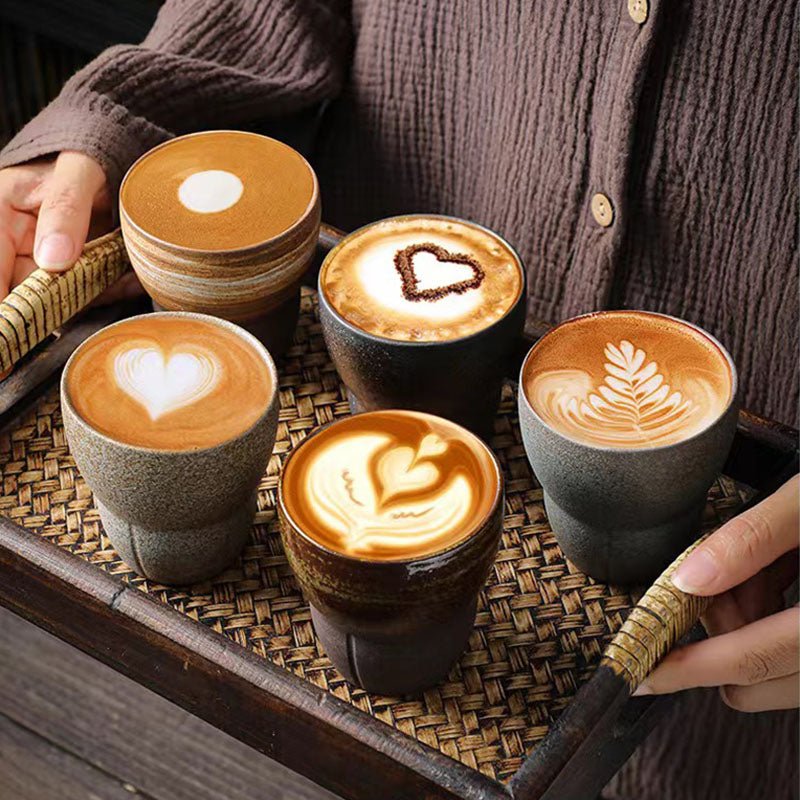
Coffee Espresso Mugs: How to Choose the Right Size and Style
Reading time: about 10 minutes
A mug that looks right on the shelf can still feel wrong at 7 a.m. if the handle is cramped, the rim is too thick, or the cup is larger than your espresso habit needs. That is the real decision behind coffee espresso mugs: not just style, but how they behave in daily use.
At CoffeifyMug, we look at these cups the way shoppers actually use them — on a kitchen counter, at a desk, during gift unboxings, and after a few dishwasher cycles. Some mugs are best for a neat single shot. Others are better for espresso with milk, tea, or a small pour-over. If you want to compare options first, our all products collection is the fastest way to scan the full range, and then you can narrow down to the style that fits your routine.
What makes coffee espresso mugs different from regular mugs?
Espresso mugs are usually smaller, heavier in the hand, and shaped to keep a short drink feeling balanced. A standard kitchen mug often runs large enough that a single shot looks lost in it. That is not just an aesthetic issue. A too-large cup can make espresso cool faster and can throw off the ratio if you drink straight espresso or macchiato-style drinks.
In our experience, buyers usually fall into one of three camps:
- Pure espresso drinkers who want a compact cup that fits a short pour cleanly.
- Milk-coffee drinkers who need a little more room for crema, foam, or a splash of milk.
- Gift shoppers who want a mug that feels special but still gets used every day.
That is why we do not treat all coffee espresso mugs as interchangeable. Shape matters. So does the lip thickness, the handle opening, and how stable the base feels on a saucer or countertop.
Which size should you buy for espresso drinks?
Size is the first filter to get right. If you are shopping for straight espresso, a smaller cup keeps the drink visually and thermally centered. If you usually make espresso with milk, you have more room to choose by comfort and style.
| Use case | What to look for | What can go wrong |
|---|---|---|
| Single espresso | Compact cup, balanced base, comfortable small handle | A cup that is too large makes the drink feel underfilled |
| Espresso with milk | Slightly larger body and a rim that pours cleanly | Too little volume can crowd foam or spill easily |
| Desk coffee or tea | More generous capacity, easy grip, stable bottom | A tiny espresso cup may feel impractical for all-day use |
If you are comparing broader mug sizes too, our guides on 10 oz coffee mugs and 12 ounce coffee mugs help explain where espresso-style cups end and everyday mugs begin. That boundary matters more than people expect. A mug that is perfect for cappuccino can feel oversized for a neat espresso shot.
One practical note from handling these pieces in our store: the base should sit flat without rocking. A slight wobble is annoying on a polished kitchen counter and more noticeable on a crowded office desk.
Which shape feels best in the hand?
Shape changes how the mug pours, how the aroma hits you, and how comfortable it feels to hold when the cup is hot. The best shape depends on your drinking habits.
We see three common shape families perform differently:
- Rounded cups feel softer in the hand and usually suit a more classic espresso presentation.
- Fluted or pleated cups add grip visually and often feel more structured on the table.
- Handled statement mugs give more personality and can be easier to pick up if you like a larger grip.
If you prefer a distinctive form with a tactile profile, the Pleated Coffee Tea Cup is a strong style-first choice. It has that ribbed look that stands out in a cabinet, but it still works as a practical daily cup if you like your espresso served with a little more presence.
For shoppers who want a more sculptural look, the Golden Waves Kio Coffee Tea Mug brings a more decorative profile. That makes it especially appealing for gifts or for a kitchen where the mug is going to stay out on display. The trade-off is simple: bolder styling is less understated, so if you want a plain café-style cup, this is not the first pick.
What materials and finishes hold up best?
Most coffee espresso mugs in this category are ceramic-based, and that is usually the safest default for home use because it gives a solid feel, decent heat retention, and an easy cleanup. A good glaze matters as much as the body material. A smooth glazed interior helps with rinse-out after crema, syrup, or milk residue, and it is easier to keep looking clean.
Here is what we check before we recommend a piece:
- Rim finish — a smoother rim feels better against the lip and is less likely to feel rough after repeated use.
- Handle attachment — the join between handle and body should look even, without obvious stress points or sharp edges.
- Glaze consistency — uneven glazing can make a mug harder to clean and can show wear faster around the interior.
- Base stability — a flat, stable bottom is one of those details buyers only notice after a near-spill.
These are the details that separate a pleasant daily mug from one that becomes cabinet clutter. They also matter if you run cups through a dishwasher often. Repeated washing is usually where weak glaze edges, thin handle joints, or poor finishing start to show.
We tell customers this all the time: if a mug feels awkward empty, it will not get better once it is hot.
Which CoffeifyMug styles fit different buying needs?
If you want a practical shortlist instead of scanning dozens of listings, start with the use case. In our store, that is the quickest way to avoid buying the prettiest mug instead of the most usable one.
- For a clean, classic everyday feel: start with the Ball Handled Coffee Tea Mug. The rounded handle gives it a more familiar grip and makes it easy to pick up from a counter or office desk.
- For a textured, more distinctive look: choose the Pleated Coffee Tea Cup. It is a good fit if you like something that looks considered without being loud.
- For a decorative gift or display-forward kitchen: look at the Golden Waves Kio Coffee Tea Mug. It is the most style-driven of the three and works well when presentation matters.
If you want to compare these picks with broader context, our article Espresso Coffee Mugs: How to Choose the Right Size, Shape, and Material covers the core buying factors in more detail. For shoppers who are also deciding between everyday mug sizes and espresso-focused cups, the companion guide 12 oz Coffee Mugs: What to Check Before You Buy is useful for spotting where a larger mug makes more sense.
What are the trade-offs you should expect before buying?
No mug does everything well. A smaller espresso cup is great for a neat shot, but it is not ideal if you tend to sip slowly and want your drink to stay hot longer. A larger handled mug feels more versatile, but it can make straight espresso look sparse and can cool more quickly if you leave it half full.
Here are the most common trade-offs we see:
- Smaller size vs. versatility: better for espresso, worse for all-purpose use.
- Decorative finish vs. minimalist style: better for gifts or display, less subtle on a busy shelf.
- Thicker walls vs. lighter feel: thicker cups often feel sturdier, but they can take longer to warm up.
- Specialty shape vs. stackability: sculpted cups may be more interesting, but not always easier to store.
That is why we do not recommend coffee espresso mugs as the only mug in a kitchen unless espresso is your main drink. If your household needs one cup for espresso, tea, and afternoon coffee, a broader mug size may be the better buy.
How should you care for coffee espresso mugs so they last?
Care is usually simple, but a few habits help mugs stay in better shape. We recommend gentle handling if the mug has a detailed exterior finish or a decorative glaze. Avoid sudden temperature shifts when possible. A cold ceramic mug filled immediately with boiling liquid can be more stressful on the piece than a gradual warm-up.
Practical care steps we suggest:
- Rinse soon after use, especially if you drink espresso with sugar, syrup, or milk.
- Check the handle and base after unpacking for any chips or rough points.
- If you use a dishwasher, place the mug where it will not knock against heavier dishes.
- Dry it fully before storing so the base does not sit in pooled water on a shelf.
That said, decorative mugs are not the best choice if you need something you can toss into a sink full of pans without thinking. If low-maintenance durability is your top priority, choose the simplest finish and most straightforward silhouette you can live with.
What should you compare before you click buy?
If you only compare photos, it is easy to miss the practical differences. We suggest using this checklist before you decide:
- Does the mug fit your actual drink size, or just your idea of espresso?
- Does the handle look large enough for your fingers?
- Will the finish suit frequent washing, or is it better for display?
- Does the base look stable on a small tray, desk, or countertop?
- Would you rather have a classic everyday cup or a more distinctive gift-style piece?
If you want one more sizing reference before buying, our guide on 14 ounce coffee mugs can help if you are leaning away from espresso-only use and toward a mug that handles larger pours better.
Frequently asked questions
What size coffee espresso mugs are best for a single shot?
A compact cup is usually the best choice for a single espresso shot because it keeps the drink visually balanced and easier to serve cleanly. If the cup is too large, the espresso can feel lost in the vessel and may cool faster. For milk-based espresso drinks, a slightly larger mug can make more sense.
Are ceramic coffee espresso mugs good for daily use?
Yes, ceramic is a solid everyday option for most home kitchens. It feels sturdy, cleans easily, and handles regular use well when the glaze and base are well made. If you want something ultra-light or travel-ready, though, ceramic is not the right category.
Can I put coffee espresso mugs in the dishwasher?
Many ceramic mugs can go in the dishwasher, but the safest approach is always to follow the care guidance for the specific piece. Decorative finishes and detailed exterior textures may benefit from gentler placement so they do not chip against other items. If you hand wash, use a soft sponge and avoid abrasive scrubbers.
What should I avoid if I want a mug for espresso and tea?
A mug that is too small for tea will frustrate you quickly, and a large all-purpose cup may not feel right for straight espresso. If you split time between both drinks, choose a shape that is comfortable to hold and a size that is not overly tiny. That balance is usually better than buying a strict espresso cup.
Which CoffeifyMug style is best if I am buying a gift?
The most giftable option is usually the one with the strongest visual identity, as long as it still feels easy to use. In our range, the Golden Waves Kio Coffee Tea Mug is a good fit for display-minded gifting, while the Pleated Coffee Tea Cup offers a more textured, everyday-friendly look. If the person values comfort first, the Ball Handled Coffee Tea Mug is the safer pick.
If you are ready to compare the actual options side by side, start with the full CoffeifyMug collection, then open the three product pages above and match them against your routine: single shot, milk drink, or giftable everyday mug. That simple comparison usually makes the right choice obvious fast.
Read more
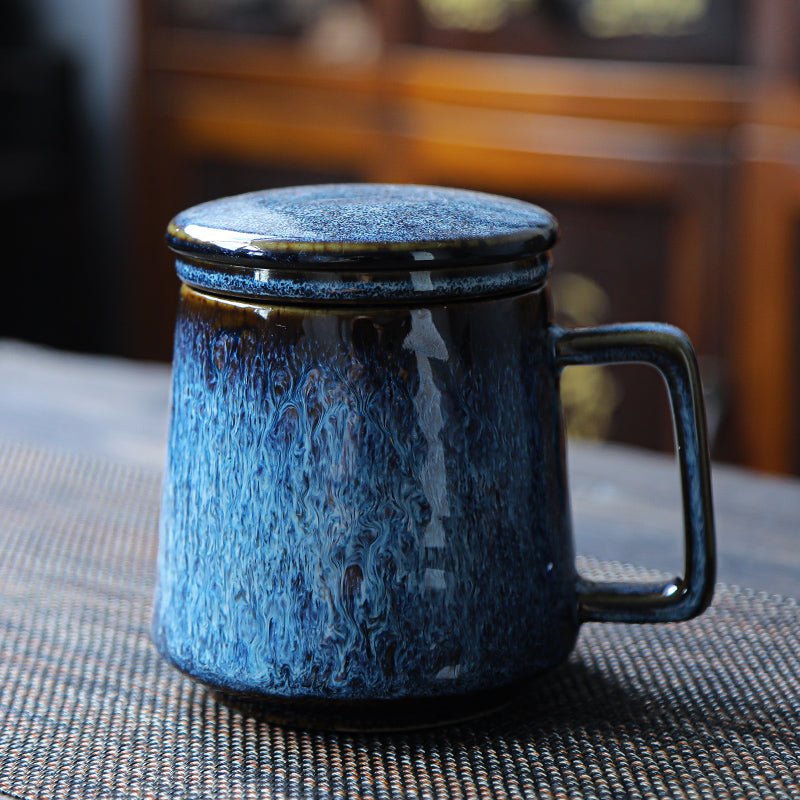
FBI Coffee Mug Buyer Guide: Best Styles, Sizes, and What to Check
A practical guide to choosing an FBI coffee mug that fits your desk, cup size, and gifting needs. We compare usable mug styles, care trade-offs, and what to check before you buy.
Подробнее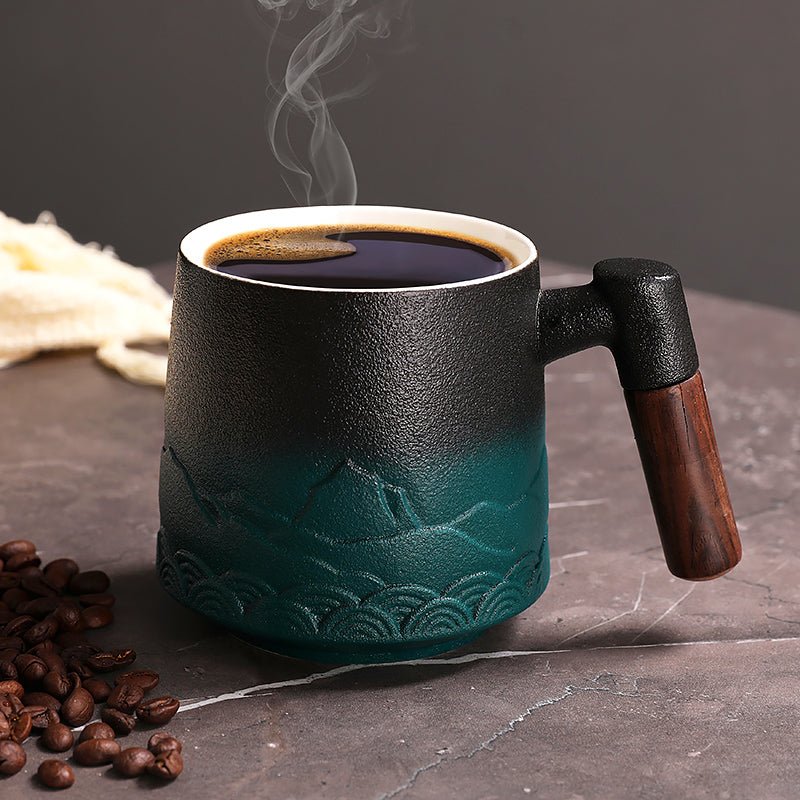
Philadelphia Eagles Coffee Mug: What to Check Before You Buy
A good Philadelphia Eagles coffee mug should feel comfortable in the hand, hold the right amount of coffee, and survive real daily use. We break down the size, shape, print, and care details that m...
Подробнее
Оставить комментарий
Этот веб-сайт защищается hCaptcha. Применяются Политика конфиденциальности и Условия использования hCaptcha.