
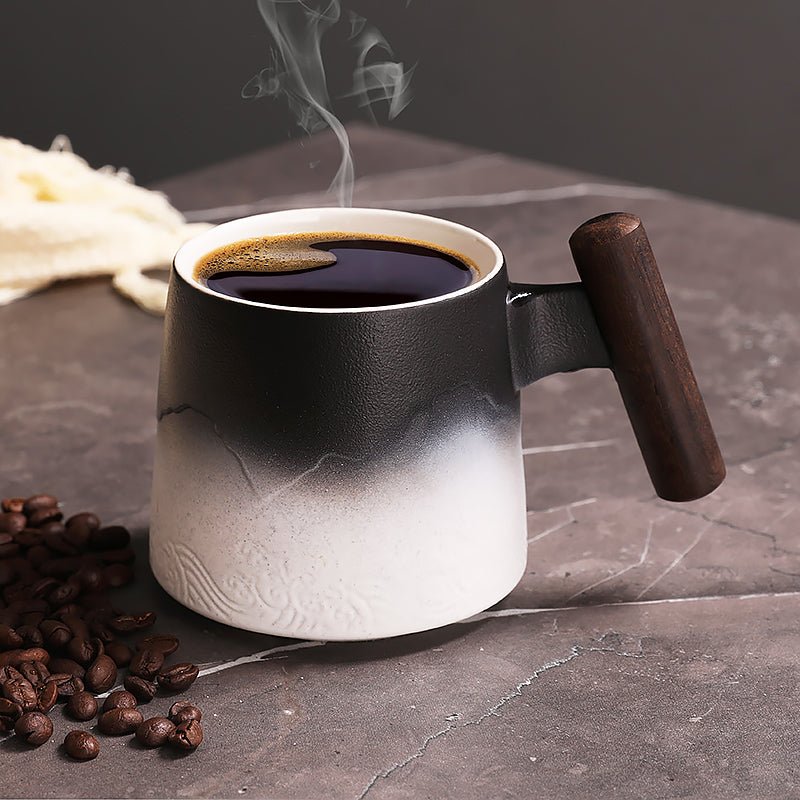
Camping Coffee Mug: What to Buy for Heat, Weight, and Durability
Reading time: about 10 minutes
A camping coffee mug has one job on a cold morning: hold heat long enough for the second sip, survive a rough pack, and still feel steady on a picnic table that is not exactly level. We see buyers choose the wrong mug most often when they focus on looks first and real use second.
In our store, the best choice usually depends on how you drink coffee outside. A mug for car camping can be heavier and more comfortable in the hand. A mug for backpacking needs to be lighter, simpler, and less likely to chip or dent. If you are still deciding between compact and oversized options, our 8 oz Coffee Mug: What to Check Before You Buy and 20 oz Coffee Mug: What to Check Before You Buy articles cover the size trade-offs in more detail.
What should a camping coffee mug do better than a regular mug?
A camping coffee mug should be easier to carry, harder to break, and more forgiving when the environment is messy. Around camp, that means a stable base, a rim that pours cleanly, and a handle or grip that does not get too hot to hold if the mug is used near a stove or with very hot coffee.
We also look for simple cleaning. Coffee sits differently in a camp kitchen than it does on a home counter. Soot, dust, and cooler water all make cleanup a little more annoying, so a mug with a smooth interior and no awkward seams is easier to live with. If you want a broader checklist for everyday drinkware, our Best Coffee Mug: What Actually Matters for Daily Use guide is a useful baseline.
A camping mug is not the same thing as a long-hold insulated tumbler. If you want coffee to stay very hot for hours, a vacuum-insulated travel mug is usually the better call. A camping mug is better when you want a straightforward cup that is easy to wash, easy to pack, and comfortable to use around camp.
Which material is best for a camping coffee mug?
Material is where most buying mistakes happen. The right choice depends on whether you care more about weight, durability, taste, or comfort in the hand. We handle a lot of mugs that look similar online but feel very different in real use.
| Material | What it does well | Trade-off | Best use |
|---|---|---|---|
| Stainless steel | Light, tough, easy to pack, resists breakage | Can feel hot if single-wall; lower-quality finishes can pick up odors | Backpacking, car camping, general outdoor use |
| Enamel over steel | Classic camp look, fairly light, comfortable for short use | Rim chips can happen; not ideal if you toss gear loosely into a bin | Cabin stays, picnic tables, gift buyers who want a camp style |
| Ceramic | Best drink feel, familiar at-home comfort, usually no metallic taste | Heavier and easier to chip or crack in transit | Car camping, porch coffee, office-style use at a campsite |
For most buyers, stainless steel is the safest practical pick. It handles bumps better than ceramic and does not chip like enamel. That said, it is not always the most pleasant if you want the mug to feel like a home cup. Ceramic still makes sense for relaxed camping where weight is less of a concern and the mug mostly stays on a table or in an RV.
If you are deciding between novelty-style mugs and a more functional outdoor pick, our Awesome Coffee Mugs: How to Choose a Mug You’ll Actually Use article is a helpful gut check before buying something that looks good but gets left in the cabinet.
How big should a camping coffee mug be?
Most campers do best with a mug in the 10 to 16 oz range. That size gives you room for a normal pour, a little cream, and enough capacity that you are not refilling constantly. It also stays manageable on a crowded table beside a stove, cooler, and camp tools.
A smaller 8 oz mug can be the right choice if you drink espresso, a short pour, or you like to keep servings modest. A 20 oz mug is better if you drink a lot at once, but it is bulkier, heavier when full, and more likely to feel awkward in one hand. On uneven ground, a tall oversized mug can also feel less stable.
We usually steer buyers toward size based on drink style, not just total ounces. If you tend to sip slowly while setting up camp, a mid-size mug is easier to manage. If you pour once and finish quickly, a smaller cup may be enough. If you top up all morning, go bigger, but accept the extra weight and footprint.
What features matter most for real camp use?
The features that matter most are the ones that prevent small annoyances. A pretty mug that leaks, burns your hand, or collects grime in the lid groove becomes a headache fast. These are the details we check before we recommend any camping coffee mug.
- Rim shape: A rolled or smooth rim feels better on the lips and is less likely to snag when you wipe it clean.
- Handle or grip: If the mug is single-wall steel, the handle should stay usable or the body should be easy to hold without a hot spot.
- Base stability: A flat base matters on picnic tables, tailgates, and uneven camp counters.
- Lid fit: If you want spill resistance, the lid should seat cleanly and not wobble. If you do not need a lid, skip the extra parts and keep cleanup simpler.
- Interior finish: Smooth surfaces rinse easier and are less likely to hold coffee oils, especially after dairy.
One common defect mode we see is a weak handle weld on metal mugs. Another is a chipped enamel rim from loose packing. With ceramic, the usual problem is not the first drop into the sink, but the second bump against a hard gear box corner. These are the kinds of trade-offs that do not show up well in a product photo.
If you are comparing a mug with a lid to a travel-friendly option, our Best Coffee Togo Mug: What to Check Before You Buy article helps separate a true carry mug from a simple camp cup.
Which camping coffee mug is best for backpacking, car camping, or office use?
Different use cases need different mugs. That sounds obvious, but it is where a lot of returns start. The mug that feels perfect at a kitchen table can be wrong on a trail, and the ultra-light packable option can feel disappointing on a slow morning at the cabin.
- Backpacking: Choose lightweight stainless steel or another tough, compact material. Keep the shape simple, skip extra bulk, and avoid fragile ceramic.
- Car camping: You can prioritize comfort. Enamel or ceramic can make sense if the mug mostly stays in camp and you like a more familiar drinking feel.
- Office or hybrid use: A camping-style mug only works if it also sits well on a desk and cleans up easily. If you want heat retention first, a lid matters more than a rustic look.
We see a lot of people buy a camping mug because they imagine one use case, then realize they actually need another. Someone who brews in the morning, loads gear, and drives to a trailhead has very different needs from someone who makes coffee beside a tent and drinks it slowly while cooking breakfast.
If you want one mug to do everything, expect compromises. A mug that is light enough for a pack usually gives up some comfort. A mug that feels great in camp is often heavier and more fragile.
How should you clean and care for a camping coffee mug?
Simple care goes a long way. Rinse the mug soon after use, especially if you add cream or sugar. Coffee residue is much easier to remove before it dries, and stale dairy odors are harder to chase out later.
For stainless steel, a soft sponge and mild soap are usually enough. Avoid abrasive pads if the mug has a coated interior or printed finish. For enamel, do not bang the rim against other hard cookware in storage. For ceramic, let it cool before washing if it has been sitting near heat, because sudden temperature swings can make cracking more likely.
Dry the mug fully before packing it away. That matters more than most people think. A damp mug stored in a closed bin or bag can collect smells, especially if it has a lid or silicone gasket. If the mug includes a lid, check the seal and the drinking opening for trapped grounds. Those are small details, but they make a big difference on the second and third use.
Our own rule is simple: if a mug is annoying to clean after a real camp morning, it will not get used much. That is why we favor straightforward construction over extra parts that look useful but create more maintenance.
What should you buy if you want one camping coffee mug that covers most situations?
If you want one practical answer, buy for the use case you actually have most often. For many shoppers, that means a mid-size stainless steel camping coffee mug with a comfortable handle, a stable base, and a finish that is easy to wipe clean. It is the least fussy choice and the one most likely to stay in rotation.
If your coffee habit is more casual and your mug stays at the cabin or in an RV, enamel or ceramic can be a better fit. If you are focused on light packing and durability, stainless steel usually wins. If you care most about the drinking experience and do not mind extra weight, ceramic still has a place.
For shoppers who want to compare the current range we carry, start with our products page and then check the full collection if you want to browse everything in one place.
Frequently asked questions
Is stainless steel or enamel better for a camping coffee mug?
Stainless steel is usually better if you care about durability and packability. Enamel is better if you want a more traditional camp look and plan to use the mug mostly at a table or in a cabin. Enamel chips more easily, so it is less forgiving in a loose gear bag.
What size camping coffee mug should I buy?
Most buyers are happiest in the 10 to 16 oz range. Go smaller if you drink short pours or espresso, and go larger if you pour once and sip for a long time. A 20 oz mug is useful, but it is not the most compact choice for camp.
Can I use a camping coffee mug on a camp stove?
Only if the mug is designed for that kind of heat and the manufacturer says it is safe. Many camping mugs are for drinking, not direct heating. If you want to warm coffee on a stove, choose cookware made for heat, not just a drinking vessel.
How do I keep coffee from tasting metallic in a stainless mug?
Wash the mug promptly and avoid letting coffee sit in it for hours. A smooth, good-quality interior finish also helps. If a stainless mug keeps tasting off even after washing, that is a sign the finish or construction is not ideal for your use.
Do I need a lid on a camping coffee mug?
Not always. A lid helps with splash control and heat retention, but it also adds a part to clean and can trap residue around the seal. If you mostly drink at a table, a simple open mug may be the better choice.
If you are still comparing options, use this quick check before you buy: choose the material that matches your trip style, pick the smallest size that still fits your drink habit, and decide whether you actually need a lid. Then browse our full collection and compare the shape, finish, and capacity that fit your routine best.
More from our blog
Read more
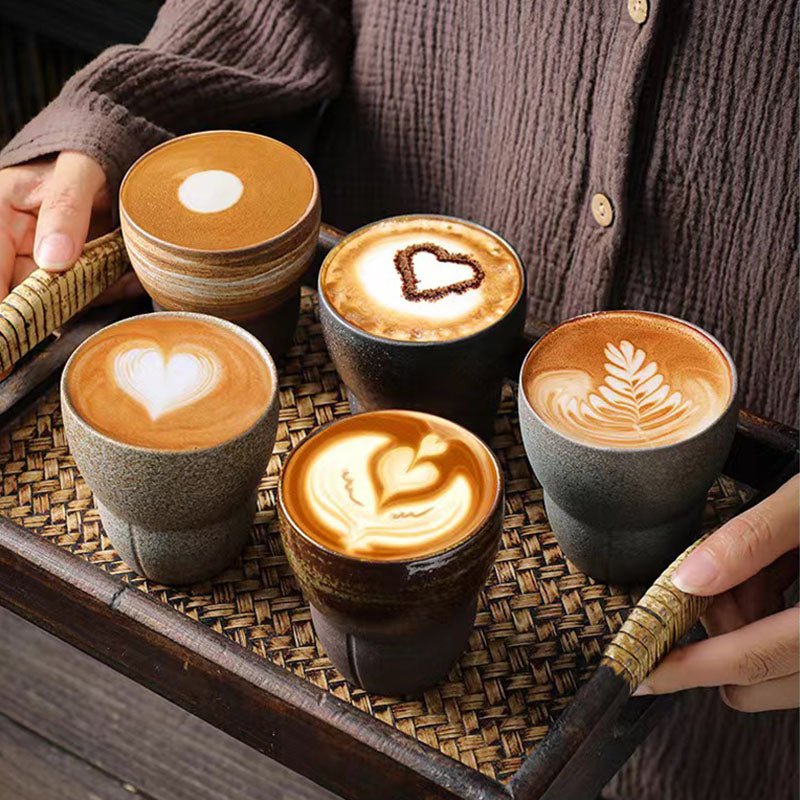
Vintage Coffee Mug Buyer’s Guide: What to Check Before You Buy
A vintage coffee mug can look simple, but the details matter: glaze wear, rim shape, capacity, handle comfort, and whether it’s meant for daily use or display. Here’s how we help shoppers compare o...
Подробнее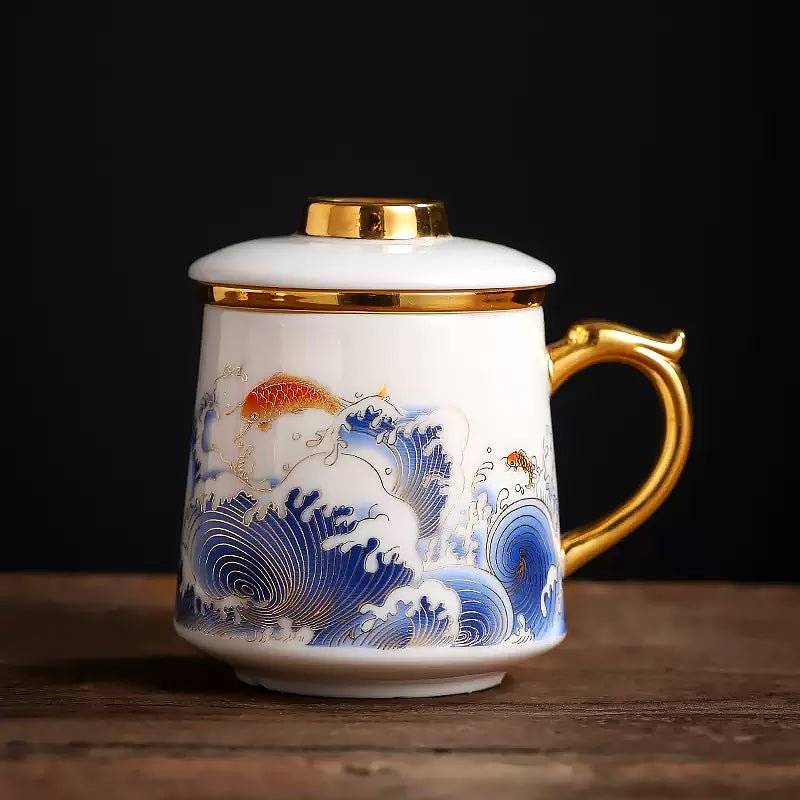
Cool Coffee Mug for Microwave: What to Buy and What to Avoid
A practical guide to choosing a cool coffee mug for microwave use, with the materials, shapes, and care details that actually matter before you buy. We also cover trade-offs, common failures, and w...
Подробнее
Оставить комментарий
Этот веб-сайт защищается hCaptcha. Применяются Политика конфиденциальности и Условия использования hCaptcha.