
Bones Coffee Mug Buying Guide: What to Check Before You Buy
Reading time: about 8 minutes
A bones coffee mug looks simple until you actually use it at 7 a.m. on a crowded kitchen counter. That is usually when the weak points show up: a handle that feels cramped, a rim that drinks too hot, or a base that does not sit as cleanly on the desk as it did in the product photo.
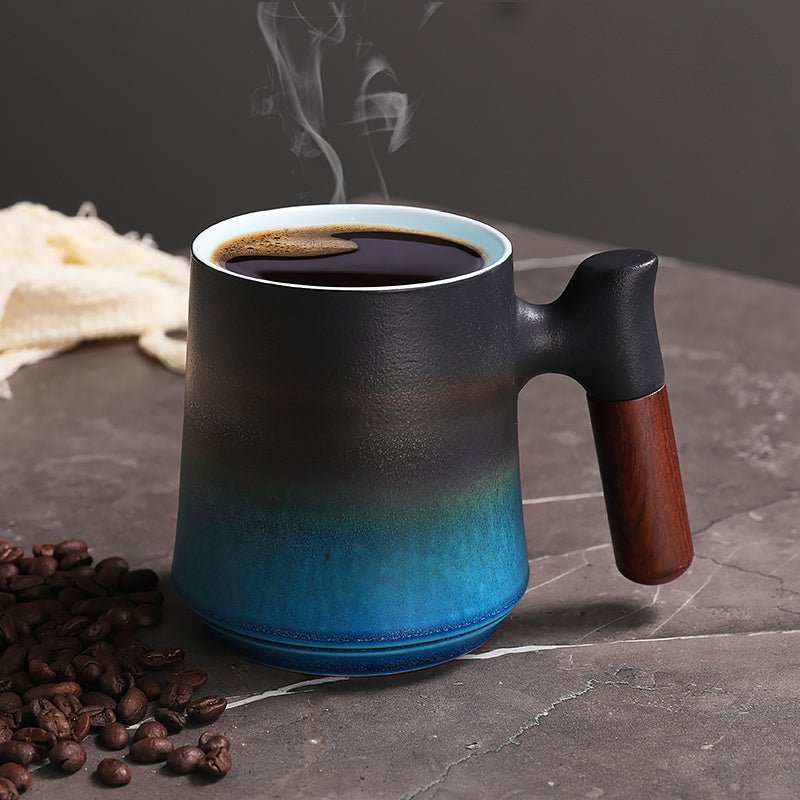
If you are comparing options, start with The Flow Coffee & Tea Mug and then browse our full collection. We built our selection around the kinds of everyday checks shoppers actually make in our store, not just how the mug looks on a listing page.
What should you check before buying a bones coffee mug?
We look at a mug the same way a customer does at a kitchen sink or office desk. The visual style matters, but the practical details decide whether it becomes a daily favorite or ends up pushed to the back of the cabinet.
Here is the short checklist we use before recommending a bones coffee mug to a buyer:
- Handle clearance: make sure two fingers fit comfortably without knuckles rubbing the mug body.
- Rim feel: a thinner, even lip usually feels better than a thick, blunt edge when you sip quickly.
- Base stability: the mug should sit flat without rocking on a countertop or desk surface.
- Surface finish: check for even glaze coverage, no rough spots on the foot ring, and no obvious pinholes.
- Cleaning reality: think about whether you want something easy to rinse after coffee, milk, or tea stains.
For shoppers comparing size first, our related guides on 10 oz Coffee Mug: Size, Fit, and What to Check Before You Buy, 11 oz Coffee Mug: Size, Fit, and What to Check Before You Buy, and Bones Coffee Mug: Size, Material, and Quality Checks Before Buying go deeper on the questions we hear most often.
Which size feels right for your routine?
Size is where a lot of buyers get stuck. A mug can look compact in a hand photo and still feel too small once you pour coffee, cream, or tea. The right choice depends on how you actually drink, not the label on the listing.
In practice, we see three common use cases:
- Smaller daily pours: good if you want a focused cup and refill often.
- Middle-ground use: good for a standard coffee pour with enough room for milk or foam.
- Roomier mugs: better for people who want less risk of spillover at the fill line and prefer a slower sip.
If you usually drink drip coffee straight, an 11 oz style often feels balanced. If you add milk, want more room for stirring, or dislike filling a mug near the top, 12 oz can be easier to live with. If you are buying for someone who switches between espresso drinks and tea, the right answer may be the mug that feels best in the hand, not the largest one on the shelf.
That is also why we keep size-focused references on hand. The right read is not about chasing a bigger number. It is about matching the mug to the way the drink is served, whether that is at a home kitchen table, in a shared office, or as a gift that needs to feel useful right away.
What material and finish should you check?
For a bones coffee mug, the material and finish tell you a lot about long-term satisfaction. Most shoppers are looking at ceramic mugs, and ceramic can be a very good everyday choice, but the details matter more than the category name.
We pay attention to four specific things:
- Glaze evenness: an even glaze helps the mug feel smooth in the hand and makes staining less likely to start at rough spots.
- Foot ring condition: the bottom should feel finished, not sharp, since a rough foot ring can scratch a desk or countertop.
- Wall thickness: thicker walls can hold heat differently than thinner walls, but they can also make the mug feel heavier.
- Handle join: the handle should look clean where it meets the body, with no visible cracking lines or weak seams.
There is a trade-off here. A sturdy ceramic mug is usually a better desk or kitchen choice than a very light novelty cup, but it is not the best pick if you want something ultra-light for commuting. It also is not the right answer for buyers who need a travel mug lid, insulation, or one-handed use in the car. For that, you should shop a different category entirely.
We also recommend looking closely at any decorative finish. A bold graphic or textured exterior can make a mug feel more personal, but it can also change how easy it is to clean. If you hand wash most mugs, that may not matter much. If your mug spends time in repeated dishwasher cycles, it matters more.
Which mugs from our store are worth comparing first?
In our store, we usually suggest comparing a few different silhouettes side by side before you decide. That tells you more than a product photo ever will, because you can judge the shape, visual weight, and how much personality you want on the counter.
These are the first options we would open for a shopper narrowing down a bones coffee mug style:
| Mug | Why compare it | What to verify before buying |
|---|---|---|
| The Flow Coffee & Tea Mug | Best if you want a clean, everyday look that can work in both a kitchen and an office. | Check the handle comfort, lip thickness, and whether the shape looks balanced in your hand. |
| Mountain Sea Coffee & Tea Mug | Good if you want a mug with a stronger visual presence and a more giftable feel. | Look closely at the finish, the contrast in the design, and whether the mug still feels practical for daily use. |
| Spittoon Coffee & Tea Mug | Useful for buyers who want something more distinctive than a plain round mug. | Confirm the shape suits your shelf space, your grip, and the way you pour coffee in the morning. |
The point of comparing these is not to chase novelty. It is to find a mug you will keep reaching for. A mug with a strong silhouette can look great on a shelf and still fail in daily use if the handle feels wrong. On the other hand, a restrained design can be the better buy if you want something that works for both guest service and weekday coffee.
If you are shopping for a gift, the safest approach is usually a balanced shape with a comfortable handle and an easy-to-read design. That tends to land better than something overly niche. If you are buying for yourself, you can be more specific: maybe you want a mug that feels substantial at the desk, or one that looks better beside a coffee grinder than a laptop.
What problems show up after a few weeks of use?
Most mug problems do not show up on day one. They show up after a few dishwasher loads, a few hard sets on the counter, and a few rushed mornings. That is why we are careful about trade-offs before we recommend a bones coffee mug.
The issues we see most often are predictable:
- Hairline cracks: these can appear around the handle join or at stressed points after repeated impacts.
- Staining: coffee and tea can leave a visible tint if the surface finish is rough or inconsistent.
- Glaze wear: repeated washing can dull a finish over time, especially on decorative surfaces.
- Chips on the rim or base: these usually happen when a mug meets another mug, a sink edge, or a crowded rack.
That does not mean ceramic is fragile in daily life. It means buyers should treat it like what it is: a real tabletop object, not a disposable cup. If you want something for heavy commuting, car cup holders, or rough packing in a work bag, a ceramic mug is the wrong category. If you want something for a real kitchen or desk, it is often the right one.
In our experience, the best ownership habits are simple: avoid sudden temperature shock, do not let mugs bang together in a stacked cabinet, and inspect the rim and handle when you unpack them. A good mug should feel finished from the start, not only after you have learned to work around its flaws.
Frequently asked questions
Is a bones coffee mug good for everyday coffee?
Yes, if the size and handle match how you drink. For everyday use, the best version is the one that feels stable on a counter, comfortable in the hand, and easy to clean after repeated use. If you need a travel mug or something insulated, choose a different product type.
Should I buy a smaller or larger mug for milk-based drinks?
A slightly larger mug is usually easier for milk-based drinks because it leaves room for foam, stirring, and a cleaner pour line. If you prefer a tighter, more concentrated cup, a smaller size can still work well. The right choice depends on how much volume you actually pour, not just the number on the product page.
What is the biggest quality issue to watch for in a ceramic mug?
The most common issues are rough finishing, uneven glaze, and stress around the handle join. Those are the places we check first because they affect both comfort and durability. A mug can look attractive and still feel off if the rim is rough or the base does not sit flat.
Can I use these mugs as gifts?
Yes, and mugs are one of the safer gift categories when the design is versatile. We usually recommend choosing a balanced shape and a design that does not rely too heavily on a trend. If you are unsure, compare the options in our full collection and pick the one that feels easiest to use every day.
What should I do if I want a mug that feels more distinctive than a plain cup?
Start with the silhouette, then check whether the design still works in a real kitchen or office. A distinctive mug should still be easy to hold, easy to wash, and easy to live with. If you want something with more personality, compare Mountain Sea Coffee & Tea Mug and Spittoon Coffee & Tea Mug against the mug you already use most.
If you want the fastest next step, compare the handle, base, and size against your current mug, then open our full collection to see which shape fits your routine best. If you are still deciding, start with The Flow Coffee & Tea Mug and work from there.
Read more
Bone China Coffee Mugs: What to Check Before You Buy
A practical buying guide for bone china coffee mugs, covering feel, trim, care, and the checks we use in our store before we recommend a piece.
Подробнее
Fancy Tea Cups: What to Look For Before You Buy
A practical buyer’s guide to fancy tea cups: what makes a cup worth buying, what to avoid, and which styles fit daily use, gifting, or display.
Подробнее
Оставить комментарий
Этот веб-сайт защищается hCaptcha. Применяются Политика конфиденциальности и Условия использования hCaptcha.