
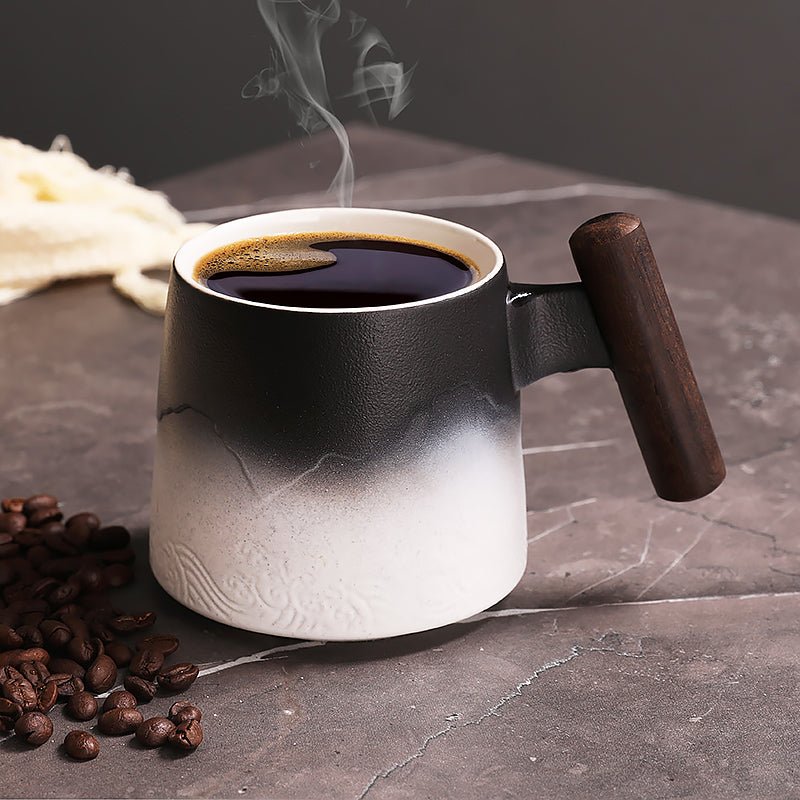
Blue Mug Coffee & Tea: What to Check Before You Buy
Reading time: about 8 minutes
A blue mug looks simple on a shelf, but the real test starts when it meets hot coffee, a tea bag, and a Monday dishwasher load. The finish, the handle, and the capacity all matter more than the color alone.
We handle mug choices this way in our store: first we check how it feels in the hand, then we look at how it will hold up after repeated washing, and only then do we think about color. That approach matters for blue mug coffee & tea buyers because blue can be calming and practical, but it can also hide or reveal flaws depending on the glaze and the lighting in your kitchen or office.
Why does a blue mug work well for coffee and tea?
Blue is one of the few colors that can look clean on a countertop without feeling clinical. A medium or deep blue glaze pairs well with black coffee, milk drinks, and herbal tea, and it usually feels less stark than white in a shared kitchen. A matte blue finish can feel more modern, while a glossy glaze tends to wipe clean faster.
There is a trade-off. Very dark blue can make it harder to judge coffee color at a glance, which matters if you brew by sight. Matte finishes can show grease from fingers faster than glossy ones, and a highly reflective blue glaze may reveal water spots under bright office lights. If you want a mug that disappears into the background, blue is not that mug. If you want one that still looks good after daily use, it is a strong option.
For shoppers comparing shape and use cases, our Mug & Cup Coffee Buying Guide for Everyday Use covers the broader mug-buying basics we use when we check everyday drinkware.
What size should you choose for your drink?
Most people do better with a mug that matches what they actually drink, not what looks best in a product photo. A smaller mug feels right for concentrated coffee and tea refills. A larger one suits long desk sessions, milk-heavy drinks, or a person who does not want to make a second cup before the first has cooled.
| Size | Best for | What to check |
|---|---|---|
| 10 oz | Tea, shorter coffee servings, smaller hands | Comfortable handle, stable base, not too wide for heat retention |
| 11 oz | Daily drip coffee, standard home use | Balanced weight, easy-clean glaze, rim that feels smooth on the lip |
| 12 oz | Larger pours, latte-style drinks, office desks | Headroom at the top, sturdy handle, microwave-safe construction if needed |
If you are deciding between common capacities, our size-specific posts can help. We break down the practical differences in 10 oz Coffee Mug: Size, Fit, and What to Check Before You Buy, 11 oz Coffee Mug: Size, Fit, and What to Check Before You Buy, and 12 Ounce Coffee Mug Buying Guide: Size, Fit, and Best Uses.
In our experience, the most common size mistake is buying a mug that looks generous but feels awkward once it is full. A 12 oz mug can be great, but if the body is wide and the handle sits too close to the cup wall, it can feel clumsy when the drink is hot. A smaller, well-shaped mug often gets used more often than a larger one that is just a little too heavy.
Which material and finish should you expect?
For coffee and tea mugs, ceramic, stoneware, and porcelain are the usual choices. Ceramic is a broad category and often gives a good balance of weight and price. Stoneware usually feels thicker and holds heat well, but it can be heavier in the hand. Porcelain is lighter and often has a cleaner, finer rim, which some people prefer for tea.
There are a few concrete details we look for before we recommend a mug:
- Glaze coverage: The interior should be smooth and even, without pinholes or rough patches that collect stains.
- Base finish: An unglazed foot ring can help the mug sit flat, but it should still feel clean and not scratch the table.
- Microwave and dishwasher compatibility: If the mug has metallic trim, decals, or fragile glaze work, it may need hand washing and may not be microwave safe.
- Wall thickness: Thicker walls usually keep heat in longer, but they also make the mug feel heavier for daily desk use.
Those details matter more than the shade of blue alone. A beautiful glaze with an uneven base can wobble on a desk. A lightweight porcelain mug with a smooth rim may be better for tea than a heavy stoneware mug that feels solid but warms your hand too much. If you want a broader comparison of those everyday trade-offs, our Mug & Cup Coffee Buying Guide for Everyday Use walks through the checks we use across the category.
What details separate a good mug from a frustrating one?
Small construction issues show up quickly once a mug starts living on a kitchen counter or office desk. A handle that looks fine in a photo can feel cramped once your fingers are through it. A rim that is slightly uneven can make every sip noticeable. A mug that rocks on the table is annoying the first day and irritating forever.
We check mugs the same way customers use them: one hand around the handle, one full pour, then a wash cycle and a second look the next day.
Here is the short list we use when we inspect a mug for real-world use:
- Handle clearance: Make sure two fingers can fit comfortably without scraping the mug body.
- Rim comfort: The drinking edge should feel smooth, not sharp or lipped.
- Base stability: Set it on a flat counter and check for wobble.
- Glaze quality: Look for pinholes, uneven color bands, or crazing lines that can signal finish problems over time.
- Chip risk points: The rim and the handle join are the first places to check when a mug arrives or comes out of a dishwasher cycle.
One practical limitation: blue mugs with very glossy finishes can show light scratches and utensil marks sooner than expected if they are stacked tightly. Matte blue mugs can show coffee oils faster if they are not washed promptly. Neither is a deal-breaker, but both are worth knowing before you order.
How should you care for a blue mug so it stays usable?
Most mugs last longer when they are treated like daily tools instead of display pieces. If the mug is dishwasher safe, top-rack washing is the safer default. If it has delicate decoration, metallic accents, or a more porous glaze, hand washing is the better choice. A soft sponge is enough for most stains; abrasive pads can dull a glossy blue finish or mark a matte one.
Temperature changes matter too. A mug that goes from a cold cabinet straight into boiling liquid can be stressed by the sudden shift, especially if the glaze or body is thinner. Letting it warm slightly with warm water first is a simple habit that reduces that risk. If you use the mug for tea, empty it after steeping rather than letting tea sit in the cup all afternoon, since strong tea can leave a ring on lighter blue interiors.
For shoppers who want the most practical path, start with the product pages and compare care notes before you add anything to cart. Our products page is the fastest place to review the current options, and the full collection is useful if you want to compare shapes and finishes side by side.
Frequently asked questions
Is a blue mug better for coffee or tea?
It works well for both, but the better choice depends on the shape and size more than the color. Tea drinkers often prefer a slightly smaller, lighter mug, while coffee drinkers often want a little more capacity for milk or a longer pour. A blue finish is mostly about presentation and personal preference.
Can I put a blue ceramic mug in the dishwasher?
Usually yes, if the mug is marked dishwasher safe. Check the finish first, because metallic accents, hand-painted details, or delicate decals may need hand washing. If you stack mugs tightly, make sure the rims do not rub against each other.
What size blue mug is best for everyday use?
For most people, 11 oz is the most balanced everyday size. It is large enough for a standard coffee or a decent tea pour without feeling oversized on a desk. If you want more room for milk drinks, 12 oz is often the more comfortable choice.
Do blue mugs stain less than white mugs?
They can hide some tea and coffee discoloration better than white mugs, especially on darker glazes. That does not make them stain-proof. If a mug is left unwashed for long periods, residue will still build up on the inside regardless of color.
What should I avoid if I want a mug that lasts?
Avoid mugs with a wobbly base, a rough rim, or a handle that is too tight for your fingers. Also avoid finishes that are not compatible with your routine, such as hand-wash-only mugs if you know they will end up in the dishwasher. A slightly plainer mug that feels right in daily use is usually the better buy than a decorative mug that stays in the cabinet.
If you want the simplest next step, compare the current shapes and finishes in our full collection, then check the handle, rim, size, and care notes before you choose. For a direct browse of what we carry right now, open our products page and pick the mug that fits your coffee or tea routine, not just the photo.
More from our blog
Read more
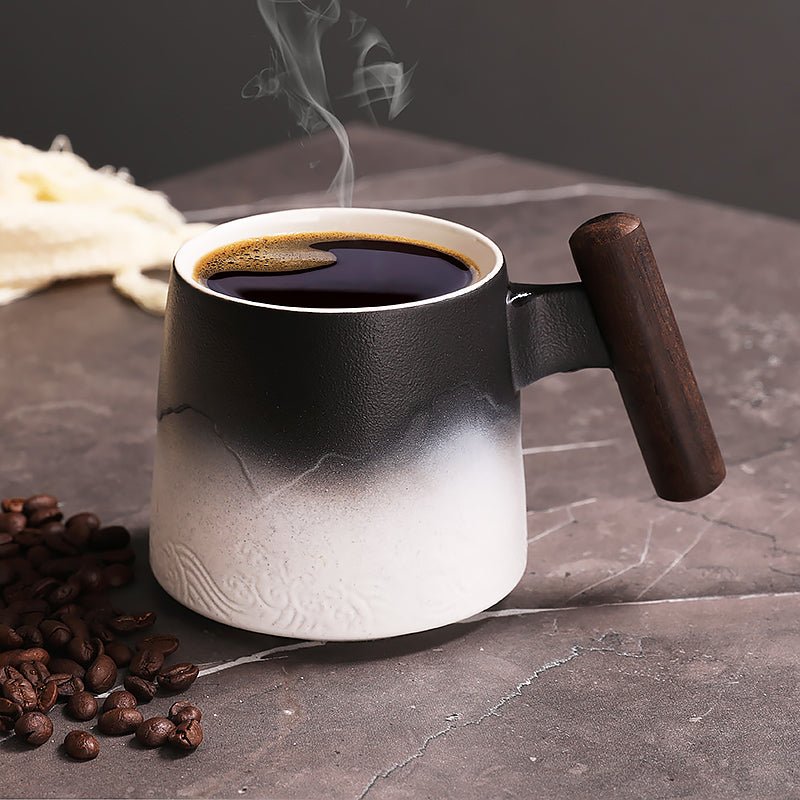
Denby Coffee Mugs: What Buyers Should Check Before Ordering
A practical buyer’s guide to denby coffee mugs, covering size, feel, durability, and the trade-offs to check before you buy. We also show when a different mug style may fit your routine better.
Подробнее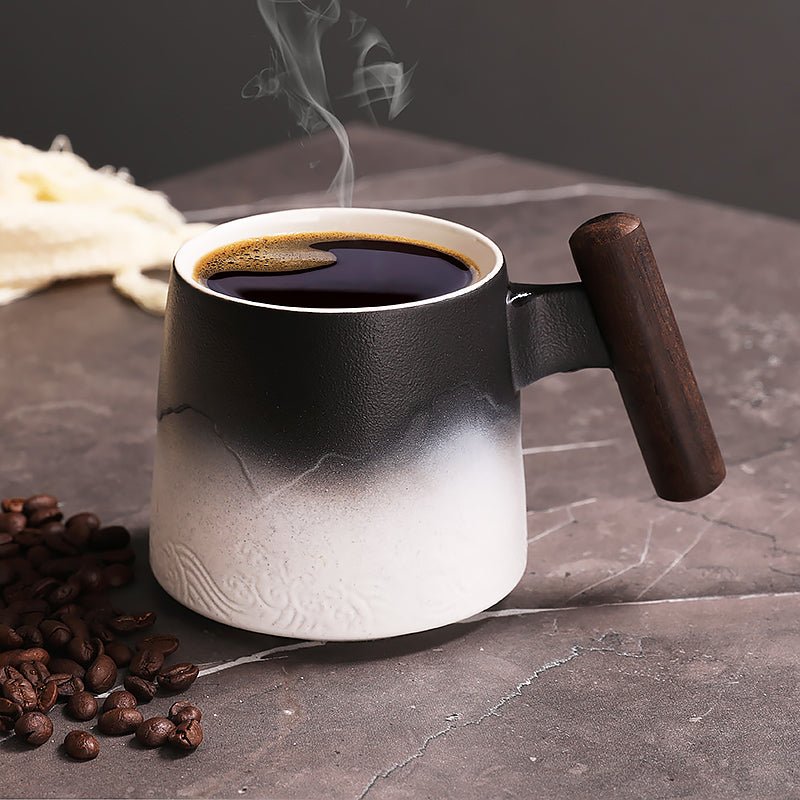
Blue Mug Coffee and Tea: What to Check Before You Buy
A practical guide to choosing a blue mug for coffee and tea, with sizing, material, handle, and care checks we use in our store.
Подробнее
Оставить комментарий
Этот веб-сайт защищается hCaptcha. Применяются Политика конфиденциальности и Условия использования hCaptcha.