
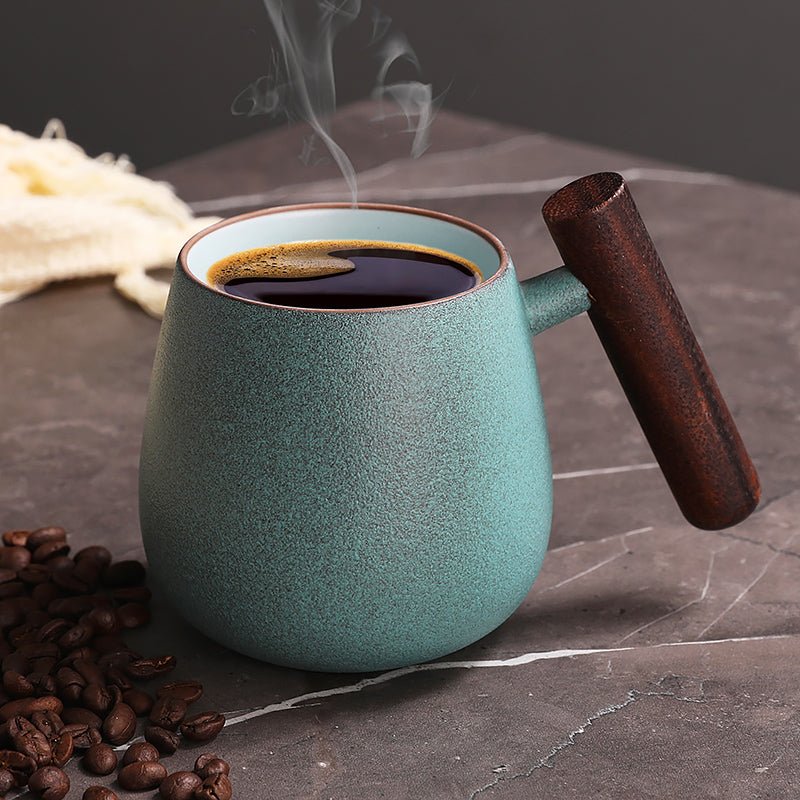
Best Travel Mug for Coffee: What to Check Before You Buy
Reading time: about 9 minutes
The first bad spill usually happens in the car, not in the kitchen. A lid that looks fine on the counter can leak through a backpack seam, drip onto a laptop sleeve, or leave a coffee ring on the office desk after a short drive.
That is why our idea of the best travel mug for coffee is not “the fanciest one.” It is the mug that keeps coffee hot long enough, closes securely, fits the way you actually drink, and does not turn cleanup into a chore. In our store, we see the same buying pattern over and over: shoppers start with insulation, then end up caring just as much about lid design, mouthfeel, and how the mug handles a dishwasher cycle.
If you want to browse what we carry while you read, start with our product selection or compare styles in the full collection. If you are still deciding between styles, our related guides on what shoppers should check before buying and what to buy and what to skip cover the same decision from a different angle.
What makes a travel mug actually good for coffee?
A good coffee travel mug solves three problems at once: temperature, leakage, and comfort. If it only does one of those well, it usually disappoints in daily use.
We look at travel mugs the same way a shopper uses them in real life: poured at home, carried to a car cup holder, set on a desk, rinsed at lunch, then washed at night. That reveals the small details that matter more than product photos.
- Lid security: A sliding lid is convenient, but the seal has to feel tight and consistent. A loose gasket or a weak snap closure is where most leaks begin.
- Heat retention: Double-wall insulated stainless steel generally keeps coffee hotter longer than a simple single-wall cup. Ceramic travel mugs can give a better taste experience, but they usually give up some heat retention.
- Drinking feel: A narrow sip opening feels different from a wide opening. If you take small sips during a commute, a controlled opening helps prevent spills.
- Size and shape: A 12-ounce mug may fit better in a smaller car cup holder and under a home espresso machine, while a 16-ounce mug suits longer mornings but can feel bulky in a laptop bag.
That trade-off is why there is no single mug that wins for every buyer. The best choice depends on how far you travel, how long your coffee sits, and whether you care more about warmth or taste.
Which material is best for your routine?
The material changes the way the mug feels, cleans, and ages. We usually see three categories in this space: stainless steel, ceramic-lined designs, and plain ceramic travel mugs with lids.
| Material | Strengths | Trade-offs | Best for |
|---|---|---|---|
| Stainless steel | Strong, durable, good insulation, travel-friendly | Can affect taste if the interior is not well finished; exterior can show dents over time | Commutes, car use, long heat retention |
| Ceramic-lined | Cleaner coffee taste, less metallic feel, pleasant drinking experience | Usually heavier; needs care to avoid chipping if dropped | Desk use, flavor-focused buyers, office mornings |
| Ceramic with lid | Best cup-like drinking feel, familiar at home | Less portable and usually not the best for rough travel | Short trips, home-to-office use, gift buyers |
For many shoppers, stainless steel is the most practical answer. For others, especially people who notice aftertaste, ceramic-lined mugs are worth the extra attention. If you want a deeper look at ceramic options, we also cover that path in our ceramic coffee travel mug guide and our ceramic travel coffee mug with lid checklist.
One limitation worth saying plainly: ceramic is not the best choice for a bag toss, a train commute with constant movement, or anyone who drops things often. It is better for controlled use than for hard travel.
How much insulation do you really need?
More insulation is not always better if you plan to drink quickly. A mug that holds heat aggressively can make coffee stay too hot for longer than you want, especially if you like to drink soon after brewing.
For short commutes, a standard insulated mug is usually enough. For long drives, outdoor work, or a morning where coffee sits on a desk for an hour, stronger insulation matters more. The practical question is not “how long can it keep liquid warm in theory?” It is “how long before the coffee reaches the temperature I actually want to drink?”
Here is how we usually frame it:
- Under 30 minutes: Prioritize lid comfort and easy drinking. Heat loss is less of a concern.
- 30 to 90 minutes: Look for solid insulation and a tight lid seal. This is the most common commute window.
- Multiple hours: Choose a well-insulated stainless steel mug and accept that the cup may stay hot enough to require a slower sip.
There is also a real trade-off between heat retention and taste. Some people prefer coffee that opens up a bit as it cools. Others want the mug to hold temperature as long as possible. Neither is wrong, but the right mug should match the way you drink, not just the marketing copy.
What lid style is easiest to live with?
The lid is where many travel mugs succeed or fail. A good body with a poor lid still behaves like a cheap mug.
In daily use, we pay attention to four things: whether the lid locks cleanly, whether the sip opening is easy to control, whether the seal collects coffee residue, and whether the lid is simple to wash. A complicated lid can be annoying after the first week, especially if it has small channels that trap old coffee oils.
Common lid types include:
- Slide lids: Easy to use one-handed, good for commuting, but the sliding part can collect buildup if it is not cleaned often.
- Press-fit lids: Simple and lightweight, though not always the most secure for bags or rough movement.
- Latch or lock lids: Stronger leak resistance, but usually a little bulkier and less convenient to open on the move.
If you are buying a mug for the office, a smoother sip lid usually matters more than a fully sealed cap. If you are putting it in a backpack, the seal should matter more than convenience. That is the kind of trade-off we try to call out in our store descriptions, because the same mug can be perfect for a desk and mediocre for a carry bag.
Real-world test: if you would not trust the mug in a tote bag next to a notebook, it is not the right commuter mug.
Which features matter most for commuting, office use, and gifting?
The best travel mug for coffee changes depending on the buyer. A commuter, an office worker, and a gift shopper do not want the same thing.
- For commuting: Cup-holder fit, lid security, and one-handed use come first. A taller mug can be harder to store, and a wide body may not fit every car holder.
- For office desks: A quieter lid, a comfortable hand feel, and a taste-neutral interior matter more. Many desk buyers also prefer a mug that does not sweat or leave rings.
- For gifting: Visual finish matters, but so does practicality. A gift mug should be easy to understand out of the box and simple enough that the recipient uses it often, not just once.
We see a lot of shoppers choosing the wrong style because they shop for the moment of purchase instead of the routine after it. A mug that looks premium but needs careful hand washing may be a poor fit for someone who wants a no-fuss weekday setup. On the other hand, a rugged stainless mug may feel too utilitarian for someone who wants a more cup-like experience at a desk.
If you are buying for a parent or partner, our article on coffee mug vs travel mug for dad is useful for sorting out the gift angle without overcomplicating it.
How should you clean and care for a travel mug?
Cleanup is where many buyers discover the long-term cost of a mug. Even a good design can become unpleasant if the lid traps coffee oils or the seal is hard to remove.
Here is the care routine we recommend for most travel mugs:
- Rinse soon after use so coffee does not dry inside the lid channel.
- Wash the cup body and lid separately when the design allows it.
- Check silicone seals for buildup, especially around the sip opening and locking edge.
- Let all parts dry fully before reassembly to reduce stale odor.
Dishwasher safety is helpful, but it is not the whole story. A dishwasher can handle many mugs, yet some lids still need hand attention around seals, buttons, or narrow channels. If a mug advertises easy cleanup, we still suggest looking at the lid shape closely. That is where real maintenance pain usually starts.
One more limitation: if you want the easiest possible cleanup, a plain mug with a simple lid often beats a highly engineered leakproof lid. More features usually mean more parts to wash.
Frequently asked questions
What size travel mug is best for coffee?
For most buyers, 12 to 16 ounces is the most practical range. A 12-ounce mug is easier to carry and usually fits more cup holders, while a 16-ounce mug is better if you want a larger morning pour. Bigger is not always better if the mug becomes too tall for your bag or machine.
Is stainless steel or ceramic better for a coffee travel mug?
Stainless steel is usually better for commuters and anyone who wants durability and stronger insulation. Ceramic is better if you care more about taste and a cup-like feel, but it is less forgiving if you drop it. If you want a middle ground, a ceramic-lined interior can be a smart compromise.
What should I avoid when buying a travel mug?
Avoid mugs with vague lid descriptions, hard-to-clean seals, and no clear guidance on fit or care. A mug can look premium and still fail in daily use if the lid leaks or the shape does not work with your cup holder. We also avoid buying on looks alone; that is usually how people end up with a mug they use twice.
Can I put a travel mug in the dishwasher every day?
Some travel mugs are dishwasher safe, but daily dishwasher use is not always ideal for every lid or seal. If the mug has silicone gaskets, moving parts, or a locking mechanism, hand washing may help it last longer. Check the care guidance for the specific mug before assuming every part is safe in the machine.
What is the best travel mug for coffee if I use it at my desk?
A desk mug should be easy to sip, stable on a flat surface, and pleasant to hold for long stretches. Many office buyers prefer a quieter lid and a finish that does not leave condensation or rings. If the mug never leaves your desk, you can prioritize taste and comfort more than extreme leak protection.
For shoppers ready to compare real options, start with our full collection and match the mug to your routine: commute, office, or gift. If you want a more detailed buying path, compare lid type, insulation level, cleaning steps, and size before choosing the one you will actually use every day.
More from our blog
Read more
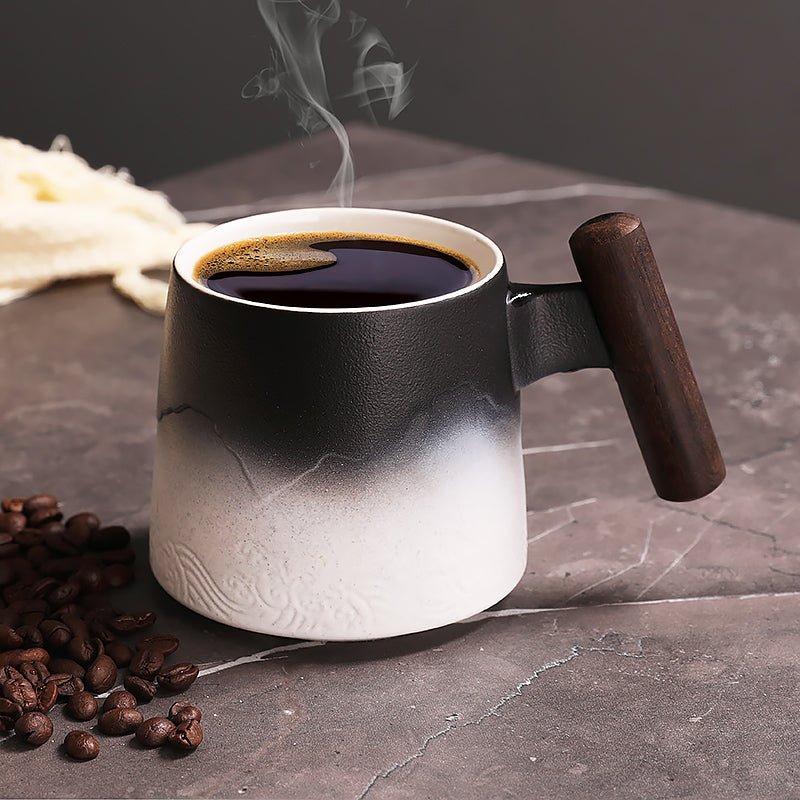
16oz Coffee Mug Buyer’s Guide: Size, Material, and Fit
A 16oz coffee mug is a strong everyday size for drip coffee, lattes, and tea, but the details matter. We break down fit, materials, care, and the trade-offs that help you buy the right one.
Подробнее
Cat Coffee Mug Buyer’s Guide: Size, Material, and What to Check
A cat coffee mug should be more than a cute print on a cup. We break down the size, material, handle feel, and care details that matter if you plan to use it every day or give it as a gift.
Подробнее
Оставить комментарий
Этот веб-сайт защищается hCaptcha. Применяются Политика конфиденциальности и Условия использования hCaptcha.