
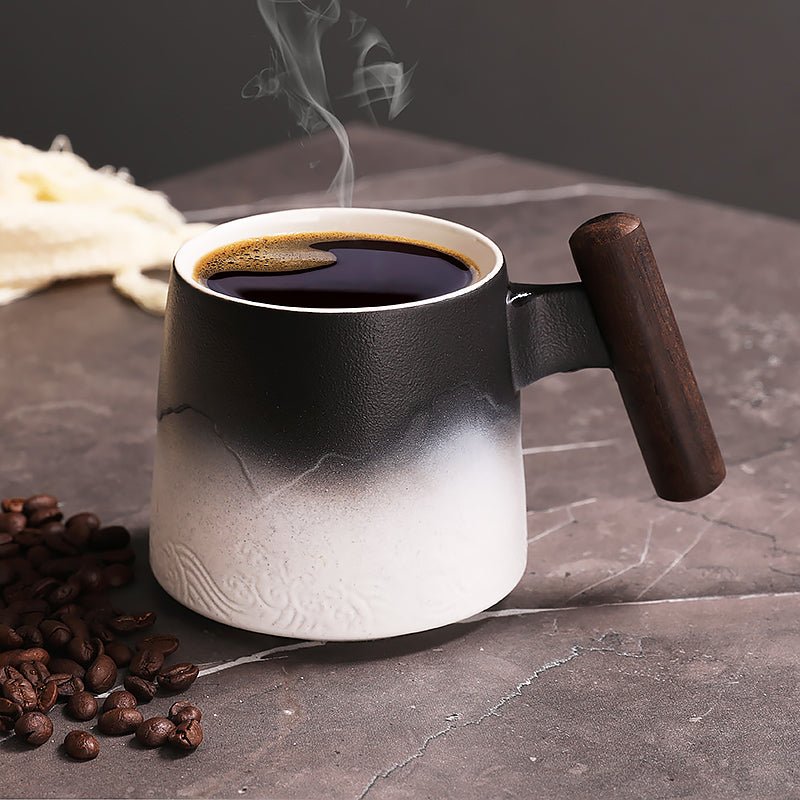
Best Mugs for Coffee: What Actually Matters Before You Buy
Reading time: about 9 minutes
A mug can look right on a product page and still fail the daily test at the kitchen counter. The handle pinches, the rim feels rough, or the cup cools off before the first meeting ends. In our store, that is usually where the real buying decision happens: not on the photo, but in the hand, on the desk, and after a few dishwasher cycles.
If you are comparing the best mugs for coffee, start with our full mug collection and then narrow down by shape, capacity, and finish. If you already know you want a more specific look, you can also compare the Pleated Coffee Tea Cup, the Golden Waves Kio Coffee Tea Mug, and the The Flow Coffee Tea Mug as different style directions rather than just different names.
What actually makes a mug one of the best mugs for coffee?
The best coffee mug is the one that fits the way you actually drink. We see shoppers focus on style first, but the details that matter most are practical: a comfortable handle, a stable base, a smooth rim, and a size that matches the amount you pour every morning.
- Handle clearance: Your fingers should fit without scraping the mug body. If the opening is too tight, the mug feels awkward fast.
- Base stability: A mug should sit flat on a counter or desk without wobbling. A slightly uneven foot is a common defect mode we watch for.
- Rim finish: The lip should feel smooth and even all the way around. Small glaze misses or tiny chips are easy to notice once you drink from them.
- Wall thickness: Thicker walls usually feel sturdier and keep heat better, but they can also make the mug heavier in the hand.
- Weight balance: A mug should still feel comfortable when filled, not just when empty.
That is why we treat coffee mugs as daily tools, not just decor. A mug that looks beautiful on a shelf but feels off at 7:30 a.m. is not a good buy for most people.
Which mug shape works best for coffee?
Shape changes the way a mug drinks. A wider opening lets aroma escape more easily, which some people like for black coffee. A straighter or slightly tapered body can feel more stable and easier to hold, especially if you spend a lot of time at a desk and pick the mug up and down all morning.
| Shape | Best for | Trade-off |
|---|---|---|
| Wide opening | People who want aroma and easier stirring | Heat can escape faster |
| Straighter sides | Desk use and simple daily brewing | Can feel plain if design matters to you |
| Tapered or sculpted profile | Gift purchases and display-worthy kitchens | Sometimes less stackable |
If you like a mug with more visual texture, the Pleated Coffee Tea Cup is the kind of piece that reads as more dressed up on a shelf. If your preference is cleaner and more relaxed, the The Flow Coffee Tea Mug fits that quieter everyday look. The Golden Waves Kio Coffee Tea Mug is the one we would point to when the mug needs to work as a gift as much as a daily cup.
The point is not that one shape is universally better. The point is to match the shape to the setting. A mug used at a kitchen table has different needs than one that lives beside a keyboard all day.
What size should you choose for daily coffee?
Capacity is where a lot of buyers overbuy. A larger mug sounds safer, but if you mainly drink a standard drip coffee, oversized capacity can make the cup feel bulky. On the other hand, a mug that is too small turns a second pour into a habit you may not want.
For practical buying, we usually break it down like this:
- 12 oz: Good for a straightforward daily coffee and a compact cabinet footprint. See our guide to 12 oz Coffee Mugs: How to Choose the Right Mug for Daily Use.
- 14 oz: A balanced middle ground if you like a bit more room for cream or foam. Our article 14 Ounce Coffee Mugs: Size, Fit, and Buying Guide goes deeper on fit.
- 16 oz: Better for bigger pours, longer desk sessions, or people who hate refilling. Before choosing one, read 16 oz Coffee Mugs: What to Check Before You Buy.
If your coffee habit changes by season, that matters too. A larger mug is handy for iced coffee or milk-heavy drinks, but for a hot black pour, a smaller mug often feels better in the hand and less clumsy on a crowded desk. If you want the full selection across sizes and styles, the collection page is the fastest way to compare without bouncing between product pages.
What materials and finishes hold up best?
Most shoppers say they want a mug that is durable. What that really means in practice is usually a mug with a clean glaze, a solid wall, and a rim that does not chip easily. We care less about buzzwords and more about how the finish behaves after repeat use.
Here are the concrete things we look at when judging finish quality:
- Glaze consistency: A smooth, even glaze is easier to clean and looks better after repeated washing. Tiny pinholes or dull patches can be a sign of uneven firing.
- Rim quality: The drinking edge should not feel sharp or uneven. A rough rim is one of the easiest flaws to catch in daily use.
- Foot ring: The base should sit flush. If the foot is not even, the mug can rock on a table and feel cheap immediately.
- Thermal shock risk: No ceramic mug likes being taken from very cold to very hot in one move. A sudden temperature swing can shorten its life.
For care, the safest routine is simple: wash promptly, avoid sudden temperature changes, and use the dishwasher only if the listing says it is safe for that treatment. If a mug has decorative detailing or a specialty finish, hand washing is usually the better way to protect the look over time. That is a trade-off worth accepting if presentation matters to you.
We also think buyers should be honest about what a mug is not good for. A decorative mug may look better on a shelf, but it may not stack neatly in a crowded cabinet. A heavier mug may feel premium, but it is less pleasant if you carry coffee from room to room or prefer one-handed typing.
Which mug is best for gifts, office desks, and everyday use?
This is where the best mugs for coffee split into different jobs. The right pick for a gift is often not the right pick for a work desk, and the mug that feels perfect in a quiet kitchen can be annoying in an office with limited space.
| Use case | What to prioritize | What to avoid | Good fit in our store |
|---|---|---|---|
| Gift | Distinct look, easy unboxing, broad appeal | Overly specialized shapes | Golden Waves Kio Coffee Tea Mug |
| Office desk | Comfortable handle, stable base, easy sip | Oversized or top-heavy mugs | The Flow Coffee Tea Mug |
| Everyday kitchen use | Balance, durability, and a shape you will not tire of | Only buying for looks | Pleated Coffee Tea Cup |
We have found that gift buyers care about first impression, while daily users care about friction. If a mug feels awkward at the handle or sits unstable on a desk, people stop reaching for it even if they liked it on day one. That is the real test.
For buyers still comparing options, our blog posts on 16 Ounce Coffee Mugs: Size, Materials, and Fit Guide and 16 Ounce Coffee Mugs for Daily Use: Size, Fit, and Shape Guide are useful if you want to narrow the choice by daily routine rather than by style alone.
How do you spot a mug that will annoy you later?
We have seen the same problems show up again and again after unboxing. They are easy to miss in photos, but obvious once the mug is on the counter.
- Handle too small: It feels fine for one test lift, then becomes irritating after a week of use.
- Rough glaze at the rim: This is one of the fastest ways to turn a nice mug into an everyday annoyance.
- Wobbly base: A small wobble can make a mug feel less trustworthy, especially on a glass desk or smooth stone countertop.
- Odd balance when full: Some mugs feel light and elegant empty but become awkward once coffee is poured in.
- Overly decorative surface: Pretty finishes are fine, but if they make cleaning harder, the mug may end up unused.
That is why we suggest thinking about real locations before buying: the kitchen counter, the office desk, the car-free commute, the dishwasher rack, the cabinet shelf. A mug should fit the places you actually use it in, not just the photo shoot.
Frequently asked questions
What size mug is best for everyday coffee?
For most daily coffee drinkers, 12 oz to 14 oz is the most practical range. It is large enough for a normal pour without feeling bulky in the hand or taking over cabinet space. If you regularly add milk or make larger drinks, 16 oz makes more sense.
Are ceramic mugs better than glass or stainless steel for coffee?
For home use, ceramic usually gives the most familiar coffee experience because it feels stable, neutral in taste, and comfortable to sip from. Glass can be attractive but often feels more fragile in daily handling, while stainless steel is better for travel than for a desk or kitchen table.
Should I choose a heavier or lighter mug?
Choose the mug that feels balanced when full, not just when empty. Heavier mugs can hold heat well and feel sturdy, but they are less comfortable if you sip slowly or carry the mug around the house. Lighter mugs are easier to lift, but they may feel less substantial.
What mug shape keeps coffee hot the longest?
In general, a smaller opening and a more compact body help slow heat loss better than a wide, open shape. That said, the exact result depends on wall thickness and how long the coffee sits before you drink it. If heat retention is your main goal, avoid oversized mugs with very wide mouths.
Which coffee mug is best if I want to give it as a gift?
Choose a mug with a distinctive but not overly niche look, plus a shape that is comfortable for most hands. A gift mug should feel easy to like and easy to use. In our store, that is often where more decorative pieces like the Golden Waves Kio Coffee Tea Mug make sense.
If you want the simplest next step, compare the handle, rim, capacity, and finish on our full mug collection, then open the three product pages above and pick the one that matches how you actually drink coffee every day.
Read more
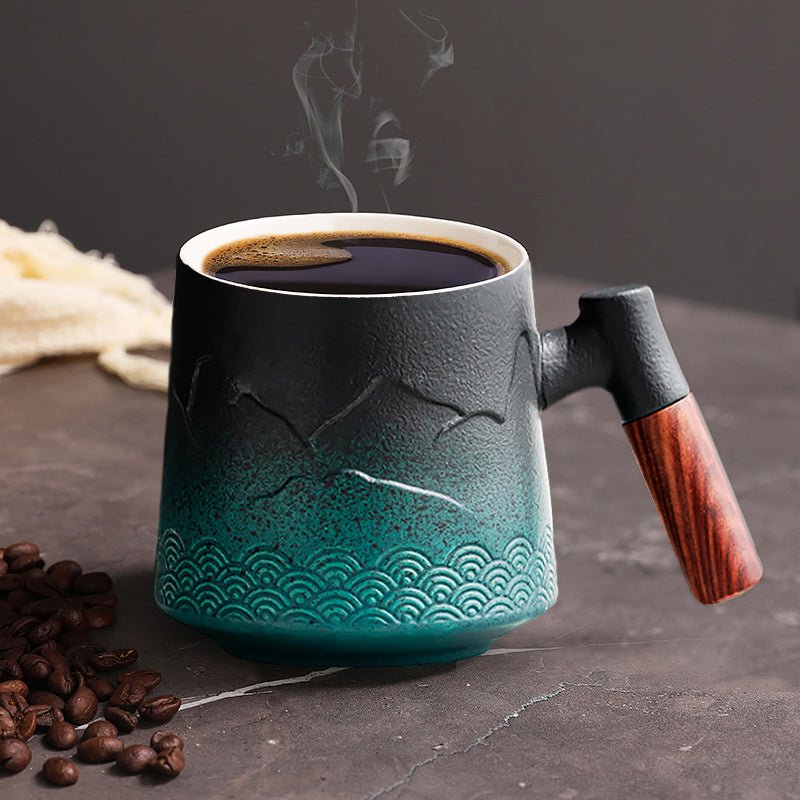
Handle Cup Buying Guide: What to Check Before You Buy
A practical handle cup guide for shoppers comparing grip, material, and daily use. See which styles work best for coffee, tea, gifts, and low-fuss cleanup.
Подробнее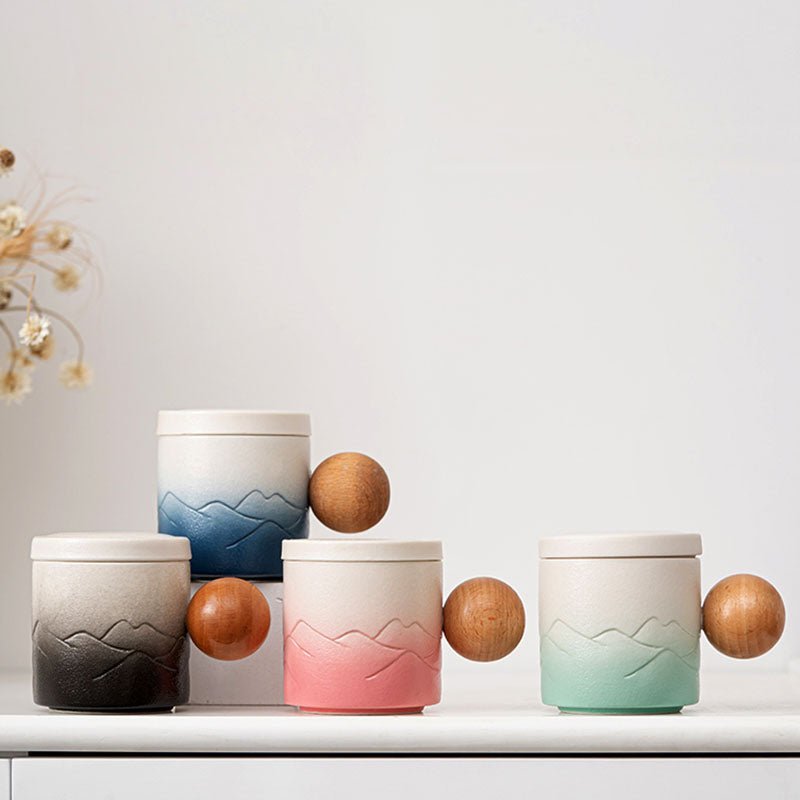
Giant Tea Mug Buying Guide for Size, Comfort, and Daily Use
A practical guide to choosing a giant tea mug for daily tea, desk use, or gifting. We cover comfort, stability, care, trade-offs, and which CoffeifyMug styles make sense.
Подробнее
Оставить комментарий
Этот веб-сайт защищается hCaptcha. Применяются Политика конфиденциальности и Условия использования hCaptcha.