
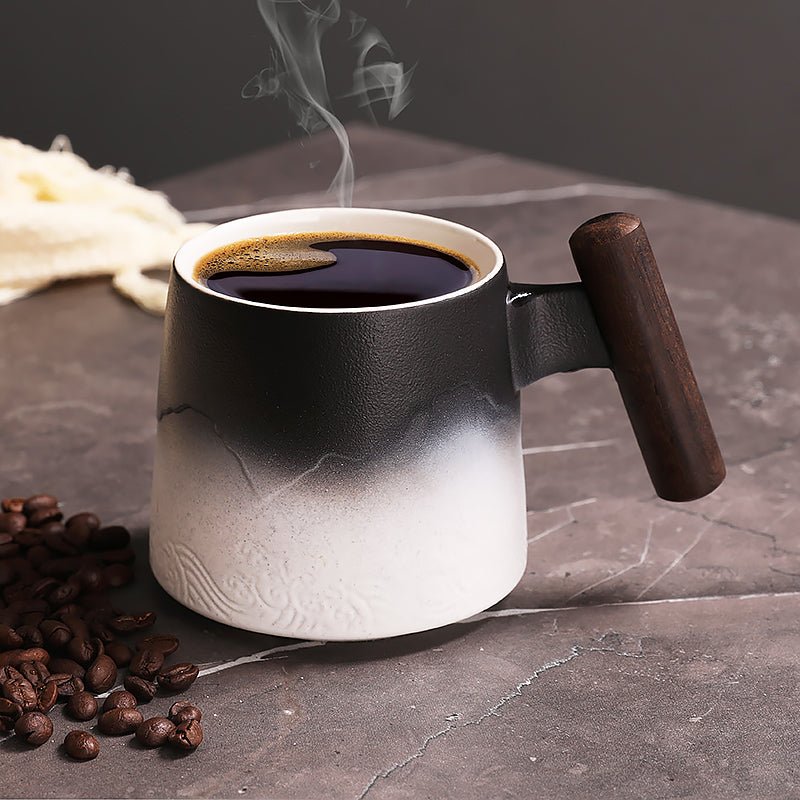
Average Coffee Mug Size: What Buyers Should Know Before Ordering
Reading time: about 9 minutes
The first thing people notice in our store is not the color or the print. It is size. A mug that looks perfect online can feel tiny under a drip machine, too tall for a cabinet shelf, or awkward in the hand once it arrives at your desk.
The average coffee mug size is usually around 8 to 12 ounces, with 11 oz being a very common everyday pick. That range works for most standard servings, but it is not a one-size-fits-all answer. If you drink long black coffee, a smaller cup may be fine. If you top off with milk, want room for foam, or hate refills, you may want to size up.
We handle a lot of mug orders at CoffeifyMug, and the same pattern shows up again and again: shoppers think they are buying a simple vessel, then realize the real decision is about comfort, fit, and use case. That is what this guide is for. If you want broader buying advice beyond size, our Standard Coffee Mug Size: What Buyers Should Know Before Ordering article is a good companion read.
What is the average coffee mug size in real use?
For most buyers, the average coffee mug size sits in the 8 to 12 oz range. That is the sweet spot for drip coffee, tea, and most office breakroom use. It is also the size that tends to fit under common single-serve coffee makers without drama.
Here is the practical breakdown we see most often:
- 8 oz — better for smaller pours, espresso drinks, or people who prefer less coffee at once.
- 10 to 12 oz — the most balanced everyday mug size for drip coffee and tea.
- 16 oz and above — better for larger lattes, iced drinks, or anyone who wants fewer refills.
That said, averages can be misleading. A mug labeled 12 oz may not be filled to the rim in real use. Most people leave a little headroom for splash control, especially if they are walking from kitchen to couch or carrying coffee from the office break area. If you want a deeper comparison of larger sizes, see our 16 Ounce Coffee Mug Buyer’s Guide: Size, Material, and Fit.
Why does a mug’s advertised ounce size not always match how it feels?
The number on the listing tells only part of the story. Two mugs with the same ounce rating can feel very different because of shape, wall thickness, and handle design.
Here are the details we look at in our store before we recommend a mug:
- Shape: A tall, narrow mug can hold the same volume as a short, wide one but feel more “full” sooner.
- Wall thickness: Thicker ceramic can keep heat a little longer, but it also makes the mug feel heavier in the hand.
- Handle clearance: A handle that is too tight is a common complaint, especially for larger hands or when the mug is hot.
We have also seen a simple issue surprise shoppers: a mug may technically be 12 oz, but if the interior curves inward sharply, the usable fill line feels smaller. That matters if you want a full cup under a coffee maker or plan to add milk, sugar, or foam.
Which mug size works best for different coffee drinks?
The right size depends on what you actually drink most days. A mug is not just a container; it affects temperature, portion, and how often you refill.
| Drink type | Usually fits best | Why it works |
|---|---|---|
| Black drip coffee | 8 to 12 oz | Simple portion, easier to finish before it cools |
| Latte or cappuccino | 12 to 16 oz | Leaves room for milk and foam |
| Tea | 8 to 12 oz | Comfortable serving size without overfilling |
| Iced coffee | 16 oz and up | More space for ice and mix-ins |
If you mostly drink straight coffee at a desk, a 10 or 11 oz mug is usually enough. If you drink at home and like a longer sip session, 16 oz can be more practical. For bigger pours, it helps to read a size-specific guide like our 20 oz Coffee Mug: What to Check Before You Buy or 24 oz Coffee Mug: What to Check Before You Buy.
What size mug do most people actually buy?
In practice, the most common everyday choice is the 11 to 12 oz mug. It is large enough for a regular coffee pour, small enough to fit on most counters and in most dishwasher racks, and versatile enough for both coffee and tea.
We see three common buyer profiles:
- The standard coffee drinker: wants a mug that feels normal, not oversized. This person usually ends up in the 11 to 12 oz range.
- The milk-addition drinker: needs a little extra room for cream, oat milk, or foam. This buyer often moves up to 14 to 16 oz.
- The compact-cup buyer: wants something easy to store, lightweight, and less likely to overpour. This person may prefer 8 oz.
If you are shopping for a gift, the mid-size range is usually the safest. It is hard to go wrong with a mug that works for coffee, tea, and hot chocolate. Our broader product selection is here if you want to compare styles and sizes side by side: our products.
How do you choose the right mug size for your cabinet, dishwasher, and coffee maker?
This is where many buyers get caught. A mug can be “average” on paper and still fail in the kitchen because of height or handle placement.
Before you buy, check these three fit points:
- Cabinet clearance: Tall mugs can block stacked shelves or force awkward storage.
- Dishwasher spacing: Wide handles and oversized rims may bump nearby dishes in a crowded rack.
- Coffee maker height: Some mugs will not fit under a single-serve machine once you place the drip tray or pod holder in position.
We have seen plenty of returns caused by one simple mismatch: the mug was the right ounce size but the wrong shape for the machine. A 12 oz mug with a tall profile can be less usable than a shorter 14 oz mug in a tight kitchen setup. That is why size and silhouette should be judged together, not separately.
What materials and construction details matter most at this size?
For average coffee mug size, the most common material is ceramic. It is sturdy, easy to clean, and familiar in daily use. But material affects more than appearance.
Concrete details we pay attention to:
- Ceramic glaze quality: A smooth glaze is easier to wash and less likely to hold coffee residue in fine surface texture.
- Rim shape: A rolled or slightly rounded rim usually feels better at the lip than a sharp edge.
- Handle attachment: The handle should feel secure where it joins the body, with enough room for two or three fingers depending on hand size.
We also tell buyers to think about daily care. If a mug is labeled dishwasher-safe, that is convenient, but repeated high-heat cycles can still show wear over time on prints, metallic accents, or delicate finishes. If you are choosing a mug as a daily driver, plain ceramic is often the least fussy option. Decorative pieces can be lovely, but they are not always the best choice for the microwave or for constant washing.
What size should you avoid if you want an everyday mug?
There is no bad size in isolation, but some sizes are less practical for certain buyers.
We would not recommend going too large if:
- You usually drink small servings and do not want coffee cooling halfway through.
- You have limited cabinet space or a narrow mug tree.
- You prefer lighter mugs and do not want extra weight in your hand.
We would not recommend going too small if:
- You add milk, foam, or syrup and want space to stir.
- You dislike refilling your cup every few minutes.
- You want a mug that feels substantial on a desk or shared kitchen counter.
That is why the average coffee mug size is only a starting point. The better question is: what size solves your daily coffee routine without causing a new annoyance?
Our store philosophy is simple: the best mug is the one that fits your drink, your machine, and your hand without asking you to think about it every morning.
How should you compare mugs before you buy?
If you are comparing options, use a short checklist. It saves time and helps you avoid the “looks good online, awkward at home” problem.
- Check the ounce rating. Start with 8, 11, 12, 16, 20, or 24 oz based on your usual drink.
- Look at mug height and width. Two mugs with the same volume can fit very differently in a cabinet or under a machine.
- Inspect the handle. Make sure it looks large enough for a comfortable grip.
- Review care notes. Dishwasher and microwave compatibility matter for daily use.
- Think about your drink style. Black coffee, milk drinks, and iced coffee call for different capacities.
If you want to compare our current mug selection quickly, start with the full collection and narrow by size from there. If you are leaning toward a smaller cup, our 8 oz Coffee Mug: What to Check Before You Buy guide can help you decide whether compact is actually the right move.
Frequently asked questions
What is the average coffee mug size in ounces?
The average coffee mug size is usually 8 to 12 oz, with 11 oz being a very common everyday option. That range works well for drip coffee, tea, and standard home use. If you like larger milk drinks or iced coffee, you may want to step up from that range.
Is a 12 oz mug considered a standard coffee mug?
Yes, 12 oz is commonly treated as a standard mug size. It is large enough for most regular coffee servings without feeling oversized. For many buyers, it is the safest all-around choice.
What size mug is best for coffee with milk?
A 12 to 16 oz mug usually works best if you add milk, cream, or foam. The extra room keeps spills down and gives you space to stir. If you make lattes or cappuccino-style drinks, 16 oz is often more comfortable.
Will a 16 oz mug fit under most coffee makers?
Sometimes, but not always. A 16 oz mug can be taller or wider than a standard mug, so clearance depends on the machine and the mug shape. Always check the height before buying if you plan to use it under a single-serve brewer.
What mug size is best for office use?
An 11 or 12 oz mug is usually the easiest office choice. It fits standard coffee servings and tends to be manageable in shared kitchens and dishwasher racks. If you drink slowly during long meetings, you may prefer 14 oz or larger.
If you are deciding right now, use this quick rule: choose 8 oz for compact servings, 11 to 12 oz for the usual everyday mug, and 16 oz if you want more room for milk or longer sipping. From there, compare the shape, handle, and care instructions before placing your order. You can browse our full selection at CoffeifyMug products or use the all collections page to find the size that actually fits your routine.
More from our blog
Read more
24 oz Coffee Mug: What to Check Before You Buy
A practical guide to choosing a 24 oz coffee mug for long desk sessions, oversized pours, and gift buyers who want a larger everyday cup. We cover material, handle comfort, weight, care, and the tr...
Подробнее
Personalized Picture Coffee Mugs: What Buyers Should Check Before Ordering
Personalized picture coffee mugs can be a great gift or desk upgrade, but the best choice depends on image quality, mug size, print method, and care. Here’s how we help shoppers compare options bef...
Подробнее
Оставить комментарий
Этот веб-сайт защищается hCaptcha. Применяются Политика конфиденциальности и Условия использования hCaptcha.