
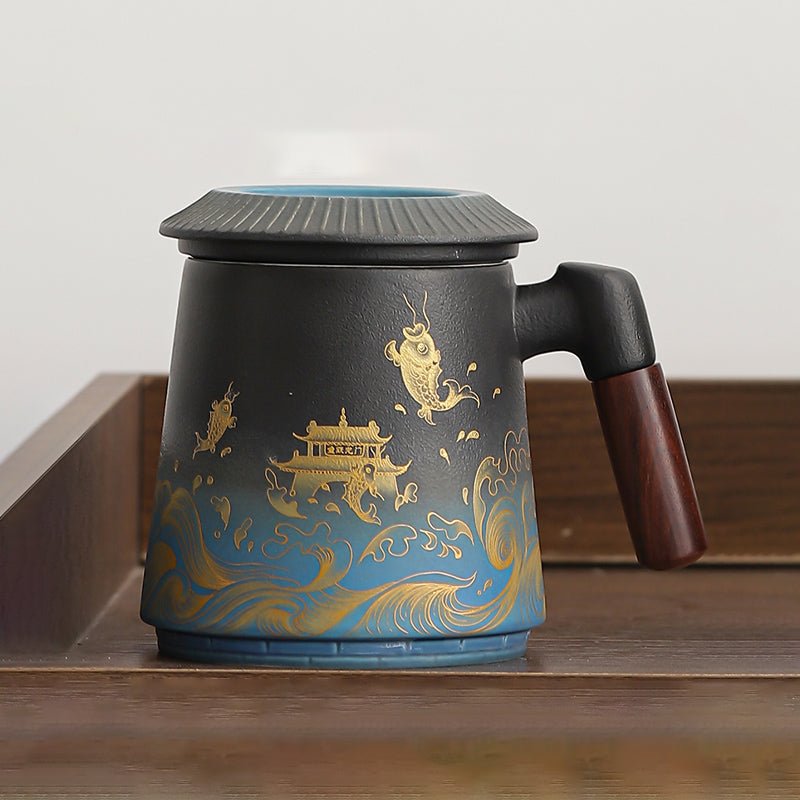
Art Coffee Mugs: How to Choose a Mug That Looks Good and Drinks Well
Reading time: about 9 minutes
A mug can look great in a product photo and still feel awkward every morning. We see that all the time with art coffee mugs: the print is beautiful, but the handle pinches, the rim feels too thin, or the finish starts showing wear after a few dishwasher cycles.
That is why we judge this category the same way customers use it at home. We look at how the mug sits on a kitchen counter, how it feels at a desk, how it washes, and whether the artwork still looks intentional after real use. If you are comparing options, start with the basics, then move to the details that separate a decorative mug from one you actually want to reach for.
For a closer look at one of our more visual designs, see the Koi Fish Coffee Tea Mug. If you want to browse the full range first, our all products collection is the fastest place to compare styles side by side.
What makes art coffee mugs different from regular mugs?
Art coffee mugs are chosen for the image as much as the cup itself. That sounds obvious, but it changes what matters. A plain white mug can hide minor flaws. An art mug cannot. Every curve, seam, and glaze variation sits right next to the design, so quality control matters more.
In our experience, the best art mugs balance two jobs at once:
- They display the artwork clearly without making the mug feel fragile or fussy.
- They still work as a daily drinkware item for coffee, tea, cocoa, or an office refill.
The practical differences usually come down to a few details:
- Material: Ceramic is the most common choice for art mugs because it holds heat well, feels substantial, and gives printed or painted artwork a clean surface.
- Rim shape: A smooth, even rim makes a big difference if you drink black coffee or tea without a lid.
- Handle clearance: A handle that fits three fingers comfortably is easier to use than one that looks sculptural but feels cramped.
- Finish: Gloss glaze gives artwork more pop, while matte finishes can look refined but may show scuffs differently over time.
That is why art coffee mugs are often the better choice for people buying a gift, refreshing a desk setup, or replacing a basic mug that never felt personal.
Which size works best for daily coffee?
Size is where a lot of shoppers get stuck. A mug can be beautiful and still be the wrong capacity for your routine. If you mostly drink drip coffee at home, a smaller mug may be enough. If you leave for work with a full pour, a larger body can be the difference between a clean fill and a sloshy rim.
We usually frame size this way for buyers:
| Size range | Best for | Trade-off |
|---|---|---|
| 10 oz | Smaller pours, espresso drinks with milk, tea | May feel too small for long mornings |
| 11 oz | Standard daily coffee and desk use | Not ideal if you want a very generous pour |
| 12 oz | Balanced everyday use, room for cream | Can feel bulky in smaller hands |
| 14 oz | Long meetings, tea, and bigger servings | Heavier when full and easier to overfill |
If you want more help comparing sizes, we break this down in our guides on 10 oz Coffee Mugs: How to Choose the Right One for Daily Use and 12 oz Coffee Mugs: How to Choose the Right Mug for Daily Use. Those are useful if you are deciding whether the mug is for espresso-based drinks, black coffee, or a more generous pour with milk.
For most shoppers, the sweet spot sits in the 11 oz to 12 oz range. It gives enough room for coffee without feeling oversized on a desk or kitchen shelf.
What details should you check before buying art coffee mugs?
The artwork gets attention first, but the build details decide whether you keep using the mug. We inspect these same points when we evaluate mugs for the store, because they tell you how the mug will behave after real handling, washing, and stacking.
- Handle comfort: Check whether the grip lets your fingers rest naturally. A handle that is too narrow feels worse after a full mug of hot coffee.
- Rim consistency: A clean, even drinking edge makes the mug feel better immediately. Rough glazing or a slightly uneven lip is easy to miss in photos but noticeable in hand.
- Artwork placement: The design should be centered and not cut off awkwardly near the handle seam unless that asymmetry is intentional.
- Glaze quality: Look for smooth coverage without pinholes, streaks, or dull spots that make the print look unfinished.
- Base stability: A flat, stable base matters on kitchen counters, office desks, and tray tables. A mug that rocks a little becomes annoying fast.
For art mugs, defect modes are often visual first and structural second. The issues we watch for are print misalignment, faint crazing in the glaze, handles that feel thin where they meet the body, and rims that are slightly out of round. None of those automatically make a mug unusable, but they do affect the buying decision if you want the mug to feel premium.
If your priority is a visual piece for the kitchen shelf, you can tolerate a little more personality in the glaze. If you need a mug for daily desk use, be stricter. That is the trade-off.
Are art coffee mugs good for gifts?
Yes, but only if the design matches the person and the mug feels good in hand. A decorative mug is easy to give. A mug someone actually uses is a better gift.
We see the best gift reactions when the mug has a clear theme or a calm visual identity rather than a random novelty print. The Koi Fish Coffee Tea Mug works well in that lane because it feels more considered than a generic novelty mug. It is the kind of piece that looks at home on a breakfast table or next to a laptop.
For gift buyers, we suggest checking these points before you order:
- Does the artwork suit the recipient's taste, not just yours?
- Is the size practical for the drinks they actually make?
- Will they prefer a mug for home use, desk use, or tea breaks?
- Does the finish feel elegant enough to give without extra explanation?
One limitation: art mugs are not the best gift if the person wants something feather-light, travel-friendly, or stackable for a crowded kitchen. In that case, a simpler everyday mug may be the better fit.
How should you care for an art mug so the design lasts?
Care matters more than most people expect. Even a solid ceramic mug can lose its best look if it gets tossed into a sink full of metal utensils or scrubbed with an abrasive pad every day.
Our store advice is simple:
- Wash gently with a soft sponge when you can.
- Avoid harsh abrasives on printed or glazed artwork.
- Let the mug dry fully before stacking it with heavier items.
- If the design uses metallic accents or special decoration, keep it out of the microwave unless the maker specifically says otherwise.
Dishwasher use can be fine for many ceramic mugs, but repeated high heat and aggressive detergent cycles are where artwork can begin to fade or the finish can look tired sooner. If you want a mug that holds its appearance for a long time, hand washing is the safer route.
This is also where art coffee mugs differ from plain stoneware. A simple mug can survive rough treatment more easily because there is less decorative surface to preserve. With an art mug, the image is part of the value. Protect it.
Which art mug styles work best for desks, kitchens, and tea drinkers?
Different buyers use mugs differently, and the best choice changes with the setting. A mug for a home office desk does not need the same profile as a mug for slow weekend tea.
Here is how we break it down for shoppers:
- Desk use: Choose a stable base, a comfortable handle, and a size that does not overpower a laptop and notebook. 11 oz and 12 oz tend to be the easiest to live with.
- Kitchen display: Prioritize the artwork and glaze finish. This is where art coffee mugs earn shelf space.
- Tea use: A slightly larger mug can help if you like longer steep times or more room for milk and honey.
- Gift use: Pick a design with broad appeal and a finish that feels polished out of the box.
If you are comparing art mugs with standard daily drinkware, our size-focused guides can help narrow the field, including 11 Ounce Coffee Mugs: Size, Fit, and Best Picks for Daily Use and 14 Ounce Coffee Mugs for Daily Coffee, Tea, and Desk Use. Those are especially useful if you care more about comfort and capacity than decorative style alone.
Not every art mug should be treated like a daily workhorse. Some are best kept for slower mornings, occasional tea, or display. That is not a weakness. It just means the mug is serving a different job.
Frequently asked questions
Are art coffee mugs safe for everyday use?
Most ceramic art coffee mugs are designed for everyday drinking, but the finish and decoration matter. We recommend checking whether the mug is intended for regular food and beverage use and whether the design has any special care limits. If you want a mug for daily desk coffee, choose one with a stable base and a comfortable handle.
Should I choose a ceramic art mug or a stainless steel mug?
Choose ceramic if you care most about the artwork, table presence, and a familiar coffee-drinking feel. Choose stainless steel if insulation and portability matter more than the visual design. An art coffee mug is usually the better pick for home, office, or gifting, while stainless steel is better for commuting and travel.
Do art coffee mugs hold heat as well as plain mugs?
Heat retention depends more on material and wall thickness than on the artwork itself. A thicker ceramic mug will usually stay warm longer than a thin one, but no decorative mug is a substitute for a lidded travel cup. If you sip slowly through long meetings, a larger mug may help reduce refills.
What size art mug is best for coffee with milk?
For coffee with milk, we usually suggest 12 oz or 14 oz so you have enough room for the base drink and the added dairy without coming right up to the rim. If you prefer smaller drinks or use a stronger ratio, 10 oz or 11 oz can still work well.
How do I know if an art mug will look good in person?
Look for clear photos of the mug from more than one angle and check how the artwork wraps around the body. Good mugs usually show a smooth glaze, a centered design, and a handle that looks proportionate to the cup. If you are still unsure, browsing our full collection of mugs helps you compare styles without guessing from one image alone.
If you want the safest next step, compare the mug against a simple checklist: size, handle comfort, glaze quality, and whether the design fits the person or space it is meant for. Then browse the full collection and pick the mug that works as a real cup first, art piece second.
Read more
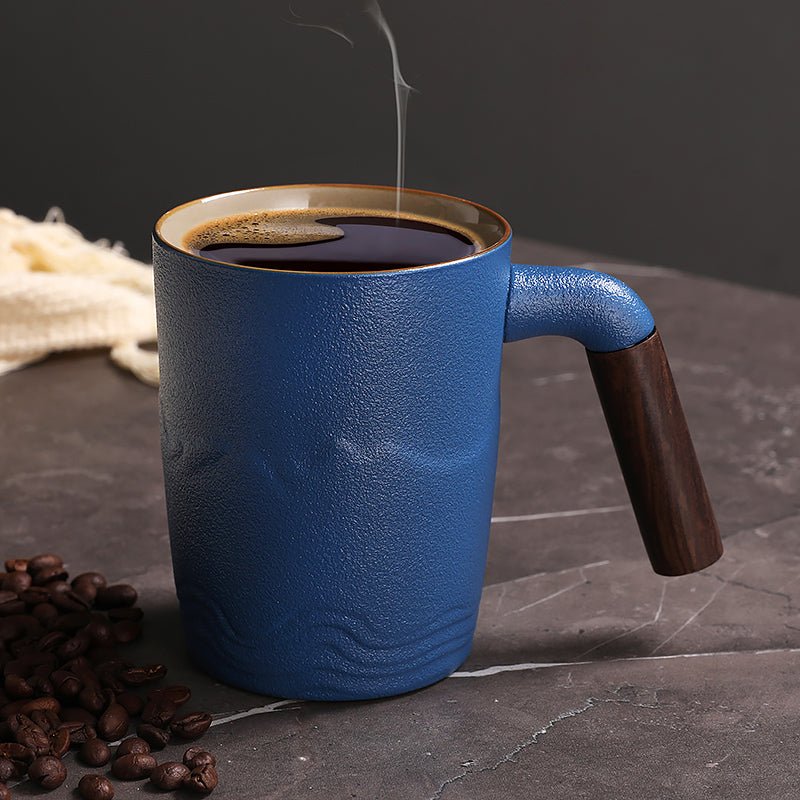
Lavender Coffee Mugs: Size, Style, and Buying Tips
A practical guide to lavender coffee mugs, with size guidance, finish checks, and the trade-offs that matter if you want a mug that looks good and works every day.
Подробнее
Coffee Mugs from China: What Buyers Should Check Before Ordering
A practical buyer’s guide to coffee mugs from China, focused on the details that affect daily use: glaze, handle comfort, rim finish, and care. Compare a few real store options before you choose.
Подробнее
Оставить комментарий
Этот веб-сайт защищается hCaptcha. Применяются Политика конфиденциальности и Условия использования hCaptcha.