
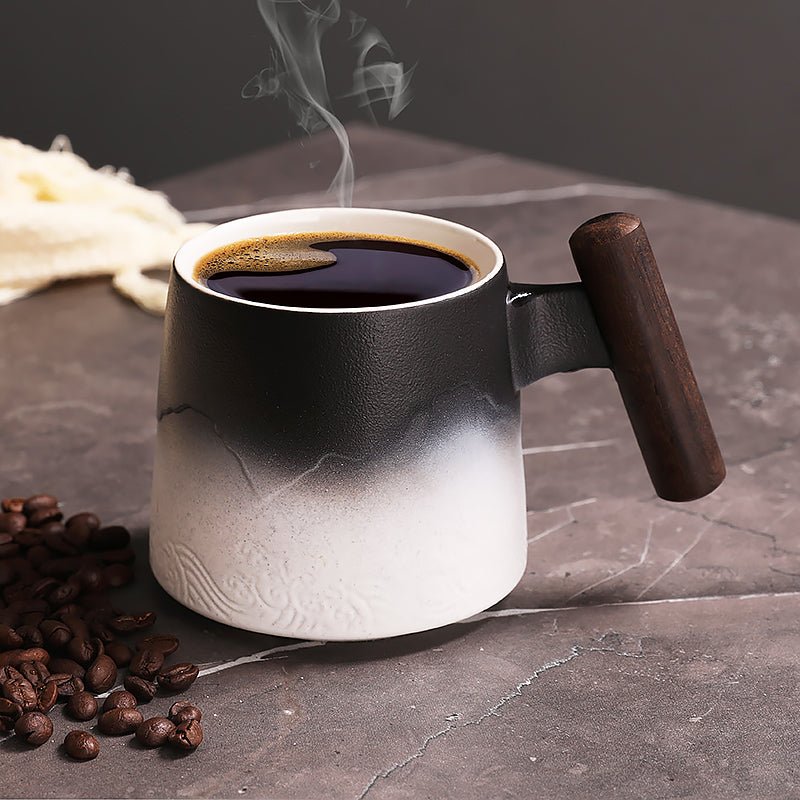
Antique Coffee Mugs: How to Choose One for Daily Use or Display
Reading time: about 11 minutes
The first thing we check on antique coffee mugs is the rim. A pretty pattern means very little if the lip feels rough in hand, the glaze has hairline cracks, or the handle is too small for a full grip. That is the kind of detail shoppers notice only after the mug has already reached the kitchen counter.
At CoffeifyMug, we look at mugs the way real buyers use them: on busy weekday mornings, on office desks, in gift boxes, and after a few dishwasher cycles. Antique coffee mugs can be charming, but they are not all equally practical. Some are meant to be displayed. Some can handle everyday coffee. Some are better left for shelf styling and occasional use.
This guide breaks down what to check before you buy, what the trade-offs are, and when a different style may suit you better. If you decide you want a more current everyday mug after comparing, our product selection and all collections are the easiest place to compare shapes, capacities, and finishes.
What makes antique coffee mugs worth buying?
People usually start with the look, but the value is in the details that hold up over time. Antique coffee mugs often appeal because they bring character you cannot fake: a slightly irregular glaze, a heavier base, a handle shape from a different era, or a logo and pattern that feels tied to a specific period.
That said, “antique” is not the same as “good for daily coffee.” Some older mugs have thinner glaze coverage on the rim, older ceramic bodies that show wear faster, or finishes that were made before modern expectations around microwave and dishwasher use. We see shoppers fall in love with a mug in photos, then realize the cup is small by current standards or too delicate for a desk setup.
In practice, the best antique coffee mugs tend to do one of two jobs well:
- Display-first pieces with strong visual character, even if they are hand-wash only.
- Everyday-leaning vintage pieces with a comfortable handle, intact glaze, and a size that actually fits your coffee routine.
If you like the broader history-and-style angle, our comparison post on American Made Coffee Mugs: How to Compare Materials, Sizes, and Everyday Use is useful for judging build quality, even if you are ultimately buying a newer mug.
How do you tell if an antique mug is usable or just decorative?
We treat this like a simple inspection at the sink. Hold the mug. Run a fingertip around the rim. Turn it under light and look for marks that do not show up in seller photos. Decorative and usable antique coffee mugs can look similar online, but the details separate them fast.
Here is the checklist we use in-store and recommend to shoppers:
- Check the rim and lip. Chips here affect comfort first. A tiny chip may be cosmetic on a shelf mug, but it becomes annoying on a mug you drink from every morning.
- Inspect the handle joint. Look where the handle meets the body. Fine cracks at the join are one of the most common failure points we see in older ceramics.
- Look for crazing versus cracks. Crazing is the fine webbing in the glaze. It can be part of the age and character, but open cracks are a different story and can collect residue.
- Test the balance in your hand. A mug that feels top-heavy or cramped is unpleasant on a desk, especially if you drink while working.
- Confirm capacity. Many older mugs are smaller than modern 12 oz or 16 oz daily drinkers. If you usually pour a full coffee from a drip machine, size matters more than style.
If capacity is a deal-breaker, our guides on 12 oz Coffee Mugs: What to Check Before You Buy and 16 oz Coffee Mugs: What to Check Before You Buy can help you compare the practical side of mug size before you commit to a vintage piece.
In our experience, the mug that looks best in a listing is not always the mug that gets used. The handle fit and rim condition usually decide that.
Which materials show up most often in antique coffee mugs?
Most antique coffee mugs you will see fall into a few common material groups. Knowing them helps you set expectations for weight, heat retention, and care.
| Material | What it feels like | Common trade-off |
|---|---|---|
| Earthenware | Warm, classic, often slightly more porous | Can chip easier and usually needs gentler care |
| Stoneware | Heavier, sturdy, good heat retention | Can still have glaze wear or rim chips from age |
| Porcelain | Lighter, finer, often more refined in hand | Can be delicate if the piece is thin or old |
| Bone china | Lightweight and elegant | Often not the best choice if you want a rugged daily mug |
We like stoneware for everyday use because it generally feels more stable on a kitchen counter or office desk. Earthenware and porcelain can still be lovely, but you need to be more careful with temperature shock, stacking, and rough sink handling. If a seller cannot clearly identify the material, that is a warning sign for a buyer who wants routine use instead of pure display.
Material also affects how a mug ages. A thicker stoneware mug can hide minor wear better, while a thin porcelain mug may show tiny chips faster around the lip or handle edge. That is not a defect of the style. It is just the reality of the category.
What size works best for coffee, tea, or display shelves?
Size is one of the easiest places to get disappointed. Antique coffee mugs may look generously sized in photos, but many were made for smaller servings than what people pour today.
For a buyer deciding between display and daily use, this is the practical breakdown:
- Smaller mugs are often better for espresso drinks, tea, or shelf displays where proportion matters more than volume.
- Mid-size mugs tend to work best for standard drip coffee and most desk setups.
- Larger mugs are useful if you want fewer refills, but they can feel bulky and may be awkward if the handle is small.
If you are shopping because you want a mug that behaves more like a modern daily cup, our large-capacity guides can help you compare the practical side of bigger mugs: 20 Ounce Coffee Mugs: What Buyers Should Check Before Ordering and A buyer's guide to large capacity coffee mugs.
We usually tell shoppers to think about the mug in the place it will live. On a desk, a slimmer mug with a stable base matters. In a cupboard, stacking shape matters. On an open shelf, the profile and glaze pattern may matter more than capacity. Antique coffee mugs are not one-size-fits-all, and that is part of their appeal.
What flaws should you look for before buying antique coffee mugs online?
Photos can hide a lot. A mug can look pristine from the front and still have problems on the backside, under the handle, or around the foot ring. When we review drinkware, these are the defect modes we pay attention to first:
- Hairline cracks in the body or handle joint
- Rim chips that affect drinking comfort
- Glaze crazing that is heavy enough to trap residue
- Discoloration inside the cup that does not wash out easily
- Uneven base wear that makes the mug wobble on a flat surface
Not every flaw makes a mug unusable. A light glaze line or minor shelf wear may be acceptable if the piece is for display. But if you want a daily coffee mug, we would pass on anything with structural cracking, a rough drinking edge, or a handle that flexes under load.
One more practical point: older mugs may not always suit microwave or dishwasher use. We would not assume either unless the seller states it clearly. For a mug that will go straight from the shelf to the dishwasher after a workday, a newer option is usually the safer buy.
How should you clean and care for an antique mug?
Care depends on age, glaze condition, and whether the piece has visible wear. We recommend a gentler routine than you would use for a modern everyday mug.
- Wash by hand first with mild soap and warm water.
- Use a soft sponge instead of anything abrasive.
- Dry fully before putting the mug away to reduce lingering moisture in crazed glaze lines.
- Avoid sudden temperature changes if the piece feels thin or shows age-related wear.
- Do not stack loosely unless you are sure the rims will not rub against each other.
If you are buying a mug you expect to run through the dishwasher several times a week, antique coffee mugs are often not the best fit. A newer ceramic mug with a clear care label will usually be easier to live with. That is the trade-off shoppers should hear honestly.
For comparison, shoppers who want a mug based more on everyday use than vintage character often end up happier with a clean, durable modern shape from our all collections page, especially if they want something they can wash without worry.
Are antique coffee mugs good gifts?
They can be, but only if you know the recipient’s habits. Antique coffee mugs make strong gifts for people who like collecting, display shelves, cabin-style kitchens, or sentimental pieces with visible history. They are less reliable for someone who just wants a mug for work and does not care about vintage character.
We see the best gift results when the buyer thinks through three things:
- Will they use it daily or display it?
- Do they prefer delicate or sturdy pieces?
- Are they likely to hand wash it?
A vintage mug can feel personal and thoughtful. But it can also feel fussy if the recipient is the type to toss everything into the dishwasher without thinking. If you are unsure, a well-made modern mug from CoffeifyMug may be the safer gift because it gives you the charm of good design without the care concerns.
If the gift angle matters to you, pair the mug with coffee beans, a small spoon, or a note explaining why you picked that specific style. The story often matters as much as the mug itself.
How do antique mugs compare with newer mugs for everyday coffee?
For everyday use, newer mugs usually win on convenience. Antique coffee mugs usually win on character. That is the honest split.
Here is the simple comparison we give buyers:
- Choose antique coffee mugs if you want shelf presence, a one-of-a-kind feel, or a piece with history.
- Choose newer mugs if you want dishwasher-friendly routine use, predictable size, and fewer condition surprises.
- Choose large modern mugs if you need a mug that fits your regular coffee pour without guesswork.
If you are still comparing styles after reading this, our article on Amazon Coffee Mugs: How to Compare Materials, Sizes, and Everyday Use is a useful cross-check because it focuses on the same practical questions shoppers ask here: material, comfort, and real use. The difference is that antique mugs add condition risk on top of those basics.
That does not make antique coffee mugs a bad buy. It just means they reward shoppers who know what they are checking.
Frequently asked questions
Are antique coffee mugs safe to drink from?
Usually, yes, if the mug is intact and free of structural cracks or heavy damage. We would avoid any piece with visible cracks, a chipped drinking rim, or unknown finishes that show significant wear inside the cup. If you are buying from a seller, ask for clear photos of the rim, handle joint, and interior.
Can antique coffee mugs go in the dishwasher?
We would not assume that they can. Many older mugs are better hand-washed because age, glaze wear, and printed decoration can all be affected by repeated dishwasher cycles. If a seller does not explicitly say dishwasher safe, treat it as hand-wash only.
What size antique coffee mug should I buy for daily coffee?
For most people, a mid-size mug is the safest starting point because it balances comfort and capacity. Smaller antique mugs are nice for display or tea, while oversized pieces can feel awkward if the handle is narrow or the mug is heavy. If you already know you prefer bigger pours, compare against modern 16 oz or 20 oz options first.
How can I tell if an antique mug is just vintage or truly antique?
That depends on age, maker marks, and the seller’s documentation. Many listings use “antique” loosely, so we recommend checking the backstamp, pattern details, and condition notes instead of relying on the headline alone. If the seller cannot explain the age clearly, assume it may be vintage rather than antique.
Are antique coffee mugs good for office desks?
They can be, but only if the base is stable and the handle is comfortable for one-handed use. On a desk, we would prioritize balance and rim condition over decoration. If you drink coffee while typing, a sturdy modern mug may be the easier choice.
If you want to keep comparing before you buy, use this quick checklist: confirm the rim is smooth, check the handle joint, verify the capacity, and decide whether you want display value or daily use. If daily use matters more, browse our products and compare against the modern mug styles there before you commit to an antique piece.
More from our blog
Read more
RTIC Coffee Mug: What Buyers Should Check Before Choosing One
A practical buyer’s guide to the RTIC coffee mug category, with the details that matter on real desks, in car cup holders, and through dishwasher cycles. We break down size, insulation, lids, clean...
Подробнее
Double Walled Coffee Mugs: What Buyers Should Check Before Buying
Double walled coffee mugs can keep a drink comfortable to hold and help coffee stay hot longer, but the details matter. Here’s what we check in our store before we recommend one.
Подробнее
Оставить комментарий
Этот веб-сайт защищается hCaptcha. Применяются Политика конфиденциальности и Условия использования hCaptcha.