
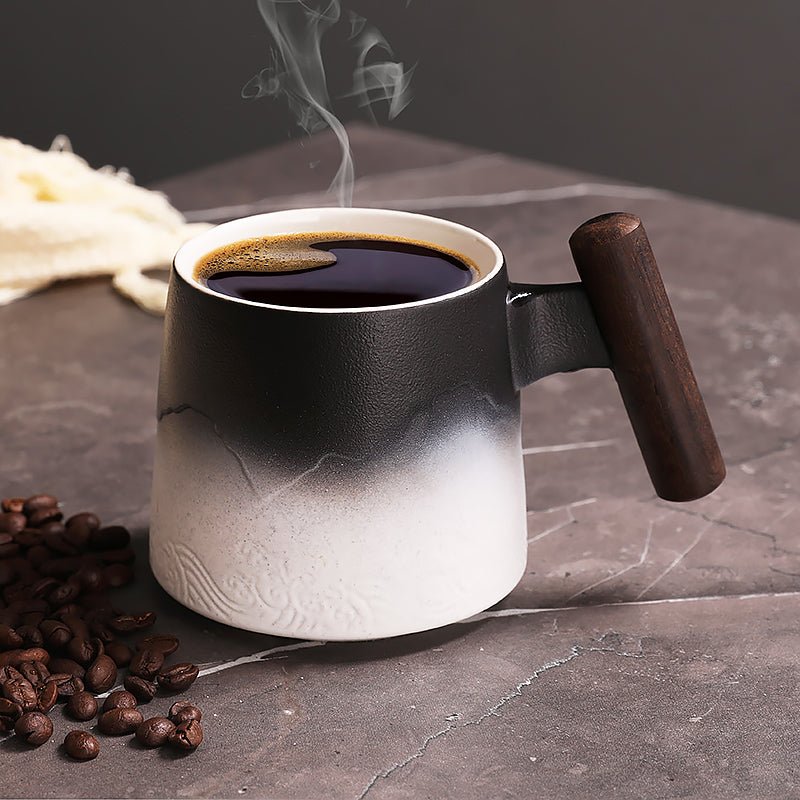
Anthropologie Coffee Mugs: How to Compare Style, Size, and Everyday Use
Reading time: about 10 minutes
One mug looks perfect on a shelf and feels awkward in hand. That is the point where most shoppers get stuck with anthropologie coffee mugs: they want the handmade look, but they also want a cup that works on a real kitchen counter, in a dishwasher, and during a rushed Monday morning.
We handle a lot of decorative everyday mugs in our store, and the same questions come up again and again. Is the glaze smooth or does it show pinholes? Is the handle big enough for three fingers? Will a 12 oz mug feel right for a normal drip coffee, or is a 16 oz shape better for lattes and longer sips? Those details matter more than the floral print or the color name.
If you are comparing styles before you buy, this guide breaks down what to check, where the trade-offs are, and which mug type is better for daily use versus display.
What makes anthropologie coffee mugs appealing in the first place?
People usually shop this style because they want something more expressive than a plain white mug. The appeal is the mix of tactile ceramic, hand-finished details, and patterns that make a morning cup feel a little more personal. In our experience, buyers often want a mug that can sit on an open shelf without looking too plain, but still feels comfortable enough for daily use.
That balance is the hard part. Decorative mugs can look beautiful and still be a poor fit if the handle is too narrow, the rim is too thick, or the mug is heavier than expected when filled with coffee. A mug that photographs well is not always the mug people reach for every day.
For shoppers comparing broad options, our all collections page is the best place to see the range we stock before narrowing down by size or style.
What size should you choose for coffee, tea, or a desk mug?
Size changes how the mug actually feels in use. A compact cup can be great for a quick espresso drink or a small pour of drip coffee, but it may not suit someone who likes a full 12 to 16 oz serving. On the other hand, larger mugs can feel bulky on a desk and harder to clean if you often hand-wash.
We usually tell shoppers to match the mug to the drink, not the other way around. If your coffee routine includes cream, foam, or room for topping off, a 16 oz shape is often more practical. If you want a tighter, more balanced cup that does not cool too slowly or feel oversized in the hand, 12 oz is usually the better call.
For a deeper breakdown of capacity trade-offs, we also have separate guides on 12 oz coffee mugs and 16 oz coffee mugs. If you regularly pour larger servings, the guide on 20 ounce coffee mugs is worth a look too.
| Size | Best for | Trade-off |
|---|---|---|
| 12 oz | Standard coffee, tea, smaller hands, shelf-friendly display | Less room for milk or add-ins |
| 16 oz | Large drip coffee, lattes, longer work sessions | Can feel heavy when full |
| 20 oz | Very large pours, cold mornings, desk use | Bulkier and less refined for smaller servings |
What materials and finishes should you check before buying?
Most anthropologie coffee mugs are ceramic or stoneware in appearance and feel, and that is a good thing for everyday use if the build is solid. Ceramic usually gives you a smoother finish and a more refined look. Stoneware tends to feel a little denser and more durable in the hand, though it can also be heavier.
Here is what we check in our store when evaluating decorative mugs:
- Rim feel: a mug should not feel sharp or uneven where your lip meets the glaze.
- Glaze consistency: small speckles can be part of the design, but rough spots, bubbles, or unglazed patches deserve a closer look.
- Handle attachment: the handle should feel secure and leave enough room for your fingers without pinching.
- Base finish: a slightly rough foot ring is normal on many ceramic mugs, but it should not scratch counters or wobble on a flat surface.
Some decorative mugs are hand-finished, which is part of the charm. The trade-off is that each mug may vary slightly in pattern placement, color depth, or glaze texture. That is not a defect by itself. It does mean you should expect minor differences, especially if you are buying a matching set.
If you prefer a straightforward explanation of ceramic construction, our ceramic coffee mugs buying guide covers the practical checks we use before we list anything in our store.
How do you tell if a mug will feel good in daily use?
A mug can be attractive and still annoying after a week of use. The main comfort points are simple: handle size, weight, balance, and rim thickness. We pay attention to how the mug sits when half full, because that is when most people notice whether it feels balanced or top-heavy.
In real life, this shows up at the kitchen sink, the office desk, and the microwave. A wide mug with a tiny handle can be hard to hold after a fresh pour. A very thick-walled mug may keep heat longer, but it can also feel bulky if you like to cup your hand around it. A narrow base may look elegant, but it can be less stable on a crowded desk.
Practical comfort checklist:
- Can you fit two to three fingers through the handle comfortably?
- Does the mug feel stable when set down empty and full?
- Is the rim smooth enough for everyday sipping?
- Does the weight still feel manageable once it is filled with coffee or tea?
For shoppers who want a mug for a desk setup, we often point them to the kinds of pieces discussed in our best coffee mugs for daily use, gifts, and office desks article because that use case has different priorities than kitchen display.
What care and durability checks matter most?
Decorative mugs live a hard life. They go from cabinet to sink to dishwasher to microwave to desk, and that is where flaws tend to show up. In our experience, the common weak points are not dramatic. They are small issues that become annoying over time: fading print, chipped rims, a handle that cracks after repeated temperature swings, or glaze wear on the base.
Before buying, check the care instructions and assume they matter. If a mug is marketed as dishwasher-safe, it still helps to think about where the decoration sits. Raised decals, metallic accents, and very glossy printed finishes can wear faster than a simple glaze over ceramic. If you use a mug every day, the best option is usually the one that can handle repeated washing without needing special treatment.
We also recommend thinking about where the mug will be used most:
- Kitchen use: prioritize sturdiness and easy cleaning.
- Office use: prioritize handle comfort and spill stability.
- Gift use: prioritize style, presentation, and a size that feels broadly useful.
Our store tends to favor mugs that can earn their place on the counter, not just in a gift box. If a mug needs too much handling care for daily coffee, it may be better as a display piece than a workhorse.
Which styles are best for gifts, and which are better for everyday use?
A gift mug should feel special at first glance. A daily mug should disappear into routine in the best possible way. Those are not always the same product.
For gifting, people usually respond to visual detail: hand-painted style patterns, floral or textured finishes, and colors that feel seasonal or personal. For everyday use, simpler glazes, a comfortable handle, and a reliable size often matter more than novelty. If you are buying for someone else, ask yourself whether the mug suits their coffee habit or just your taste.
Gift-friendly mugs tend to have:
- Distinctive color or pattern
- Presentation-ready look straight out of the box
- Medium size that works for coffee, tea, or cocoa
Everyday-use mugs tend to have:
- Comfortable handle spacing
- Stable base and balanced weight
- Finish that is easy to wash and reuse
If you are comparing styles for both use cases, our broader piece on best coffee mugs for daily use, gifts, and office desks is a useful companion read.
What are the common drawbacks of decorative mugs?
Decorative mugs are not the best fit for every shopper. Some are heavier than expected, some are too small for a large morning pour, and some have decorative elements that make them harder to care for. A mug with a highly textured surface may look charming on a shelf but be less pleasant to wash by hand every day. A very narrow handle may look elegant but feel cramped if you use thick mugs or larger hands need a full grip.
They are also not the best choice if you want perfectly identical cups for a matched set. Hand-finished ceramic often has small variation, and that variation is part of the appeal. If you need absolute consistency, a plain, machine-finished mug may be the better buy.
We would also steer some shoppers away from decorative mugs if they:
- Need a mug primarily for travel or commuting
- Prefer lightweight drinkware over a substantial ceramic feel
- Want the easiest possible dishwashing and stacking setup
For people with a lot of cabinet storage constraints, the large-format buying guide on big coffee mugs for daily use can help you decide if a larger style is actually practical.
How do our shoppers usually compare options before buying?
The shoppers who are happiest with their mug purchase usually compare less on looks and more on fit. They ask: does it match my coffee routine, my storage space, and the way I wash dishes? That approach avoids a lot of regret later.
In our store, we encourage buyers to compare these four points side by side:
- Capacity: 12 oz, 16 oz, or larger?
- Material: ceramic, stoneware, or another finish?
- Handle comfort: room for your hand, especially if you drink hot coffee fast?
- Care: dishwasher-friendly or better as a hand-wash item?
If you want to browse our current assortment after reading this, start with our products page. We group items so it is easier to compare shape, size, and style without guessing from a single photo.
Frequently asked questions
Are anthropologie coffee mugs usually good for everyday use?
Many are, but the best everyday pick depends on the handle, weight, and finish. A pretty mug that is comfortable to hold and easy to clean can work very well on a daily basis. If the mug has delicate decoration or a narrow handle, it may be better as a display or occasional-use piece.
What size anthropologie coffee mug is best for a standard cup of coffee?
For most regular drip coffee drinkers, 12 oz or 16 oz are the most practical sizes. Twelve ounces feels balanced and compact, while 16 oz gives more room for milk, cream, or a longer pour. If you like very large servings, 20 oz may suit you better, but it can feel bulky for everyday shelf use.
How can I tell if a decorative ceramic mug is well made?
Check the rim for smoothness, the handle for comfortable spacing, and the base for stability. Minor variation in glaze or pattern can be normal, especially with hand-finished pieces. What you want to avoid are rough edges, wobbling, or visible weak points where the handle joins the body.
Are decorative coffee mugs hard to clean?
They can be, depending on the surface and decoration. Smooth glazed ceramic is usually easy to clean, but textured finishes, raised details, or metallic accents may need gentler washing. If you want the lowest-maintenance option, choose a simple glazed mug with dishwasher-friendly care instructions.
Should I buy a mug for display or for daily use?
If you mostly want visual impact on an open shelf, choose the style that makes you happy to see every day. If the mug will live near the coffee maker and go through regular washing, prioritize comfort and durability first. The wrong choice is usually a mug that looks great but is too awkward to reach for again.
If you want to compare more options side by side, start with our collection of all mugs, then use the size-focused guides above to narrow down the best fit for your kitchen, desk, or gift list.
More from our blog
Read more
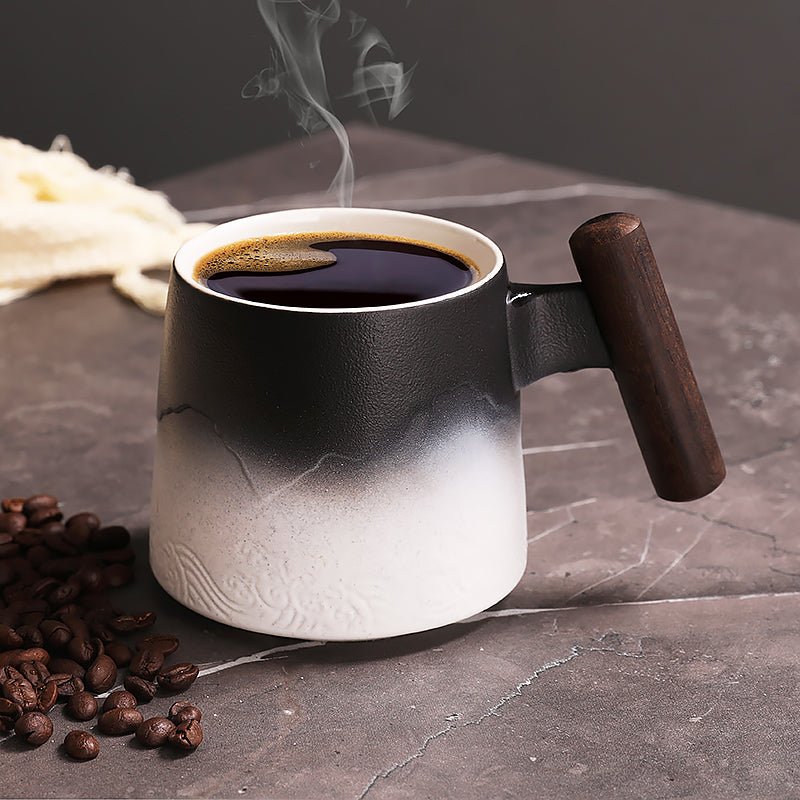
Rae Dunn Coffee Mugs: What to Check Before You Buy
Rae Dunn coffee mugs can be a strong fit for farmhouse-style kitchens, but size, handle comfort, and glaze quality decide whether they work for daily use. We break down the details shoppers should ...
Подробнее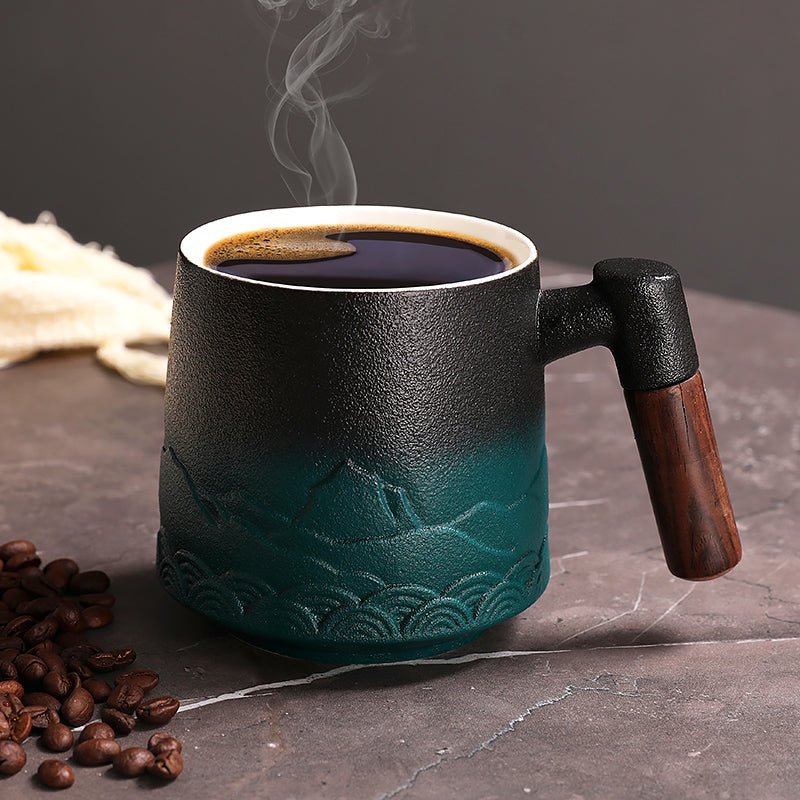
Autumn Coffee Mugs: How to Choose the Right Cup for Cozy Season
A practical guide to autumn coffee mugs, including the materials, sizes, and finishes that work best for slow mornings, desk coffee, and gifting. We cover real trade-offs so you can choose a mug th...
Подробнее
Оставить комментарий
Этот веб-сайт защищается hCaptcha. Применяются Политика конфиденциальности и Условия использования hCaptcha.