
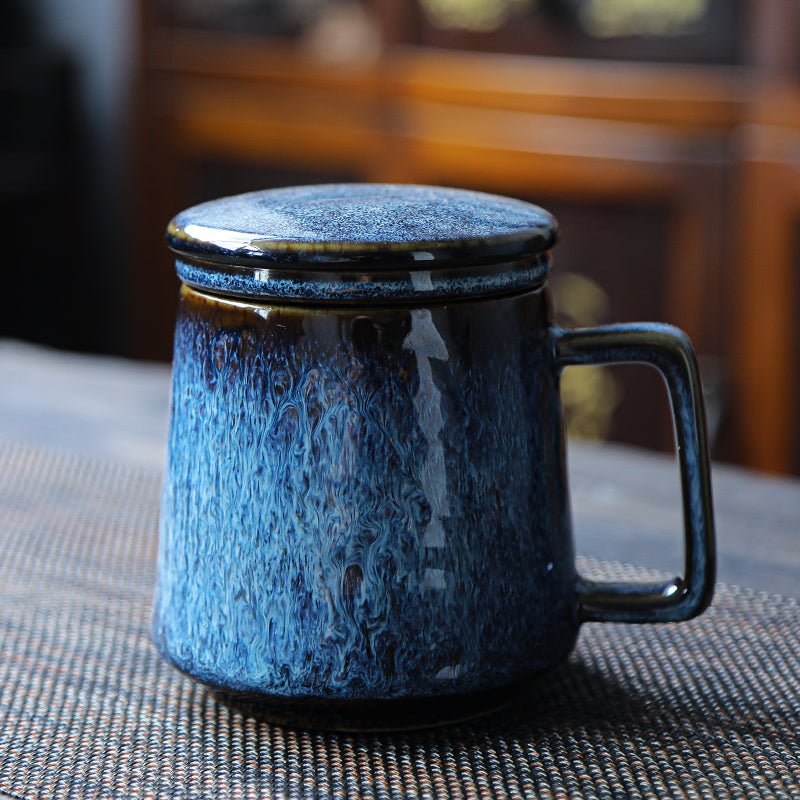
14 Ounce Coffee Mugs: What to Check Before You Buy
Reading time: about 8 minutes
A 14 ounce mug looks simple on paper. On a kitchen counter, though, the difference between a good one and a frustrating one shows up fast: too shallow and coffee cools quicker, too heavy and it feels awkward at a desk, too small and the foam from a cappuccino rides the rim. In our store, we see shoppers choose this size because it sits in the middle - enough room for a proper pour, not so much that every refill feels excessive.
What does a 14 ounce coffee mug fit in real life?
Think of 14 ounce coffee mugs as a practical everyday size, not a novelty size. They usually work best for a standard drip coffee with a little room left for milk or cream, or for tea and hot chocolate when you do not want a bowl-like mug. The real value is flexibility: you can pour a full mug without committing to a giant vessel that takes over your hand.
In daily use, we see this size fit a few common routines:
- A desk mug that holds one good pour without constant trips back to the brewer.
- A breakfast mug that handles coffee plus milk, sugar, or foam without flirting with the rim.
- A gift mug that feels substantial when unboxed, not tiny or overly oversized.
- A kitchen shelf mug that still stacks and stores more easily than a much larger 18 to 20 ounce piece.
If you want the sizing logic behind that middle ground, our 14 Ounce Coffee Mugs: Size, Fit, and Buying Guide goes deeper into capacity and shape. For shoppers deciding whether to step up, the 16 Ounce Coffee Mugs for Daily Use: Size, Fit, and Shape Guide and 20 Ounce Coffee Mugs: Fit, Shape, and Buying Guide are the next comparison points.
Which materials and shapes work best for daily use?
Material changes how a mug feels before the first sip. A 14 ounce mug in stoneware usually feels more grounded and sturdy in the hand. Porcelain tends to feel lighter and a little more refined at the rim. Glazed ceramic sits in the middle and is often the most familiar everyday choice for shoppers who want a simple mug that survives routine use.
Shape matters just as much. A wider, shorter mug can feel more open and easier to sip from, while a taller shape may retain heat a little longer and use less shelf space. We also pay attention to the handle: it should clear at least a few fingers comfortably, not pinch the knuckles or force you to grip the mug by the body.
| Buyer check | Why it matters | What we look for |
|---|---|---|
| Material | Changes weight, rim feel, and how sturdy the mug feels on a desk | Stoneware for a heavier, grounded feel; porcelain for a lighter feel; glazed ceramic for a familiar middle ground |
| Rim thickness | Affects comfort and drinking experience | A smooth rim with no rough glaze edges or pinholes |
| Foot ring | Controls stability on tile, wood, and office desks | A level base that does not wobble when the mug is empty |
| Handle clearance | Determines whether the mug is easy to lift with a full pour | Enough room for two to four fingers without scraping the mug body |
The trade-off is straightforward: the more decorative or delicate the mug looks, the more carefully you should check the finish. A thin rim, glossy glaze, or fine decal can look great on a shelf, but it may not be the best pick if the mug will live in a crowded sink or get loaded into a dishwasher every day.
How do our mug options compare?
If you are comparing mug styles in our store, start with the Mountain Coffee Tea Mug, the Great Mountain Coffee Tea Mug, and the Emerald Coffee Tea Mug. We recommend opening those pages side by side and checking the mug profile, handle feel, and finish rather than choosing from the thumbnail alone.
Our all mugs collection is the easiest place to compare finishes and styles in one pass. That matters because a mug that looks right in a photo can feel different in the hand once you compare height, wall thickness, and handle shape.
As a practical shorthand, here is how shoppers usually sort the options:
- Choose the mug that looks easiest to hold. A comfortable handle is more valuable than a dramatic silhouette.
- Choose the mug that sits flat and stable. Wobble is a bigger annoyance than most buyers expect.
- Choose the mug with the cleanest glaze and rim. That is what you see and feel every morning.
What should you inspect before ordering?
We handle a lot of mugs, and the same issues come up again and again. None of them are glamorous, but they decide whether a mug becomes a daily favorite or stays in the cabinet.
- Check the rim. A rough rim, tiny chip, or uneven glaze line is easy to miss in photos and very noticeable at first sip.
- Check the base. An uneven foot ring can make a mug rock slightly on a counter or tray.
- Check the handle opening. If the opening is too tight, the mug will feel awkward once it is full.
- Check the interior glaze. A smooth interior is easier to rinse and less likely to hold coffee staining.
- Check the care notes. If the product page says dishwasher safe or microwave safe, that still does not mean every decoration will wear the same way after repeated cycles.
Common defect modes in this category are predictable: hairline crazing from thermal shock, tiny glaze pits near the rim, a handle that feels sharp where it joins the body, or a foot ring that is not fully smoothed before firing. Those are the details that matter when the mug is used every single day, not just photographed on a shelf.
If you want help checking size against other common mug classes, the 12 Ounce Coffee Mug Buying Guide for Daily Use and Better Fit is useful for smaller pours, especially if you are comparing a compact desk mug with a more generous 14 ounce shape.
Is 14 ounces the right size for coffee, tea, or office use?
For most daily drinkers, 14 ounces is the point where a mug stops feeling tiny without turning into a large handled bowl. It works well for coffee with milk, tea that you like to brew generously, and hot chocolate with a bit of room at the top. It is also a good office size because it feels substantial on a desk without being so large that it gets in the way of a keyboard or notebook.
It is not the right choice for every buyer. If you routinely drink very large lattes, want enough volume for a long work session without refilling, or prefer to use one mug as a soup bowl and coffee cup, you will probably be happier with a larger format. If you want a compact mug that finishes quickly, 14 ounces may feel too generous.
Here is the practical comparison we use with shoppers:
- Versus 12 ounces: 14 ounces gives you more breathing room for milk and foam.
- Versus 16 ounces: 14 ounces usually feels easier to hold and store.
- Versus 20 ounces: 14 ounces is less bulky and usually more comfortable for everyday coffee.
How should you care for a 14 ounce mug so it lasts?
Good care is simple, but it matters. If the mug is dishwasher safe, place it where it will not get slammed by heavier cookware. If it is hand wash only, use a soft sponge and mild detergent rather than abrasive scrubbers. That keeps the glaze looking better and reduces the chance of dulling the surface over time.
We also recommend avoiding sudden temperature swings. A cold ceramic mug filled immediately with boiling liquid is a common way to stress the glaze. Letting the mug come to room temperature first is a small habit, but it helps, especially with thinner-walled mugs or pieces that have decorative exterior finishes.
- Rinse coffee and tea stains soon after use.
- Dry the foot ring before stacking to avoid sticking.
- Inspect the handle and rim occasionally for chips.
- Do not use a mug with visible cracking or deep crazing for hot drinks.
That is the part most shoppers do not see in product photos. A mug is not just a shape and a color. It is the daily wear points: rim, handle, base, glaze, and how it survives sink-to-dishwasher repetition.
Frequently asked questions
Is a 14 ounce coffee mug big enough for a latte?
Yes, for many home lattes it is a comfortable size because it leaves room for espresso and milk without spilling over. If you prefer a very milk-heavy drink or oversized foam, you may want to move up to a larger mug.
Will a 14 ounce mug fit under a standard drip coffee maker?
Usually, yes, but the deciding factor is the mug height, not the ounce count. Check the product photos and measurements if your brewer has tight clearance, especially on smaller single-serve stations or low-profile machines.
Are 14 ounce coffee mugs better than 12 ounce mugs for daily use?
For many shoppers, yes. The extra room makes the mug more forgiving for milk, cream, or a second splash of coffee, while still staying manageable on a desk or shelf. If you want a tighter, smaller cup, 12 ounces is still the better fit.
What mug material is easiest to keep clean?
A smooth glazed ceramic or porcelain mug is usually the easiest to rinse clean because coffee stains have fewer textured surfaces to cling to. We still recommend checking the interior finish, because a rough or uneven glaze can hold marks faster than a smooth one.
Are 14 ounce coffee mugs good for gifting?
Yes, especially if the mug has a clean profile and a comfortable handle. They feel substantial without being excessive, which makes them a safe gift size for people who drink coffee, tea, or hot chocolate.
If you want the fastest route to a good choice, open the all mugs collection, compare the handle feel and rim shape first, then use the questions above as your checklist. That will tell you more than the ounce number alone.
Read more
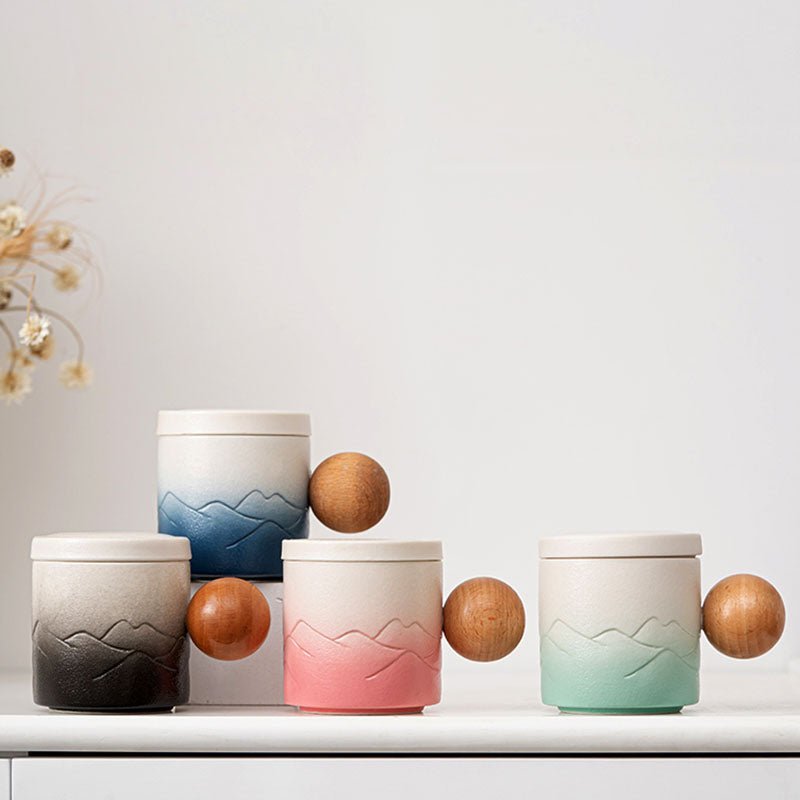
Rabbit Coffee Mugs: How to Choose the Right Mug for Daily Use
Rabbit coffee mugs can be cute without being impractical. We break down size, handle comfort, material trade-offs, and which styles work best for gifting or daily use.
Подробнее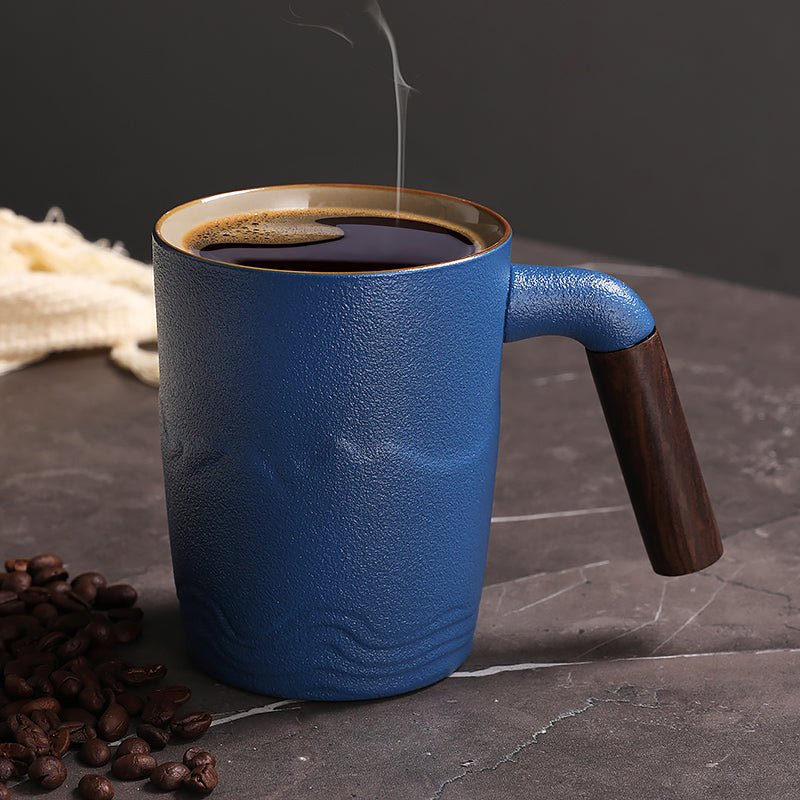
Dragon Coffee Mug Buying Guide: What to Check Before You Buy
A dragon coffee mug looks right at home on a desk or in a gift box, but the details decide whether it gets used every morning or sits on a shelf. We break down size, glaze, handle comfort, and care...
Подробнее
Оставить комментарий
Этот веб-сайт защищается hCaptcha. Применяются Политика конфиденциальности и Условия использования hCaptcha.