
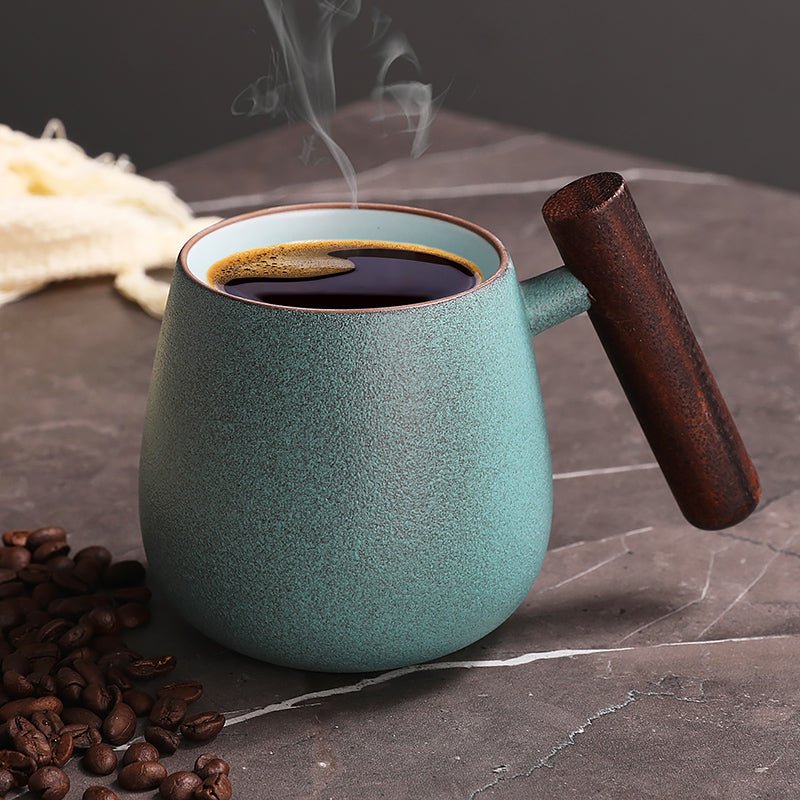
Yeti Travel Coffee Mug: What Buyers Should Check Before Ordering
Reading time: about 11 minutes
A travel mug that fits the car cup holder but leaks into a tote usually fails on the second morning, not the first. That is the point where a yeti travel coffee mug stops being a brand search and becomes a daily-use decision.
We see this in our store all the time. Shoppers are not just buying a mug; they are buying a routine that has to survive a kitchen counter rush, a desk bump, a commute, a gift unboxing, and a few dishwasher cycles without turning into a nuisance. The right mug should make coffee easier to carry, not add one more thing to think about.
If you are comparing options now, keep the decision grounded in how you actually drink coffee. A mug that works for a long highway drive may feel oversized at a small office desk. A mug that looks great in a gift box may still be annoying if the lid has too many small parts to wash later.
What should a Yeti travel coffee mug do on a weekday commute?
On an ordinary commute, the mug has three jobs. It needs to keep coffee hot long enough to matter, stay steady in a car cup holder, and open and close without drama when you are half awake. If any one of those fails, the mug starts losing value fast.
In practical terms, that means looking for a double-wall stainless steel body, a lid that seals predictably, and a shape that does not feel top-heavy when it is full. A narrow base usually sits better in the car. A wider body can feel more stable on a kitchen counter, but it can also crowd a laptop, a notebook, or a phone charger on a desk.
We also care about how a mug behaves after the first five minutes. A good commuter mug should not sweat on the outside, should not make the lid slippery after a few sips, and should not require a full teardown just to rinse it clean. If coffee splashes under the lid and dries there, the next use starts with stale odor instead of fresh coffee.
A mug that feels fine in the first hour can still be the wrong mug if the lid is awkward, the gasket traps coffee smell, or the shape never quite settles into the cup holder.
That is why we push shoppers to look past the logo and judge the actual use case. If you want a broader starting point, our products page is the fastest way to see what we currently carry, and the full collection lets you compare everything in one place.
Which build details matter most before you buy?
The details that matter most are often the ones that are easiest to overlook in product photos. The shell may look similar from one mug to another, but the lid, the seal, and the cleaning routine are where the real differences show up.
- Body material: 18/8 stainless steel is the standard we look for in this category because it is durable, resists flavor transfer better than plastic, and holds up to daily handling.
- Insulation style: Double-wall vacuum insulation is what makes a travel mug earn its keep. Single-wall mugs are lighter, but they lose heat faster and usually pick up exterior temperature more quickly.
- Lid and seal: A silicone gasket is useful only if it is actually inspectable and removable. Coffee oils collect around seals, especially if the mug is used with cream or sweetened coffee.
- Opening size: A sip opening that is too wide can splash on a moving commute; one that is too narrow can make cleaning harder and can affect how fast coffee pours through.
- Cleaning access: If the lid has channels, vents, or a sliding closure, make sure you are comfortable washing those parts after real use, not just after a rare deep clean.
Those points sound small until the mug starts smelling like old coffee, the lid feels gritty from trapped grounds, or the seal does not sit correctly after repeated washing. A lot of returns and complaints come from those exact failure modes, not from the steel body itself.
We also advise checking the care instructions before buying. Many stainless mugs are easy to rinse, but the lid may be top-rack only or may need hand-washing to preserve the fit of the gasket. If you want to compare current options while you read, the collection is the most useful place to start.
What size should you choose for your routine?
Size is one of the easiest places to make the wrong call. Bigger sounds safer, but a large mug can be awkward on a short commute, crowded desk, or small kitchen counter. Smaller sounds neat, but it may not hold enough coffee to get you through the morning.
We usually think about size based on the actual drink, not the label on the mug. A 12 oz mug is often better for a short drive and a single drip coffee. A 16 oz mug suits many daily coffee drinkers. A 20 oz mug makes more sense if you refill less often, travel longer, or want one mug that does double duty for coffee and iced drinks.
| Size | Best for | Watch out for |
|---|---|---|
| 10 to 12 oz | Short commutes, espresso drinks, smaller coffee pours | May feel too small for people who refill only once in the morning |
| 14 to 16 oz | Most office coffee routines, average drip coffee, desk use | Can still feel bulky if your cup holder or desk space is tight |
| 18 to 20 oz | Long drives, larger pours, slower mornings, iced coffee too | Harder to stash in a small bag and more likely to crowd a laptop or notebook |
A 20 oz mug can look perfect in a gift unboxing and still be the wrong pick if the recipient mainly drinks at a small desk. That is the kind of trade-off we want shoppers to think through before they order.
If you want to see the size and style range we currently offer, browse our products page or keep the collection open while you compare specs.
How does stainless steel compare with ceramic and lightweight mugs?
A yeti travel coffee mug is usually compared against ceramic, plastic, or other insulated travel mugs. The right answer depends on where the mug spends most of its day. A commuter who keeps a mug in a car cup holder has different needs from someone who only drinks at a home office desk.
| Style | What it does well | Trade-off |
|---|---|---|
| Stainless steel travel mug | Better durability, stronger temperature control, good for commuting and daily carry | Can feel less familiar than ceramic and may not suit people who want a pure mug feel |
| Ceramic travel mug | Neutral taste, comfortable drinking feel, good for desk use | Heavier and more fragile; not as forgiving if dropped or knocked off a table |
| Lightweight plastic mug | Easy to carry, inexpensive, fine as a backup | Poorer heat retention and more likely to show wear, odor, or staining over time |
| Bottle-style tumbler | Better for bags, longer trips, and all-day travel | Less convenient for sipping quickly at a desk or during a short commute |
We do not treat stainless steel as the universal answer. If someone drinks mostly at a quiet desk and wants the closest thing to a home mug, ceramic can be the better experience. If someone tosses gear into a bag and wants more spill protection, a bottle-style tumbler may be the smarter choice. A standard sip-lid mug is not the same as a bag-safe container.
That trade-off matters. A mug that shines in the car can still be the wrong pick for a backpack. A mug that feels great for office coffee can still be frustrating if the lid has a small slide that traps residue and takes extra effort to clean.
What problems show up after a few weeks of use?
The weak points in travel mugs are predictable. We see the same handful of complaints over and over: odor in the lid, a seal that loosens, coffee grounds stuck in the closure, or a dent that changes how the lid sits on the rim.
These are the issues worth watching for:
- Leak creep: A mug can seem fine at first and then start weeping from the lid after repeated tightening, washing, or temperature changes.
- Odor retention: Silicone gaskets can hold coffee smell if they are not removed and rinsed regularly.
- Thread wear: If the lid threads are coarse, cross-threading can make the seal less reliable over time.
- Dents that affect fit: A hard drop may not ruin the mug, but it can change the rim or lid seat enough to cause small leaks.
- Cleaning frustration: A lid with vents, slides, or narrow channels can collect residue that gets worse after dishwasher cycles if the part is not designed for easy washing.
Our practical routine is simple. Rinse the mug soon after use, pull the gasket out on a regular schedule, and inspect the lid before the coffee smell becomes permanent. If the lid is dishwasher-safe, place it where water can actually reach the small parts. If it is hand-wash only, treat that as part of the purchase decision, not an afterthought.
One more limitation deserves a clear callout: stainless travel mugs are not for microwave use. If your habit is to reheat coffee often, ceramic may be a better fit for that specific routine.
Who should buy one, and who should pick something else?
A yeti travel coffee mug makes the most sense for people who commute, drive, work around a desk, or want a sturdy mug that can take daily handling. It is especially useful if your coffee routine includes a car cup holder, a kitchen counter rush, or a refill at lunch.
It is not the best choice for everyone. We would steer some shoppers toward another style if any of these sound familiar:
- You want to toss the mug loosely into a bag without thinking about spills.
- You reheat coffee in the microwave and do not want to change that habit.
- You prefer the taste and hand feel of ceramic over insulated steel.
- You only need coffee to stay warm for a short time and do not want the bulk of a larger mug.
That is not a knock on the category. It is just the wrong tool for certain routines. In our store, we try to match the mug to the way someone actually drinks coffee instead of pushing the biggest or most insulated option.
If you want to compare current choices fast, start with our products page, then use the full collection to narrow down size, finish, and lid style.
How do we choose travel mugs in our store?
We keep the selection process simple because shoppers usually regret overcomplicated drinkware decisions. The best mug is the one that fits the routine first.
- Start with the drink you make most often. A 12 oz pour-over, a 16 oz drip coffee, and a 20 oz iced coffee are different use cases.
- Check the place it will live. Car cup holder, office desk, kitchen counter, backpack, or side table all change what matters most.
- Read the lid and care details before you order. A removable gasket and a straightforward wash routine are worth more than a fancy outer finish.
- Ask what you do not want. If you hate metallic sip feel, bulky drinkware, or lids with too many moving parts, that should guide the choice.
- Pick the smallest size that still covers your real coffee habit. Oversizing is common, and it usually makes the mug harder to carry without improving the experience.
That checklist is how we avoid mismatched purchases in our store. It also keeps the conversation honest. A mug is useful because it fits your day, not because it looks impressive on a shelf.
To keep comparing, you can jump straight back to our collection or review the products page for the current lineup.
Frequently asked questions
Is a Yeti travel coffee mug leakproof?
Not every travel mug is fully leakproof, even if it seals well for a commute. Treat it as spill-resistant unless the product clearly states it is safe for bag carry. For most buyers, that means it belongs in a cup holder or on a desk, not loose in a tote.
What size is best for a daily commute?
For short drives and standard office coffee, 12 oz to 16 oz is usually the most practical range. If you want a mug that lasts through a longer commute or a slower morning, 18 oz to 20 oz can make more sense. Bigger is not automatically better if the mug crowds your cup holder or desk.
Can I put a Yeti travel coffee mug in the dishwasher?
That depends on the exact mug and lid. Stainless bodies are usually easy to wash, but lids, valves, and silicone gaskets may need hand-washing or top-rack care only. Check the care instructions for the specific item before using the dishwasher every day.
Is stainless steel better than ceramic for travel?
For travel, stainless steel is usually the safer and more durable choice. Ceramic is better if you mostly drink at a desk and want a more familiar mug feel. Stainless wins on ruggedness and insulation, while ceramic wins on taste neutrality and sip comfort.
What should I check if the lid starts leaking?
First inspect the gasket for coffee grounds, cracks, or a twisted fit. Then make sure the lid is fully aligned and not cross-threaded. If the mug was dropped or dented, the rim or lid seat may no longer be sealing the way it should.
Use the checklist above, then compare the mugs that fit your routine on our products page or browse the full collection to narrow down the right size and lid style.
More from our blog
Read more
Keep Warm Coffee Mug: What Actually Keeps Coffee Hot Longer
A practical guide to choosing a keep warm coffee mug that holds heat, feels good in hand, and fits the way you actually drink coffee at home or at work.
Czytaj dalej
Large Tea Cup Buying Guide: What to Check Before You Buy
A large tea cup should feel steady in the hand, hold enough tea for a long sit-down, and still be easy to clean. This guide covers the trade-offs we see most often in real use.
Czytaj dalej
Zostaw komentarz
Ta strona jest chroniona przez hCaptcha i obowiązują na niej Polityka prywatności i Warunki korzystania z usługi serwisu hCaptcha.