
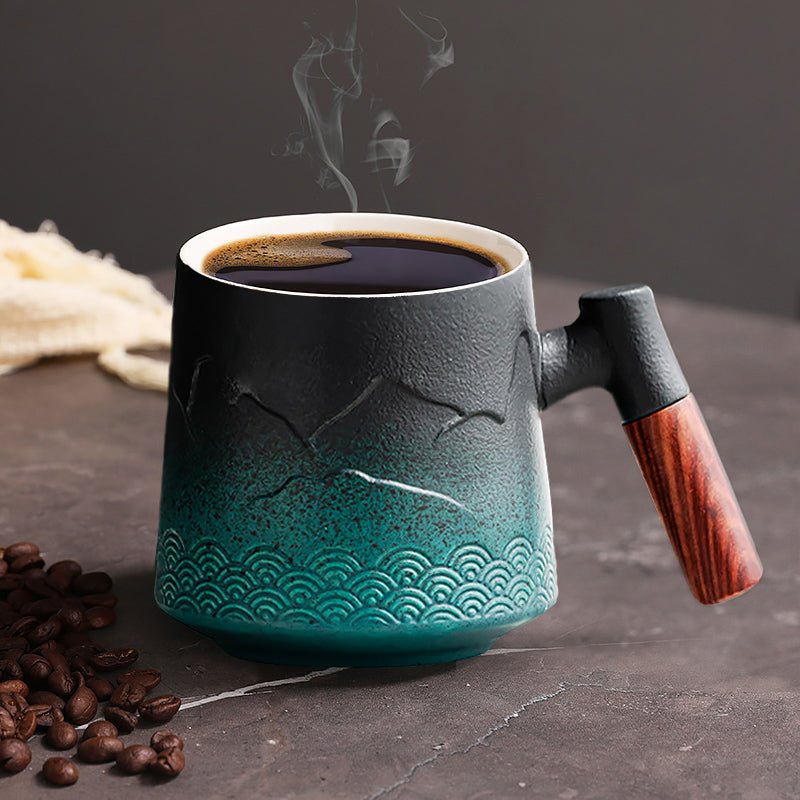
Wooden Handle Tea Cup: What to Check Before You Buy
Reading time: about 9 minutes
A wooden-handle tea cup gets attention fast on a kitchen counter. The look is warm and quiet, and the handle feels different the first time you pick it up. In our store, we see shoppers choose this style for desk tea, slow morning coffee, and simple gifts because it feels more considered than a basic mug.
That said, it is not the right cup for everyone. If you want a lowest-maintenance mug, visible wood details need more care than plain ceramic. If you want a cup that feels comfortable in the hand and looks good sitting out, the trade-off can be worth it.
We handle a lot of handle-style drinkware in our store, and the questions are usually the same: how does it feel, what is it made of, how do you clean it, and which size is actually practical for daily tea? This guide answers those points directly, with the same detail we use when helping shoppers compare options like the Mountain Sea II Coffee Tea Mug with Wooden Handle and The Cloud Coffee Tea Mug with Wooden Handle.
What makes a wooden-handle tea cup different from a regular mug?
The biggest difference is the feel. A ceramic cup with a wooden handle usually brings a softer, more tactile grip than bare ceramic or glass. That matters more than people expect, especially if you drink tea slowly and hold the cup for a while at a desk or on the sofa.
There are also practical differences:
- Heat feel: wood does not conduct heat the same way metal does, so a wooden handle usually feels less harsh in the hand.
- Visual tone: wood adds contrast to white porcelain, stoneware, or matte finishes. It can make even a simple cup feel more intentional.
- Care: wood needs gentler washing and quicker drying than all-ceramic mugs.
That last point is where some shoppers get caught out. A wooden-handle tea cup is not a no-care mug. If you leave it soaking in a sink overnight or treat the wooden detail roughly without checking the product care instructions, the wooden part can age faster than the ceramic body.
If you are still comparing sizes and daily-use comfort, our Big Tea Cup Buying Guide: Size, Material, and Daily Use is a useful side read before you commit.
What should you check before buying a wooden-handle tea cup?
We always tell shoppers to look past the photos and check the build details. A nice-looking cup can still be awkward if the proportions are off. Here is the checklist we use in our own product review process.
| What to check | Why it matters | What good looks like |
|---|---|---|
| Handle shape | Comfort during long drinks | A smooth grip with no sharp edges or pinch points |
| Cup thickness | Heat retention and hand feel | Thick enough to feel sturdy, not so heavy it tires your wrist |
| Wood finish | Durability and cleaning | A sealed or well-finished surface that resists splashes |
| Rim shape | Drink comfort | A clean rim that does not feel rough against the lip |
| Base stability | Desk and table use | A flat base that sits steady without wobble |
Two details shoppers often miss:
- Joint points: if the cup has a separate wooden handle, inspect where the handle meets the body. That junction should look even and secure, not loosely fitted.
- Finish consistency: wood should feel smooth, not dry or splinter-prone. A rough finish usually means the cup will be less pleasant over time and harder to wipe clean.
Our experience is that the best buyer is not the person looking for a novelty piece. It is the person who wants a dependable cup that also makes the table look better.
Which size works best for daily tea or coffee?
Size sounds simple until you use the cup every day. Too small, and you keep refilling. Too large, and your tea cools before you finish it. For most shoppers, the right choice depends on how they actually drink, not on what looks nice in a product photo.
Here is a practical way to think about it:
- Small to medium cups suit stronger tea, espresso-based drinks, or slow sippers who want less volume at once.
- Medium-to-large cups work better for standard tea breaks, desk use, and people who do not want constant refills.
- Large cups are better for relaxed home use, but they can feel bulky if you carry your mug from kitchen to office a lot.
If you are comparing larger daily-use options, our Large Tea Cup Buying Guide: What to Check Before You Buy and Huge Tea Cup Buying Guide for Daily Tea, Desk Use, and Gifting can help you avoid buying a cup that looks right but feels clumsy in real use.
A wooden-handle tea cup is not the best pick if you want the biggest possible drink container for all-day refills. In that case, a larger mug or a different vessel style makes more sense. But if you care about a cup that feels right in the hand and looks clean on the table, moderate sizing usually wins.
How do wooden handles hold up in real use?
A wooden handle can hold up well, but it should be treated like a visible wood detail, not like plain plastic. In day-to-day use, the most common wear signs we see are dulling, tiny surface marks, and finish wear around the points you touch most often. Those are normal aging signs, but they are easier to avoid with basic care.
In our experience, the main stress points are:
- Hot water and soaking: prolonged soaking is harder on wood than a quick wash.
- Drying habits: leaving moisture in seams or around the handle shortens the clean, finished look.
- Storage: a crowded cabinet where mugs knock together can chip edges or scuff the wood.
The good news is that wooden-handle drinkware is often more forgiving in daily use than people expect, as long as you are not rough with it. It is not made for heavy abuse. It is made for deliberate, regular use.
If style is part of the appeal and you want a cup that feels a bit more polished as a gift, our Fancy Tea Cup Buying Guide for Style, Comfort, and Daily Use can help you compare comfort against presentation.
How should you clean and care for a wooden-handle tea cup?
Care is where a lot of buying mistakes happen. A wooden-handle tea cup usually needs a simpler, gentler routine than an all-ceramic mug. We recommend checking the specific product page for care instructions first, then following the most cautious approach if the wooden part is visible and unfinished-looking.
A practical care routine looks like this:
- Wash soon after use with warm water and mild soap.
- Use a soft sponge instead of a harsh scrubber.
- Do not leave the cup soaking in the sink.
- Dry the wooden section right away with a clean cloth.
- Store it where air can circulate, not trapped upside down in a damp stack.
What not to do:
- Do not assume the wooden handle should be treated like the ceramic body.
- Do not ignore the product care notes for mixed-material details.
- Do not use bleach or abrasive pads on the wooden areas.
This is the main trade-off. A wooden-handle tea cup rewards a little extra care with a more refined look and a nicer hand feel. If you want a low-maintenance cup for a busy shared kitchen, plain ceramic may be the safer choice.
Which wooden-handle tea cup style fits a desk, kitchen, or gift better?
Different buyers want different things from the same category. We see three common use cases.
- Desk use: choose a cup with stable base geometry and a comfortable handle. You want something you can lift easily between emails without feeling top-heavy.
- Kitchen counter use: look for a finish that is easy to wipe after tea drips or condensation.
- Gift use: choose a cup with a strong visual silhouette and a clean presentation. The unboxing should feel intentional, not random.
The two wooden-handle products linked earlier fit that kind of decision-making well. Some shoppers lean toward the Mountain Sea II Coffee Tea Mug with Wooden Handle for a more grounded, classic look. Others prefer The Cloud Coffee Tea Mug with Wooden Handle if they want a lighter visual profile. The right pick depends on how much visual contrast you want on the table.
If you are still browsing the wider range, our all collections page is the fastest place to compare styles side by side before you choose one.
What are the trade-offs of choosing wood accents over plain ceramic or glass?
This is the question we wish more shoppers asked first. Wood is appealing, but it has trade-offs that matter in everyday use.
| Material | Main advantage | Main drawback |
|---|---|---|
| Wood accents | Warm feel and distinctive look | Needs gentler care and drying |
| Ceramic | Easy everyday cleaning | Can feel plain or heavy |
| Glass | Lets you see the tea | Less forgiving if dropped |
A wooden-handle tea cup is not the best choice for someone who is rough on dishes or wants the simplest possible cleanup routine. It is also not ideal if you want to ignore care notes for mixed-material drinkware.
It is a strong choice if you care about feel, presentation, and a little more personality in a daily object. That is why people often buy one as an upgrade rather than a replacement for every mug they own.
Frequently asked questions
Is a wooden-handle tea cup good for hot tea?
Yes, if the product is designed for hot drinks and you follow the care guidance on the item page. The wooden handle changes the feel in hand, but it still needs gentler handling than a plain ceramic mug. If you want something for boiling-hot, all-day use with minimal care, ceramic is the lower-maintenance option.
How should I wash a wooden-handle tea cup?
Use a gentle hand-wash routine for the wooden handle unless the product page says otherwise. Wood details usually look better when they are not soaked and are dried promptly.
Can a wooden handle show wear over time?
It can show wear if moisture is left around the handle or if the finish is treated roughly. Washing soon after use and drying the wooden area promptly keeps the handle looking cleaner.
What size wooden-handle tea cup is best for daily use?
Most shoppers are happiest with a medium-feel size that works for a full tea break without feeling bulky. If you like refills and a lighter cup in the hand, go smaller. If you keep tea beside your keyboard for long sessions, a larger size makes more sense.
Is a wooden-handle tea cup a good gift?
Yes, if the person likes thoughtful home items and will appreciate the look and feel. It is a better gift for someone who enjoys tea rituals or desk accessories than for someone who wants only the simplest, lowest-maintenance mug. Presentation matters here, so choose a design that looks clean out of the box.
If you are deciding between style and maintenance, use this final check: pick the wooden-handle tea cup if you want warmth, better hand feel, and a more distinctive look; pick a simpler ceramic mug if you want maximum convenience. For side-by-side browsing, start with our collection page and compare the wooden-handle options against the rest of the store before you buy.
Read more
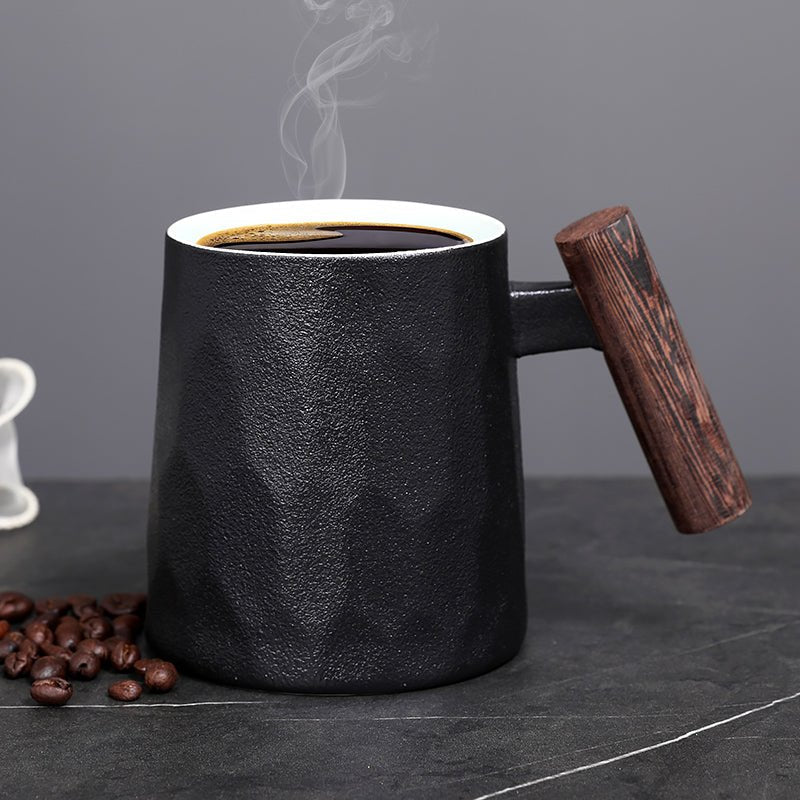
Oversized Tea Cups: How to Choose a Mug That Fits Daily Use
Oversized tea cups work best when the bowl shape, handle comfort, and fill line all match how you actually drink. This guide compares real trade-offs so you can choose a mug that feels right on a d...
Czytaj dalej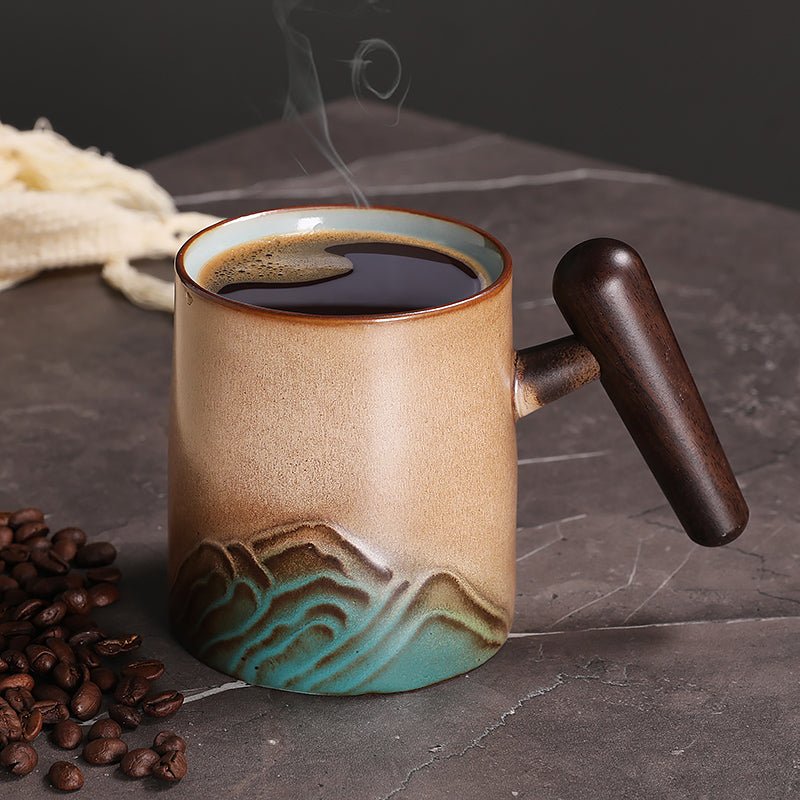
Creative Coffee Mugs: How to Choose a Daily-Use Style
Creative coffee mugs should do more than look good on a shelf. Here is how we compare styles, size feel, and everyday trade-offs so you can pick a mug that fits your routine, your desk, and your wa...
Czytaj dalej
Zostaw komentarz
Ta strona jest chroniona przez hCaptcha i obowiązują na niej Polityka prywatności i Warunki korzystania z usługi serwisu hCaptcha.