
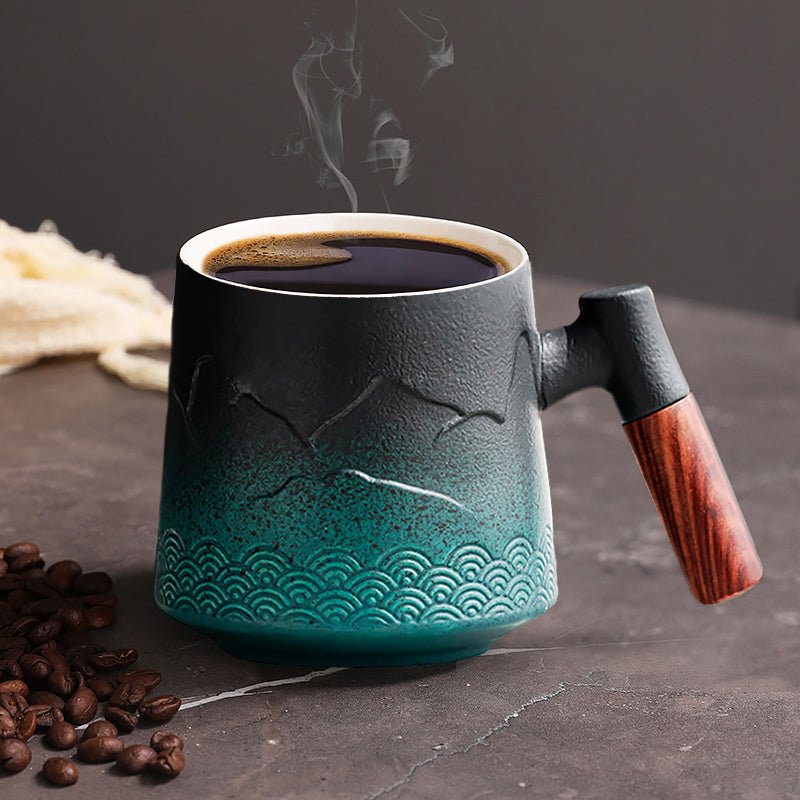
Wood Cups: What to Look for Before You Buy
Reading time: about 8 minutes
Wood cups stand out the moment they land on a kitchen counter. They feel warmer than ceramic, lighter than stoneware, and more tactile in the hand, which is exactly why buyers notice the finish, the rim, and the grain before they ever taste the coffee.
That also means they are not a simple grab-and-go purchase. In our store, we look at wood cups the same way shoppers do at an office desk, during a gift unboxing, or after a few sink-side wash cycles: does the surface feel smooth, does the base sit flat, and does the cup still look good after normal use? Those details matter more than a polished product photo.
What do wood cups actually feel like in daily use?
Wood cups have a different day-to-day experience than ceramic or stainless steel. They feel softer in the hand and usually weigh less than a comparable stoneware mug, so they are comfortable for slower drinks at a desk, on a breakfast table, or as a display piece that still gets used.
The trade-off is that wood asks for more care. Most buyers are happy with that once they know what they are signing up for, but it is not the right choice if you want a mug you can toss in the dishwasher after every coffee refill. It is also not the best option if you want maximum heat retention for a long commute; an insulated tumbler usually handles that job better.
- Good fit: tea, coffee at a desk, iced drinks, gift sets, and low-stress daily use.
- Not ideal for: dishwasher-heavy routines, long soaks, travel bags, or constant temperature retention.
- What people notice first: the rim smoothness, the natural grain, and whether the cup feels balanced in the hand.
Which details should you check before buying?
We tell buyers to slow down and inspect the same four details every time: material, finish, shape, and care instructions. Those are the parts that separate a wood cup you will enjoy from one that starts looking tired after a few weeks.
| What to check | What good looks like | Why it matters |
|---|---|---|
| Wood type | Clear material listing, such as bamboo or a dense hardwood | Different woods handle moisture and wear differently |
| Finish | Food-safe, sealed, and even across the inside and rim | Helps resist stains and reduces rough spots |
| Rim | Rounded and smooth, with no splinters or sharp edges | The rim is the first place your lips feel a defect |
| Base | Flat enough to sit without rocking on a table or desk | Prevents spills and makes the cup feel more premium |
| Care notes | Specific washing guidance, usually hand wash only | Vague care info usually means more risk after purchase |
If a listing does not explain the finish or the care method, treat that as a warning sign. A good wood cup should tell you how it is meant to be used. If the product page leaves those basics out, the buyer is doing too much guessing.
We also pay attention to wall thickness. Thin walls can feel elegant, but they are easier to damage if the cup is bumped against a sink or metal spoon. Very thick walls can feel sturdy, but they may make the cup feel heavy in a way that defeats the point of choosing wood in the first place.
Are wood cups good for coffee, tea, and cold drinks?
Yes, but they are better for some drinks than others. For black coffee, tea, and cold drinks, a properly sealed wood cup can make sense for daily use. For very hot drinks, the cup should have a clean finish and a comfortable exterior, because the outside surface matters just as much as the inside.
If you are choosing between formats, think about the drink first and the look second. A customer who wants a large morning pour may still prefer the logic in our guide to Big Coffee Cups: What to Check Before You Buy a Large Mug, because capacity changes how a cup behaves in real use. Someone shopping for a more decorative piece may get more value from Beautiful Coffee Cups: What to Look for Before You Buy, especially if the cup will live on a shelf or coffee bar as much as in the hand.
- Coffee: works well if the cup is sealed and the rim is smooth.
- Tea: a solid option, but lighter finishes can stain over time if they are not maintained.
- Cold drinks: a practical use case, especially when condensation is not a problem for the tabletop.
- Not the best fit: drinks that will sit for a long time in a sink or be reheated repeatedly in the same cup.
How should you clean and care for wood cups?
This is where most of the long-term value gets decided. Dishwasher cycles, soaking, and aggressive scrubbing are the fastest ways to shorten the life of most wood cups. If you want the cup to keep its shape and finish, treat it like a wooden utensil rather than a ceramic mug.
- Rinse the cup soon after use so coffee or tea does not sit on the finish.
- Wash with mild soap and a soft sponge.
- Dry it right away with a clean towel.
- Store it with airflow, not in a damp stack against other dishes.
- Only use food-safe oil or conditioner if the maker recommends it.
That last point matters. Some buyers assume all wood cups should be oiled the same way, but care depends on the finish and construction. A sealed cup and an unfinished or lightly treated cup do not need the same routine. If the listing does not mention care, that is another reason to hesitate before buying.
We also tell customers to watch for common defect modes after the first few uses. A tacky finish, a rim that feels rough after washing, or tiny splits near the base are signs the cup is not holding up well. Those problems are easier to catch early than after months of use.
Which wood cup style fits a gift, desk, or everyday rotation?
The right style depends on how the cup will actually be used. A gift needs to feel special without being fussy. A desk cup needs to be stable, comfortable, and easy to clean. Everyday rotation needs durability and a finish that still looks good after a lot of handling.
If the buyer values form as much as function, our guide to Coffee Cups Cool: What to Buy for Daily Use and Gifting is a useful companion piece, because it covers the same balancing act from a style angle. For seasonal gifting, Christmas Coffee Cups: How to Choose the Right Mug for Gifts and Daily Use is helpful when you want a present that feels thoughtful but still gets used after the holidays.
In our experience, wood cups usually make the most sense when the buyer wants something calmer and more tactile than printed novelty drinkware. They are not the right pick for a commuter who wants a sealed travel lid, and they are not the best choice if the cup will live in a dishwasher-heavy shared kitchen. They do work well for someone who likes a quiet, natural look on a breakfast table or office shelf.
If you want a broader view of what we carry, you can compare current options on our products page or browse the full collection to see which shapes, finishes, and sizes fit your routine.
Frequently asked questions
Are wood cups safe for hot coffee?
They can be, as long as the cup is made for drink use and has a proper food-safe finish. The bigger question is comfort and longevity: the outside should not feel overly hot, and the interior should not show signs of wear after a few washes. If you want very hot coffee that stays hot for a long time, a thermally insulated mug is usually the better choice.
Can wood cups go in the dishwasher?
Most should not. Dishwasher heat, strong detergents, and long wet cycles can dry out the wood, weaken the finish, or cause small cracks over time. Hand washing with mild soap is the safer routine unless the maker specifically says otherwise.
What size wood cup should I buy?
Start with how you drink, not just what looks good. A smaller cup around 8 oz suits espresso-style drinks or tea, while 10 oz to 12 oz is usually more flexible for standard coffee servings. If you regularly pour big morning drinks, a larger format may make more sense, which is why we also recommend checking our guide to bigger cups before you decide.
Do wood cups stain or absorb flavor?
They can if the finish is weak or if the cup is left wet for too long. Dark tea, coffee, and flavored drinks are the ones most likely to leave marks over time. A properly sealed cup should resist this better, but it still needs prompt rinsing and drying.
Are wood cups good gifts?
Yes, if the person likes natural materials and does not mind a little more care than ceramic. They work especially well for buyers who want something calm, understated, and different from the usual printed mug. If the gift recipient wants zero-maintenance drinkware, choose a different material.
Use the checklist above, then compare the available styles on our products page and the full collection. Focus on finish, rim, base, size, and care instructions, and you will narrow the field fast.
More from our blog
Read more
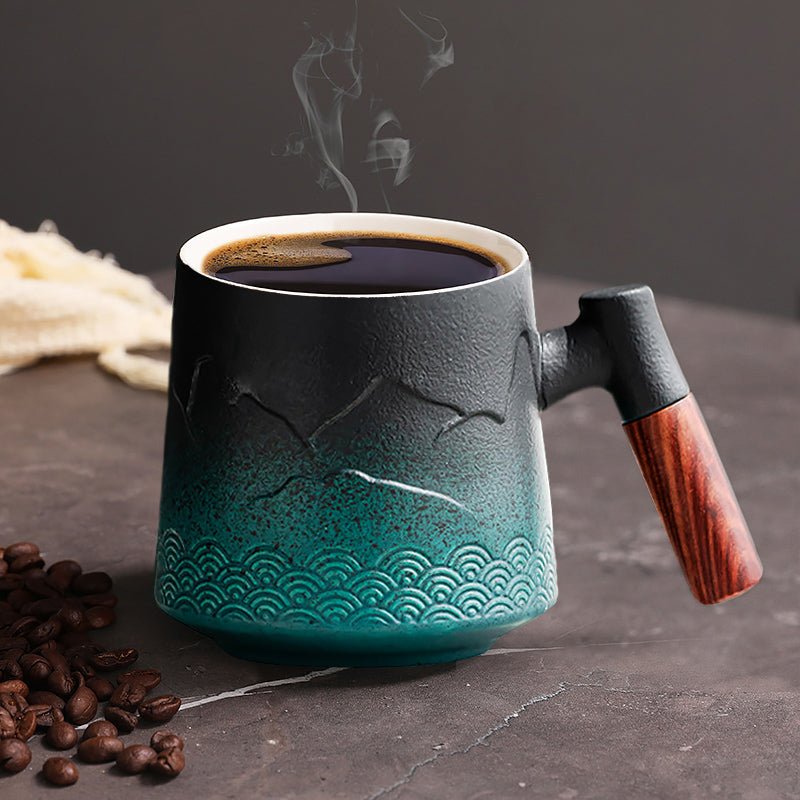
Tea Handle Buying Guide: What to Check Before You Buy
A tea handle can make or break how a cup feels in daily use. We break down grip, material, care, and the shapes that work best for desk use, gifts, and everyday tea.
Czytaj dalej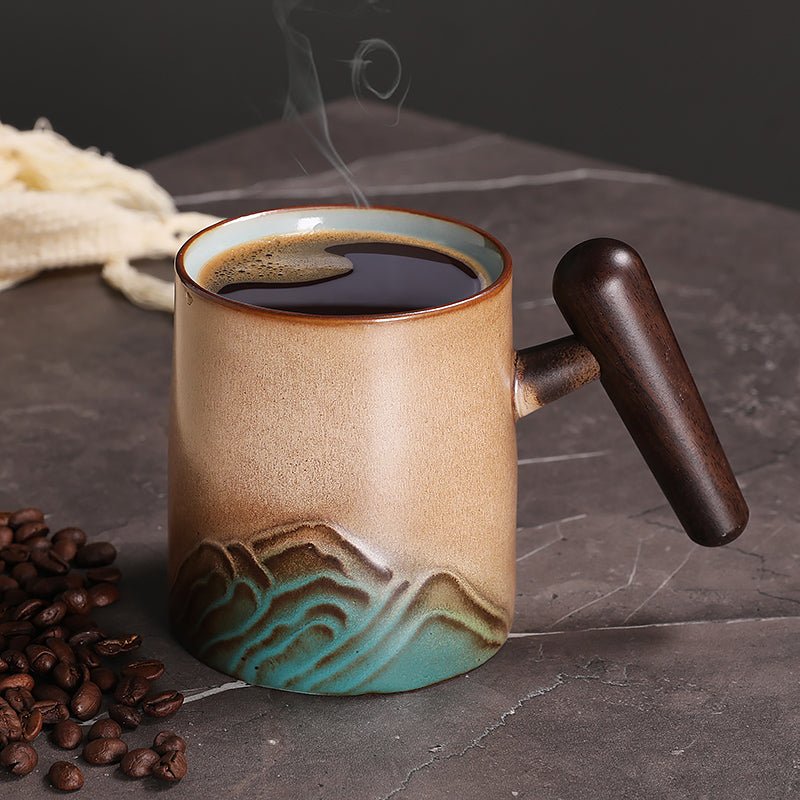
Big Tea Cup Buying Guide: Size, Material, and Daily Use
A big tea cup can be right for long pours, office desks, and slower mornings, but size alone is not enough. We break down capacity, material, handle comfort, care, and the trade-offs that matter be...
Czytaj dalej
Zostaw komentarz
Ta strona jest chroniona przez hCaptcha i obowiązują na niej Polityka prywatności i Warunki korzystania z usługi serwisu hCaptcha.