
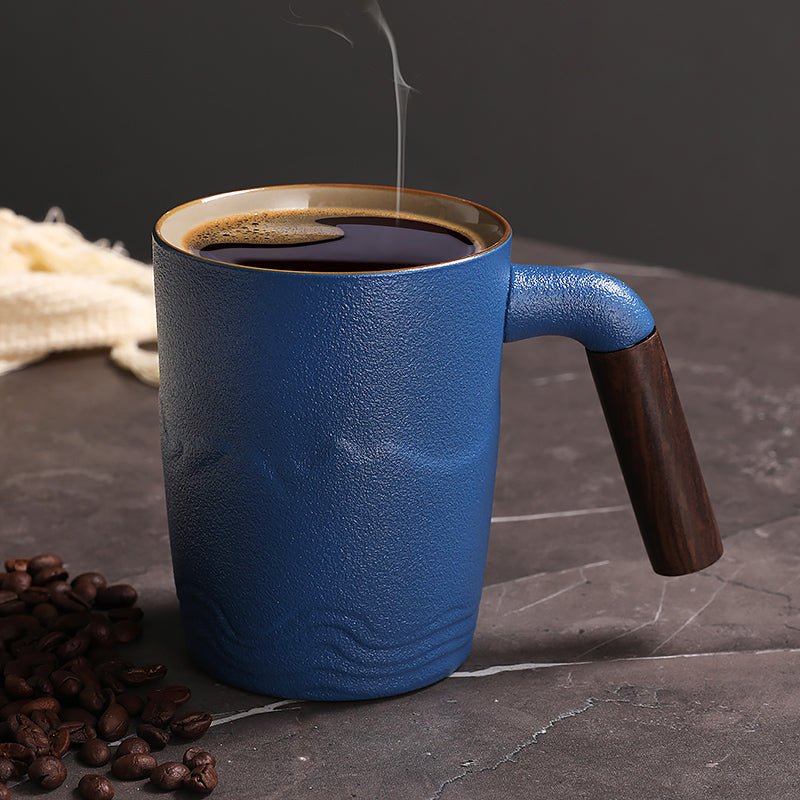
West Elm Coffee Mugs: How to Choose the Right Everyday Fit
Reading time: about 8 minutes
A mug gets judged at 7 a.m. on a cold counter, not in a product photo. Shoppers comparing west elm coffee mugs usually care about the same practical details: does the handle fit without squeezing, does the rim feel comfortable on the lip, and will it still look good after a few dishwasher cycles?
In our store, we see two common buyers. One wants a clean mug for a desk or kitchen shelf. The other wants a mug with a little more substance in the hand so it feels steady, not flimsy, when filled to the top. If you want a similar everyday lane, start with The Rock Coffee Tea Mug, compare the rest of our range in the all collection, and use size references like 10 oz Coffee Mugs: How to Choose the Right One for Daily Use when you are deciding how much coffee you actually pour.
What are shoppers actually comparing in west elm coffee mugs?
Most buyers do not compare mugs only by color. They compare how the mug behaves in real use. A mug that looks clean on a shelf can still be annoying at breakfast if the handle opening is too tight, the base rocks on stone counters, or the wall is so thin that the drink cools fast.
We look at mugs the same way customers do in the store: by feel first, then by finish, then by whether the shape fits the routine. A mug for espresso-style pours is not the same as a mug for a long office morning. That sounds obvious, but it is where a lot of rushed purchases go wrong.
- Handle comfort: Enough clearance for two fingers, sometimes three, without scraping the knuckles.
- Rim feel: A thinner rim usually feels nicer for sipping; a chunky rim can feel sturdy but less refined.
- Wall thickness: Thicker walls tend to hold heat longer, but they also add weight.
- Base stability: A flat, even base matters on slick counters and crowded office desks.
- Finish behavior: Matte glazes can show water spots more readily, while glossy finishes often wipe clean faster.
Those details are small on paper. In daily use, they decide whether a mug becomes the one you reach for or the one that gets pushed to the back of the cabinet.
Which mug size feels right for daily coffee, tea, and desk refills?
Size is where a lot of style-first shopping gets corrected. If you drink drip coffee and refill often, a smaller mug can be a better everyday choice than a large one that gets cold halfway through. If you like lattes, extra milk, or tea that needs room to steep, a bigger mug makes more sense.
For a closer size comparison, our guides on 12 Ounce Coffee Mugs: Size, Fit, and Best Buying Choices and 16 Ounce Ceramic Coffee Mugs: Buying Guide for Daily Use walk through the trade-offs in more detail.
| Size | Best for | Main trade-off |
|---|---|---|
| 10 oz | Smaller pours, straight coffee, compact shelves | Not ideal if you like a lot of milk or long refills |
| 12 oz | Everyday coffee and tea, balanced desk use | Can feel modest for oversized drinks |
| 14 oz | Larger morning pours, longer sipping sessions | More weight when full and less compact in storage |
| 16 oz | Big coffee, lattes, and tea that needs room | Takes longer to finish and may feel bulky in smaller hands |
If you already know you prefer a medium mug, 12 oz is usually the safest starting point. If your current cup feels cramped, move up. If it feels like you are always half-finishing a large mug, move down. That simple test is often more useful than guessing from photos.
Which CoffeifyMug styles feel closest to the look buyers want?
If you are comparing west elm coffee mugs for the clean, home-friendly look, the goal is usually not to copy a specific mug. It is to find the same visual balance: calm shape, easy grip, and a finish that works on a kitchen counter or office desk without looking too busy.
These three options cover slightly different use cases:
- The Rock Coffee Tea Mug for shoppers who want a grounded, tactile feel and a mug that reads as steady and practical.
- Morning Night Coffee Tea Mug for a cleaner everyday look that works in a kitchen, office, or gift set.
- Mountain Coffee Tea Mug for buyers who want a slightly more rustic, giftable feel without going overly decorative.
If you want to scan the whole range before choosing, the all collection is the fastest way to compare styles side by side.
In practice, the best mug is often the one that disappears into routine. It should feel good in the hand, sit flat on the counter, and not ask for special handling every time you use it.
What trade-offs should you expect from a style-first mug?
Style-first mugs are great until the details stop matching your habits. A wide mouth can make a mug feel generous, but it also exposes more surface area, which means coffee can cool faster. A heavier mug can feel premium and stable, but it may be less comfortable if you carry it from kitchen to desk all morning.
There are also a few practical limits to keep in mind. Matte finishes can show fingerprints and water marks more readily than glossy ones. Very thick mugs can feel durable, but they take longer to warm up and may be less pleasant if you want a light, quick cup. Decorative pieces with special decals or trim should always be checked for care notes before you assume dishwasher or microwave use.
We see the same pattern over and over: the mug that looks best online is not always the mug that feels best after three dishwasher loads and a week of morning coffee.
That is why we recommend thinking in terms of use case, not just style. A mug for a shelf display is a different purchase than a mug that will live next to the toaster and get used every single day.
How do you choose the right mug before you buy?
Use a short checklist and be honest about how you actually drink coffee. Most returns and regrets come from buying a mug that looked right but fit the wrong routine.
- Measure the mug you already like: If your current mug feels just right, compare its height and capacity before you buy another.
- Check the handle clearance: If you have larger hands or like a relaxed grip, a tight handle will annoy you quickly.
- Look at rim thickness: Thinner rims usually feel better for drinking; thicker rims can feel sturdier but less refined.
- Decide where the mug will live: Cabinet, open shelf, office desk, or break room all reward different shapes.
- Choose the cleaning routine you will actually follow: If you want low maintenance, prioritize straightforward care and finishes that do not demand babying.
If you are still deciding between sizes, our guides on 12 Ounce Coffee Mugs: Size, Fit, and Best Buying Choices and 14 Ounce Coffee Mugs: Size, Fit, and Buying Guide are useful for narrowing the field before you commit.
One more practical point: if you buy mugs mainly for tea, a slightly wider bowl shape can be useful for steeping. If you buy for espresso-based drinks or small pours, a compact profile usually feels better and wastes less heat.
Frequently asked questions
Are west elm coffee mugs good for everyday use?
They can be, if the size, handle, and finish match your routine. Everyday use is less about the brand name and more about whether the mug feels stable, cleans easily, and fits the amount you normally pour. A stylish mug that is awkward to hold will not stay in rotation for long.
What size mug is best for drip coffee and lattes?
For drip coffee, many shoppers land on 10 oz to 12 oz because the cup stays manageable and does not feel oversized. For lattes or drinks with more milk, 14 oz to 16 oz usually gives you enough room without spilling over the rim. The right answer depends on how full you like the mug and how quickly you finish it.
Is stoneware or porcelain better for a desk mug?
Stoneware usually feels heavier and more grounded, which some people like on a desk because it feels steady. Porcelain tends to feel lighter and a bit more refined. If you move your mug around a lot during the day, lighter can be easier; if you want a mug that feels anchored, heavier often wins.
What should I avoid if I want a mug for the office?
Avoid mugs that are too tall for your coffee machine, too wide for a crowded desk, or too delicate for regular washing. A handle that looks sculptural but is hard to grip becomes irritating fast when you are answering emails and reaching for refills. Office mugs work best when they are simple, stable, and easy to clean.
Do matte mugs need different care than glossy mugs?
Matte mugs often need a little more attention because fingerprints and water marks can show more easily. Glossy mugs usually wipe down faster and may look cleaner after repeated use, although both can last well if you treat them normally. The key is to follow the product care notes rather than assuming every finish behaves the same way.
If you want the closest everyday match, start with the full all collection and compare each mug against three checks: handle comfort, rim feel, and the size you actually pour every morning.
Read more
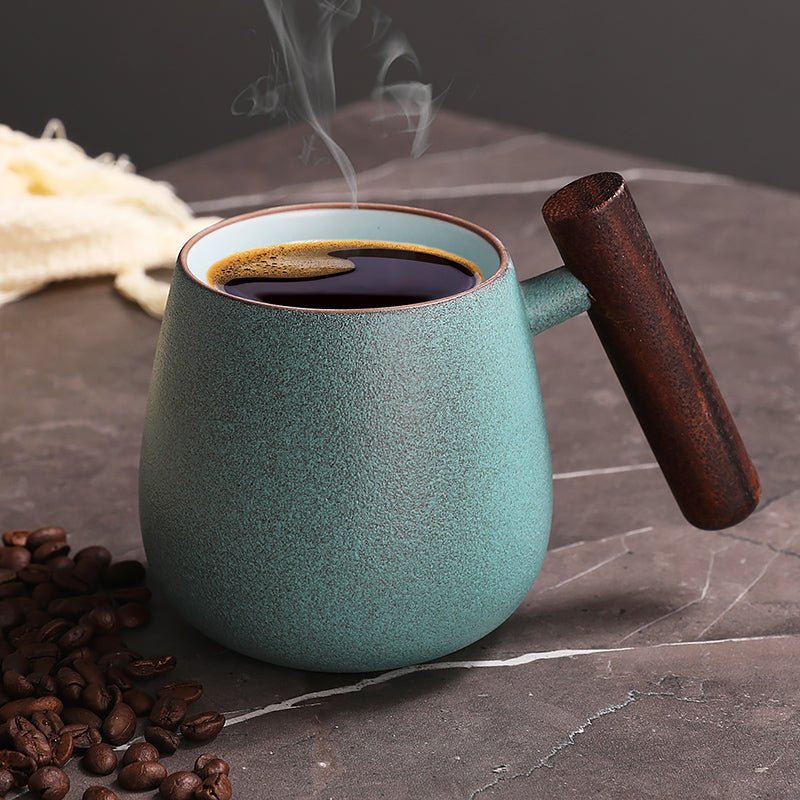
Coffee Mug in Spanish: Meaning, Useful Phrases, and Buying Tips
Learn how to say coffee mug in Spanish, what the most common variations mean, and how to describe mug sizes, styles, and uses with confidence. We also point you to practical mug options if you are ...
Czytaj dalej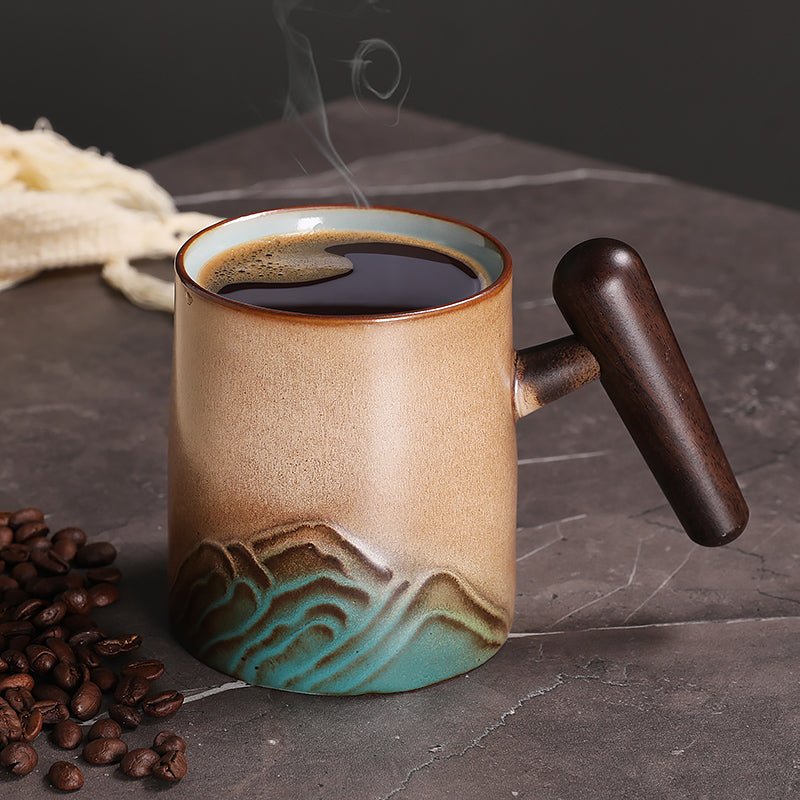
Beautiful Coffee Mugs for Daily Use: What to Buy and Why
A practical guide to coffee mugs beautiful enough for the counter and dependable enough for everyday coffee, tea, and desk use. We compare shape, size, handle comfort, and finish so you can pick a ...
Czytaj dalej
Zostaw komentarz
Ta strona jest chroniona przez hCaptcha i obowiązują na niej Polityka prywatności i Warunki korzystania z usługi serwisu hCaptcha.