
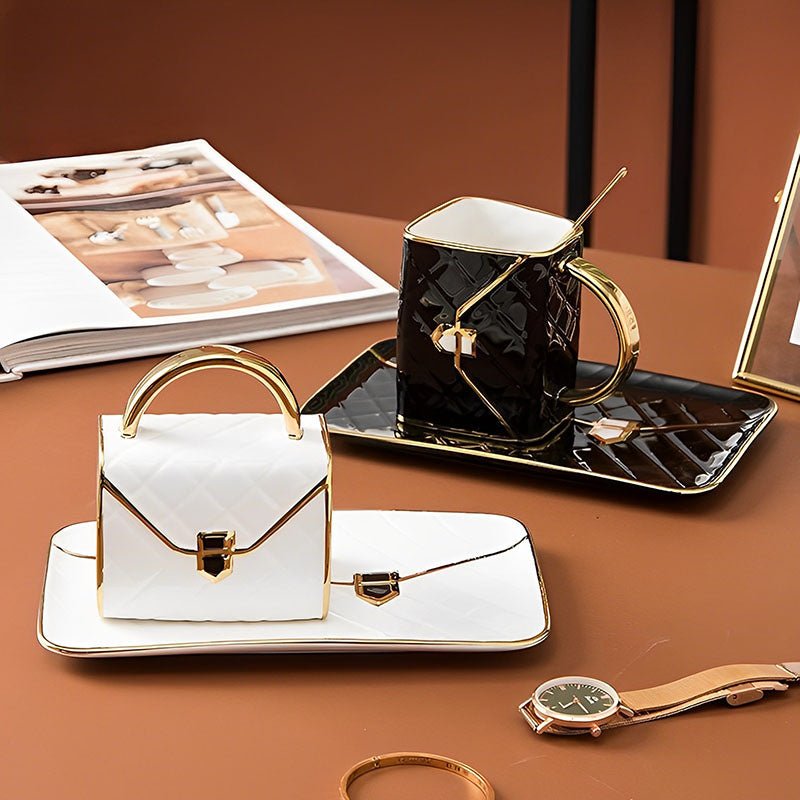
Unique Coffee Cups for Everyday Use, Gifts, and Desk Coffee
Reading time: about 8 minutes
A cup can look unique on a product page and still feel awkward on a kitchen counter. We see that mismatch a lot: the mug is charming, but the handle is too tight, the base rocks slightly, or the shape makes a normal pour feel clumsy. If you are buying for daily coffee, the right choice has to do more than stand out.
That is the standard we use in our store. We look at how a cup sits in the hand, how it clears a spoon, whether it can handle a dishwasher cycle, and whether the design still feels good after the novelty wears off. If you want the broader buying framework first, our Unique Coffee Mug Buying Guide: Materials, Sizes, and Fit is the right place to start.
What makes a coffee cup feel unique without making it hard to use?
Unique coffee cups usually stand out because of one or more details: an unusual glaze, an angular body, a sculpted handle, a textured finish, or a shape that changes how the coffee sits in the cup. That can be a good thing. It can also be the reason a mug feels great in photos but annoying at breakfast.
We prefer cups that look distinct but still behave like a normal mug on a crowded counter, in a carless office setup, or next to a laptop. A cup that is too narrow can be harder to clean. A cup that is too tall can feel unstable. A cup with a decorative handle may look special, but if two fingers cannot fit comfortably, it will not get used much.
If you are still deciding what kind of uniqueness matters to you, our Unique Coffee Mugs: What Actually Makes One Worth Buying article is a useful companion read. It helps separate visual novelty from the features that actually justify the purchase.
Our rule is simple: if a cup cannot handle morning coffee, a quick rinse, and regular shelf storage without feeling fussy, it is more decoration than daily drinkware.
Which materials work best for unique coffee cups?
Material changes how a cup feels in the hand, how it keeps heat, and how forgiving it is during daily use. The right choice depends on whether you want a lighter drinker, a heavier mug, or a more refined presentation.
| Material | What it feels like | Best for | Trade-off |
|---|---|---|---|
| Ceramic | Balanced weight, familiar feel, easy to grip | Everyday coffee, office desks, most gift buyers | Can chip if knocked against a sink or metal rack |
| Stoneware | Heavier, sturdier, holds heat well | Slow sipping, cold kitchens, people who like a solid mug | Can feel bulky in smaller hands and may be too heavy for long use |
| Porcelain | Thinner, lighter, more refined in the hand | Gift sets, elegant presentation, tea or smaller coffee servings | Feels less rugged and can seem delicate if you prefer a thick wall |
| Double-wall glass | Light, modern, visually distinctive | Showpiece coffee drinks, layered beverages, a clean modern look | Not as forgiving on busy counters and may show fingerprints or water spots quickly |
For daily coffee, ceramic and stoneware are usually the safest bets. Porcelain is better if you want a lighter, more polished feel. Double-wall glass looks sharp, but it is not the right pick for someone who drops mugs into a sink full of dishes or wants something that feels indestructible.
If your main goal is visual impact, our Beautiful Coffee Cups: What to Look for Before You Buy guide explains how to judge finish, silhouette, and pattern without getting distracted by the photos alone.
How do size and shape change daily coffee use?
Size matters more than people expect. An 8 oz cup feels right for espresso-based drinks or a smaller pour. A 10 to 12 oz mug is usually the sweet spot for standard drip coffee. A 14 to 16 oz cup works better if you drink slowly, top up from a pot, or want extra room for milk.
Shape changes the experience too. A wider mouth cools coffee faster and makes it easier to clean. A narrower body can retain heat a bit longer, but it may tip more easily on a cluttered desk. Shorter cups tend to feel stable. Taller cups can look elegant, but they are not always the best choice for a workstation with notebooks, chargers, and a crowded keyboard tray.
- Choose 8 oz if you want a compact cup that fits espresso or a smaller morning pour.
- Choose 10 to 12 oz if you want the most versatile everyday size.
- Choose 14 to 16 oz if you regularly drink larger servings or want less refilling.
- Choose a wider base if your mug will live on a desk, side table, or uneven shelf.
If you are leaning toward a larger format, our Big Coffee Cups: What to Check Before You Buy a Large Mug article covers the trade-offs that show up once you actually start using a bigger cup every day.
What should you inspect before adding a unique cup to cart?
In our experience, the details that cause returns are rarely the design concept itself. The problems are practical: a handle that pinches, a mug that wobbles, glaze pooling at the base, or a finish that does not survive repeated washing. Those issues are easy to miss in a photo and hard to forgive in daily use.
- Check handle clearance. Two fingers should fit without squeezing.
- Check the base. A flat, stable base matters more than a dramatic shape.
- Check the rim. It should feel smooth, not sharp or uneven against the lip.
- Check the glaze. Pinholes, pooling, or visible crazing can affect appearance and sometimes cleanup.
- Check care instructions. Metallic accents, hand-painted details, and some printed finishes are often not ideal for the microwave.
We also pay attention to how a cup feels when full. Some mugs look fine empty but become awkward once the coffee weight is added. A good unique cup should still feel balanced after the first pour, not just when it is sitting on the shelf.
If you like a more elevated look and want to understand what makes a design feel finished rather than overdone, our Fancy Coffee Cups: What to Check Before You Buy guide is a useful reference point.
Which unique coffee cups make the best gifts?
Gift buying changes the equation. A cup can be bold enough to feel special in an unboxing moment and still be practical enough for Monday morning coffee. That balance matters because a gift mug usually gets judged twice: once when it is opened, and again when it goes into regular rotation.
For gifts, we tend to favor cups that are easy to understand at a glance. Strong colors, clean shapes, and thoughtful texture usually age better than highly specific novelty themes. If the recipient drinks coffee at work, a mug that fits under an office machine or on a desk tray is often a better pick than a giant showpiece.
Seasonal gifting also changes what works. Our Christmas Coffee Cups: How to Choose the Right Mug for Gifts and Daily Use guide is useful if you want something festive without buying a cup that only works for one month of the year.
- Pick a design that feels personal, but not so niche that it limits use.
- Choose a size that suits everyday coffee, not just a decorative shelf.
- Prefer dishwasher-safe options if you want the gift to be easy to keep clean.
- Use gift-ready packaging or padding if the cup has a fragile shape or delicate finish.
Where should you shop if you want options without the guesswork?
If you want to compare styles side by side, start with our products page. It is the fastest way to see what is currently available without jumping between categories. If you want the broader range first, browse the full collection and narrow from there by the look, size, and finish that fit your routine.
Our practical filter is the same one we use internally: does it fit the hand, does it sit flat, does it clean easily, and does the design still feel good after a week on the counter? If the answer is yes to all four, the cup is probably worth considering.
Frequently asked questions
Are unique coffee cups good for everyday use?
Yes, if the shape, handle, and weight are practical. A unique cup should still be easy to hold, stable on the table, and simple to clean. If it is too tall, too heavy, or too decorative, it may be better as a display piece than a daily mug.
What size unique coffee cup is best for most buyers?
For most people, 10 to 12 oz is the safest starting point. That size works for standard drip coffee, many espresso drinks, and hot tea without feeling oversized. If you drink larger pours or add a lot of milk, 14 to 16 oz may fit your routine better.
Can unique coffee cups go in the dishwasher and microwave?
Sometimes, but not always. Plain ceramic and stoneware are often more forgiving than cups with metallic accents, hand-painted details, or delicate printed finishes. Check the product page carefully, because the safest care method depends on the exact finish.
What should I avoid if I want a unique mug for the office?
Avoid cups that are too tall, too narrow at the base, or difficult to grip with one hand. On a desk, stability matters as much as style. You also want a mug that does not demand special handling if you are going to wash it quickly between meetings.
Are handmade-looking coffee cups less durable?
Not automatically. Some handmade-looking cups are very sturdy, while some highly polished pieces can be more fragile than they appear. What matters is the build quality: even glaze, a flat base, a comfortable handle, and a finish that suits the way you plan to use it.
If you are ready to compare options, start with the full collection and use the checklist above to rule out cups that are too small, too fragile, or awkward for your daily coffee.
More from our blog
Read more
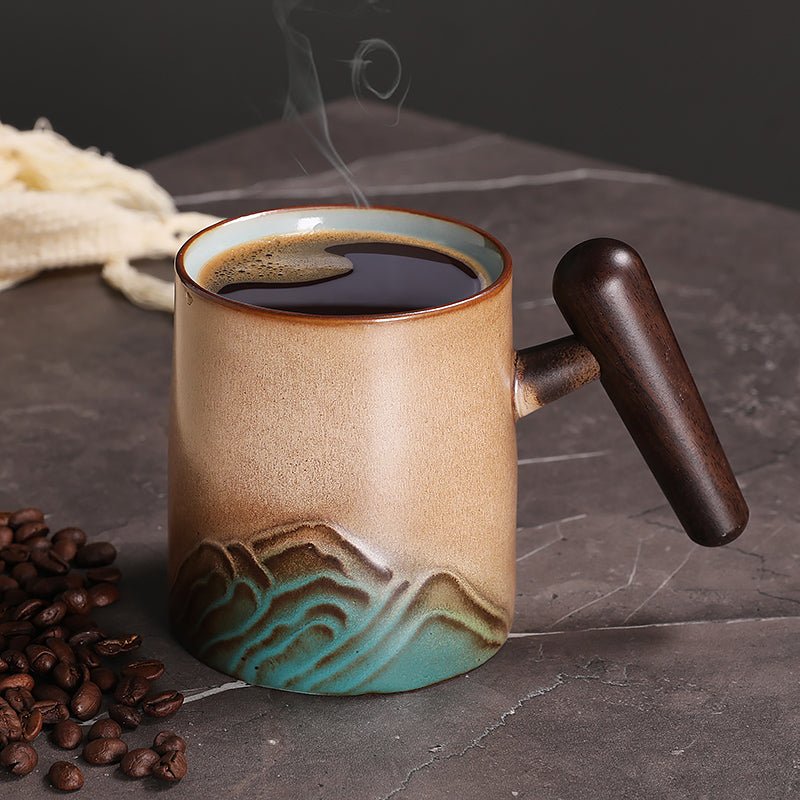
Big Mugs for Daily Coffee: Size, Material, and Fit Guide
Big mugs work best when the size, handle, and material match your routine. We break down what to buy, what to skip, and which details matter for daily coffee, desk use, and dishwasher care.
Czytaj dalej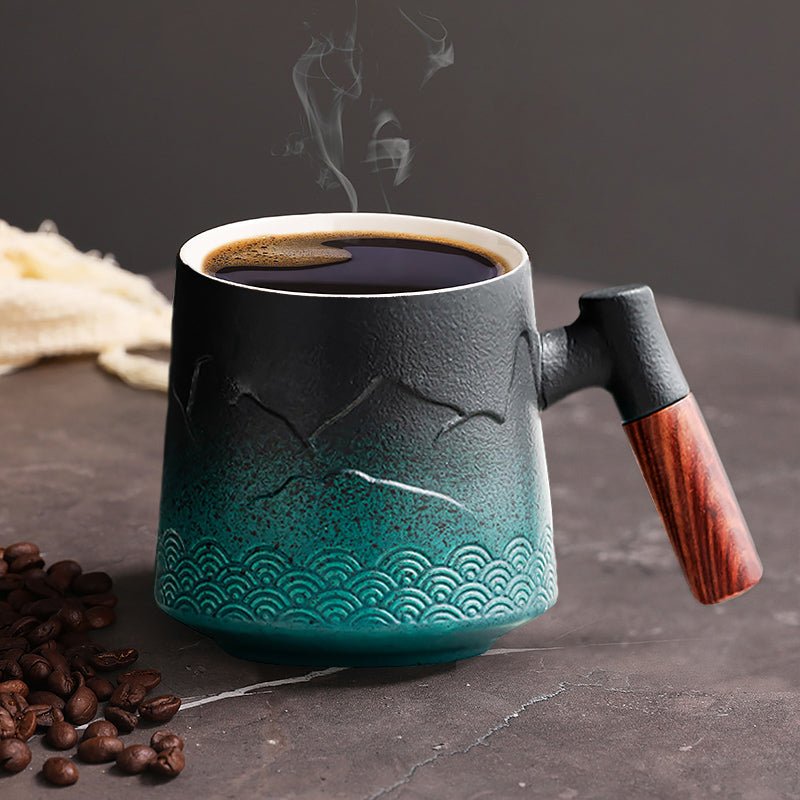
Coffee Mug with Handle: What to Check Before You Buy
A coffee mug with handle should feel steady on a desk, comfortable in the hand, and easy to clean after repeated use. We cover the material, handle fit, and care details that separate a mug you kee...
Czytaj dalej
Zostaw komentarz
Ta strona jest chroniona przez hCaptcha i obowiązują na niej Polityka prywatności i Warunki korzystania z usługi serwisu hCaptcha.